Sign for THE NUMBER THIRTY-THREE in ASL | Learn the Sign for THE NUMBER THIRTY-THREE in ASL with the #1 Best Dictionary!

Definition: Refers to the number thirty-three

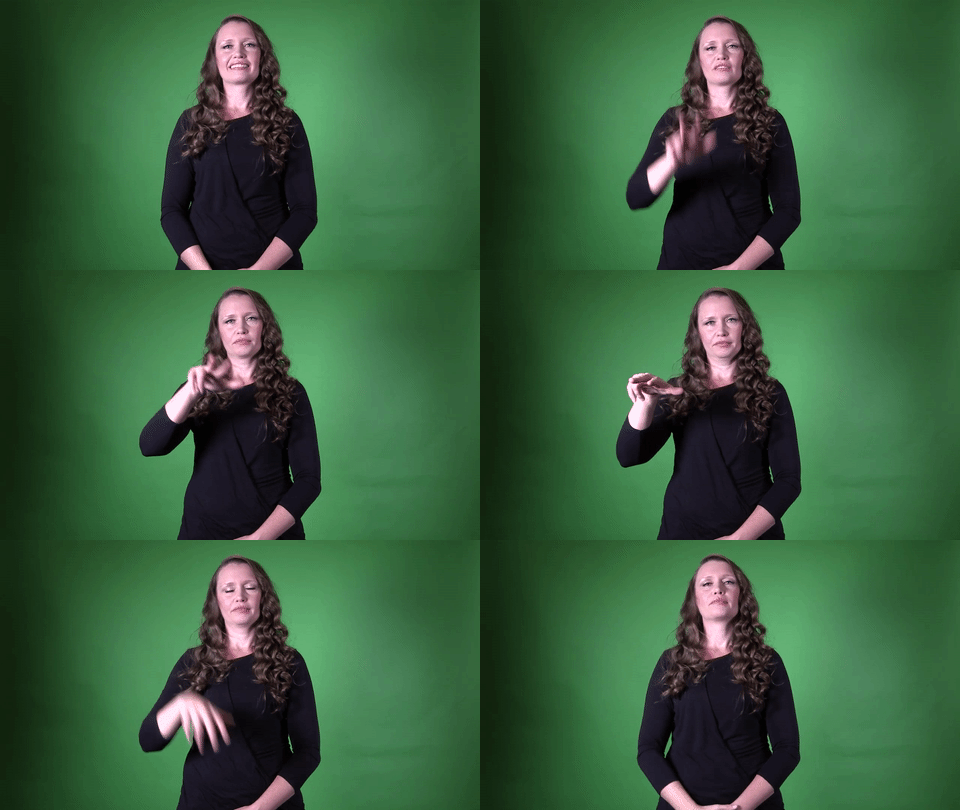
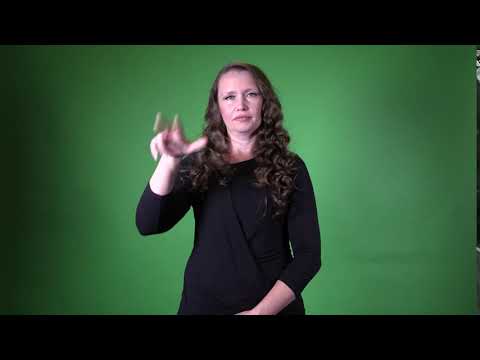
Sign for THE NUMBER THIRTY-THREE in ASL 

YouTube player

Practice Activities:

To practice the sign for the number thirty-three in ASL, start by isolating the movement. Hold your dominant hand in a “3” handshape, then bounce it twice in place. Repeat this motion several times while looking in a mirror to ensure clarity and consistency. Try alternating hands to develop dexterity, even though ASL typically uses the dominant hand for numbers.

Use flashcards with different numbers to reinforce recognition of the sign for the number thirty-three in ASL. Shuffle the cards and sign each number as you flip them over. Have a partner show you a random number, and respond with the correct ASL sign. Say the number aloud as you sign it to connect the visual and spoken representation.

Practice incorporating the sign into common scenarios. Count aloud in ASL from 30 to 35, emphasizing thirty-three. List items as if counting: “I have thirty-three books,” or “There are thirty-three students in the class.” Practice writing down numbers while signing them to reinforce recognition.

Create a mini-story using numbers. For example, describe a birthday party where the birthday person turns thirty-three. “Today is my uncle’s birthday! He is thirty-three years old. He has thirty-three balloons at his party.” Sign the story to a friend or record yourself to check fluency.

Engage in a partner quiz game. One person signs a number between 30 and 40 while the other writes it down. Switch roles to ensure equal practice. You can also time yourself signing from 30 to 40 repeatedly to build speed and accuracy. Keep practicing until the sign for the number thirty-three in ASL feels natural.

Cultural Context:

The sign for the number thirty-three in ASL is an important part of American Sign Language number vocabulary. It follows the general pattern for repeated double-digit numbers, using a bouncing or movement-based technique to convey the repeated digit. Learning the sign for the number thirty-three in ASL helps build fluency in signing numbers efficiently.

Numbers play a crucial role in ASL, helping signers communicate quantities, addresses, ages, measurements, and more. The sign for the number thirty-three in ASL is commonly used in daily conversations, sports scores, and financial transactions. Mastering numbers like the sign for the number thirty-three in ASL improves overall ASL comprehension and speed.

ASL has unique numerical signs that often rely on handshape, movement, and palm orientation. The sign for the number thirty-three in ASL requires precise hand movements to differentiate it from other numbers. Clarity in signing the sign for the number thirty-three in ASL ensures accurate communication in both formal and casual settings.

Deaf culture values clear and expressive communication, making correct number signs essential for fluid conversations. The sign for the number thirty-three in ASL may be used while discussing historical dates, ages, or statistics within the community. When learning the sign for the number thirty-three in ASL, signers should focus on correct hand positioning and movement patterns.

Number signs in ASL follow consistent patterns, making them easier to recall once the basic formations are understood. The sign for the number thirty-three in ASL follows the double-digit repetition rule, similar to other repeated numbers like twenty-two or forty-four. Practicing the sign for the number thirty-three in ASL alongside other numbers helps reinforce numerical fluency.

Using numbers in ASL requires attention to hand placement and signing space, ensuring each number is communicated accurately. The sign for the number thirty-three in ASL, when done correctly, eliminates confusion and allows conversations to flow naturally. Deaf and hard-of-hearing individuals use number signs daily, making them vital for effective communication.

Numbers are used in various contexts, from casual discussions to academic and professional settings. The sign for the number thirty-three in ASL is frequently seen in classrooms, business meetings, and storytelling. Understanding and using the sign for the number thirty-three in ASL correctly demonstrates respect for ASL structure and Deaf culture.

ASL relies on visual and gestural elements, making number signs an essential component of the language. The sign for the number thirty-three in

Extended Definition:

The sign for the number thirty-three in ASL is made using the dominant hand in a specific movement pattern. It follows the typical pattern used for repeated-digit numbers in American Sign Language. By understanding this pattern, you can easily recognize and produce similar signs.

To sign the number thirty-three in ASL, form the number three handshape with your dominant hand. The palm should face outward, showing the index, middle, and thumb extended, while the ring and pinky fingers remain tucked. The hand moves slightly in a bouncing motion from center to the side, repeating the number.

This movement is consistent with other double-digit numbers like twenty-two, forty-four, and fifty-five in ASL. Learning this number format helps with fluency in fingerspelling and numerical expressions. Practicing the sign for the number thirty-three in ASL alongside other repeated numbers builds confidence and accuracy.

Numbers in ASL are essential for communication in daily life, such as giving age, addresses, and counting. The structure of signs like the number thirty-three in ASL follows logical patterns, making them easier to learn. Recognizing these patterns speeds up comprehension and helps in conversation.

ASL numbers are influenced by visual clarity and efficiency. The bouncing movement for repeated digits ensures the numbers are distinct and easy to recognize. By mastering these number signs, fingerspelling and numerical concepts in ASL become smoother.

Watching native ASL users sign numbers helps reinforce your understanding. Practicing in a mirror or recording yourself signing the number thirty-three in ASL can be helpful. Feedback from fluent signers also improves accuracy and natural movement.

Understanding numbers in ASL is crucial for effective communication. The simple yet effective movements make it easy to distinguish numbers quickly. Learning signs systematically enhances fluency and understanding of how ASL conveys numerical concepts.

Finger dexterity plays a role in producing clear ASL number signs. If you struggle with the movement for the number thirty-three in ASL, slow down and focus on each step before increasing speed. With consistent practice, fingers become more agile, and the sign feels more natural.

Practicing ASL numbers in daily routines helps with retention. Using the number thirty-three in ASL when counting or mentioning addresses reinforces muscle memory. The more you use numbers in real conversations, the easier they become.

Mastering ASL numbers adds to overall sign language proficiency. Since the sign for the number thirty-three in ASL follows a visual pattern, it helps when

Synonyms: thirty-three, number thirty-three, number 33, the number 33, the number thirty-three

Educational resources: Find related learning materials in our course bank!

Want more? Check out some of our popular learning activities on the homepage!

Need to look up a sign? Use our highly rated dictionary: https://aslinteractive.com/best-asl-dictionary/

Follow us on tiktok: https://www.tiktok.com/@aslinteractive. More social media links at the bottom of this page!

Long-tail Keywords: what is the sign for the number thirty-three in ASL, how do you sign the number thirty-three in ASL, learn how to sign the number thirty-three in American Sign Language

Categories: Numbers – Basics, Numbers 31-40, cardinal numbers

tags: Numbers 31-40, Numbers, Math, Educational, Language Learning

Parameters

*Handshape*:

The sign for the number thirty-three in ASL uses the number 3 handshape on both hands. The dominant hand forms the number 3 with the index, middle, and thumb extended, while the ring and pinky fingers are curled. The movement involves bouncing the hand slightly twice to indicate repetition. This motion helps distinguish the number from thirty. The sign for the number thirty-three in ASL maintains clarity through controlled movement and proper finger positioning.

*Palm Orientation*:

The palm orientation for the sign for the number thirty-three in ASL faces forward with the hand in a relaxed position. The index and middle fingers extend outward while the other fingers remain closed. The movement involves bouncing the extended fingers slightly, repeating the number pattern. Throughout the sign for the number thirty-three in ASL, the palm maintains a forward-facing direction, ensuring clear visibility for the viewer.

*Location*:

The sign for the number thirty-three in ASL takes place in the neutral space in front of the body, slightly above the waist. Both hands use the number three handshape , with the index finger, middle finger, and thumb extended while the ring and pinky fingers remain folded. The hands bounce slightly from side to side in an alternating motion to clearly express the repeated digit in the number.

*Movement*:

To sign for the number thirty-three in ASL, form the number three with your dominant hand, extending the thumb, index, and middle fingers while keeping the ring and pinky fingers folded. Start with your palm facing outward at chest level. Bounce the hand slightly to the right, then back to the left without changing the handshape. This double movement clearly distinguishes it from the sign for the number three.

*Non-Manual Signals*:

Facial expressions remain neutral or slightly focused when performing the sign for the number thirty-three in ASL. Eyebrows may be slightly raised if emphasizing or confirming the number. Mouth posture stays relaxed, without exaggerated movement unless used in a specific context requiring emphasis. Eye contact remains steady with the conversation partner to ensure clarity. Slight head nods may accompany the repetition of the sign for the number thirty-three in ASL to reinforce the numerical value.

*Prosody, Dominant/Non-Dominant Hand*:

The sign for the number thirty-three in ASL uses the dominant hand only. The number three is initially formed with the index, middle, and thumb extended while the ring and pinky fingers are folded. The wrist bounces slightly to the right (for right-handed signers) or left (for left-handed signers) and repeats the motion. The fingers remain in the number three shape both times, emphasizing the repetition needed to distinguish the number.

Tips for Beginners:

When learning the sign for THE NUMBER THIRTY-THREE in ASL, focus on maintaining consistent handshape and movement. This sign uses the number 3 handshape, which consists of the index, middle finger, and thumb extended while the other fingers remain folded down. The motion involves bouncing the hand slightly twice, ensuring that each repetition is clear and well-controlled.

A common mistake in signing the number thirty-three in ASL is dropping the fingers slightly or not maintaining the correct shape throughout the motion. Make sure your fingers stay firm and extended without collapsing. Another challenge is keeping the movement uniform—both bounces should be equal in size and rhythm to ensure clarity.

To improve your accuracy, practice in front of a mirror and compare your movement to fluent ASL signers. Watching videos of native signers will help reinforce the correct formation and flow. If your motion feels stiff, relax your wrist slightly while making sure the bounces are subtle and not exaggerated.

Finger dexterity is important when forming the sign for THE NUMBER THIRTY-THREE in ASL. If your fingers feel weak or uncoordinated, try simple finger exercises to strengthen them. Stretching and warming up your hands before signing can also improve fluidity and ease of movement.

When using this sign in a conversation, be mindful of your facial expressions and signing speed. Rushing through the movement can make the number unclear, so take your time to articulate it properly. If you are signing in a formal setting or teaching others, ensure your movements are exaggerated enough to be easily understood.

Consistency and frequent repetition will help reinforce the correct technique. Practicing with a partner or in a signing environment will enhance your confidence and fluency. Over time, the sign for THE NUMBER THIRTY-THREE in ASL will become a natural part of your signing repertoire.

Connections to Other topics:

The sign for the number thirty-three in ASL connects to broader number concepts, including cardinal and ordinal numbers. In ASL, repeating digits like thirty-three follow a pattern where the handshape remains consistent while bouncing slightly. This repetition is also seen in other double-digit numbers like forty-four and fifty-five, reinforcing the rhythmic aspect of ASL numbering.

The sign for the number thirty-three in ASL is part of a decimal-based numerical system used in various contexts, such as telling age, price, and specifying years. Many ASL users apply similar number movements when discussing addresses, phone numbers, or sports scores. This numbering pattern showcases ASL’s efficiency in conveying numerical information using smooth movements rather than individual digit signs.

Ordinal numbers, such as thirty-third, use a slight twisting movement at the wrist, which differentiates them from cardinal numbers. Recognizing this distinction is crucial in understanding how ASL integrates different numerical expressions into conversation. The ordinal form of the sign for the number thirty-three in ASL is heavily used in ranking systems, scheduling events, and referring to sequences, such as dates or addresses.

Numbers in ASL are often used within classifiers, such as when describing multiple objects or ordering items in a list. For example, the sign for the number thirty-three in ASL might be applied in a narrative to describe a large quantity of something or to reference a specific chapter in a book. Learning number signs in ASL builds a foundation for broader numeric literacy, supporting everyday communication, banking interactions, and official documentation.

Some compound number signs include incorporating time concepts, such as thirty-three hours or thirty-three minutes. These phrases often mix numerical classifiers and time-related movements to ensure clarity. Mastering the sign for the number thirty-three in ASL helps learners navigate real-world applications, reinforcing both expressive and practical skills.

Summary:

The sign for the number thirty-three in ASL is a compound number sign that relies on repetition for clarity. It falls within the category of repeated-digit numbers, which commonly use a bouncing or side-to-side motion. ASL number signs follow a structured format that makes quantities clear across different contexts.

To form the sign for the number thirty-three in ASL, start by holding the number three handshape. This is done by extending the index, middle, and thumb while tucking the ring and pinky fingers. The orientation of the palm typically faces outward, ensuring visibility for the listener.

The movement involves a subtle repetition to differentiate it from similar numbers such as thirteen or thirty. Some signers bounce the hand slightly up and down, while others shift the hand slightly to the side. This repetition is key in distinguishing thirty-three from a single-digit or teen number.

Consistency in handshape and motion prevents ambiguity when signing two-digit numbers. Without the repetition, the number could be interpreted incorrectly. ASL relies on visual clarity, making sign precision essential for accurate communication.

Numbers like the sign for the number thirty-three in ASL are part of a broader system of numerical signs. These signs help quantify objects, indicate time, and express mathematical concepts. Mastery of ASL numbers enhances fluency and comprehension for both signers and receivers.

When signing in conversation, fingerspelling and number incorporation flow naturally. Numerical signs maintain a rhythmic quality, making them easy to execute fluidly. The reliance on repetition for distinctiveness highlights ASL’s reliance on spatial structuring.

The sign for the number thirty-three in ASL appears frequently in daily interactions. It is useful when discussing prices, addresses, statistics, and sequences. Mastering numerical expressions expands a signer’s ability to discuss a variety of topics effectively.

As with other numbers, regional and generational variations may exist for thirty-three. Some signers slightly move their hands outward, while others keep movement minimal. Variations like these remain mutually intelligible across most signing communities.

Numerical literacy in ASL contributes to overall linguistic fluency. Understanding how numbers blend into different sentence structures improves overall communication skills. This is particularly useful in professional settings, where precision in numbers is key.

In a cultural context, numerical fluency conveys a signer’s confidence and ease with ASL. The ability to sign numbers smoothly can help signers engage in conversations involving dates, quantities, and transactions. The sign for the number thirty-three in ASL is a crucial part of this numerical foundation.

ASL number signs also demonstrate the role of classifiers in sign language grammar. While thirty-three functions as a standalone sign, it can also integrate into classifier constructions. This highlights the spatial and visually descriptive nature of ASL.

When incorporating numerical signs into sentences, ASL syntax dictates placement. Numbers may come before or after the noun, depending on clarity and emphasis. The sign for the number thirty-three in ASL follows these patterns like all other numbers.

Advanced signers often sign numeric data seamlessly within larger discourse. Fluent signers use strategic pausing or facial expressions to emphasize key numerical elements. This skill develops with practice and exposure to signed conversations.

The manual dexterity required for number signs also strengthens overall signing ability. Properly forming handshapes and executing movements enhances finger flexibility. This muscle memory improves with consistent use of numbers in conversation.

The role of numerical signs extends into storytelling, education, and technical fields. Deaf educators use number signs to teach mathematical concepts visually. This reinforces the importance of numbers in both conversational and academic settings.

Children learning ASL often develop numerical skills early. Simple number recognition helps them communicate age, count objects, and understand sequences. The sign for the number thirty-three in ASL becomes part of this broader learning process.

In business or financial transactions, numerical accuracy is crucial. Skilled signers ensure numerical clarity to prevent misunderstandings. This reinforces the sign’s importance in professional interactions.

Within the Deaf community, number fluency is a key aspect of daily life. Number signs appear in phone numbers, addresses, dates, and scheduling. Mastering numbers enhances communication efficiency among signers.

The integration of ASL numbers into digital conversations is also growing. With video communication, clear number signing is essential for accessibility. The sign for the number thirty-three in ASL retains its importance in modern communication.

Signers who work with interpreters must ensure number clarity in spoken translations. ASL interpreters translate numerical data accurately based on signer expressions. This highlights the invaluable role of number precision in ASL interpretation.

As technology advances, ASL number adaptations may evolve. Innovations in tactile signing or smart gloves may enhance numerical accessibility. However, the foundational structure of signs like the sign for the number thirty-three in ASL will likely remain unchanged.

By understanding the sign’s structure, signers enhance their ability to communicate effectively. Whether discussing age, quantities, or financial

Want more? Check out some of our popular learning activities!

ASL Interactive Resources

ASLInteractive YouTube Channel

Follow us on tiktok: @aslinteractive.com

Follow us on Instagram: aslinteractive

Facebook page: aslinteractive

Facebook group: aslinteractive

LInkedIn: ASL Interactive LLC

Twitter: @ASL_interactive

*Some information on this page is AI-generated. AI can make mistakes. Please check the information.

Sign for NUMBER 33 in ASL, Sign for THE NUMBER 33 in ASL, Sign for THE NUMBER THIRTY-THREE in ASL 

Responses