Sign for THE NUMBER 33 in ASL | 🔢 ASL Dictionary

Definition: Refers to the number thirty-three

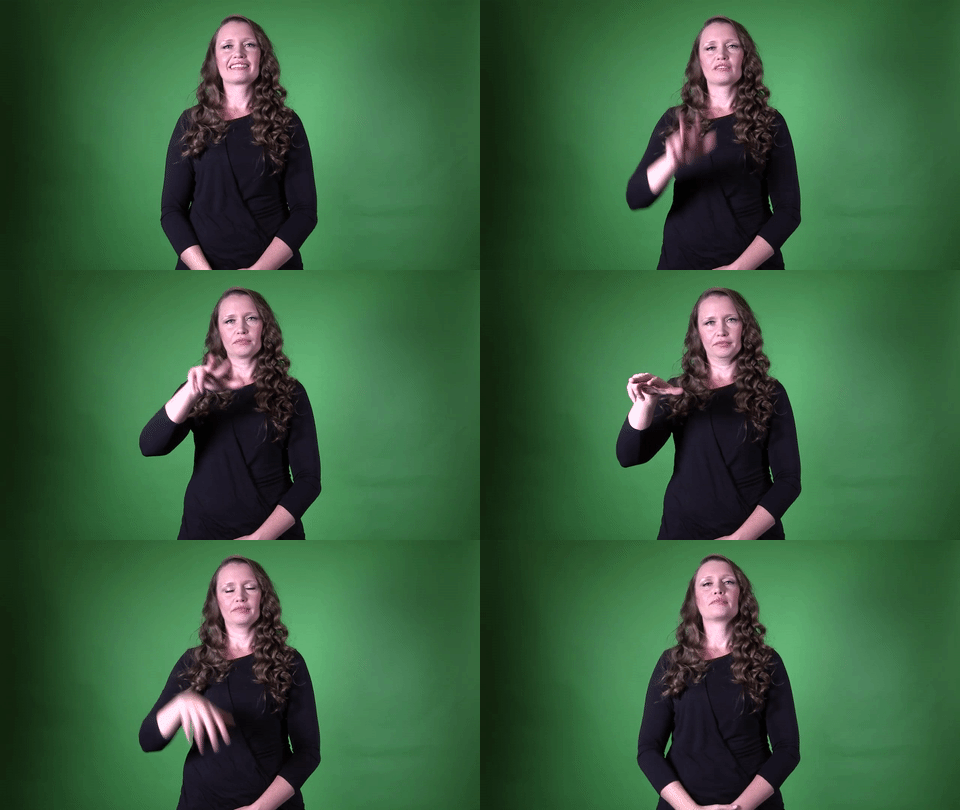
Sign for THE NUMBER 33 in ASL 

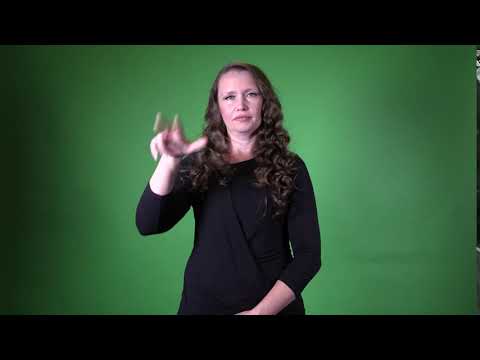
YouTube player

Practice Activities:

Begin by practicing the sign for the number 33 in ASL by signing it repeatedly with both hands. Focus on the movement and ensure both hands maintain the correct palm orientation. Slowly increase speed while maintaining accuracy.

Test yourself by signing numbers 30 through 35 in sequence. This will help reinforce the transition between similar numbers. You can also mix random numbers between 20 and 40, signing them in different orders to become comfortable recognizing and signing them quickly.

Use the sign for the number 33 in ASL within a sentence. For example, sign “I have 33 books” or “My mom is 33 years old.” Practice fingerspelling a few words around the number to simulate real-life conversations. Try counting aloud in ASL, saying each number in your mind as you sign it.

Partner up with a friend and quiz each other by flashing different numbers on your fingers. Each person takes turns signing a number while the other identifies it. To make it more challenging, sign multiple numbers in a row, including the sign for the number 33 in ASL, and have your partner repeat them back in correct order.

Create a short story that includes the sign for the number 33 in ASL. It could be about counting objects, someone’s age, or a fun fact about something happening in 1933. Tell your story to a friend or record yourself to review your signing clarity and speed.

Play a scavenger hunt game by finding 33 objects in your home and counting them aloud using ASL number signs. This activity reinforces number recall and improves fluency. Adjust the pace to challenge yourself further.

Engaging in these activities will enhance your ability to recognize and comfortably use the sign for the number 33 in ASL in everyday conversation. Keep practicing, and soon it will feel natural!

Cultural Context:

The sign for the number 33 in ASL is a commonly used numerical sign in everyday conversations. Whether you’re discussing age, measurements, or math, knowing how to sign the number 33 in ASL is essential for clear communication. Understanding number signs in ASL helps improve fluency and comprehension in a variety of contexts.

In ASL, numbers play a significant role in expressing dates, quantities, and statistics. The sign for the number 33 in ASL follows a specific pattern that aligns with other repeated digits, making it easy to recognize. Learning number signs effectively enhances communication skills in both casual and formal ASL interactions.

The Deaf community frequently uses number signs to convey important information. The sign for the number 33 in ASL might come up when discussing sports scores, prices, or even addresses. Mastering ASL numbers ensures better accessibility and inclusivity in conversations.

In educational settings, students often practice number signs as part of their ASL learning journey. The sign for the number 33 in ASL is especially useful in math-related discussions and classroom activities. Teachers and interpreters use these number signs to facilitate understanding among Deaf and hard-of-hearing students.

The proper movement and handshape for the sign for the number 33 in ASL are crucial for accuracy. Signing numbers incorrectly can lead to miscommunication or confusion, highlighting the importance of precision. Watching native ASL signers can help improve fluency in number signs.

Cultural awareness plays a major role in using ASL effectively. The sign for the number 33 in ASL, like other numbers, follows specific rules that reflect ASL’s visual and spatial nature. Engaging with native signers and practicing regularly helps build confidence in using numbers naturally.

Many Deaf professionals and athletes rely on number signs during their daily routines. The sign for the number 33 in ASL might be used in team jerseys, rankings, or other numerical references. Understanding ASL numbers ensures smoother communication in workplace settings and social interactions.

Learning the sign for the number 33 in ASL is valuable for interpreters, teachers, and ASL learners of all levels. Regular practice ensures speed and accuracy when signing numbers in rapid conversations. Observing and practicing with fluent signers helps refine number-signing skills.

The history of ASL includes the development of a structured numbering system for clear expression. The sign for the number 33 in ASL, like other numbers, follows a distinct pattern for easy

Extended Definition:

The sign for the number 33 in ASL is a two-handed movement that repeats the number 3 twice. This sign falls under the category of cardinal numbers in American Sign Language and is essential for expressing quantities, prices, measurements, and more. Since 33 is a double-digit number, it follows a specific pattern used for repeated digits in ASL.

To produce the sign for the number 33 in ASL, hold up your dominant hand with the number 3 handshape. Bounce the hand slightly to the side and repeat the movement once more. The motion is fluid but distinct, ensuring clarity when communicating numbers.

Like other numbers in ASL, 33 relies on precise hand movements to differentiate it from similar signs. The key to signing it correctly is maintaining the handshape and controlling the bounce without exaggerated movement. Practicing in front of a mirror or with a fluent signer can help refine accuracy.

The sign for the number 33 in ASL is commonly used in everyday conversations, such as talking about age, scores, calculations, and addresses. It’s important to use consistent hand positioning and movement so the number is easily understood. Since ASL is a visual language, clear articulation of numbers is essential for effective communication.

When signing large numbers, including 33, hand dominance plays a significant role in proper form. Right-handed signers will typically use their right hand, while left-handed signers use their left. Correct positioning ensures natural flow when signing sequences of numbers.

The structure of the sign for the number 33 in ASL follows the same rule as other repeated digits like 22, 44, and 55. These numbers share a similar bouncing motion, making them easy to recognize in different contexts. Understanding these number patterns can improve fluency in ASL.

Numbers are an essential part of American Sign Language, used in both daily interactions and academic or professional settings. Mastering the sign for the number 33 in ASL helps in counting, measurements, statistics, and more. Consistency and clarity remain crucial when signing any number.

Learning ASL numbers, including 33, enhances communication skills and provides better accessibility for deaf and hard-of-hearing individuals. Practicing regularly with native signers or through videos can strengthen memorization and accuracy. Understanding number signs makes conversations smoother and more efficient.

Synonyms: thirty-three, number thirty-three, number 33, the number 33, the number thirty-three

Educational resources: Find related learning materials in our course bank!

Want more? Check out some of our popular learning activities on the homepage!

Need to look up a sign? Use our highly rated dictionary: https://aslinteractive.com/best-asl-dictionary/

Follow us on tiktok: https://www.tiktok.com/@aslinteractive. More social media links at the bottom of this page!

Long-tail Keywords: what is the sign for the number 33 in asl, how do you sign the number 33 in asl, learn how to sign the number 33 in american sign language

Categories: Numbers – Basics, Numbers 31-40, cardinal numbers

tags: Numbers 31-40, Numbers, Math, Educational, Language Learning

Parameters

*Handshape*:

The sign for the number 33 in ASL uses the handshape of the number 3 on one hand. The fingers are extended with the index and middle fingers separated from the thumb, while the ring and pinky fingers remain tucked. The movement involves bouncing the hand twice from a slightly higher position to a lower position. This movement helps clearly differentiate the sign for the number 33 in ASL from similar numbers.

*Palm Orientation*:

Your dominant hand is in the number three handshape (✌️ with an extra finger) with the palm facing outward. To correctly sign for the number 33 in ASL, the hand bounces slightly from one side to the other while maintaining the same shape and orientation. Ensure that the palm remains forward throughout the movement for clarity.

*Location*:

The sign for the number 33 in ASL is produced in the neutral space in front of the body, near chest level. Both hands use the number 3 handshape, with the palms facing downward. The dominant hand first bounces slightly to the side before the non-dominant hand mirrors the movement. This sign is typically executed with a controlled, rhythmic motion to clearly distinguish the repeated numeral.

*Movement*:

To produce the sign for the number 33 in ASL, form the number 3 handshape on your dominant hand, extending the index, middle, and thumb while keeping the ring and pinky fingers folded. Start by bouncing the hand once to the side, then repeat the motion. The movement is a slight repetition, ensuring each bounce maintains the same shape. Keep the palm facing outward, and use a controlled, deliberate motion for clarity.

*Non-Manual Signals*:

When signing the sign for the number 33 in ASL, maintain a neutral or slightly focused facial expression . The eyebrows remain relaxed as no grammatical markers require raising or lowering them. Keep the head steady or slightly nod to match a counting or listing context. If emphasizing quantity, slightly purse the lips or press them together. Eye gaze should follow the hands when needed but generally stays on the conversation partner.

*Prosody, Dominant/Non-Dominant Hand*:

The sign for the number 33 in ASL uses only the dominant hand. The hand is in the “3” handshape (index, middle finger, and thumb extended, ring and pinky tucked in). The palm faces down as the hand bounces twice from left to right at a slight downward angle. The motion is fluid, and the fingers remain extended throughout. The non-dominant hand is not used in this sign.

Tips for Beginners:

When learning the sign for the number 33 in ASL, focus on maintaining steady hand movements and clear positioning. The sign uses the number 3 handshape, which consists of the index, middle, and thumb extended while the ring and pinky fingers are folded down. The motion involves bouncing the number 3 handshape twice from a slightly higher position to a lower position, keeping the palm facing downward.

A common mistake beginners make when signing the number 33 in ASL is altering the handshape or spacing the fingers incorrectly. Ensure that the thumb remains distinctly extended alongside the index and middle fingers. Avoid rotating the hand or twisting the wrist, as this can create confusion with other number signs.

Hand consistency is key to making the sign for the number 33 in ASL easily readable. The two movements should be controlled and fluid—don’t rush or exaggerate the bounce too much. Practice in front of a mirror or record yourself to ensure both placements appear uniform.

Finger independence is important when signing multi-digit numbers like 33. If keeping the ring and pinky fingers down feels challenging, try practicing with a relaxed hand to increase finger strength. Stretching your fingers before signing can help with flexibility and precision.

Context matters when using the sign for the number 33 in ASL, especially when discussing addresses, phone numbers, or quantities. When signing in conversation, keep your hands visible and slightly above the waist for clarity. If fingerspelling is happening nearby, ensure the number sign is distinct to avoid misinterpretation.

Patience and repetition will help reinforce muscle memory. Watching fluent signers execute the number 33 can help refine movement and reinforce accurate technique. Over time, your hands will naturally adapt, making this number sign effortless to produce.

Connections to Other topics:

The sign for the number 33 in ASL is part of a broader numerical system in American Sign Language that follows a rhythmic movement for double-digit numbers. Numbers in ASL often follow specific movement patterns that differ slightly from spoken English counting conventions. Understanding numerical signs like the sign for the number 33 in ASL helps with larger numbers, addresses, phone numbers, and other important forms of communication involving quantities.

Numbers in ASL are also used in various classifier constructions, which are essential for describing objects, people, and actions. For example, three fingers extended can represent a group of three people walking or three objects arranged in a row. The movement of double-digit numbers like the sign for the number 33 in ASL introduces an element of repetition, which can be seen in other numerical signs such as 22, 44, and 55.

When using numbers in daily conversation, they often appear alongside time signs, measurements, and age indicators. For example, when stating an age, a signer might seamlessly transition from an age sign into the sign for the number 33 in ASL. This integration demonstrates how numbers are not isolated concepts but are blended into larger phrases to provide precise details.

ASL also incorporates numbers into time expressions such as 33 minutes or 33 years old. In some academic or statistical contexts, the sign for the number 33 in ASL may be embedded into data-related discussions. Recognizing how numerical repetition functions in ASL contributes to fluency and accuracy, as it ensures clear communication in important topics like time, measurement, and categorization.

Summary:

The sign for the number 33 in ASL is a two-handed movement that emphasizes repetition. The signer starts with the number three handshape, which consists of the index, middle, and thumb extended outward while the pinky and ring fingers remain tucked in. The dominant hand moves slightly to the side and bounces once while maintaining the same handshape, visually reinforcing the concept of double threes.

Number signs in ASL often involve movement to show repetition, and 33 follows this pattern. Unlike numbers 1-9, which are typically produced with a single hand, double-digit identical numbers like 22, 33, 44, and so on involve a bouncing motion. This conveys that two of the same digits are present without relying on speech or written symbols.

Handshape is crucial in correctly forming the sign for the number 33 in ASL. If the pinky or ring finger inadvertently extends, the meaning could be compromised. Accuracy in finger positioning is vital for clarity, especially when numbers are used in addresses, phone numbers, or financial transactions.

The motion of the sign for the number 33 in ASL ensures fluidity in communication. Since numbers are frequently used in daily interactions, the bouncing motion adds a rhythmic element to numerical expressions. This rhythm aligns with ASL’s preference for visual repetition, reinforcing concepts through movement.

Culturally, ASL users rely on number signs extensively in everyday life. The sign for the number 33 in ASL might emerge in conversations about dates, ages, prices, or sports scores. Since ASL is a spatial language, clear numerical representation avoids misunderstandings, particularly when numbers are crucial, such as exchanging contact information.

The broader linguistic aspect of signing numbers incorporates elements of both signed and gestural language. While spoken languages rely on vocal tonal variations for emphasis, ASL numbers like 33 emphasize movement for clarity. This highlights the visual-spatial nature of ASL, ensuring numbers maintain distinct identities.

In applied linguistics, the sign for the number 33 in ASL demonstrates how manual movement helps encode numerical concepts. Signers store and recall numbers based on motor memory, making repetition-based number signs more intuitive. This connection reinforces kinesthetic learning, benefiting both native and second-language ASL users.

The grammatical structure of ASL allows for number incorporation in various contexts. When the sign for the number 33 in ASL appears in a sentence, surrounding signs might adjust in space to maintain meaning. For example, a signer discussing ages vs. money vs. addresses modulates how numbers integrate into the sentence.

Numbers are deeply intertwined with Deaf culture, appearing in ASL name signs, sports jerseys in Deaf athletics, and event years tied to historical Deaf milestones. The sign for the number 33 in ASL could connect to significant dates, class graduation years, or organization founding dates known within the Deaf community.

The consistency of numerical signing is crucial in teaching ASL. Language instructors emphasize uniformity in number formation, ensuring students maintain correct handshapes and motion. The sign for the number 33 in ASL, in particular, requires careful attention to hand orientation and bounce to solidify accuracy.

Mathematical discussions in ASL also rely on precise numerical signs. When explaining arithmetic or statistical values, consistent number signs like the sign for the number 33 in ASL remove ambiguity. This ensures clarity when discussing formulas, functions, and percentages within educational settings.

Variations in regional and generational signing might slightly influence number formation, but 33 remains largely consistent. Some older signers might use a sharper bounce or slower motion, while younger users may produce a quicker sign. These variations are natural within any living language and enrich ASL’s dynamism.

In sports, the sign for the number 33 in ASL might reference a jersey number, a player’s score, or a game’s final tally. Numerical visibility is especially valuable in competitive settings where referees, players, and fans sign statistics instantly. The efficiency of ASL’s numerical system facilitates quick communication.

Students learning ASL numbers often develop fluency through repetition. Signing sequences like 22, 33, and 44 repeatedly builds muscle memory, making number signs second nature. Mastery of the sign for the number 33 in ASL is part of a broader learning process encompassing sequential number fluency.

ASL poetry and storytelling sometimes incorporate numbers creatively. The rhythmic nature of number signs like the sign for the number 33 in ASL allows for expressive embellishments in signed performances. Such artistic uses of numbers highlight ASL’s linguistic richness beyond utilitarian communication.

Digital conversations among ASL users, including video chats and social media sign clips, reinforce numerical sign consistency. The sign for the number 33 in ASL remains an essential sign in these digital exchanges, ensuring precise communication across virtual platforms. Accessible and uniform signing enhances digital conversations.

The sign for the number 33 in

Want more? Check out some of our popular learning activities!

ASL Interactive Resources

ASLInteractive YouTube Channel

Follow us on tiktok: @aslinteractive.com

Follow us on Instagram: aslinteractive

Facebook page: aslinteractive

Facebook group: aslinteractive

LInkedIn: ASL Interactive LLC

Twitter: @ASL_interactive

*Some information on this page is AI-generated. AI can make mistakes. Please check the information.

Sign for NUMBER 33 in ASL, Sign for THE NUMBER 33 in ASL 

Responses