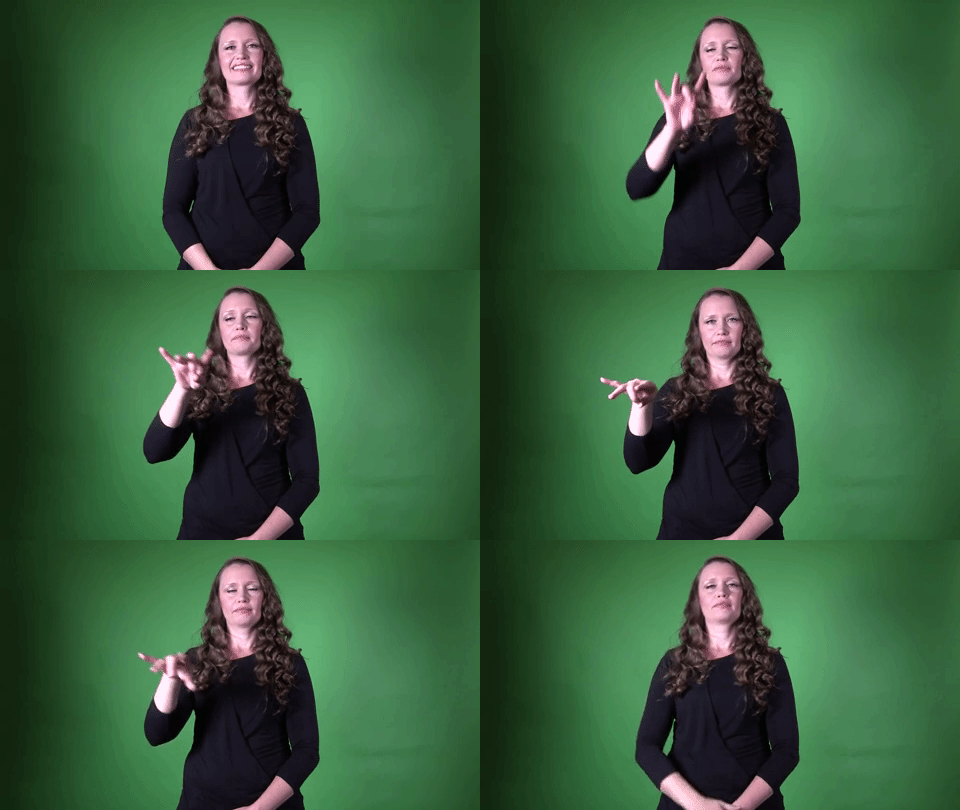
Sign for THE NUMBER 88 in ASL | 🔢 ASL Dictionary

Definition: Refers to the number eighty-eight

Sign for THE NUMBER 88 in ASL 

YouTube player

Practice Activities:

To practice the sign for the number 88 in ASL, begin by repeatedly forming the sign while saying the number aloud. Focus on the precise handshape and movement, ensuring each repetition is smooth and controlled. Try signing it slowly at first, then gradually increasing your speed while maintaining accuracy.

A great way to reinforce the sign for the number 88 in ASL is by using it in different number sequences. Count aloud from 80 to 90, carefully transitioning through each number. You can also mix in random numbers and challenge yourself or a partner to recognize and sign them correctly.

Practice signing 88 as part of real-world scenarios. For example, pretend you are discussing prices, a year, or an address that includes the number. An example sentence could be: “My grandmother was born in 88.” You can also incorporate it while talking about sports, such as a football player with the number 88 on their jersey.

Engage in a storytelling prompt that requires the use of the sign for the number 88 in ASL. Create a short story about an event that happened in 1988 or describe a fictional lottery ticket where the winning number is 88. Sign your story to a partner and have them answer comprehension questions.

For a fun practice game, play Sign Bingo with numbers. Create bingo cards with different numbers, including 88, and take turns signing numbers while others mark the correct spots. This helps reinforce number recognition and recall speed.

Finally, incorporate the sign into conversations naturally. If you are discussing history, addresses, or ages, find opportunities to use 88. Practicing in context will ensure you can recall and use the sign fluently in everyday conversations.

Cultural Context:

Understanding the sign for the number 88 in ASL is essential for anyone learning American Sign Language. Numbers play a crucial role in communication, from sharing personal information to discussing quantities. The number 88 follows a distinct pattern in ASL that makes it unique and recognizable.

In Deaf culture, fingerspelling and number signs are a key part of daily interactions. Whether discussing addresses, ages, or prices, knowing how to sign the number 88 in ASL ensures clear communication. Mastering number signs also helps improve fluency and confidence in signing.

The sign for the number 88 in ASL follows a bouncing movement, as many double-digit repeated numbers do. This distinct motion makes it easy to differentiate from other numbers. It’s important to practice the movement smoothly for clarity and accuracy.

ASL numbers are not just about handshape but also movement and expression. Signing the number 88 correctly requires attention to both finger positioning and motion. Small mistakes in movement can change the meaning, so practice is key to avoiding confusion.

Learning the sign for the number 88 in ASL is useful in a variety of settings. From talking about sports scores to referencing a birth year, the number 88 appears frequently in conversations. Knowing how to sign it accurately ensures effective communication in both casual and formal discussions.

Many deaf and hard-of-hearing communities rely on ASL numbers in everyday life. The sign for the number 88 in ASL contributes to efficient information exchange, especially in educational and professional settings. Understanding number signs strengthens overall ASL proficiency.

Using ASL numbers correctly shows respect for the language and culture. When signing the number 88 in ASL, precise hand placement and smooth motion demonstrate fluency. Developing a strong grasp of number signs enhances overall communication skills.

ASL is a complete language with its own grammar and structure, including numerical signs. The sign for the number 88 in ASL follows specific linguistic rules that must be learned through practice and repetition. Consistently signing numbers accurately helps build confidence in ASL conversations.

Numbers in ASL follow a logical pattern that learners can recognize over time. The sign for the number 88 in ASL fits into the broader category of double-digit movements. Familiarity with patterns in ASL numbers makes learning other numerical signs easier.

Developing fluency in ASL numbers allows for smoother and more natural communication. The sign for the number 88 in ASL is an important part of understanding numerical

Extended Definition:

The sign for the number 88 in ASL is a simple but distinct movement that represents the two-digit number. It is formed using both hands, with the number 8 handshape on each hand. The hands make a slight bouncing or repeating motion to clearly indicate the repetition of 8.

In American Sign Language, numbers play a vital role in communication, and the sign for the number 88 in ASL follows a pattern similar to other double-digit numbers. Since ASL is a visual language, the repetition of a single digit helps differentiate numbers from single-number signs. This prevents confusion and ensures clarity when signing numbers in conversations.

When signing the number 88, both hands typically remain in front of the body, with fingers clearly shaped into the 8 handshape. The motion is fluid, and it’s important to maintain proper hand positioning to ensure accuracy. Practicing this movement will help build confidence and clarity when using numbers in ASL.

Learning the sign for the number 88 in ASL is essential for various real-world situations. It can be used for addresses, phone numbers, scores, quantities, and more. Knowing how to sign numbers correctly enhances fluency and allows for smoother communication with other ASL users.

Numbers in ASL follow specific patterns, and the sign for the number 88 in ASL is part of the repeated-digit number group. This pattern is common for numbers like 33, 44, 55, 66, 77, 99, and others. Understanding these patterns makes it easier to grasp larger numerical concepts in ASL.

The proper execution of the sign for the number 88 in ASL requires attention to hand shapes and movement. Keeping fingers properly curved in the 8 handshape ensures clarity. Watching experienced signers or using ASL learning resources can help perfect the technique.

In ASL, numbers are frequently used in daily interactions, making it important to practice signing them correctly. Whether discussing ages, addresses, or measurements, using the right number sign ensures smooth communication. Recognizing and using the sign for the number 88 in ASL correctly will help improve overall signing skills.

Fingerspelling and number signing are fundamental aspects of American Sign Language. The sign for the number 88 in ASL follows the general rule of duplicated hand motions for double digits. This method maintains consistency in written and signed numerical concepts.

Practicing the sign for the number 88 in ASL regularly will help

Synonyms: eighty-eight, number eighty-eight, number 88, the number 88, the number eighty-eight

Educational resources: Find related learning materials in our course bank!

Want more? Check out some of our popular learning activities on the homepage!

Need to look up a sign? Use our highly rated dictionary: https://aslinteractive.com/best-asl-dictionary/

Follow us on tiktok: https://www.tiktok.com/@aslinteractive. More social media links at the bottom of this page!

Long-tail Keywords: what is the sign for the number 88 in ASL, how do you sign the number 88 in ASL, learn to sign the number 88 in American Sign Language

Categories: Numbers – Basics, Numbers 81-90, cardinal numbers

tags: Numbers, Numbers 81-90, Math, Language Learning, Educational Content

Parameters

*Handshape*:

The sign for the number 88 in ASL uses both hands in an “8” handshape. The fingertips of each hand face forward with the thumbs and middle fingers touching. The hands move slightly side to side in a bouncing motion. This movement distinguishes it from other number signs. The sign for the number 88 in ASL requires precision in handshape and motion to be clearly understood.

*Palm Orientation*:

The palm orientation for the sign for the number 88 in ASL faces forward, with both hands forming the number eight handshape (✋with the thumb and middle finger touching). The movement is a subtle bouncing motion to indicate repetition. The fingers stay curved, and the thumb remains in contact with the middle finger throughout the signing motion. Keeping the hands steady and properly oriented ensures clarity when signing the number.

*Location*:

The sign for the number 88 in ASL is produced in the neutral space in front of the body, typically at chest level. Both hands form the number eight handshape, where the tips of the thumb and middle finger touch while the other fingers extend. The hands move slightly side to side in a bouncing motion. This movement helps distinguish the sign for the number 88 in ASL from similar number signs.

*Movement*:

To make the sign for the number 88 in ASL, start with both hands in the “8” handshape, where the thumb and middle finger touch while the other fingers extend upward slightly. Hold the dominant hand in front of you, palm facing outward, then move it slightly to the side and repeat the motion in a bouncing manner. This movement helps differentiate the number from similar signs and ensures clarity when communicating.

*Non-Manual Signals*:

When producing the sign for the number 88 in ASL, keep your facial expression neutral or slightly focused. Your eyebrows should remain relaxed, as this is a straightforward number sign. If emphasizing or clarifying, a slight head nod can add emphasis. Maintain natural eye contact with the person receiving the sign. Keeping a steady and smooth movement will ensure clarity when conveying the sign for the number 88 in ASL.

*Prosody, Dominant/Non-Dominant Hand*:

The sign for the number 88 in ASL uses the dominant hand only. Form the number 8 with your dominant hand, keeping the thumb and middle finger touching, while the other fingers remain extended. Move the hand slightly to the side and repeat the motion, bouncing once to indicate the double eight. The non-dominant hand is not used in this sign. Keep the movement controlled to maintain clarity while signing the number.

Tips for Beginners:

When learning the sign for the number 88 in ASL, focus on maintaining clear and steady handshapes. This number is formed using the number 8 handshape on both hands, with the fingertips of each hand facing outward. The hands bounce slightly as they move side to side, ensuring a fluid motion while staying close to each other.

A common mistake beginners make when signing the number 88 in ASL is excessive movement or bouncing the hands too far apart. Keep the movement subtle and controlled to ensure clarity. Over-exaggerated motion may cause confusion with other number signs, so practicing in front of a mirror can help refine precision.

Finger positioning matters when forming the handshape for the sign for the number 88 in ASL. The number 8 requires the thumb and middle finger to touch while the remaining fingers stay extended. Beginners should ensure their fingers are not too curved or too flat to improve readability.

Hand placement is essential when signing numbers in ASL, and keeping both hands at the same level is especially important for double-digit numbers. If one hand is positioned higher or lower than the other, it could cause misinterpretation. Keeping the hands aligned and near shoulder height ensures crisp and understandable signing.

For better fluency, incorporate the sign for the number 88 in ASL into everyday practice sessions. Counting in ASL sequentially, including 88, can improve muscle memory. Filming yourself or signing with a partner can also enhance accuracy and confidence over time.

Watching native signers and practicing with online video resources can help reinforce proper technique. Observing how experienced signers execute the number 88 in ASL will provide valuable insight into maintaining rhythm and clarity. Be patient and consistent, as mastery comes with regular and mindful repetition.

Connections to Other topics:

The sign for the number 88 in ASL connects to numeral incorporation in American Sign Language, where specific number signs can modify other signs like age, time, and money. Numbers in ASL follow a structured pattern, and double-digit numbers, especially repeated digits like 88, use a slight bouncing or sliding motion. This motion is also found in other repeated-digit numbers like 77, 99, and 22, making them visually similar yet distinct.

The sign for the number 88 in ASL is essential for discussing prices, measurements, and statistics, which are common in daily communication. It becomes particularly useful in financial contexts such as stating “$88” or “88 people attended the event.” Numbers also play a critical role in structuring timelines, such as referring to the year 1988, showing how number signs integrate into broader conversations.

This sign is closely tied to cardinal and ordinal numbers, as knowing how to sign “88th” in a list requires modifying the basic number sign. It emphasizes the importance of dexterity and handshape fluency since maintaining the correct palm orientation is essential for clarity. The ease of recognizing double-digit numbers in ASL benefits from the repetitive motion, reinforcing patterns seen in other numerical signs and enhancing number fluency.

Understanding the sign for the number 88 in ASL also strengthens knowledge of patterns in sequential number signs. Similar bouncing motions appear in addresses, phone numbers, and other numerical expressions, reinforcing consistency in signing. Mastering this sign supports broader ASL comprehension, as numbers frequently appear alongside dates, rankings, and sports scores, making numerical accuracy a key communication skill.

Summary:

The sign for the number 88 in ASL follows the general pattern for two-digit identical numbers. It involves using both hands in a specific configuration to indicate the numeral. This number sign is categorized as part of the repeated movement number signs in ASL.

To sign for the number 88 in ASL, begin with your dominant hand in the “8” handshape. The palm faces forward or slightly outward, depending on the signer’s preference or regional variation. The hand bounces slightly from one position to another to emphasize the repetition inherent in the number.

The movement for the sign for the number 88 in ASL consists of a smooth, controlled bounce. The hand moves minimally, with only a small motion to indicate the repeated digit. This bouncing action connects the two eights into a single numerical concept.

Each digit in the number has equal emphasis, avoiding unnecessary exaggeration or movement. The rhythm of the motion is essential in maintaining clarity for the viewer. The palm orientation and handshape must remain consistent throughout the sign.

Numbers in ASL often incorporate movement to distinguish between single and repeated digits. The sign for the number 88 in ASL adheres to this principle, ensuring clear and quick communication. Proper execution prevents misunderstanding with similar-looking signs.

ASL number signs are highly systematic, with repetition often used for identical digits. The bounce in the sign for the number 88 in ASL aligns with conventions applied to numbers like 66, 77, 99, and others. These similarities help learners recognize patterns in ASL number signs.

Many high double-digit numbers follow the bouncing movement principle. However, a signer must practice maintaining control over this movement to avoid ambiguity. Proper use of space and repetition signal clarity in numerical expressions.

The sign for the number 88 in ASL is commonly used in financial, academic, and casual contexts. Because numbers appear frequently in everyday communication, mastering their form is essential for fluency. Numbers also bridge various applications such as dates, addresses, and ages.

Grammatically, the sign for the number 88 in ASL operates independently or within longer numerical expressions. Numbers in ASL are visually distinct from each other to prevent confusion. Placement in a sentence often determines whether it stands alone or modifies a larger numerical structure.

In some cases, a signer may use the sign for the number 88 in ASL within sequences such as naming years, sports statistics, or monetary values. Context helps determine the meaning of the number in a given sentence. Some handshape variations exist depending on signer articulation.

Regional differences in ASL sometimes alter the speed or slight angles of numerical signs. The fundamental shape and movement of the sign for the number 88 in ASL remain consistent across dialects. These adaptations help accommodate comfort and ergonomic ease.

ASL linguistics categorize numbers as part of classifiers, numeral incorporation, or stand-alone number signs. The sign for the number 88 in ASL exemplifies a simple case of two-digit repetition. This reinforces the visual nature of ASL as a spatial language.

The repetition of identical numbers in ASL relies on hand movements rather than spoken intonation. The ability to convey multiple numbers in short sequences reflects ASL’s efficiency. Signing numbers quickly and accurately demonstrates proficiency.

Some beginning signers struggle with maintaining equal movement while executing the sign for the number 88 in ASL. Proper hand placement and controlled bouncing help maintain fluidity without overemphasis. Practicing in front of a mirror or recording the motion can improve confidence.

Handshape accuracy is essential when signing numbers because small changes can alter meaning. A misformed “8” handshape can resemble other gestures or numbers. Ensuring correct finger contact and palm orientation prevents miscommunication.

The number 88 may hold significance in cultural references, including birth years, brand names, and historical events. When using the sign for the number 88 in ASL, understanding context ensures relevant application. Numerical literacy in ASL enhances both formal and casual discussions.

Some number signs incorporate additional features like tilting or shifting space. The sign for the number 88 in ASL remains focused solely on repetition and slight movement. Comparing this with other number formations helps recognize the logic behind ASL numbering conventions.

In social settings, number signs often appear in rapid succession. The sign for the number 88 in ASL might be paired with other numerical values or concepts. Recognizing number sequences quickly improves comprehension.

Understanding numerical classifiers helps with more advanced ASL applications. Numbers like the sign for the number 88 in ASL can be combined with monetary denominations, rankings, or age references. Expanding number sign fluency enhances overall communication skills.

In digital communication, ASL number signs translate directly to captions, descriptions, or numerical representation. However, an ASL user still benefits from knowing the physical sign. Practicing numbers in real-time conversations builds confidence in interactive settings.

Want more? Check out some of our popular learning activities!

ASL Interactive Resources

ASLInteractive YouTube Channel

Follow us on tiktok: @aslinteractive.com

Follow us on Instagram: aslinteractive

Facebook page: aslinteractive

Facebook group: aslinteractive

LInkedIn: ASL Interactive LLC

Twitter: @ASL_interactive

*Some information on this page is AI-generated. AI can make mistakes. Please check the information.

Sign for 88 in ASL, Sign for EIGHTY-EIGHT in ASL, Sign for NUMBER EIGHTY-EIGHT in ASL, Sign for THE NUMBER EIGHTY-EIGHT in ASL, Sign for THE NUMBER 88 in ASL 

Responses