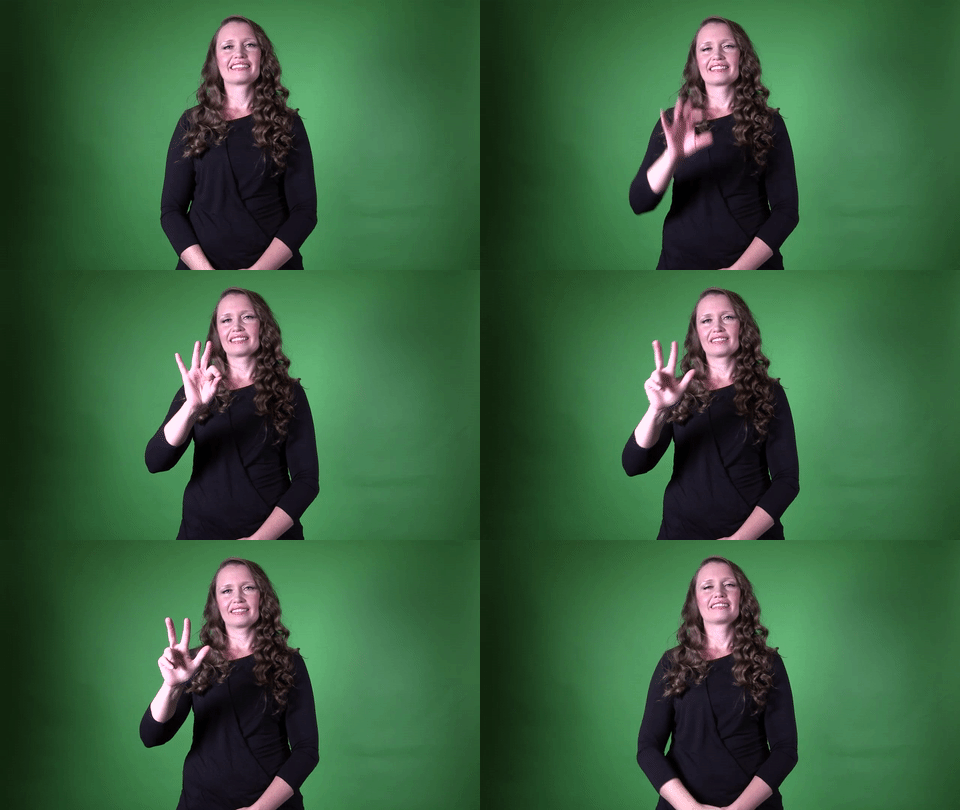
Definition: The number ninety-three
Sign for NINETY-THREE in ASL
Practice Activities:
Practicing the sign for ninety-three in ASL can be an engaging and effective way to build fluency with numbers. Start by signing ninety-three repeatedly in isolation, ensuring smooth transitions between the digits. Practice signing it in front of a mirror to check for accuracy and fluidity. Then, incorporate it into sequences by counting from ninety to ninety-five to strengthen recall.
Use the sign for ninety-three in ASL in real-world examples, such as discussing ages, prices, or quantities. For example, sign “My grandfather is ninety-three years old” or “This book costs ninety-three dollars.” Practicing contextual use helps reinforce meaning and makes it easier to recall in conversations.
Challenge yourself by creating math problems that require using the sign for ninety-three in ASL. For example, sign “What is ninety-three minus ten?” and then respond with the correct sign. You can also role-play a shopping scenario where one person asks how much an item costs, and the other responds with ninety-three as the price.
Engage in a storytelling activity that includes the sign for ninety-three in ASL. Make up a short narrative about someone who lived to be ninety-three or collected ninety-three of something. Telling a story with numbers improves fluency and comfort when signing higher values.
Practice with a partner by playing a number recognition game. Sign numbers between ninety and one hundred while your partner guesses them. Switch roles and try to identify the numbers they sign, ensuring accuracy with the sign for ninety-three in ASL. By incorporating these varied activities, you will develop confidence in recognizing and using the sign naturally.
Cultural Context:
The sign for ninety-three in ASL follows the standard number sign system in American Sign Language. Numbers play an important role in ASL communication, used frequently in daily interactions, storytelling, and math-related discussions. The sign for ninety-three in ASL is made using the dominant hand, incorporating numerical handshapes familiar to native signers.
Numbers in ASL have a cultural significance beyond just counting. The sign for ninety-three in ASL is not just about conveying a number but also about understanding ASL number structure. Numbers in ASL can change meaning slightly depending on context, such as ordinal versus cardinal numbers, ages, or addresses.
ASL numbers are commonly used in conversations about dates, prices, and times. The sign for ninety-three in ASL may be used when discussing historical events, years, or counting objects. Many native signers naturally adapt signing speed and clarity based on their audience, ensuring numbers are easily understood.
Within Deaf culture, numerical signs are essential for education, sports, and community events. The sign for ninety-three in ASL can appear in discussions about sports scores, classroom learning, or casual chats among friends. Clarity in signing numbers helps maintain smooth and effective communication.
Numbers in ASL have variations depending on region and fluency levels. The sign for ninety-three in ASL remains standard, but slight stylistic differences may occur among signers. Some number combinations in ASL can also have unique movements or palm orientations based on signing conventions.
The ASL number system reflects the visual nature of the language. The sign for ninety-three in ASL, like other numbers, relies on handshape and movement to convey meaning. Learning ASL numbers helps with overall fluency, making everyday communication more natural for both deaf and hearing signers.
Dexterity and muscle memory are important when learning ASL numbers. The sign for ninety-three in ASL is most effectively learned through repetition and real-life usage. Watching fluent ASL users sign numbers provides valuable insight into natural flow and technique.
In ASL storytelling and poetry, numbers often add structure and rhythm. The sign for ninety-three in ASL might be used in creative expressions or narratives that incorporate timelines or patterns. Numbers add an extra layer of meaning when skillfully woven into ASL storytelling.
Mastering numbers in ASL enhances a signer’s ability to engage in conversations effortlessly. The sign for ninety-three in ASL is part of a broader system that connects individuals in various aspects
Extended Definition:
The sign for ninety-three in ASL is a combination of hand movements that represent the individual numbers nine and three. American Sign Language follows a logical numerical pattern, making it easy to sign different numbers efficiently. Understanding how to form this sign correctly will help improve your ASL fluency.
To sign ninety-three in ASL, start by signing the number nine, which is made by touching the tip of the thumb to the tip of the index finger while keeping the other fingers extended. Then, smoothly transition into signing the number three by extending the index, middle, and thumb while curling the ring and pinky fingers into the palm. The movement between the two numbers should be fluid and natural.
Number signs in ASL follow a structured system, which makes learning them straightforward. The sign for ninety-three in ASL is part of the general counting sequence used in everyday communication. Understanding how to sign numbers correctly is essential for discussing dates, ages, prices, and many other concepts in ASL.
Context plays a crucial role when using number signs in conversations with deaf or hard-of-hearing individuals. The placement, movement, and palm orientation help differentiate similar-looking numbers. Practicing proper handshape and transition will ensure your sign is clear and easily understood.
ASL uses a one-handed number system for most numerical signs, making it efficient for signing numbers quickly. The sign for ninety-three in ASL follows this pattern, allowing for seamless communication. Mastering the proper way to sign numbers will enhance your ability to express numerical values accurately.
When signing ninety-three in ASL, maintain clear handshapes and a steady rhythm between the digits. Small variations in movement or finger positioning can change the meaning of a sign. Practicing in front of a mirror or with an ASL learning partner will help reinforce accuracy.
Numbers are essential in everyday ASL interactions, from discussing time and money to giving addresses or phone numbers. The sign for ninety-three in ASL is just one of many numbers you can quickly integrate into your signing. Developing confidence in signing numbers will make ASL communication smoother and more effective.
Fluency in ASL numbers comes with practice and repetition. Watching native signers use the sign for ninety-three in ASL will help reinforce correct form and movement. Engaging in conversations with the Deaf community will provide valuable feedback and improvement opportunities.
Learning the sign for ninety-three in ASL also helps improve number recognition and usage in different contexts. Whether signing addresses,
Synonyms: ninety-three, number ninety-three, number 93, the number 93, the number ninety-three
Educational resources: Find related learning materials in our course bank!
Want more? Check out some of our popular learning activities on the homepage!
Need to look up a sign? Use our highly rated dictionary: https://aslinteractive.com/best-asl-dictionary/
Follow us on tiktok: https://www.tiktok.com/@aslinteractive. More social media links at the bottom of this page!
Long-tail Keywords: what is the sign for ninety-three in ASL, how do you sign ninety-three in ASL, ASL sign for ninety-three
Categories: Numbers – Basics, Numbers 91-100, cardinal numbers
tags: Numbers, Numbers 91-100, Math, Language Learning, Educational Content
Parameters
*Handshape*:
The sign for NINETY-THREE in ASL uses two different handshapes to represent the numbers nine and three. Start with the dominant hand in the “9” handshape—an open “O” with the thumb and index finger touching. Transition into the “3” handshape by extending the thumb, index, and middle fingers while curling the ring and pinky fingers. This movement visually expresses the number and follows ASL numerical conventions.
*Palm Orientation*:
The palm orientation for the sign for ninety-three in ASL starts with the dominant hand facing outward. The handshape transitions from a nine to a three, maintaining outward orientation throughout the movement. The fingers stay clearly visible to the viewer, ensuring clarity in communication. This sign follows the pattern of ASL number signs, keeping the hand open and fluid when shifting between numerals. Proper palm orientation helps distinguish similar numbers easily.
*Location*:
The sign for ninety-three in ASL is produced in the neutral space in front of the body at chest level. The dominant hand moves as it transitions between the numbers nine and three, using the American Sign Language number system. The hand remains in a comfortable position with the palm facing forward. This location allows for clear visibility and easy execution of the number sign while maintaining fluid movement.
*Movement*:
To make the sign for ninety-three in ASL, begin with the number nine handshape, where the thumb and index finger form a circle while the remaining fingers extend upward. Transition smoothly into the number three handshape by opening the index and middle fingers while the thumb stays extended, touching the pinky and ring fingers. This movement should be fluid, maintaining a clear shift between the two number configurations. Keep your palm facing forward throughout the sign.
*Non-Manual Signals*:
When signing the sign for ninety-three in ASL, maintain a neutral or slightly focused facial expression. If emphasizing the number for clarity, slightly raise your eyebrows and tilt your head forward. Your mouth might naturally form the number as you sign, reinforcing meaning. If conveying surprise or importance, widen your eyes slightly. Context determines the exact facial expressions, ensuring the sign for ninety-three in ASL is clear and accurately received.
*Prosody, Dominant/Non-Dominant Hand*:
The sign for NINETY-THREE in ASL uses the dominant hand, starting in the number 9 handshape with the thumb and index finger touching. The hand transitions smoothly into the number 3 handshape by extending the index, middle, and thumb while the ring and pinky fingers curl inward. The movement is fluid and slightly shaking as the numbers change. The non-dominant hand is not used in this sign.
Tips for Beginners:
When learning the sign for ninety-three in ASL, start by ensuring you have a strong foundation in ASL number signs. This sign combines elements of the number ninety and the number three in a fluid motion. To execute it correctly, begin with the number nine handshape and smoothly transition into the number three without hesitation.
A common mistake beginners make with the sign for ninety-three in ASL is unclear or sluggish hand transitions. The switch between numbers should be fluid but distinct so that clarity is maintained. Keep your palm facing outward and make sure the numbers are properly formed to prevent confusion with similar signs like ninety-four or ninety-two.
Hand positioning and finger flexibility play a crucial role in mastering the sign for ninety-three in ASL. Practicing frequently in front of a mirror can help increase confidence and accuracy. If necessary, warm up your fingers before signing to avoid stiffness, especially if you’re new to ASL number signs. Watching proficient signers and mimicking their techniques will also help improve fluency.
To reinforce memory, try incorporating the sign for ninety-three in ASL into daily practice. Count objects, fingerspell short words in between numbers, or challenge yourself by signing different random numbers in sequence. Associating numbers with real-world situations, like prices or addresses, will enhance retention.
Consistency is key when signing large numbers like ninety-three. Avoid second-guessing yourself and sign confidently. If you’re ever unsure, slow down slightly but maintain smooth transitions. Over time, your hand’s muscle memory will strengthen, making it easier to produce numbers without hesitation.
Connections to Other topics:
The sign for ninety-three in ASL is part of the broader system of numbers in American Sign Language, which uses a consistent pattern to represent multiples of ten and single digits. Numbers in ASL follow a structured pattern, making it easier to recognize and produce them efficiently. The movement and shape of the hand in the sign for ninety-three in ASL align with how other numbers in the ninety series are signed, reinforcing consistency in numerical concepts.
The structure of the sign for ninety-three in ASL is similar to other two-digit numbers that combine a base number with a secondary digit. Understanding these patterns can help with larger numbers and financial concepts like prices, dates, and measurements. When discussing ages or counting in sequence, knowledge of number signs becomes crucial for clear and effective communication.
Numbers like ninety-three frequently appear in contexts such as sports scores, addresses, and years. Recognizing how to smoothly transition between numbers in ASL is vital for fluency, especially in rapid conversations where numerical accuracy matters. Many signs for numbers above twenty incorporate movement or handshape changes, helping differentiate similar-looking numbers.
When learning the sign for ninety-three in ASL, it’s helpful to practice alongside related numbers, such as ninety-four and ninety-two, to see the similarities and differences. When combined with time-related concepts, such as years or statistics, these numbers are essential for discussing historical events or data analysis in ASL. Mastery of numerical signs also connects with classifiers, which are used in ASL to demonstrate amounts, rankings, and sizes, further illustrating how numbers integrate with broader ASL grammar and structure.
Summary:
The sign for ninety-three in ASL follows a structured numerical pattern. It combines elements of the handshape for ninety and the handshape for three in a fluid motion. ASL numbers in the ninety series use the “9” handshape, and transitioning to “3” maintains clarity and visual distinction.
The sign for ninety-three in ASL starts with the dominant hand forming the “9” handshape, touching the thumb and index finger together while the other three fingers remain extended. This initial positioning ensures clarity in numerical signing. Then, the hand transitions into the “3” handshape by extending the thumb, index, and middle fingers while retracting the ring and pinky fingers.
Proper palm orientation is important when signing ninety-three in ASL. Typically, the palm faces outward, ensuring that the numerical sign remains distinct and easily understood. The movement between numbers should be fluid but deliberate, maintaining accuracy in representation.
ASL uses a systematic approach to signing numbers, making the sign for ninety-three in ASL consistent with other two-digit numbers. The transition from one digit to another follows an established pattern, promoting comprehension. Facial expressions generally remain neutral unless additional emphasis or emotion is needed.
Numbers play a vital role in communication, making numerical accuracy essential for clear signing. The sign for ninety-three in ASL demonstrates consistency in numerical patterns and logical progression. Learning ASL numbers strengthens overall fluency and reinforces foundational aspects of number representation.
Grammatically, the sign for ninety-three in ASL functions similarly to spoken numbers in English. It can be used in counting, listing, or describing quantities. Context determines whether it represents an age, price, time, or another numerical concept.
In applied linguistics, the study of numerical signs like ninety-three in ASL reveals valuable insights into how different languages manage numerical representation. ASL employs a visual-spatial modality, making signed numbers rely on handshape consistency and smooth transitions. Comparing ASL numbers to numerical systems in other signed languages shows fascinating variations.
Number signs in ASL also provide insights into language acquisition and cognitive processing. Learning numerical signs like ninety-three in ASL strengthens visual-motor coordination. Studies indicate that visual languages engage the brain differently from spoken languages, enriching linguistic research.
Cultural aspects influence number signs, making the sign for ninety-three in ASL significant beyond mathematics. ASL users often incorporate numerical signs in storytelling, education, and daily life. Understanding number signs enables effective interaction in the Deaf community.
Numbers play a crucial role in historical contexts, making the sign for ninety-three in ASL relevant in discussions of historical dates and events. Whether referencing birth years, anniversaries, or other milestones, knowing numbers in ASL supports richer storytelling. Historical figures in Deaf culture used signed numbers in educational advancements.
The sign for ninety-three in ASL shares visual similarities with other signs in the ninety series. Recognizing the pattern in numerical signs improves comprehension. This consistency supports learners in mastering larger numerical concepts with ease.
ASL number signs often differ slightly depending on regional variations. While the sign for ninety-three in ASL follows a standard form, some Deaf communities may exhibit small stylistic differences. Exposure to diverse signing styles enhances overall fluency and adaptability.
In educational settings, teaching the sign for ninety-three in ASL helps students acquire numerical literacy in ASL. ASL numbers are essential in academic subjects like math, science, and finance. Mastery of ASL numbers supports effective teaching and learning experiences.
Learning to sign numbers enhances communication across various professions. Interpreters, educators, and healthcare workers benefit from fluency in ASL numbers, including the sign for ninety-three in ASL. Accurate number usage bridges language gaps in professional environments.
Technology influences ASL number representation, with digital platforms supporting sign language accessibility. Sign language apps and online resources include visual demonstrations of the sign for ninety-three in ASL. These tools assist learners in acquiring and refining their signing skills.
Practicing numerical signs in community settings strengthens engagement with native ASL users. Using the sign for ninety-three in ASL in real-world conversations fosters confidence and fluency development. Interacting with the Deaf community offers valuable opportunities for language immersion.
Numbers hold symbolic meanings in various cultures. The sign for ninety-three in ASL may appear in contexts related to luck, historical references, or personal significance. Understanding numerical symbolism enriches cross-cultural communication.
Memorization techniques aid in mastering ASL numbers. Repetition, visual association, and practice help learners retain the sign for ninety-three in ASL. Breaking down numbers systematically improves recall and proficiency.
ASL provides a visual and expressive form of communication, making numerical signs essential. The sign for ninety-three in ASL exemplifies the structured nature of ASL numbering. Acquiring ASL numbers facilitates efficient and expressive communication.
Incorporating ASL numbers in everyday use supports language retention. Whether discussing prices, addresses, or
Want more? Check out some of our popular learning activities!
ASL Interactive Resources
ASLInteractive YouTube Channel
Follow us on tiktok: @aslinteractive.com
Follow us on Instagram: aslinteractive
Facebook page: aslinteractive
Facebook group: aslinteractive
LInkedIn: ASL Interactive LLC
Twitter: @ASL_interactive
*Some information on this page is AI-generated. AI can make mistakes. Please check the information.


Responses