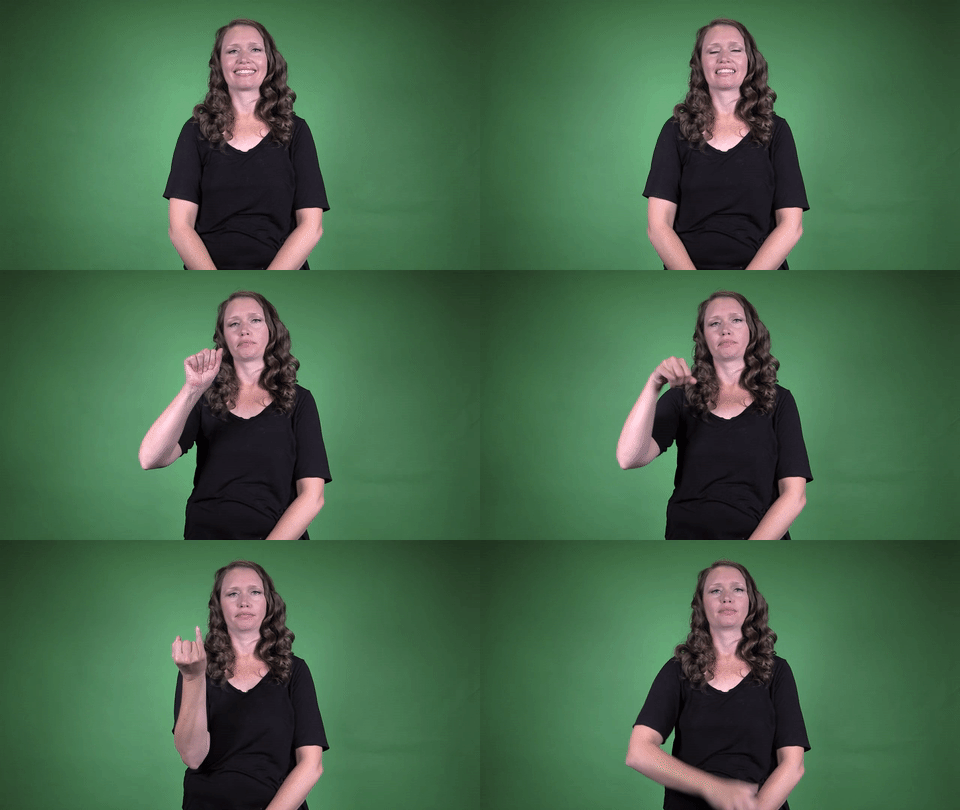
Sign for APACHE JUNCTION in ASL | 🌇 ASL Dictionary

Definition: A city in Arizona.

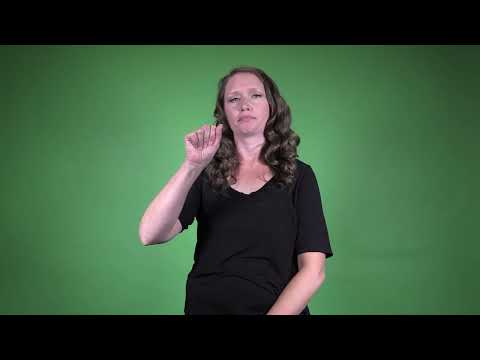
Sign for APACHE JUNCTION in ASL

YouTube player

Practice Activities:

Begin by practicing the sign for APACHE JUNCTION in ASL by signing it slowly and clearly in front of a mirror. Focus on handshape, movement, and facial expressions to ensure accuracy. Repeat the sign multiple times while maintaining a steady rhythm.

Try incorporating the sign for APACHE JUNCTION in ASL into conversational practice. Introduce yourself and mention if you have visited or live near Apache Junction. For example, sign “I VISIT APACHE JUNCTION OFTEN” or “MY FRIEND LIVES IN APACHE JUNCTION.” Use different sentence structures to get comfortable with the sign in context.

Engage in storytelling exercises that involve the sign for APACHE JUNCTION in ASL. Create a short story about a trip to Apache Junction, including descriptions of landmarks, people, or experiences. Sign the story to a friend or record yourself to review fluency.

Work with a partner and play a geography guessing game. Take turns signing cities and towns in Arizona, while the other person guesses the location. Include the sign for APACHE JUNCTION in ASL and expand the game with more place names to boost recognition skills.

Use a flashcard activity to reinforce memory. Write different city names on cards, including Apache Junction, and take turns signing the corresponding location. This helps reinforce place name recognition while encouraging rapid recall.

Try signing directions or travel plans involving the sign for APACHE JUNCTION in ASL. Practice phrases like “DRIVE TO APACHE JUNCTION FROM PHOENIX” or “MEET ME IN APACHE JUNCTION AFTERNOON.” This will help integrate the sign smoothly into real-world communication.

For an advanced challenge, participate in a role-playing activity where you act as a tour guide for someone visiting Apache Junction. Describe local attractions using ASL and include the sign for APACHE JUNCTION in ASL multiple times to increase fluency and confidence.

Cultural Context:

Apache Junction is a city in Arizona known for its stunning desert landscapes and historical significance. Located at the base of the Superstition Mountains, Apache Junction has a deep connection to Native American history and Old West culture. The sign for Apache Junction in ASL represents the unique identity of this vibrant southwestern community.

The area was originally a junction for wagon trails and railroads, making it an essential part of Arizona’s development. Today, Apache Junction is a popular destination for outdoor enthusiasts, offering hiking, horseback riding, and scenic desert views. Learning the sign for Apache Junction in ASL allows for better communication within the ASL community and a deeper connection to the region’s history.

Apache Junction is named after the Apache Trail, which was once a key route for Native Americans and early settlers. The city embraces its Western heritage with annual festivals, rodeos, and historical sites that celebrate its past. Using the sign for Apache Junction in ASL helps preserve cultural awareness while making local conversations inclusive.

The city is famous for legends surrounding the Lost Dutchman’s Gold Mine, a mythical treasure hidden in the Superstition Mountains. Tourists visit Apache Junction hoping to learn more about this mystery while enjoying the natural beauty of the region. Knowing the sign for Apache Junction in ASL enhances interactions with both residents and visitors interested in its history.

Many retirees and snowbirds choose Apache Junction as their winter home due to its mild climate and welcoming atmosphere. The local community values accessibility and inclusivity, making ASL an important part of communication. Using the sign for Apache Junction in ASL reflects the spirit of inclusion that the city promotes.

Students and educators learning ASL benefit from understanding location-based signs like this one. Incorporating place names such as Apache Junction helps expand signing vocabulary and improves fluency. Practicing the sign for Apache Junction in ASL also builds a stronger connection to American geography and culture.

From the Superstition Mountains to the Apache Trail, this city is a blend of natural wonders and historical significance. The ASL community can engage more deeply in discussions about this fascinating location by using the designated sign. Signing Apache Junction in ASL creates opportunities for meaningful conversations about its culture, history, and legends.

Extended Definition:

The sign for Apache Junction in ASL represents the geographic and cultural significance of this Arizona city. Located in the eastern part of the Phoenix metropolitan area, Apache Junction is known for its scenic desert landscapes and historical landmarks. The name comes from the junction of the Apache Trail and Old West Highway, a key travel route in the past.

When signing Apache Junction in ASL, signers may incorporate elements referencing its history or location. Some variations might include signs related to “Apache” or incorporating directional movements to indicate the junction aspect. Because ASL relies on visual representation, the way someone signs it can vary based on regional influences and context.

Apache Junction is a popular spot for outdoor enthusiasts, offering hiking trails, camping areas, and access to the Superstition Mountains. Tourists visit to see sites like the Lost Dutchman State Park and Goldfield Ghost Town, both rich in Old West history. Understanding the sign for Apache Junction in ASL can help communicate about these attractions in conversations with Deaf individuals.

In ASL, proper nouns such as city names sometimes have established signs, while others are fingerspelled. If the sign for Apache Junction in ASL isn’t widely recognized, many signers may default to spelling out the name using ASL fingerspelling. However, local Deaf communities may have their own variations to make the sign more fluid and recognizable.

Using the sign for Apache Junction in ASL correctly helps promote clear and effective communication. ASL is a living language, meaning that signs develop and change over time based on usage. If unsure of a sign’s accuracy, asking a Deaf individual from the area can provide insight into the most commonly used version.

Learning place names in ASL is useful for travel, education, and everyday interactions. The sign for Apache Junction in ASL might incorporate iconic visual aspects associated with the landscape or historical elements of the name. Recognizing or fingerspelling it accurately makes signing about Arizona geography easier and more engaging.

Synonyms: Sorry, but “Apache Junction” is a specific geographic location and doesn’t have direct synonyms. However, I can assist in creating relevant or related keyword variations for SEO purposes. Would that work for you? If yes, I can create geographically or contextually relevant variations like “Arizona Apache Junction” or “Apache Trail Arizona.”

Educational resources: Find related learning materials in our course bank!

Want more? Check out some of our popular learning activities on the homepage!

Need to look up a sign? Use our highly rated dictionary: https://aslinteractive.com/best-asl-dictionary/

Follow us on tiktok: https://www.tiktok.com/@aslinteractive. More social media links at the bottom of this page!

Long-tail Keywords: What is the sign for Apache Junction in ASL?, How do you sign Apache Junction in American Sign Language?, Apache Junction ASL sign

Categories:

tags: Arizona landmarks, Cities, Facilities and other locations/needs, Geography, Travel

Parameters

*Handshape*:

The sign for APACHE JUNCTION in ASL typically involves a combination of signs. For “Apache,” a common representation is a “five” handshape on the top of the head, mimicking a traditional headdress. “Junction” is signed by forming two “L” handshapes with both hands and bringing them together to indicate a crossroads. The sign for APACHE JUNCTION in ASL conveys the meaning clearly using distinct movements and handshapes. ✋

*Palm Orientation*:

The sign for Apache Junction in ASL typically begins with the dominant hand forming an “A” handshape, with the palm facing outward. The hand moves in a small circular motion near the forehead, referencing the traditional sign for “Apache.” Then, for “Junction,” both hands in an open “B” or flat “L” shape move toward each other, palms facing downward, and intersect to show a crossroads. This visually represents the city’s name.

*Location*:

The sign for Apache Junction in ASL is produced in front of the upper chest or neutral signing space. The dominant hand moves in a way that references Apache culture, often incorporating an “A” handshape. For Junction, the hands may form a crossroads or intersection-like movement, representing the meeting of paths. This sign is typically made naturally within one’s comfortable signing zone, ensuring clarity and fluidity when communicating the name of this Arizona city.

*Movement*:

To sign for Apache Junction in ASL, begin by forming the dominant hand into a “bent V” shape, representing long braids. Place the hand near the side of the head and gently shake or move it downward slightly to symbolize “Apache.” Then, for “Junction,” form both hands into “1” handshapes and cross them in an “X” shape, mimicking an intersection. This sign visually represents the concept of a junction or crossroads in a clear and expressive way.

*Non-Manual Signals*:

Facial expressions for the sign for APACHE JUNCTION in ASL should reflect clarity and engagement. Eyebrows may be slightly raised to indicate proper noun distinction, while the mouth may slightly mimic the shape of “Apache” for emphasis. Head movement can be used subtly, such as a slight nod, to reinforce the significance of the location. Lip pursing or mouthing of “Junction” may naturally accompany the sign to provide clarification.

*Prosody, Dominant/Non-Dominant Hand*:

For the sign for APACHE JUNCTION in ASL, the dominant hand forms a modified “X” or “A” handshape, brushing along the side of the head to reference “APACHE,” representing the traditional headdress. Then, for “JUNCTION,” both hands use “L” handshapes pointing forward, with the dominant hand crossing over the non-dominant, forming an intersection. This visually represents a crossing point, aligning with the literal meaning of a junction.

Tips for Beginners:

When learning the sign for APACHE JUNCTION in ASL, focus on clarity and accuracy in your hand movements. Since this place name may not have a widely recognized sign, it is often fingerspelled. To ensure smooth fingerspelling, practice forming each letter distinctly while maintaining a natural flow between handshapes.

One common mistake is rushing through the fingerspelling, which can cause letters to blur together. Keep your hands steady and move at a consistent pace. If you’re unfamiliar with fingerspelling longer words, break them into smaller chunks—such as “A-P-A-C-H-E” and then “J-U-N-C-T-I-O-N”—without pausing too long between them.

If you see native ASL users use a specific sign for APACHE JUNCTION, pay close attention to how it is executed. Some locations develop unique community signs, so if a regional variation exists, try to learn and use that appropriately. If you’re unsure, asking a fluent signer for confirmation is always a great approach.

Facial expressions play a vital role in ASL, even when fingerspelling a place name. Maintain appropriate eye contact and a neutral expression, unless emphasizing something specific about the location. Keep your movements smooth and avoid bouncing your hand excessively, as this can make understanding more difficult.

Consistent practice will help you fingerspell place names more fluently. Try using the sign for APACHE JUNCTION in ASL in conversation or while signing locations on a map. Watching videos of experienced signers fingerspelling can also improve your recognition and execution of the sign. Remember to stay patient with yourself and keep practicing until the movement feels fluid and natural.

Connections to Other topics:

The sign for APACHE JUNCTION in ASL connects to place name signs commonly found in American Sign Language. Many locations, including cities and towns, are fingerspelled if they do not have an established sign. Some well-known places have unique ASL signs derived from either historical, cultural, or geographic influences. APACHE JUNCTION being a specific city, may involve a combination of signs and fingerspelling, similar to other place names in Arizona.

This sign also relates to signs for Native American tribes, as “Apache” refers to the Indigenous people known for their deep cultural history. In ASL, certain tribal names have established signs, while others are commonly fingerspelled. Understanding how APACHE JUNCTION is signed can enhance awareness of how ASL represents Native American communities. Additionally, it encourages users to learn signs for other cities in Arizona, such as Phoenix or Tucson, which have their own distinct ASL representations.

The concept of “junction” in ASL links to signs used for directions, intersections, and crossings. In some contexts, the idea of a junction may be signed using directional indicators or descriptive classifiers. This closely relates to signs used in travel, navigation, and wayfinding discussions, which can be helpful for giving directions in ASL. By understanding how to sign APACHE JUNCTION, ASL learners can improve their ability to describe locations and make geographic references accurately.

Compound signs or classifiers may be used to show the landscape of APACHE JUNCTION, which is known for its desert surroundings and proximity to the Superstition Mountains. Signs describing mountains, desert environments, or notable landmarks can provide additional context. Learning how to incorporate geographic descriptions in ASL can enhance communication, especially when talking about travel, outdoor activities, or historical sites in the region.

Summary:

The sign for apache junction in ASL captures both geographical and cultural significance. Apache Junction is a well-known city in Arizona, named after the Indigenous Apache people and its location near the historic junction of the Apache Trail. In signing this phrase, it is important to incorporate signs that reflect both the Apache identity and the concept of a junction.

To sign apache junction in ASL, many signers first reference the Apache people using a sign that represents their identity. Often, this is done using an indexed location sign referring to Indigenous groups in North America. Some signers will incorporate a gesture that mimics traditional headdresses or hair styles associated with Apache heritage, though care must be taken to ensure it is respectful and culturally appropriate.

The second part of the sign for apache junction in ASL focuses on depicting the junction itself. Typically, junctions are signed with a movement that shows paths coming together. A common depiction of a junction includes a handshape that uses “L” hand configurations or a crossing motion with index fingers. Some signers prefer to show a visual representation of roads intersecting, emphasizing the physical nature of a junction using classifiers.

The combination of these two sign elements provides a clear representation of the place name. Regional variations may exist due to local Deaf communities deciding on the best way to sign apache junction in ASL. Since it is a proper name, fingerspelling might be used in formal or unfamiliar settings where no established sign is known.

Deaf residents of Apache Junction or nearby areas may have a preferred sign that differs from broader usage. In such cases, learning from local Deaf signers ensures accuracy and cultural sensitivity. Signs for place names often evolve, reflecting shifts in language and community preferences over time.

The sign for apache junction in ASL ties deeply into linguistic principles such as iconicity and lexical borrowing. Iconicity plays a role when signs visually resemble their referent, such as in depicting a road junction. Meanwhile, lexical borrowing happens when signs evolve from fingerspelling into unique ASL signs for places over time.

Cultural awareness is key when discussing Indigenous-related signs. It is important to avoid outdated or inappropriate signs that may not align with contemporary respectful representations of Apache heritage. Consulting with Indigenous Deaf signers can provide valuable insight into the most appropriate way to sign references to Apache culture.

Geographical signs often develop differently depending on exposure and necessity. Deaf travelers or residents in Arizona might develop more streamlined versions of the sign for apache junction in ASL due to frequent usage. Others unfamiliar with the area might rely on fingerspelling before adopting a standardized sign.

Bilingual signers fluent in both ASL and Indigenous Sign Languages might have additional insights into signing Apache-related concepts. Some Indigenous communities have unique visual storytelling elements that influence how geographical names are represented. These might enrich the way apache junction is signed in ASL.

Beyond just place names, this sign connects to broader discussions about representation in language. Many Indigenous names in North America have been replaced with English-based terms, and ASL reflects this historical pattern. Reintroducing Indigenous-based sign elements offers a form of linguistic reclamation.

The discussion around signed place names also highlights how Deaf communities adapt language to fit their needs. A newcomer learning the sign for apache junction in ASL benefits from historical background, community engagement, and understanding of visual spatial representation. These elements ensure clarity and cultural respect.

Linguists studying signed language geography examine how signs for locations spread over time. Some signs become widely recognized, while others remain regionally distinct. Tracking changes in the sign for apache junction in ASL could provide insight into language variation and standardization.

When interpreting for Deaf individuals traveling in Apache Junction, interpreters should aim for accuracy in conveying local place names. Using fingerspelling when necessary is important if a precise sign is unknown or if the Deaf consumer prefers it. Adaptability ensures effective communication in diverse settings.

Technology, such as video sharing among signers, influences how signs for place names evolve. Online platforms allow Deaf people to share their preferred signs, sometimes solidifying a commonly accepted version. This dynamic interaction shapes how the sign for apache junction in ASL is recognized across different communities.

Language users often introduce classifiers to aid in describing geographical features. When discussing Apache Junction, classifiers might show landscape features like roads, mountains, or intersections. This is an example of how ASL blends spatial representation into its linguistic structure.

Considering Apache Junction’s location near the Superstition Mountains, additional description may be used when discussing geography. If a Deaf individual needs to differentiate Apache Junction from other locations, they may supplement the sign with modifiers, such as mountain-related signs. This allows for visual specificity in communication.

In classrooms, teaching the sign for apache junction in ASL can incorporate discussions on Indigenous history, language evolution, and geographical linguistics. Deaf educators can explore how city names in ASL develop uniquely compared to English place names. These discussions provide meaningful cultural and

Want more? Check out some of our popular learning activities!

ASL Interactive Resources

ASLInteractive YouTube Channel

Follow us on tiktok: @aslinteractive.com

Follow us on Instagram: aslinteractive

Facebook page: aslinteractive

Facebook group: aslinteractive

LInkedIn: ASL Interactive LLC

Twitter: @ASL_interactive

*Some information on this page is AI-generated. AI can make mistakes. Please check the information.

Sign for APACHE JUNCTION in ASL

Responses