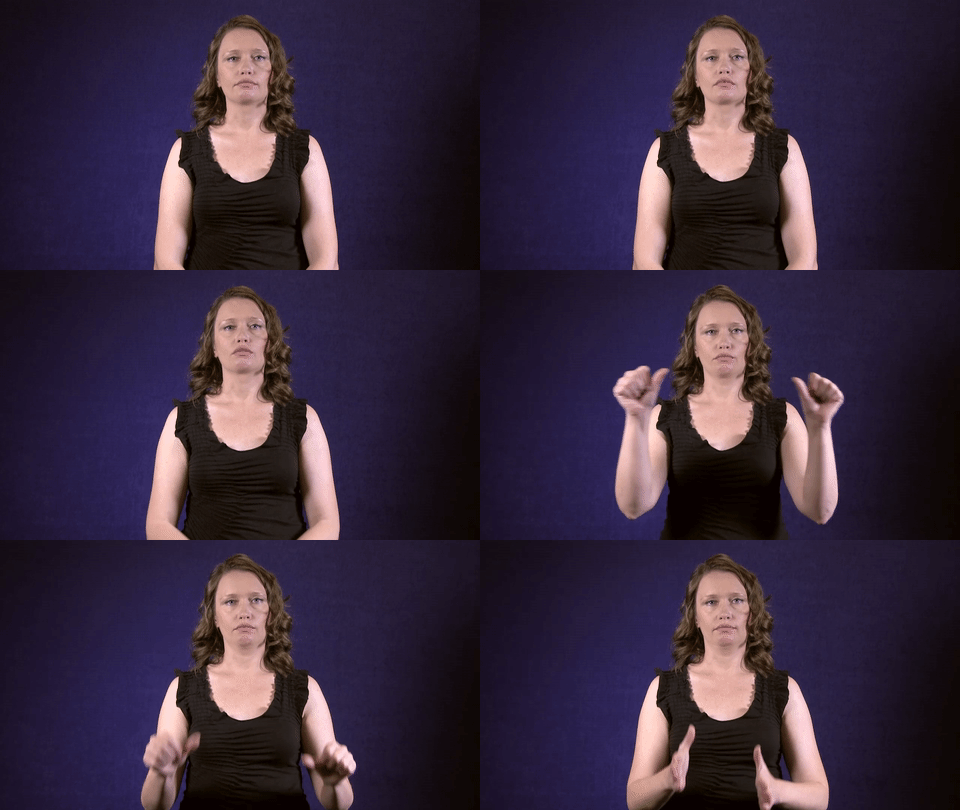
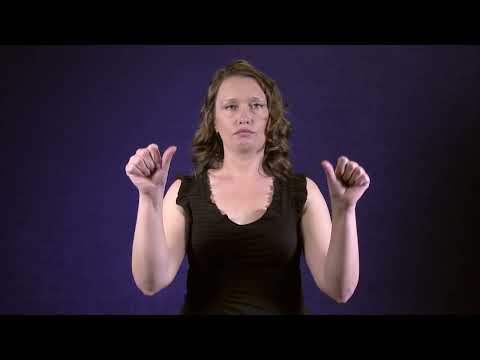
Definition: A person who designs buildings.
Sign for ARCHITECT in ASL

Practice Activities:
To practice the sign for architect in ASL, start by signing it repeatedly in front of a mirror to check handshape accuracy and movement. Slowly transition from signing in isolation to incorporating it into simple phrases like “I am an architect” or “My friend is an architect.” Practice fingerspelling the word first, then follow it with the sign to build fluency.
Use the sign for architect in ASL within different sentence structures. For example, describe a famous architect: “Frank Lloyd Wright was an architect.” Or ask a question: “Do you want to be an architect?” Creating variety helps reinforce the sign and improve comprehension.
Engage in storytelling exercises. Describe an imaginary architect designing a building, using ASL classifiers to illustrate the space and size of structures. Try role-playing an architect explaining their blueprint to a client using ASL. These activities help integrate the sign naturally into conversation.
Partner up with a study buddy and take turns acting out different professions. One person signs a career field, and the other guesses by responding with “architect” or another profession. Adding context-based guessing helps reinforce recall.
Watch ASL videos of professionals discussing careers and identify when the sign for architect in ASL appears. Pause and mimic the sign to improve receptive skills. This method also strengthens the ability to recognize and use the sign in real-world conversations.
Finally, incorporate the sign in daily life. If you see a unique building, sign “Architect built that!” or teach a family member the sign to reinforce memory. Using the sign in natural settings makes it a lasting part of your ASL vocabulary.
Cultural Context:
The sign for architect in ASL reflects the profession’s connection to design and structure. American sign language often incorporates visual elements that represent the meaning of a word, and this sign mirrors the movement of an architect creating blueprints or structures. Understanding ASL signs related to professions helps build vocabulary and supports better communication in educational and professional settings.
Architects play a vital role in designing buildings, homes, and public spaces, making their work essential to daily life. The sign for architect in ASL is useful when discussing careers, construction projects, or education related to architecture. Learning this ASL sign enhances conversations about creativity, structural design, and engineering.
In Deaf culture, accessibility in architecture is essential for ensuring inclusivity. Architects who understand ASL and the needs of the Deaf community can design more Deaf-friendly spaces. Using the sign for architect in ASL promotes awareness about the importance of designing spaces that accommodate visual communication.
Many Deaf and Hard-of-Hearing professionals work in architecture, bringing their unique perspectives to the field. The sign for architect in ASL allows for discussions about career opportunities, inclusive design, and the contributions of Deaf architects. Expanding ASL vocabulary in this area supports greater representation and inclusivity in professional spaces.
When learning the sign for architect in ASL, practicing its movement and handshape correctly improves fluency. Signing clearly helps ensure effective communication, especially in conversations about construction, blueprints, and design concepts. ASL signs related to professions like architect enrich language skills and foster meaningful discussions in STEM fields.
Extended Definition:
The sign for architect in ASL conveys the concept of designing and planning structures through a visual representation of the profession. This sign is closely related to the signs for building or house, incorporating handshapes that mimic the action of drawing or designing. Using clear and precise movements, it reflects the work that architects do in creating functional and aesthetic structures.
To sign architect in ASL, both hands typically form an “A” handshape, and they trace the outline of a building or structure. This movement symbolizes the drafting and design aspect of architecture. The sign may vary slightly depending on regional influences or personal signing styles, but it generally maintains the same foundational gesture.
Knowing how to sign architect in ASL can be useful in conversations about careers, construction, and design. It allows for more inclusive discussions within Deaf and hard-of-hearing communities, especially in professional or educational settings. Using the correct sign ensures clear communication when discussing architecture-related topics.
The sign for architect in ASL is one of many career-related signs that help individuals describe professions quickly and effectively. When discussing different job roles, it is helpful to combine this sign with related signs such as engineer, builder, or designer. This creates a more complete representation of the design and construction industry in sign language.
If you are learning ASL, practicing the sign for architect can improve fluency and reinforce understanding of occupational terms. Watching videos or working with an ASL instructor can help ensure accuracy in handshape and movement. Regular use in conversations will make the sign more natural and intuitive.
Architects play a critical role in shaping the built environment, and their contributions are reflected in the sign for architect in ASL. Whether discussing famous architects or architectural styles, using the correct sign enhances communication. Learning it also bridges the gap between Deaf and hearing communities in the field of architecture.
This sign captures the essence of architectural design by visually representing the profession. Since ASL is a highly expressive language, the use of space and movement in this sign gives it a dynamic and meaningful quality. Understanding these elements strengthens overall comprehension of ASL as a visual-gestural language.
By incorporating signs like architect into daily conversations, signing skills improve and vocabulary expands. Whether in a classroom, workplace, or casual discussion, knowing this sign ensures smoother and more effective communication. It also shows respect for ASL and the Deaf community by using appropriate terminology.
If you are looking for additional career-related signs, many ASL dictionaries and resources provide
Synonyms: designer, planner, builder, developer, constructor
Educational resources: Find related learning materials in our course bank!
Want more? Check out some of our popular learning activities on the homepage!
Need to look up a sign? Use our highly rated dictionary: https://aslinteractive.com/best-asl-dictionary/
Follow us on tiktok: https://www.tiktok.com/@aslinteractive. More social media links at the bottom of this page!
Long-tail Keywords: what is the ASL sign for architect, how do you sign architect in American Sign Language, architect sign language translation
Categories:
tags: Architecture, Occupations, Buildings, Design, Places
Parameters
*Handshape*:
The sign for ARCHITECT in ASL uses the same movement as the sign for “building,” incorporating the handshape of the letter “A” to distinguish its meaning. Both hands form the “A” handshape , with the thumbs extended outward. The dominant hand starts at the temple and arcs downward, mimicking the way an architect might draft a blueprint. The sign for ARCHITECT in ASL captures the essence of design and structure through deliberate hand positioning and motion.
*Palm Orientation*:
The palm orientation for the sign for ARCHITECT in ASL involves both hands forming the shape of the letter “A” with the thumbs extended. The dominant hand moves in an arc, mimicking the motion of drawing an architectural structure. The palms face downward or slightly outward as the motion is executed. This orientation helps convey the meaning behind the sign for ARCHITECT in ASL effectively, resembling the shaping of a blueprint or structure.
*Location*:
The sign for ARCHITECT in ASL is located in front of the torso, at chest level. The dominant hand, shaped like the letter “A,” moves in an arc, mimicking the motion of drawing a blueprint. This movement represents the creative and technical aspects of an architect’s work. The placement of the sign emphasizes the profession’s connection to design and construction.
*Movement*:
To sign for architect in ASL, form both hands into the “A” handshape with thumbs extended. Start with the dominant hand near the forehead, then move both hands outward in a curved motion, mimicking the shape of an arch. This movement represents the design and structural elements associated with architecture. The sign for architect in ASL visually conveys the profession’s focus on planning and building structures.
*Non-Manual Signals*:
When signing the sign for ARCHITECT in ASL, maintain an alert and professional facial expression, as this conveys the serious nature of the profession. Your eyebrows should remain in a neutral position, and your lips may be slightly pressed together to reinforce the meaning of the word. If emphasizing expertise or importance, a subtle head nod can enhance the overall message. Eye contact should be steady, reinforcing confidence and credibility when using the sign for ARCHITECT in ASL.
*Prosody, Dominant/Non-Dominant Hand*:
The sign for ARCHITECT in ASL uses both hands to represent the structure of a building. The dominant hand, shaped in an open “G” handshape or thumb/index finger like a drafting tool, traces an arc in the air. The non-dominant hand remains steady, often mimicking the base of the structure. This sign resembles the motion used for “engineer” but specifically visually represents architectural design. Facial expressions may enhance clarity. ️
Tips for Beginners:
When learning the sign for ARCHITECT in ASL, focus on proper handshape and movement. The sign is based on the same structure as “engineer,” but with an “A” handshape instead of a “Y.” Start with both hands in the “A” handshape, touching at the thumbs, then move them apart in a curved motion to represent the shape of a building or blueprint. Precision in forming the correct shape with your hands is essential for clarity.
A common mistake beginners make with the sign for ARCHITECT in ASL is not maintaining steady hand positioning. If the motion is too rigid or exaggerated, the sign may be misunderstood or look unnatural. Keep the movement smooth and fluid to convey the meaning effectively. Also, make sure your facial expression stays neutral or appropriately engaged, depending on the signing context.
To improve accuracy, practice in front of a mirror or use a video recording. This will help you check that your handshape remains consistent and your movements are clear. Watching experienced signers perform the sign for ARCHITECT in ASL can also help reinforce correct execution. Pay attention to small details like thumb placement, hand orientation, and movement direction.
If you’re struggling with the “A” handshape, take time to strengthen your fingers for better control. Exercises such as lightly pressing your fingers against a surface or forming the alphabet in ASL repeatedly can help with dexterity. Building muscle memory will make your movements smooth and natural.
Lastly, immerse yourself in ASL conversations that use the sign for ARCHITECT in ASL. Practicing in real-life scenarios reinforces learning and boosts confidence. If possible, ask a fluent signer for feedback to refine any minor errors. Keep practicing, and soon the sign will feel second nature.
Connections to Other topics:
The sign for ARCHITECT in ASL connects closely to other signs related to building and design, such as ENGINEER, CARPENTER, and CONSTRUCTION. Many of these signs involve handshapes representing tools or structural elements, reinforcing the profession’s connection to physical creation. This similarity makes it easier to recognize patterns in occupational signs related to architecture and engineering.
A related concept in ASL is the sign for BUILD, which represents physical construction. The sign for ARCHITECT in ASL builds on this idea by incorporating an “A” handshape, linking the meaning specifically to the profession. Similarly, the sign for ENGINEER uses an “E” handshape, establishing a parallel between these career-oriented terms.
The sign for ARCHITECT in ASL also connects to signs for different types of buildings, like HOUSE, OFFICE, and SKYSCRAPER. These signs provide visual representations of structures an architect may design. Learning these signs together can enrich vocabulary and give context for discussing architectural work in ASL.
Compound signs can also evolve from the sign for ARCHITECT in ASL when combined with other concepts like PLANNING or DESIGN. These variations allow for more nuanced discussions about an architect’s role beyond just construction. Signing ARCHITECT with additional facial expressions or classifiers can emphasize specific areas of expertise, such as residential or commercial design.
Another important connection is to the sign for BLUEPRINT, which often accompanies discussions about architecture. ARCHITECTS rely on detailed plans, and knowing how to sign related terms like MEASURE or LAYOUT can provide greater fluency when discussing designs. This helps integrate technical sign vocabulary with broader professional and technical topics.
Understanding the sign for ARCHITECT in ASL within these contexts makes it easier to connect with other signs and concepts in the construction and design fields. This knowledge improves clarity when describing structures, professions, and key processes involved in architectural work.
Summary:
The sign for ARCHITECT in ASL is closely related to the signs for engineer and building. This connection highlights the profession’s focus on both creativity and structure. Many construction-related signs in ASL incorporate classifiers that resemble the physical actions of building and design.
To produce the sign for ARCHITECT in ASL, both hands form the letter “A” handshape. The dominant hand makes a small, controlled movement, outlining an arc in the air. This motion symbolizes the arches commonly associated with architectural structures.
Handshape is crucial in the sign for ARCHITECT in ASL because it distinguishes it from other occupational signs. The “A” handshape links the sign to architecture linguistically. Subtle handshape changes can affect meaning, making precision essential for clear communication.
Movement in this sign mimics the act of designing or drafting. By drawing an arc or outlining a structure, the motion reflects the profession’s emphasis on planning and construction. This iconic representation helps communicate meaning visually, which is a key feature of ASL.
Facial expressions can add nuance to the sign for ARCHITECT in ASL. A serious or determined expression may emphasize professionalism. A more neutral expression keeps the meaning straightforward and descriptive.
Like many occupation-related signs, the sign for ARCHITECT in ASL shares similarities with related concepts. It is similar to the sign for engineer, which uses the “Y” handshape. These connections demonstrate how ASL organizes similar concepts using logical visual cues.
The cultural significance of the sign for ARCHITECT in ASL reflects the importance of design and construction in society. Architects shape the built environment, impacting how people live and interact. ASL preserves this concept visually through its representation of structure and planning.
Architecture has played a vital role in Deaf history, influencing the design of Deaf-friendly spaces. Schools for the Deaf often include open layouts and visual accessibility. The role of an architect extends beyond building structures; it can also enhance inclusivity for the Deaf community.
The sign for ARCHITECT in ASL differs slightly depending on regional dialects and linguistic variations. Some signers might modify the movement slightly while preserving the core meaning. Regional influences in ASL vocabulary demonstrate the language’s natural evolution over time.
Classifiers in ASL play a significant role in describing architectural concepts. Different handshapes and movements represent various building structures. This demonstrates how ASL provides a rich visual language for discussing spaces and design.
Architects use visual thinking to conceptualize and draft structures, which aligns with ASL’s spatial nature. Both fields rely heavily on spatial awareness and planning. This parallel highlights the natural connection between architecture and ASL.
In discussions about careers, the sign for ARCHITECT in ASL is commonly used with other occupation signs. It may appear in conversations about engineering, design, or construction. Understanding multiple occupation signs enhances discussions about professional fields.
When fingerspelling the word “architect,” clarity is essential. Some may fingerspell the term when discussing technical aspects of the profession. However, the standard sign remains the most common representation.
ASL syntax affects how the sign for ARCHITECT in ASL functions in a sentence. Its placement and accompanying signs influence overall meaning. In a sentence, it may be followed by classifiers to describe specific architectural features.
When explaining different types of architecture, additional descriptive signs provide context. Classifiers may outline layouts, materials, or unique design elements. This demonstrates how ASL conveys complex ideas visually.
Signed descriptions of famous architects may include both the sign for ARCHITECT in ASL and the person’s name sign. This follows ASL name sign conventions, offering both clarity and efficiency. Including classifiers further enhances descriptions of their work.
The sign for ARCHITECT in ASL fits into a broader category of career-related vocabulary. Learning multiple occupation signs provides greater communicative flexibility. Recognizing patterns within occupational signs can help learners expand their ASL vocabulary.
The visual nature of ASL allows signers to describe architectural styles effectively. Features like columns, arches, or expansive windows can be shown with classifiers. This capability provides a rich medium for discussing detailed architectural concepts.
The connection between architecture and ASL suggests overlap between visual-spatial professions and the Deaf experience. Some Deaf architects incorporate their unique perspectives into designs. Their work contributes to increased accessibility in various spaces.
Many Deaf schools and institutions are designed with Deaf space principles. These include open sightlines and optimal lighting for visual communication. Awareness of these principles can enhance discussions involving the sign for ARCHITECT in ASL.
In multilingual conversations, the sign for ARCHITECT in ASL may adapt to different language influences. International sign users sometimes modify occupational signs for clarity. This demonstrates the adaptability of sign language across linguistic boundaries.
When teaching ASL, professions like architect are often introduced alongside other career-related vocabulary. This helps new learners recognize patterns within occupation signs. Visual similarities among
Want more? Check out some of our popular learning activities!
ASL Interactive Resources
ASLInteractive YouTube Channel
Follow us on tiktok: @aslinteractive.com
Follow us on Instagram: aslinteractive
Facebook page: aslinteractive
Facebook group: aslinteractive
LInkedIn: ASL Interactive LLC
Twitter: @ASL_interactive
*Some information on this page is AI-generated. AI can make mistakes. Please check the information.


Responses