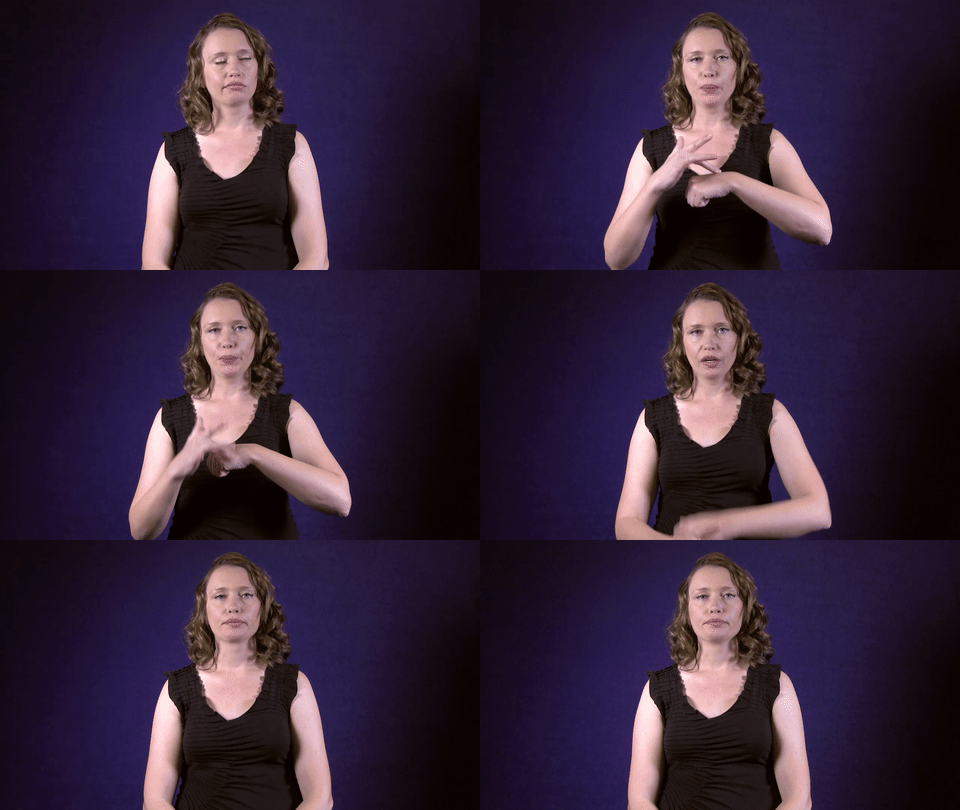
Sign for BALD in ASL | 👨‍🦲 ASL Dictionary

Definition: Having little or no hair on the scalp.

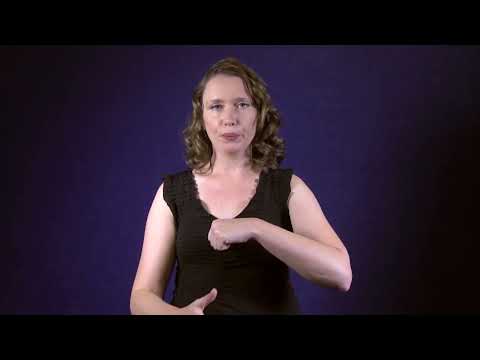
Sign for BALD in ASL 

YouTube player

Practice Activities:

Start by practicing the sign for bald in ASL in front of a mirror. Focus on the handshape, movement, and facial expression that accompanies the sign. Repeat the sign multiple times slowly, then gradually increase your speed while maintaining clarity.

Next, use the sign for bald in ASL in a few simple phrases. For example, “My dad is bald” or “He became bald last year.” Practice signing these sentences slowly, making sure to include appropriate non-manual signals to match the tone and context.

Create a list of people you know who are bald, either in real life or famous figures. For each person, sign a sentence such as “The actor is bald” or “My uncle is bald and funny.” This helps link the sign with familiar contexts and increases retention.

With a partner, take turns describing people using various physical traits, including the sign for bald in ASL. Include other descriptors like tall, bald, or has glasses, to help reinforce vocabulary in a conversational setting. Try asking your partner to guess who you’re describing.

For a storytelling activity, create a fun narrative that includes a bald character. Sign a short paragraph describing their adventures or personality traits. This encourages using the sign in a broader and more creative context.

Incorporate the sign for bald in ASL into a game of charades. One person signs clues or characteristics of a person, and the other guesses who it is. Make sure to include “bald” as one of the physical features to guess.

Lastly, watch ASL videos or vlogs where the sign may appear and try to identify it. Pause and copy the sign when you see it, then try including it in your own signed sentences afterward.

Cultural Context:

The sign for bald in ASL carries cultural meaning that goes beyond simply describing someone without hair. In American Sign Language, facial features, hair, and physical appearance often play a significant role in how descriptive signs are created and used. The sign for bald in ASL reflects the visual, iconic nature of the language.

Unlike spoken languages, ASL relies heavily on visual representation, so describing someone as bald often includes a sign that mimics the smooth roundness of a head without hair. When signing bald, users typically make a circular or sweeping motion over the scalp area. This motion connects directly to the visual experience of a bald head and maintains the rich, illustrative quality of ASL.

In Deaf culture, physical descriptions are not seen as negative or rude but are rather a functional and accepted part of communication. Descriptions such as the sign for bald in ASL are used naturally to identify and refer to people. This contrasts with many spoken English environments where mentioning someone’s baldness might be considered impolite.

Within the Deaf community, using signs like the sign for bald in ASL is not only about communication—it’s also about identity. Each person may be uniquely described using signs that include physical traits like baldness, hair styles, or facial hair. It provides a personal touch, ensuring that the described individual is respectfully and clearly identified.

This cultural approach fosters inclusive communication and reflects the community’s visual values. The sign for bald in ASL is also flexible and can be blended with other descriptive signs. For example, when talking about a bald man with glasses, both features can be signed in sequence, creating a vivid and accurate mental picture.

Being bald is not only a common physical trait but can also hold cultural importance, especially when characters in stories, celebrities, or iconic figures are recognized by their bald heads. Teachers often use the sign for bald in ASL during storytelling, visual descriptions, or to teach about diversity in appearance. It supports children’s visual learning and understanding of identity.

When teaching ASL, learners are encouraged to explore signs like the sign for bald in ASL to understand how descriptions differ from English. Learning this type of sign helps students think visually and increases their fluency in describing people naturally in ASL. It also reinforces how ASL grammar and structure differ from spoken English.

The sign for bald in ASL may vary slightly across regions or generational groups, like many ASL signs. However, the visual concept of a smooth scalp remains consistent. Regional differences are respected within the

Extended Definition:

The sign for bald in ASL is a visual way to describe someone with little or no hair on their head. This sign is commonly used in conversations about physical appearance, describing oneself or others, or talking about hair loss. Like many signs in American Sign Language, context plays an important role in how the sign is used and understood.

To produce the sign for bald in ASL, the dominant hand typically moves across the top of the head in a circular motion or uses specific handshapes such as an open five or an index finger, depending on the variation. The movements are made to suggest the smooth or hairless surface of the scalp. Facial expressions are also important and can add detail to the context of the sign.

You might use the sign for bald in ASL when describing a friend, a family member, or even a cartoon character. This sign can also be helpful in medical or health-related conversations when discussing conditions like alopecia or chemotherapy-related hair loss. Since ASL is highly expressive and visual, body language contributes to the full meaning of the sign.

There are a few regional and stylistic variations in how people sign bald in ASL. Some signers may use a more descriptive version to show the extent of baldness, like showing a receding hairline or a completely smooth head. This flexibility allows signers to be more precise and creative in signing.

When teaching the sign for bald in ASL to learners, it’s important to practice the motion and facial expressions that go along with it. Watching experienced signers or using ASL dictionary videos can be a great way to learn. Visual references help reinforce the meaning and proper usage of the sign.

The sign for bald in ASL is also used in storytelling and descriptive language where characters have distinct physical traits. It’s a great example of how ASL can convey rich detail in very efficient ways. Deaf culture values descriptive accuracy, and signs like this one help make communication clear and vivid.

ASL learners and educators often include the sign for bald in vocabulary units about appearance, body descriptions, or family. It can also appear in more imaginative contexts, like when signing about aliens or futuristic characters that just happen to have smooth, hairless heads. Like many signs in ASL, its meaning can shift slightly depending on the surrounding signs and topic of conversation.

Understanding the sign for bald in ASL helps deepen fluency and broadens one’s ability to describe people in everyday conversation. It also gives learners a better appreciation for how

Synonyms: hairless, bare-headed, smooth-scalped, shaven, uncovered

Educational resources: Find related learning materials in our course bank!

Want more? Check out some of our popular learning activities on the homepage!

Need to look up a sign? Use our highly rated dictionary: https://aslinteractive.com/best-asl-dictionary/

Follow us on tiktok: https://www.tiktok.com/@aslinteractive. More social media links at the bottom of this page!

Long-tail Keywords: what is the sign for bald in ASL, how do you sign bald in ASL, ASL sign for bald

Categories:

tags: appearance, body parts, sign parameters, descriptors, hair

Parameters

*Handshape*:

The handshape for the sign for BALD in ASL typically involves using the dominant hand in a curved or claw-like “5” handshape. The fingertips gently circle the top of the head, mimicking the shape of a smooth or hairless scalp.

This motion represents the absence of hair, helping to visually reinforce the meaning of the sign for BALD in ASL ‍ . The rounded handshape is essential to convey natural head curvature.

*Palm Orientation*:

For the sign for BALD in ASL, the palm orientation typically faces downward or toward the scalp. The dominant hand, often in a curved “5” handshape or open claw, moves in a small circular motion over the top or front of the head.

This hand motion mimics the area where hair would be missing, clearly representing the concept in the sign for BALD in ASL. The non-dominant hand is not involved for most users.

*Location*:

The sign for bald in ASL is produced near the top of the head, making the location essential to convey the concept clearly. This area represents the part of the scalp where hair would typically grow, aligning visually with the meaning of the sign.

Since the sign for bald in ASL mimics the motion of hair disappearing or being absent from the scalp, the top of the head is the most accurate and symbolic placement. This helps with clarity and natural association of the concept. ‍

*Movement*:

To produce the sign for bald in ASL, use your dominant hand in a slightly curved “5” handshape. Hover it just above the crown of your head, with fingers pointing downward. Then make a small circular motion clockwise over the top of your scalp. This mimics the bare area typically associated with being bald.

The sign for bald in ASL uses a single, fluid motion to indicate hair loss or a bald spot. The movement focuses on the top center of the head to clearly convey the concept. ‍

*Non-Manual Signals*:

When using the sign for bald in ASL, the facial expression tends to remain neutral or slightly inquisitive, depending on the conversational tone. You may see slight eyebrow movements upward if asking a question or expressing curiosity about someone being bald ‍ .

Maintaining eye contact strengthens communication, and subtle head tilts can give context. The sign for bald in ASL is typically shown with a calm demeanor, unless stylistic or comedic emphasis is intended.

*Prosody, Dominant/Non-Dominant Hand*:

The sign for BALD in ASL uses the dominant hand in a bent “5” handshape. It circles around the top of the head, suggesting the shape of a bald scalp. The non-dominant hand remains inactive and neutral at the side or relaxed.

This gesture visually mimics the absence of hair on the scalp, making the sign for BALD in ASL both iconic and clear. Depending on regional variation, the circular motion may differ slightly in size or speed.

Tips for Beginners:

When learning the sign for BALD in ASL, focus first on your handshape and location. The sign generally uses a curved or “claw” hand that circles over the top of the head to represent hairlessness. Make sure your motion is smooth and occurs on the crown of the head, not the forehead or too far back.

A common mistake beginners make with the sign for BALD in ASL is using an incorrect handshape or placing the movement too far away from the correct location. This can easily confuse your audience or make your signing unclear. To boost accuracy, practice in front of a mirror and compare your movement to trusted video demonstrations.

Another tip is to keep a natural facial expression. For descriptive signs like BALD, your face should remain neutral unless you’re adding a specific emotion or context. Exaggerated expressions can distract from clarity, especially when the sign isn’t inherently emotional.

Beginners should also remember that ASL relies heavily on context, so use the sign for BALD in ASL as part of a sentence or description. Combine it with classifiers or additional descriptors if you’re talking about someone with a shaved head, patchy hair loss, or full baldness. This will give your communication depth and richness.

It’s helpful to get feedback from fluent signers. Join ASL practice groups, online communities, or use apps where you can upload videos and get critiques. The more you use the sign for BALD in ASL in complete thoughts, the more natural it will feel.

Lastly, don’t rush your learning process. Mastering even a simple sign takes time and repetition. With patience, mindful hand placement, and consistency, you’ll gain confidence and accuracy in everyday signing. Keep practicing and stay motivated

Connections to Other topics:

The sign for BALD in ASL intersects with several areas of everyday communication, especially in describing physical appearance. It connects with other descriptive signs like HAIR, HAIR-LONG, HAIR-SHORT, and LOOKS-LIKE. Because many conversations involve identifying individuals or discussing change in appearance due to aging or illness, the sign for BALD in ASL can come up in personal narratives or social settings.

This sign is often used in compound or descriptive phrases. For example, combining it with MAN or WOMAN creates phrases like BALD MAN or BALD WOMAN, emphasizing someone’s physical traits. In storytelling, especially when establishing characters or background information, the sign for BALD in ASL helps provide vivid imagery and detail. Learners often use this sign in context when describing friends, family members, or celebrities.

It also relates thematically to medical or health contexts, especially in conversations about chemotherapy or alopecia. In those settings, the sign is often part of a broader visual narrative, used alongside signs like CANCER, SICK, or HAIR-FALL-OUT. In Deaf culture, describing appearance visually and directly is typical, so the sign for BALD in ASL fits naturally into culturally appropriate conversation norms.

Variations in the sign may reflect the extent or type of baldness – full baldness, balding patch, or a receded hairline. These visual specifics allow the signer to be as general or as precise as needed, depending on the context. Students learning about classifiers can also benefit from classifying BALD using CL:1 or CL:CC to describe the shape of a head or the absence of hair.

Familiarity with the sign for BALD in ASL also helps enrich vocabulary involving aging, appearance changes, and identity. It aligns well with learners trying to build descriptive skills and those aiming to understand culturally appropriate ways to refer to physical characteristics in ASL.

Summary:

The sign for BALD in ASL is a visually descriptive and concept-driven sign that taps into iconic representation. To produce it, one dominant hand shapes into a claw or bent handshape and circles the top of the head, as if outlining the area with no hair. This circular motion at the crown clearly draws attention to the scalp, suggesting a lack of hair.

This sign is often delivered with a slight facial expression that matches the tone intended. For example, a neutral or light smile indicates harmless description, while a raised eyebrow or a joking grin implies a tease or playful interaction. The sign can shift in tone and delivery depending on the social or emotional context.

The sign aligns directly with ASL’s tendency to use space and motion to visualize concepts. The circling motion is not arbitrary—it mirrors the shape and focus area of baldness, typically centralized on the top of the head. This makes the sign both intuitive and efficient.

Grammar in ASL allows for the sign for BALD in ASL to appear either before or after a subject, depending on the signer’s sentence construction. For example, in a descriptive sequence, the sign might be used right before pointing to or referring to someone. In a more informal structure, the order may vary without loss of clarity.

The concept of baldness within Deaf culture may also bring up discussions around identity and self-expression. Because ASL is deeply centered on facial expressions and visual cues, personal appearance often becomes a relevant conversational topic. Thus, the sign for BALD in ASL may be functionally important in self-identification or when describing others respectfully.

Its usage is not just limited to literal baldness. It can be metaphorically extended when describing a shaved head for fashion, illness, or even religious practices. In these cases, the signer may accompany the basic sign with additional context signs such as SHAVE or SICK.

The sign may have subtle variations, depending on region or signing preference. Some communities might use a quick circling motion while others opt for a slower, more deliberate gesture. The sign may also incorporate mouth morphemes—small mouth movements that reflect size, frequency, or intensity—to indicate a fully bald head versus partial hair loss.

When it comes to linguistic insight, the sign leans toward being an example of iconicity in ASL. Iconicity refers to signs that resemble their meanings, and the sign for BALD in ASL showcases that through its shape and motion. This directly connects the language’s visual-spatial nature with its capacity to convey nuanced descriptors.

Applied linguistics also finds interest in how this sign develops in early ASL learners. Students or children learning ASL often recognize such descriptive signs more easily due to their visual clarity. For them, learning the sign for BALD in ASL includes spatial reasoning and observation skills, core components of ASL acquisition.

The culturally respectful use of this sign is important in social contexts. Although the sign itself is neutral, the intention behind it determines its social impact. Used respectfully, it’s a normal part of description. When used mockingly, it can be offensive or exclusionary, similar to spoken language’s use of appearance-based descriptors.

Ethnographic studies in Deaf communities have shown that appearance-related descriptors like the sign for BALD in ASL are used in everyday situations more informally than in many hearing cultures. This stems from the visual nature of ASL and the importance of describing physical traits to establish or clarify identity quickly and effectively.

Additionally, the sign for BALD in ASL links naturally to others in the physical characteristics lexicon of ASL. Related signs include HAIR, SHAVE, WIG, BEARD, and OLD. These signs often work together in combinations to offer a fuller physical description, such as someone who is bald but wears a wig.

From a semantic standpoint, the sign enables expressions of degrees or types of baldness. With repeated motion or combining with classifiers, signers may distinguish totally bald versus partially bald (like a receding hairline). This offers dynamic ways to adjust details within the same root concept.

Choosing to use fingerspelled (FS) BALD instead of the conventional sign might suggest specific emphasis, such as referencing a brand name like a product named “BALD” or a fictional character. But in most settings, the use of the established sign is preferred for efficiency and cultural fluency.

The sign fosters inclusivity when used appropriately, accommodating conversations about hair loss due to medical treatment, alopecia, or aging. Providing language for diverse hair conditions contributes to wider acceptance and openness. This reinforces ASL as not only a communicative tool but also a bridge toward representation.

In real-world applications, educators and interpreters often make careful choices about how to introduce and use this sign. For example, when describing illustrations in books or giving medical advice, the correct tone and context must accompany the sign for BALD in ASL. These choices shape how communication is received.

Icons and emojis used in educational settings often aid

Want more? Check out some of our popular learning activities!

ASL Interactive Resources

ASLInteractive YouTube Channel

Follow us on tiktok: @aslinteractive.com

Follow us on Instagram: aslinteractive

Facebook page: aslinteractive

Facebook group: aslinteractive

LInkedIn: ASL Interactive LLC

Twitter: @ASL_interactive

*Some information on this page is AI-generated. AI can make mistakes. Please check the information.

Sign for BALD in ASL 

Responses