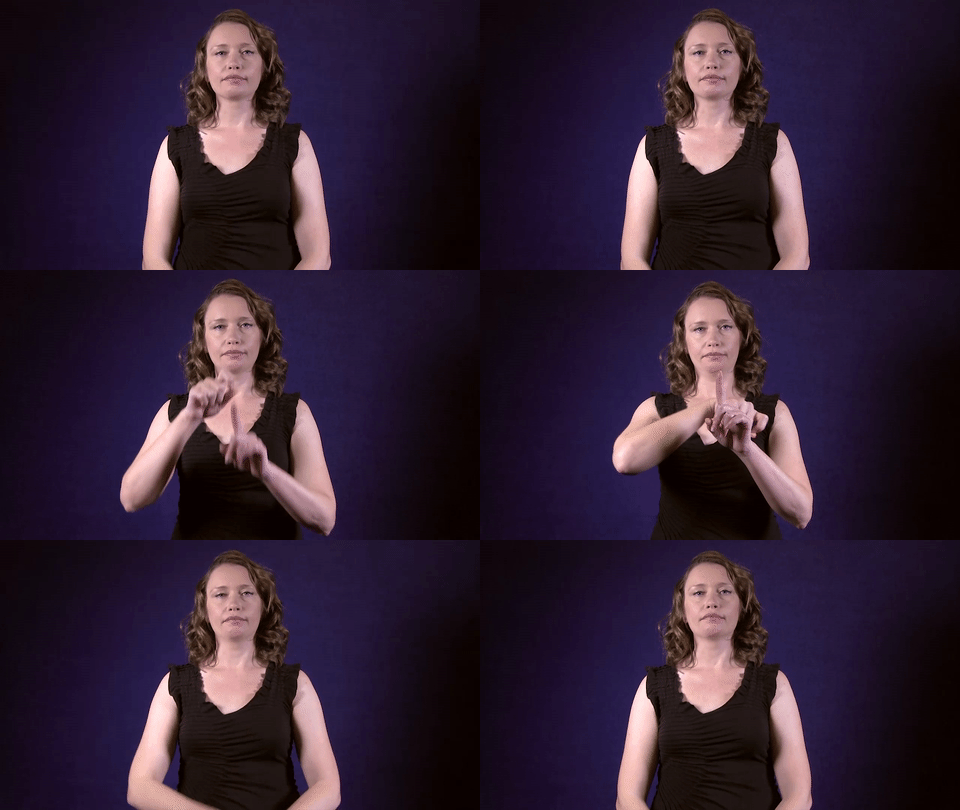
Sign for BANANA in ASL | 🍌 ASL Dictionary

Definition: A long curved fruit.

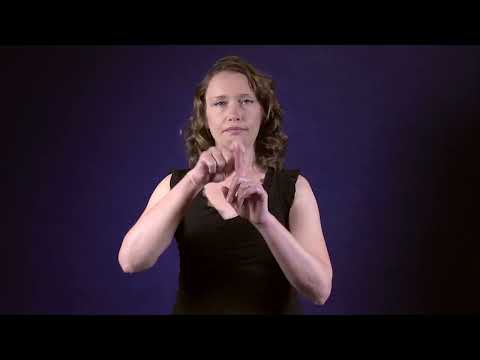
Sign for BANANA in ASL

YouTube player

Practice Activities:

To practice the sign for BANANA in ASL, start by isolating the sign itself. Use a mirror and repeat the sign multiple times while visualizing the shape of peeling a banana. This helps build muscle memory and improves accuracy. Try to vary your speed so you feel comfortable signing slowly and more quickly.

Once you’re confident signing it alone, try placing the sign for BANANA in ASL within short phrases. Examples like “I eat banana,” “Banana is yellow,” or “She likes banana” help connect the sign with basic grammar. Sign each sentence slowly at first, then gradually build fluency by signing them in succession.

For storytelling, create a short ASL narrative about going to the grocery store and buying fruit. Include the sign for BANANA in ASL along with signs for “apple,” “orange,” and “grapes.” This not only increases fluency but helps reinforce vocabulary related to food and daily routines.

Partner practice can also support skill-building. Sign to your partner that you like banana, don’t like banana, or want to eat banana. Then switch roles and respond to their signs appropriately. This mirrors natural conversation and trains your comprehension of the sign in real-time.

Play the memory game “What’s in the fruit bowl?” One person signs several fruits in a row, including the sign for BANANA in ASL somewhere in the sequence. The other person repeats the entire list in ASL without missing any.

Watching short ASL videos or children’s picture books translated into ASL that include banana as a vocabulary word can elevate your receptive skills. Try to identify when the sign appears and sign it back immediately to reinforce your memory.

Use daily opportunities, like breakfast time or snack preparation, to incorporate the sign naturally. The more frequent and meaningful the practice, the more confident you’ll become.

Cultural Context:

The sign for banana in ASL is both culturally and visually iconic. When learning American Sign Language, many people remember the sign for banana because it mimics the action of peeling a banana, making it easy to recognize and recall.

In Deaf culture, visual clarity and iconicity in signs matter. The sign for banana in ASL stands out because it directly connects to how a person interacts with the real-world object. This connection makes it memorable and reinforces the visual nature of ASL communication.

Food-related signs, including the sign for banana in ASL, often reflect both cultural habits and linguistic creativity. Bananas are a common snack across many communities, so it’s no surprise that ASL includes a straightforward and intuitive way to express them. For Deaf children especially, learning everyday food signs is an entry point into broader language development.

In ASL storytelling and educational settings, the sign for banana often appears in rhymes, games, and early childhood learning materials. Teachers and parents use it while teaching Deaf children fruit names, healthy eating habits, and colors. It becomes part of the foundational learning experience.

Because bananas are popular in school lunches and daily routines, the sign for banana in ASL frequently comes up in classroom discussions and lunch table conversations. This makes it one of the more practical and useful signs to introduce early in language development, especially in preschool and elementary ASL instruction.

The motion used in the sign for banana in ASL helps support the idea of classifier use in the language. It’s a good example of how ASL incorporates gestures, context, and spatial reasoning to describe objects. The visual nature of signing a banana reflects how ASL users think and communicate through images as much as words.

In some versions of ASL humor, the sign for banana in ASL is used in playful jokes and puns involving fruit. This shows how the sign can take on new layers of meaning beyond its literal definition. Humor and wordplay are vibrant aspects of Deaf culture, and fruit signs often appear in these expressions.

When teaching or learning the sign for banana in ASL, practitioners highlight the importance of facial expression and clarity of movement. This supports the broader cultural values of precision and expression in ASL. Every movement contributes to meaning, and that’s especially true when signing a familiar item like banana.

Many ASL learners also compare the sign for banana in ASL to other fruit signs to better understand patterns in sign language structure. This serves as a gateway to deeper learning about grammar, classifiers, and object

Extended Definition:

The sign for banana in ASL is a visual and playful sign that mimics the act of peeling a banana. It’s a commonly used sign in both everyday conversations and educational settings, especially when teaching ASL to children or beginners.

To produce the sign for banana in ASL, you hold the index finger of your non-dominant hand upright, representing the banana. Then, with your dominant hand, you mimic peeling the banana using your thumb and index finger around the extended finger. The motion mirrors the action of peeling a real banana, which makes it easy to remember.

This sign is fun and interactive, often sparking curiosity and engagement among learners. Because of its concrete and unmistakable visual, it’s frequently one of the first fruit signs taught in beginner ASL classes. Kids especially enjoy learning the sign for banana in ASL due to its animated hand movements and its connection to a familiar and favorite fruit.

In American Sign Language, iconic signs like this one—where the movement represents the object—are great tools for building a foundation in language learning. The sign for banana in ASL is an excellent example of how ASL conveys meaning through shape, motion, and context. It also shows how visual-spatial thinking plays a key role in understanding and communicating in ASL.

Like many food-related signs, this one can be used in a variety of contexts. You might use the sign when asking someone what kind of fruit they like, during a conversation about meals, or while teaching healthy food choices. Because bananas are common in children’s snacks and school meals, the sign often appears in school settings and home environments alike.

Some people may incorporate slight variations in this sign depending on regional dialects or individual signing styles. Still, most versions keep the central peeling movement intact, ensuring it stays recognizable. The clarity and simplicity of the movement help maintain consistency across different users.

Fluency in ASL includes not only understanding formal signs but also being comfortable with expressive gestures like this one. The sign for banana in ASL is an example of how language, visuals, and motion come together to make communication accessible and enjoyable. Mastering such signs can enhance your ability to converse naturally with Deaf or hard-of-hearing individuals.

Teaching the sign for banana in ASL is ideal for both learners and educators. Visual aids like toy bananas or drawn images can help reinforce the association between the movement and the object. Practicing the sign in real-life settings, such as during snack time or shopping, can also

Synonyms: banana, plantain, cavendish, pisang, dessert banana

Educational resources: Find related learning materials in our course bank!

Want more? Check out some of our popular learning activities on the homepage!

Need to look up a sign? Use our highly rated dictionary: https://aslinteractive.com/best-asl-dictionary/

Follow us on tiktok: https://www.tiktok.com/@aslinteractive. More social media links at the bottom of this page!

Long-tail Keywords: what is the sign for banana in asl, how do you sign banana in asl, asl sign for banana

Categories:

tags: Fruits, Food, Language Learning, Objects, Healthy Eating

Parameters

*Handshape*:

The handshape in the sign for BANANA in ASL involves the non-dominant hand forming a closed fist, mimicking the banana itself. The dominant hand uses a pinching motion with the thumb and index finger, resembling the act of peeling a banana downward from the top.

In the sign for BANANA in ASL, the dominant hand may peel in successive motions, emphasizing the action. This natural gesture effectively illustrates the concept while keeping the sign visually clear and iconic.

*Palm Orientation*:

For the sign for BANANA in ASL, the dominant hand represents peeling a banana while the non-dominant hand acts as the banana. The non-dominant hand is typically held upright in an index finger position, with the palm facing inward toward the body.

The dominant hand’s palm is oriented downward or slightly inward as it mimics peels being pulled off the fruit. This sign visually illustrates peeling a banana, making the sign for BANANA in ASL both intuitive and easy to remember .

*Location*:

The sign for BANANA in ASL takes place in neutral space near the lower part of the face or at chest level. The non-dominant hand is held in an upright fist shape, resembling a peeled banana. The dominant hand mimics peeling the banana by moving downward along the fist. For the most accurate execution of the sign for BANANA in ASL, keep both hands comfortably in front of the body without touching the torso.

*Movement*:

To make the sign for BANANA in ASL, form an index finger on your non-dominant hand pointing upward, representing the banana. With the dominant hand in an open “X” handshape (as if peeling), mimic the action of peeling a banana downward along the index finger.

Repeat the peeling motion two to three times in short downward arcs, as if peeling different strips of the banana. This motion clearly conveys the concept behind the sign for BANANA in ASL .

*Non-Manual Signals*:

When performing the sign for BANANA in ASL, the non-manual signals often include a slight smile or a neutral facial expression to reflect the everyday, lighthearted context of the fruit. Eyebrows remain relaxed, and the signer may slightly tilt the head or focus their eyes on the dominant hand to reinforce clarity.

The facial expression should match the casual and descriptive nature of the sign for BANANA in ASL . There’s no exaggerated emotion needed, just a natural look to mirror common usage in conversation. This helps emphasize the concept without distracting from the sign itself.

*Prosody, Dominant/Non-Dominant Hand*:

For the sign for BANANA in ASL, the non-dominant hand is positioned in front of the chest with the index finger extended upright, resembling a peeled banana. The dominant hand mimics a peeling motion, starting near the base of the non-dominant index finger and moving downward in small flicks, as if peeling the skin of a banana.

The dominant hand usually uses a pinching motion with the thumb and index finger while the rest of the fingers remain relaxed. This common visual depiction makes the sign for BANANA in ASL easy to remember and fun to perform .

Tips for Beginners:

When learning the sign for BANANA in ASL, it’s helpful to visualize and mimic the action of peeling a banana to guide your hand movements. The non-dominant hand acts like a stationary banana, while the dominant hand uses a pinching motion to mimic peeling the banana downward. Practicing in front of a mirror can help reinforce the motion and build muscle memory.

One of the most common mistakes beginners make is being too stiff or fast with their peeling motion. The action should be deliberate and smooth, not rushed. Taking time to exaggerate the gesture at first can improve clarity and ensure smoother communication.

Hand shape and orientation are critical for the sign for BANANA in ASL to be understood. Make sure your non-dominant hand is shaped as if holding an imaginary banana upright, with fingers together and palm facing slightly inward. The dominant hand, using a thumb and index finger, should “peel” from the top down in two or three strokes.

Be sure not to drop your hands too quickly after the “peeling” motion, which can result in an incomplete sign. Ending the motion properly allows your conversation partner to clearly understand the sign, especially in quick dialogues.

Engage your facial expressions to match the context; whether you’re asking for a banana or offering one, your expression adds value to the sign for BANANA in ASL. Watch fluent signers and copy not only their hand movements but also their non-manual signals for a richer signing style.

Lastly, repetition throughout casual conversations or practice with a language partner helps reinforce the sign and build speed with accuracy. Banana is a fun and visual sign, so don’t hesitate to enjoy the process as you make it part of your sign vocabulary.

sign for BANANA in ASL, ASL sign for banana meaning, how to sign banana in American Sign Language, banana ASL sign demonstration, learn sign for banana ASL, banana gesture in ASL, banana sign language tips, tips for signing banana ASL, ASL banana sign 모션, sign for BANANA in ASL beginners guide

Connections to Other topics:

The sign for BANANA in ASL is closely related to common food signs, especially those involving fruit. It uses a mime-like gesture that mimics the action of peeling a banana, which helps learners see the connection between the physical item and the sign. This visual mimicry is a recurring theme in food-related signs like APPLE, ORANGE, or PEACH, which often reflect the way these foods are handled or consumed.

This sign also connects to descriptive classifiers in ASL used when discussing food textures, preparation, or serving. For example, once BANANA is established in a conversation, you can use classifiers to describe slicing it, mashing it, or putting it into a blender for a smoothie. The transition from a basic sign to more descriptive language is a common feature of ASL storytelling and narrative building.

The sign for BANANA in ASL can be combined with other food signs to describe recipes or snacks, such as BANANA BREAD or BANANA SMOOTHIE. Typically, those compound ideas are conveyed by signing BANANA and then the secondary food-related sign, showing how ASL often builds meaning through sequence rather than combining into a single sign. This structure is also used with signs like ICE CREAM and CAKE, allowing for flexibility in describing different dishes.

Conceptual expansion is another related topic. For example, the sign for BANANA in ASL could be metaphorically extended in a humorous or poetic context, like describing someone slipping on a peel, encouraging expressive storytelling. This reflects how ASL often leverages visual and narrative context to add depth to even simple signs.

For young learners, the sign for BANANA in ASL is a great example of iconicity, or how a sign visually represents its meaning. Recognizing this visual link can help in acquiring additional iconic signs like EAT, DRINK, or COOK, as all are highly visual and context-dependent.

Summary:

The sign for BANANA in ASL is a visually iconic and naturally mimetic sign that cleverly reflects the action of peeling a banana. This sign uses one hand to represent the banana while the other hand acts as if it is peeling the banana peel downward. It is highly iconic, meaning that it looks visually similar to the real-world concept, making it easier for learners and fluent signers alike to remember.

To perform the sign for BANANA in ASL, the non-dominant hand is typically held upright in a loose fist, with the index finger extended and pointing upward to represent the banana itself. The dominant hand then mimics the peeling action by moving the fingers and thumb downward along the sides of the index finger, as if peeling a real banana. This action is usually repeated twice, gently and rhythmically.

One characteristic feature of this sign is its use of classifier-like movement to add visual context. The dominant hand essentially shows the process of peeling the fruit, a feature which is not just semantically rich but also helps this sign fit into larger grammatical structures in ASL storytelling and everyday conversation. This makes the sign highly portable in a broad array of communicative contexts.

The sign for BANANA in ASL benefits from its high degree of transparency for beginners. Because the gesture closely resembles the real-world motion, even someone unfamiliar with ASL might guess the meaning successfully. Iconicity like this is a gateway into ASL vocabulary for many learners and helps build cognitive associations between physical movement and meaning.

The sign is commonly used in classrooms, children’s media, and interaction with early learners. Because of this, BANANA acts not just as vocabulary but as an experiential sign that supports early language acquisition. Its role in foundational ASL curricula speaks to its effectiveness in promoting comprehension and retention.

Grammatically, the sign for BANANA in ASL functions the same way most noun signs do. When constructing sentences, it can be placed pre-verbally or post-verbally depending on topicalization, sentence emphasis, and syntactic structure unique to ASL. Its position in the sentence may also shift when expressing preferences, giving instructions, or describing meals.

In terms of morphology, the sign for BANANA in ASL does not contain any inflection for number or aspect. When pluralizing or referencing multiple bananas, ASL users typically rely on numerical incorporation, repetition, or surrounding contextual signs. Like many food-related signs, it’s semantically singular unless specified otherwise.

From a cultural angle, bananas carry both nutritional and cultural symbolism. In Deaf culture, as in hearing culture, the fruit is often associated with humor, health, and playfulness. This cultural alignment has helped the sign permeate playful ASL expressions and jokes, further embedding it in casual discourse.

The sign for BANANA in ASL also appears in cultural references like children’s songs and rhymes, where fruit names are often rhythmically signed. Because of its simplicity and distinctiveness, it frequently features in signed nursery rhymes and educational programs, reinforcing its linguistic visibility in Deaf households.

In narrative ASL or Deaf storytelling traditions, the sign for BANANA in ASL is sometimes extended or stylized to dramatize a scene. Modifying the pace or scale of the peeling gesture lets signers add flair and mood. This demonstrates ASL’s visual-spatial richness and the narrative elasticity of even simple signs.

In the broader lexicon of ASL, banana is related to other fruit signs like APPLE, ORANGE, STRAWBERRY, and GRAPE. These are often used in categorized vocabulary teaching and thematic storytelling. Learners frequently acquire fruit signs in clusters, reinforcing semantic groupings that mirror mental categorization.

The use of classifiers in stories or descriptive scenes can also link to the sign for BANANA in ASL. For instance, in a scene describing a monkey eating a banana, the classifier for the monkey’s actions may echo or incorporate the banana sign directly. This multi-layered use illustrates ASL’s syntactic and visual dynamism.

Historically, the sign for BANANA in ASL has remained largely consistent. Unlike some evolution in signs due to shifts in generational use or regional variation, this sign remains widely recognized and unchanged. This stability makes it useful as a reference point for learners transitioning into more complex signs.

Regionally, the standard sign for BANANA in ASL doesn’t exhibit much variation, though small differences in pacing or emphatic style may appear. This makes it one of the more universally intelligible signs across different parts of the U.S. and Canada. Such stability also enhances its effectiveness in standardized ASL instruction.

Applied linguistics intersects here by examining how iconic signs like BANANA help develop sign fluency and cognitive mapping in second language learners. Because such signs are easy to learn due to their physical-mimicry, educators often use them to scaffold the introduction of more abstract vocabulary. The sign becomes a cognitive anchor for understanding how ASL communicates meaning non-linearly.

The

Want more? Check out some of our popular learning activities!

ASL Interactive Resources

ASLInteractive YouTube Channel

Follow us on tiktok: @aslinteractive.com

Follow us on Instagram: aslinteractive

Facebook page: aslinteractive

Facebook group: aslinteractive

LInkedIn: ASL Interactive LLC

Twitter: @ASL_interactive

*Some information on this page is AI-generated. AI can make mistakes. Please check the information.

Sign for BANANA in ASL

Responses