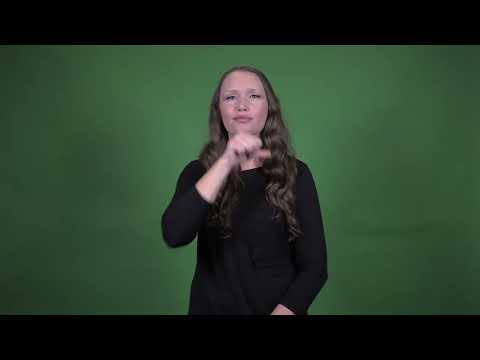
Definition: A place that serves food and drinks.
Sign for BAR RESTAURANT in ASL

Practice Activities:
Begin your practice by signing the concept of a single bar or restaurant. Stand in front of a mirror and repeatedly sign the concept for bar, making sure to visualize an actual location like a cocktail lounge or pub. Then, separately practice the sign for restaurant, focusing on the handshape and directional movements. Combine both signs sequentially to form the sign for BAR RESTAURANT in ASL, observing the flow from one sign to the next.
Use the sign for BAR RESTAURANT in ASL in simple practice sentences. Try signing phrases like “I go to the bar restaurant with friends” or “That bar restaurant has good food.” Repeatedly practice these sentences until they feel smooth and natural. For added learning, swap out descriptors like “noisy,” “quiet,” or “fancy” to expand your vocabulary while keeping the context relevant.
Set up a role-play activity with a partner, pretending one of you is a customer asking for recommendations at a new bar restaurant. The other can be the server or host who responds using ASL. Ask and answer questions like “Where is the bar restaurant?” or “What kind of drinks do they serve?” This interactive practice helps build conversational fluency.
Create a short story using the setting of a bar restaurant. Describe who you’re with, what kind of food and drinks you order, and any events happening there like live music or trivia night. Sign it in front of a friend, teacher, or camera for feedback and self-review.
For receptive practice, watch others sign the concept or related location signs and identify when they’re referring to a bar restaurant. Pause the video at various points and try to replicate the sign immediately. Mastery of the sign for BAR RESTAURANT in ASL will come from varied and consistent practice in both expressive and receptive situations.
Cultural Context:
The sign for BAR RESTAURANT in ASL blends elements that represent both a place to eat and a place to drink, reflecting how these venues are viewed in Deaf culture. In American Sign Language, facial expressions and body shifts often add context, helping to distinguish between a bar, a restaurant, or a combination of the two. When describing a place like a bar restaurant in ASL, signers may use classifiers or specific signs for each concept, combining them fluidly depending on the conversation.
The concept of a bar restaurant carries cultural significance in the Deaf community. These spaces are more than just dining or drinking venues—they’re social hubs. A bar restaurant often becomes a meeting spot for Deaf events, gatherings, or informal hangouts where communication is visual and flowing. Group chats in a bar restaurant setting often include storytelling, shared jokes, and visual games, making the location important beyond the food or drinks.
In Deaf culture, accessibility in public spaces like a bar restaurant is crucial. Bright lighting, open seating arrangements, and clear sightlines make communication smoother. A bar restaurant that’s Deaf-friendly is often designed to encourage interaction across tables and groups. Signers look for environments that allow signing without blocked vision, and this shapes how they choose their favorite local spots.
Using the correct sign for BAR RESTAURANT in ASL ensures clarity in conversations. Since ASL is a visual language, just saying you’re meeting someone at a bar restaurant involves more than pointing on a map. You visually describe the kind of place, the atmosphere, and even sometimes the purpose of the visit. This attention to detail strengthens community ties and shared experiences.
When teaching the sign for BAR RESTAURANT in ASL, mentors and teachers often explain the social and cultural associations. It’s not just about translating words—it’s about sharing a way of seeing and interacting with the world. Whether you’re ordering food, discussing happy hour, or inviting someone to join a social outing, using the appropriate sign adds authenticity and meaning to the conversation.
Some regional variations may exist for the sign for BAR RESTAURANT in ASL. Since ASL evolves through community use, local signs can reflect what bar or restaurant traits are common in that area. For example, urban centers might have signs that include aspects like music or nightlife, while more suburban areas might sign something closer to a casual dining experience. Context always matters, and experienced signers adjust signs to fit the social scene.
When planning a Deaf event at a bar restaurant, organizers usually
Extended Definition:
The sign for bar restaurant in ASL is a combination of two separate signs: one for bar and one for restaurant. In American Sign Language, concepts like these are often expressed by combining individual signs to convey the full meaning. This combination allows Deaf and hard-of-hearing individuals to communicate complex ideas with clarity and ease.
To sign bar, ASL users typically refer to a drinking establishment by indicating drinking alcohol in a casual manner. This often involves mimicking the motion of holding a small glass and tipping it slightly back as if drinking. Context is important, as the sign may change slightly depending on whether you’re referring to a literal bar or the social setting.
The sign for restaurant in ASL is more standardized and often involves forming the letter “R” with your dominant hand, then moving it from one side of the mouth to the other. This motion symbolizes eating and is widely recognized in the Deaf community. Pairing this sign with the sign for bar gives you the full sign for bar restaurant in ASL.
When using this sign in conversation, facial expressions and context help reinforce the meaning. Since both bar and restaurant can exist independently, combining the two with appropriate transitions or facial cues can make the intended meaning clearer. This is especially true when emphasizing the dual-function nature of an establishment that serves both food and alcoholic beverages.
In cultural contexts, the sign for bar restaurant in ASL may also align with regional variations. Different ASL users might slightly modify how they sign bar depending on their location or community influence. However, the overall concept remains the same, and most signers will understand the combined sign.
ASL is a visual language, and combining signs like bar and restaurant shows the flexibility and richness of the language. Many real-life places that serve both food and drinks may simply be referred to using this compound approach. It allows ASL users to describe complex environments without needing to create entirely new signs.
It’s important to note that while using the sign for bar restaurant in ASL, the clarity of the sign depends heavily on the signer’s proficiency and the audience’s familiarity with the social context. Classifiers, spatial referencing, and role-shifting can all add nuance to discussions that involve eating out or social drinking.
ASL is an evolving language, and new signs do occasionally emerge. However, as of now, the most effective and widely accepted way to communicate bar restaurant is by combining the two core concepts. This makes the sign accessible to learners and experienced signers alike.
When learning the sign for
Synonyms: gastropub, pub, tavern, lounge, bistro
Educational resources: Find related learning materials in our course bank!
Want more? Check out some of our popular learning activities on the homepage!
Need to look up a sign? Use our highly rated dictionary: https://aslinteractive.com/best-asl-dictionary/
Follow us on tiktok: https://www.tiktok.com/@aslinteractive. More social media links at the bottom of this page!
Long-tail Keywords: what is the sign for bar restaurant in ASL, how do you sign bar restaurant in ASL, ASL sign for bar restaurant
Categories:
tags: Facilities and other locations/needs, activities, events, everyday activities, social settings
Parameters
*Handshape*:
The dominant hand for the sign for BAR RESTAURANT in ASL typically uses the “Y” handshape , symbolizing a drinking glass, to represent “bar.” This hand grazes the side of the mouth, mimicking the act of sipping. For “restaurant,” the “R” handshape is used, and it moves down each side of the mouth in small, vertical strokes.
These distinct handshapes convey both the concept of food and drink, essential to the sign for BAR RESTAURANT in ASL. The “Y” and “R” handshapes work together fluidly to represent the two key components.
*Palm Orientation*:
For the sign for BAR RESTAURANT in ASL, the palm orientation typically involves both hands using the “R” handshape. When signing RESTAURANT, the dominant hand moves from one side of the mouth to the other, with the palm facing inward toward the face. For BAR, the sign may mimic the fingerspelled version or incorporate a gesture that imitates drinking, with the palm often facing sideways or inward depending on the style.
The palm orientation is crucial in maintaining clarity for the sign for BAR RESTAURANT in ASL, especially when transitioning between the two concepts. Smooth movement and correct wrist angles help differentiate the signs and maintain fluidity in the phrase. ️
*Location*:
The sign for BAR RESTAURANT in ASL is typically made in the area in front of the mouth and lower face. One hand often mimics holding a small glass near the mouth to suggest drinking, followed by a movement toward the chin or sides of the mouth to indicate eating. This location emphasizes both drinking and dining, which are key elements of a bar restaurant ️.
Using the facial area allows the sign for BAR RESTAURANT in ASL to clearly communicate its meaning through visually iconic elements. Maintaining this location helps the sign remain easy to recognize and contextually appropriate in conversations about food, drink, or places to socialize.
*Movement*:
The sign for BAR RESTAURANT in ASL combines two separate concepts. Start with the dominant hand in an open “B” shape, palm facing inward, and tap it against the side of the mouth twice to represent “bar” . Then, transition into the sign for “restaurant” by forming an “R” handshape and moving it from one side of the mouth to the other in a small arc ️.
Each motion is separate but fluid, emphasizing the dual nature of the location. When using the sign for BAR RESTAURANT in ASL, keep the movements clear and facial expressions neutral to slightly inquisitive, depending on context.
*Non-Manual Signals*:
When using the sign for BAR RESTAURANT in ASL, the facial expression should reflect a neutral to friendly demeanor, depending on context. Slight raised eyebrows can help indicate a question or casual interest, especially when asking if someone wants to go to a bar or restaurant ️ .
Mouth morphemes are minimal but relaxed lips or lightly mouthed English words like “bar” or “eat” can support clarity. Head tilts or slight forward movements can emphasize the social setting of the sign for BAR RESTAURANT in ASL, making the context more conversational.
*Prosody, Dominant/Non-Dominant Hand*:
The dominant hand forms a modified “Y” handshape (thumb and pinky extended), mimicking the act of tipping a cup toward your mouth to represent “bar.” Then, transition to the sign for “restaurant” by forming the dominant “R” hand and moving it from one side of the mouth to the other. The non-dominant hand remains at rest during both parts.
The sign for BAR RESTAURANT in ASL combines two clear movements to convey the concept of a place that serves both drinks and food. This sequential movement signifies a dual-purpose establishment, often seen in casual or upscale dining settings ️ . The clear and distinct handshapes help differentiate it from other eatery-related signs.
Tips for Beginners:
When you’re learning the sign for BAR RESTAURANT in ASL, it’s important to be mindful of context. BAR and RESTAURANT are typically signed separately since they signify different kinds of establishments. Use the sign for BAR by mimicking the act of bringing a glass to your mouth, like you’re sipping a drink. For RESTAURANT, trace the letter “R” on both sides of your lips in a small downward motion. These distinct signs help avoid confusion, especially in settings where both types of businesses may exist side by side.
One useful tip is to keep your facial expressions neutral or reflective of your topic. For example, if you’re talking about a fancy restaurant versus a casual bar, your face can communicate the tone. It enhances clarity and supports the meaning beyond hand movement alone. Since the sign for BAR RESTAURANT involves two concepts, pausing slightly between the signs can help your viewer differentiate each term.
Finger fluency and wrist control are key in execution, especially when using the “R” in RESTAURANT. Make sure your hand position doesn’t drift too far from your mouth or cheek area; otherwise, the sign may be misread. Practicing in front of a mirror can help you maintain consistency and check for clarity. This is especially important because signs involving facial proximity can get distorted if not executed properly.
Beginners often confuse the directional movement of the “R” in RESTAURANT, or may accidentally replace it with the sign for FOOD, which changes the entire meaning. Take the time to practice slowly and deliberately. Record yourself or seek feedback from a fluent signer to ensure you are linking both concepts of the sign for BAR RESTAURANT in ASL accurately. Over time, the transition between the two signs will feel much more natural.
Connections to Other topics:
The sign for BAR RESTAURANT in ASL connects closely with signs related to food, dining, and social settings. Many users combine the individual signs for BAR and RESTAURANT when discussing venues that serve both drinks and meals. This compound concept can easily link to other signs such as EAT, DRINK, SOCIAL, and FRIEND, all commonly used when talking about going out or spending time with others.
In casual conversations, the sign for BAR RESTAURANT in ASL may be abbreviated or modified slightly depending on the context. For example, someone referring specifically to a sports bar might accompany the sign with a descriptive phrase like WATCH GAME or SPORTS, adding context specific to the type of bar restaurant. These combinations help learners understand how ASL builds meaning by stacking related signs and context-specific classifiers.
This sign is also relevant when discussing work environments or employment, as it relates to signs like WAITER, CHEF, and MANAGER. ASL learners working in or interacting with hospitality professions can apply the sign for BAR RESTAURANT in ASL to describe where someone works or where a social event is held. It supports fluid conversation around occupations, daily routines, and meeting places.
The sign also connects thematically with travel and local exploration in ASL. Phrases like GO OUT, VISIT, or LOCAL AREA often pair with it when talking about new places to eat or drink. It encourages learners to become more descriptive by layering classifiers and directional verbs, such as GO-TO or INVITE, to deepen sentence structure.
Finally, this concept ties into culture-specific signs, like CELEBRATE, PARTY, or MUSIC, when events or gatherings happen in bar restaurants. The sign for BAR RESTAURANT in ASL lends itself to a range of expressive topics, making it an essential tool for everyday and community-focused communication. ️
Summary:
The sign for BAR RESTAURANT in ASL typically involves combining signs for both concepts: BAR and RESTAURANT. However, it’s important to recognize that cultural context plays a significant role in how this concept is signed, especially since ASL often conveys meaning through conceptual accuracy rather than literal translation.
To sign BAR, many signers use the sign DRINK, mimicking the motion of drinking from a small glass, which represents the act of consuming alcoholic beverages. BAR is sometimes fingerspelled for specificity, particularly if referring to a named establishment. This variation in form emphasizes the way ASL adapts to unique environments or regional slang, creating depth in the language.
RESTAURANT is signed using a modified handshape, most often the R-handshape, touching each side of the mouth, first the dominant side and then the other. This illustrates the place where food is eaten and directly connects to the conceptual image of nourishment and dining. It is a formalized sign tied closely to signs like EAT and FOOD, anchoring its meaning in daily experience.
When signing BAR RESTAURANT in ASL fluidly, one may choose to sign DRINK and then follow it with RESTAURANT to truly capture the concept of an establishment that offers both alcohol and food. This sequencing matters. ASL follows topic-comment structure, so the ordering helps clarify emphasis—whether on the bar, the restaurant, or their combination.
Younger signers or those from diverse signing communities may lean toward fingerspelling BAR and then signing RESTAURANT, keeping the two clear and allowing for specificity. Linguistically, this shows flexibility in lexical categories. The lexicon in ASL is both fixed in its established signs and dynamic through fingerspelling and abbreviation.
Sign for BAR RESTAURANT in ASL represents more than a location; it channels cultural habits. Bars and restaurants have social implications—gathering spaces, leisure environments, relationship-building zones. This gives the sign pragmatic depth. ASL users often rely on facial expressions and classifier placement to stress the size or tone of the motion—whether it’s a casual diner or a formal cocktail bar.
Grammatically, classifiers contribute to how the sign for BAR RESTAURANT in ASL is contextualized. For instance, a signer might use a dominant hand C-shaped classifier to indicate rows of tables or booths in describing the place layout. In conversations, depicting verbs help define how patrons interact with the space. They enrich the core signs of BAR and RESTAURANT.
In storytelling, the sign for BAR RESTAURANT in ASL may be embedded in narrative sequences. ASL storytelling pays attention to chronology, character interaction, and setting description. Therefore, the sign is often expanded with visual-spatial elements to convey ambiance, such as mood lighting, crowd noise, even music vibes.
Sociolinguistic studies suggest that regional variations in the sign for BAR reflect different exposure to nightlife or gastronomy-based economic activity. In areas with dense urban centers, signers might have more nuanced variants. In rural communities, a simplified or more universal form may be adopted. This emphasizes ASL’s adaptability to social and geographic influences.
The sign for BAR RESTAURANT in ASL interacts closely with the concept of service. Signs like SERVER, CUSTOMER, and MENU commonly appear nearby. Many require classifier use and non-manual signals to differentiate roles and dynamics during signed exchange.
From an applied linguistics perspective, teaching the sign for BAR RESTAURANT in ASL often invites discussion about cultural equivalents. Not all communities have the same interpretations or habits tied to these spaces. Language instructors often incorporate images, videos, or interactive mapping to give learners a sense of this cultural immersion.
In interpreting settings, correctly rendering the sign for BAR RESTAURANT in ASL demands attention to professional boundaries and tone. An interpreter might choose to fingerspell BAR along with contextual signs to avoid confusion. Accuracy becomes essential when dealing with medical, legal, or educational environments—places where misunderstanding a sign like BAR could lead to consequences.
Historically, deaf culture has used restaurants and bars as meeting places for social events, Deaf club functions, or community organization. Therefore, the sign for BAR RESTAURANT in ASL may carry sentimental or historic connotation, depending on generational experience. For older signers, specific signs might evoke memories tied to accessibility struggles or inclusivity victories.
Technology influences language too. With the rise of food delivery apps and virtual tours, signs like BAR RESTAURANT are expanding digitally. ASL evolving in the realm of online vlogging or restaurant reviews showcases new sign combinations, including name signs for establishments. Signers innovate based on usage trends, similarly to how spoken slang migrates.
Deaf-owned bars and restaurants celebrate cultural pride. Within these spaces, the sign for BAR RESTAURANT in ASL might include stylized performances or artistic expression that goes beyond straightforward vocabulary. Performances like Visual Vern
Want more? Check out some of our popular learning activities!
ASL Interactive Resources
ASLInteractive YouTube Channel
Follow us on tiktok: @aslinteractive.com
Follow us on Instagram: aslinteractive
Facebook page: aslinteractive
Facebook group: aslinteractive
LInkedIn: ASL Interactive LLC
Twitter: @ASL_interactive
*Some information on this page is AI-generated. AI can make mistakes. Please check the information.


Responses