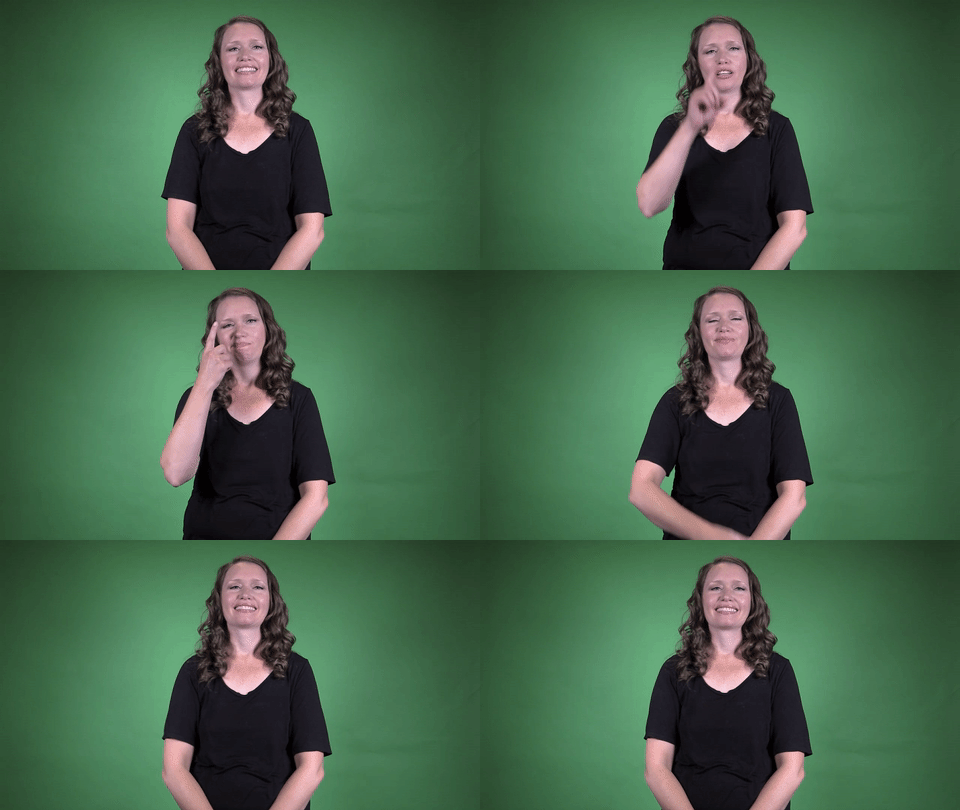
Definition: Feeling uninterested.
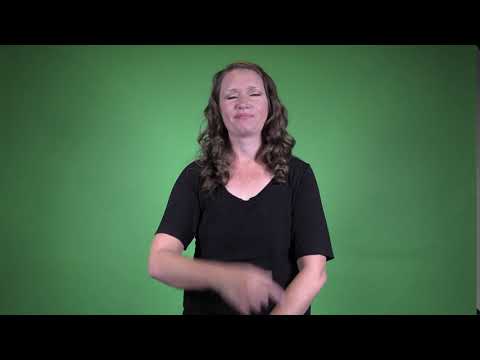
Sign for BORED in ASL

Practice Activities:
To practice the sign for BORED in ASL, begin by standing in front of a mirror. Practice the sign in isolation, focusing on correct handshape and facial expression. Remember that facial expression for this sign is key—it should clearly show disinterest or annoyance.
Practice switching from neutral expressions to bored expressions while signing. This not only reinforces the muscle memory but also strengthens emotional expressiveness. Do this slowly at first, and then practice increasing your speed as you build confidence with the movement.
Include the sign in simple sentences like “I’m bored,” “She is bored,” or “The kids are bored at home.” Sign each sentence with the proper facial expression to match the feeling conveyed. Repeating these examples helps with fluency and comprehension.
A helpful exercise includes storytelling prompts. Create a short story about a boring experience, such as waiting at the DMV or sitting through a long class. Use the sign for BORED in ASL each time a character demonstrates a lack of interest. This exercise helps learners use the sign in real context, increasing retention and comfort.
Pair up with a partner to role-play different scenes. One scenario might be a student in school acting bored during a lecture. One person signs what’s happening, and the other uses the sign for BORED in ASL naturally within the scene. Switch roles to give both partners time to express and recognize the sign.
Another activity involves watching silent story clips online and choosing when characters might be bored. Pause the video and sign what the characters are feeling, including the sign for BORED in ASL. This develops receptiveness to non-verbal cues matched with the correct sign.
Cultural Context:
In Deaf culture and the broader signing community, expressing emotions accurately is essential for clear communication. The sign for BORED in ASL captures more than just the feeling—it reflects how signers use body language and facial expressions to convey depth and nuance. Unlike spoken language, ASL heavily relies on visual cues, and the sign for BORED in ASL demonstrates this with a clear and relatable gesture.
The sign for BORED in ASL involves more than just a hand movement—it includes a facial expression that communicates the emotional weight of the word. Cultural context plays a significant role in how this sign is used socially. Within the Deaf community, honesty and directness are valued, so signing BORED can be a sincere expression of feelings in a conversation.
Using the sign for BORED in ASL among friends or in casual settings is quite common. It can indicate disinterest or a lack of engagement without being intentionally rude. Understanding the intent behind the sign, including the tone and situation, helps bridge communication gaps and fosters stronger connections between signers.
In more formal or professional settings, using the sign for BORED in ASL should be approached with care. Just like spoken language, context matters, and this sign might be seen as impolite if used inappropriately. In Deaf culture, emotional intelligence is displayed through appropriate usage of signs like BORED, matching the tone of the interaction.
Body language is one of the defining features of ASL communication, and the sign for BORED in ASL incorporates this fully. Your finger near your nose, combined with a bored facial expression, says more than words ever could. This layered expression showcases how ASL is not just a language, but a visual and emotional experience.
Children and students learning the sign for BORED in ASL are also taught when it is socially acceptable to use it. ASL classes often include discussions about when a sign may be culturally sensitive or context-specific. This shows the importance of social awareness in addition to language proficiency.
The sign for BORED in ASL is a good example of how signs are not universal across cultures. While the emotion of boredom is globally recognized, the specific way it’s expressed in ASL carries important cultural meaning. The act of learning this sign offers insight into how emotions are shared visually within the Deaf community.
Even in entertainment and social media, the sign for BORED in ASL has found its place. Influencers and ASL content creators use it to connect authentically with their audiences, illustrating everyday
Extended Definition:
The sign for BORED in ASL conveys more than just the feeling of having nothing to do. It captures the emotional state of disinterest or lack of stimulation, which is often expressed with specific facial expressions alongside the hand movement. American Sign Language relies on both handshapes and non-manual markers to accurately portray feelings like boredom.
To make the sign for BORED in ASL, you typically point your index finger to the side of your nose near the nostril and twist it slightly. The motion is small and usually accompanied by a facial expression that shows disinterest, such as rolling your eyes or frowning. This combination helps enhance the clarity and meaning of the sign.
Context plays an important role in how the sign for BORED in ASL is interpreted. For example, if someone is describing a boring class or event, they might use this sign multiple times or add emphasis by exaggerating the facial expression. As with many ASL signs, the tone and mood can change slightly based on how it is delivered.
The sign for BORED in ASL should not be confused with signs for tired or annoyed. While those emotions can sometimes overlap, each has distinct handshapes and placements. Mastery of these subtle differences is crucial for fluency in everyday conversation.
ASL uses spatial and visual grammar, which means signs like BORED can appear differently depending on sentence structure. For instance, if you’re mentioning several boring activities, you can sign BORED, followed by directional signs to emphasize your reaction to each activity. The flexibility of ASL allows users to adapt the sign to fit various social and narrative situations.
Young children often learn the sign for BORED in ASL when expressing their feelings about chores, school, or waiting. Parents and educators find it helpful to teach emotional vocabulary early to support healthy communication. Signing feelings allows deaf and hard-of-hearing children to express themselves more effectively and reduce frustration.
When learning the sign for BORED in ASL, it’s recommended to practice in a mirror or with a fluent signer. Watching the facial expression and hand twist together is key to mastering the correct form. ASL teachers often stress that attention to detail in signs for emotions builds strong expressive vocabulary.
There are slight regional variations in how people perform the sign for BORED in ASL. Some may do the finger twist closer to the nose or use different facial expressions. These variations are natural and reflect the diversity of the Deaf community across different areas.
In storytelling or conversation, using the sign for
Synonyms: uninterested, disinterested, fatigued, listless, jaded
Educational resources: Find related learning materials in our course bank!
Want more? Check out some of our popular learning activities on the homepage!
Need to look up a sign? Use our highly rated dictionary: https://aslinteractive.com/best-asl-dictionary/
Follow us on tiktok: https://www.tiktok.com/@aslinteractive. More social media links at the bottom of this page!
Long-tail Keywords: what is the sign for bored in asl, how do you sign bored in american sign language, bored asl sign meaning
Categories:
tags: emotions, feelings, everyday activities, adjectives, expressions
Parameters
*Handshape*:
The handshape used in the sign for BORED in ASL involves an index finger extended while the remaining fingers are curled into the palm, forming the letter “D” handshape. This dominant hand moves in a small twisting motion near the side of the nose to express disinterest or tedium.
In the sign for BORED in ASL, the palm typically faces inward toward the face. The fingertip touches the side of the nose, then twists away slightly to convey the feeling of boredom.
*Palm Orientation*:
The palm orientation for the sign for BORED in ASL starts with the index finger of the dominant hand pointing up, and the palm generally faces inward toward the face. As you move the finger toward the side of the nose, the finger twists slightly to show a change in direction.
In the sign for BORED in ASL, this inward palm orientation helps emphasize the internal feeling of boredom. The subtle rotation of the hand adds to the clarity and emotional impact of the sign.
*Location*:
The sign for BORED in ASL is produced at the side of the nose, just beside the right nostril for most right-handed signers. The index finger starts with the pad touching the side of the nose and then twists outward a bit as the expression of disinterest or boredom is shown on the face.
This placement near the nose is essential to convey the meaning correctly. Facial expression plays a key role in enhancing the effectiveness of the sign for BORED in ASL.
*Movement*:
The sign for BORED in ASL begins with your dominant hand forming an index finger, extended and all other fingers closed. Place the tip of the index finger near the side of your nose.
Twist the finger slightly as it makes contact, then pull the finger away from the nose in a small arc. The movement and facial expression should reflect a sense of disinterest or tiredness, which reinforces the sign for BORED in ASL .
*Non-Manual Signals*:
When using the sign for BORED in ASL, the non-manual signals are crucial for conveying the correct emotion. The facial expression should show disinterest or annoyance, typically by slightly squinting the eyes, furrowing the brows, or having a flat expression.
The mouth may form a slight frown or appear neutral with the lips closed, projecting a feeling of disengagement. These facial cues enhance the meaning of the sign for BORED in ASL and match the tone of the message .
*Prosody, Dominant/Non-Dominant Hand*:
The sign for BORED in ASL uses the dominant hand in an index finger shape. Start by placing the fingertip near the side of the nose and then twist it slightly forward while maintaining contact or letting it lightly brush the nose.
The non-dominant hand is not used in this sign. Facial expression is crucial—show a bored or disinterested look to accurately convey the meaning of the sign for BORED in ASL .
Tips for Beginners:
The sign for BORED in ASL is a simple, one-handed movement but can be misunderstood if not performed correctly. Beginners should practice placing their index finger on the side of the nose and twisting the finger slightly inward. This movement may look subtle, but clarity in the finger’s direction and control over the wrist is what makes the sign readable.
A big tip is to keep facial expression in mind—using a bored or uninterested facial expression drives meaning and emotional accuracy. In ASL, facial expressions are just as crucial as the hand movement itself. Without the right expression, the sign for BORED in ASL may come across as vague or even be mistaken for other signs.
One common mistake is pointing the finger straight into the nose or making large movements. Avoid poking or jabbing motions—this can seem aggressive or confusing. The hand should remain in a relaxed position and the twist should be done with a slight wrist movement, not the arm or whole hand.
Consistency in hand placement is key. Make sure you’re not too high or too low on the nose. Watch experienced signers or videos of native ASL users to internalize how they position the sign and link it with their facial cues.
To build confidence, practice the sign in front of a mirror while exaggerating your facial expression at first. Over time, this will feel more natural. Use role-playing or storytelling exercises to insert the sign for BORED in ASL into larger dialogues.
When using the sign in conversation, don’t rush. Clear, deliberate movement will always win over speed for beginners. Repetition and review are your best friends—try incorporating the sign daily in casual practice so it becomes instinctual. Over time, fluency will come with meaningful repetition and visual feedback.
Connections to Other topics:
The sign for BORED in ASL connects closely with emotional state signs such as ANNOYED, TIRED, and FRUSTRATED. These signs often use facial expressions to enhance meaning, and facial grammar is key when expressing feelings in ASL. The hand movement and location in the sign for BORED resembles rubbing or touching the side of the nose and then twisting slightly, conveying an internal, negative sensation.
In storytelling or conversational ASL, the sign for BORED can be combined with other signs to form compound expressions like BORED STAY-HOME or BORED LEARN, depending on the context. These combinations help express more specific ideas, like feeling bored due to being stuck at home or during a lesson. This kind of usage reinforces how important context and syntax are in fluent ASL communication.
Learning the sign for BORED in ASL opens doors to interpreting subtle emotional distinctions. For example, while BORED shows lack of interest, signs like ANNOYED or OVER-IT express irritation. Learners develop better fluency by noticing these differences and replicating appropriate non-manual signals such as facial tension or eye gaze.
The sign is also helpful in contrasting with opposites like EXCITED or INTERESTING. Showing how two emotional signs differ in handshape and movement builds stronger vocabulary retention. In classroom settings, educators might use roleplay scenarios like “What makes you BORED?” to help students imprint meaning with contextual support.
Because the sign for BORED in ASL is expressive, it often appears in narratives, vlogs, and youth conversations. It becomes a useful tool for engaging with expressive language themes in ASL, especially discussions about daily routines, moods, or social interactions. Incorporating it into expressive ASL dialogues boosts communicative comfort and emotional literacy .
Summary:
The sign for BORED in ASL is typically formed using the index finger. You start with your hand in an extended position, then bring the tip of your index finger to the side of your nose. With a subtle twist of the finger, you rotate it slightly while maintaining contact with the nostril area.
This twisting motion is a crucial part of the sign. The gesture communicates not just the word but also the sensation of uninterested detachment. The placement on the nose further accentuates a socially drained or disengaged state.
Facial expression plays a vital role in delivering the full meaning of the sign for BORED in ASL. You typically pair the manual sign with a face that shows psychological withdrawal—perhaps eyes half-lidded or a slight downward mouth indicating lack of interest. Without the facial cues, the sign loses its emotional frame.
The sign conveys more than an absence of activity; it suggests dissatisfaction with circumstances. In ASL culture, where emotion and affect are vital to communication, the sign incorporates both size and motion to express levels of intensity. For light boredom, the twist may be slight and the facial expression subtle.
For deeper boredom, however, the twist becomes sharp, and facial expressions might exaggerate frustration or impatience. This gradient illustrates how ASL conveys nuances beyond the dictionary meaning. The sign for BORED in ASL, therefore, connects tactile motion to psychological feeling.
Regional differences do exist. Some users may sign BORED by placing the index finger closer to the side of the nose bridge or angle their hand differently. While the core components remain the same, these small variants reflect localized dialects within Deaf communities.
There is also a related sign that adjusts the direction of the twist to indicate a passive versus active state. In this language, such subtle alterations can change the meaning entirely. Therefore, understanding the context is key to interpreting the sign for BORED in ASL accurately.
The directional quality of the sign ties in with ASL grammar. ASL often uses spatial grammar and movement to convey subject-object relationships. However, signs like BORED, which describe internal emotional states, rely more heavily on facial expressions rather than movement-based grammar.
Linguistically, the sign for BORED in ASL falls under a class of affective verbs. These differ from action-based or descriptive signs in that they indicate a personal state of being. Studying them provides insight into how ASL separates outward events from internal experiences.
In English, the word bored can function in various grammatical forms: an adjective (I’m bored), a participle (bored with something), or even playfully as a noun (the bored). ASL captures these functions but shifts them into a visual mode using classifiers and facial structure rather than word endings.
From a sociolinguistic viewpoint, expressing boredom in ASL offers insights into engagement norms in the Deaf community. It’s not merely about being uninterested—it can also signal that an interaction, environment, or event has failed to hold one’s attention. This can serve as feedback within communication itself.
The role of pragmatics can’t be ignored. The way someone signs BORED might be wrapped in social context. Are they trying to remain polite? Are they trying to signal impatience? The way the sign is delivered helps decode the speaker’s aim, much like tone of voice would in spoken language.
Expressing this sign can also carry meaning about one’s relationship with the environment. For example, using the sign in classroom settings could hint at the pace of instruction or the lack of engagement. Teachers who know the sign for BORED in ASL can recognize and respond to learner feedback more intuitively.
Children acquiring ASL pick up the sign early due to its frequency in emotional self-reporting. From an applied linguistics angle, the early adoption of affective signs like BORED helps children connect internal experiences to external expressions, strengthening cognitive-linguistic bonds.
The sign also reflects cultural themes of honesty and transparency. In Deaf culture, there is often an encouragement toward emotional openness through signing. If a person is bored, it is culturally more acceptable to express that directly compared to many spoken-language expectations.
Additionally, the sign is often a springboard for further conversation. People may use it to segue into asking for a change of topic or activity. In this way, the sign for BORED in ASL is not personal; it’s communicative, fostering more authentic interactions.
It is also connectable to a larger group of signs like FRUSTRATED, ANNOYED, or TIRED. These signs form a semantic cluster that helps describe one’s internal state. Learning them in tandem strengthens both vocabulary and expressive capacity.
Emotion-based signs in ASL often interact with classifiers and role-shifting techniques to build context. While the sign for BORED stands alone, it often appears in sequences that elaborate or contrast moods. For example, “I was bored, then excited” would require appropriate transitions in facial expression, pace, and body
Want more? Check out some of our popular learning activities!
ASL Interactive Resources
ASLInteractive YouTube Channel
Follow us on tiktok: @aslinteractive.com
Follow us on Instagram: aslinteractive
Facebook page: aslinteractive
Facebook group: aslinteractive
LInkedIn: ASL Interactive LLC
Twitter: @ASL_interactive
*Some information on this page is AI-generated. AI can make mistakes. Please check the information.


Responses