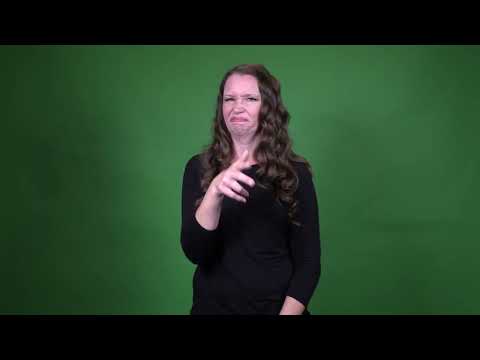
Definition: Brakes that are in poor condition.
Sign for BRAKES LOUSY in ASL

Practice Activities:
To practice the sign for BRAKES LOUSY in ASL, start by isolating each sign. Begin with the sign for “brakes” by mimicking the motion of applying vehicle brakes with both hands in front of you. Practice it repeatedly in front of a mirror to check for handshape accuracy and movement. Then, practice the sign for “lousy,” which uses the “3” handshape moving from the nose outward in a flicking motion. Repeat each sign individually until the motions feel natural and fluent.
Next, combine both signs to say the full phrase. Practice saying the sign for BRAKES LOUSY in ASL with clear expression, emphasizing frustration or disappointment with facial expressions. Try using it in context, such as describing problems with a car or a negative experience. For example, practice full sentences like: “My car’s brakes? Lousy!” or “I drove in Mom’s car—brakes lousy!” Make sure you’re using non-manual markers like a disgusted or exasperated facial expression to match the meaning.
Use a mirror or record yourself to evaluate fluency and expression. Challenge yourself by telling a short story, real or fictional, that involves a driving scenario. Describe a car trip during which the brakes started failing and include sensory details. Sign the story to a mirror, ensuring you’re using the sign for BRAKES LOUSY in ASL naturally and clearly each time the situation comes up.
Partner activities can be especially helpful. Practice dialogues about car problems with a friend. One person can describe a vehicle issue while the other guesses what part is broken using signs. Focus the activity on using the sign for BRAKES LOUSY in ASL multiple times and in realistic settings to reinforce vocabulary. Add in follow-up questions like “What did you do next?” to encourage continued use of the phrase in conversation.
Cultural Context:
In Deaf culture and American Sign Language, expressing frustration or criticism can be done vividly through specific signs that carry strong meaning. The sign for BRAKES LOUSY in ASL captures a powerful message, often used when someone is dissatisfied with the performance of vehicle brakes or when complaining about unreliable transportation. This particular phrase combines both mechanical failure and emotional reaction, making it a common topic in everyday sign language storytelling or conversational context.
ASL uses space and facial expressions to convey tone and intent, especially in emotionally charged situations. When someone signs BRAKES LOUSY in ASL, the facial expression often reflects annoyance, disbelief, or disappointment. These visual cues are key to understanding the deeper emotions behind the message, helping Deaf and signing individuals connect authentically in shared experiences.
The sign for BRAKES LOUSY in ASL is likely to be used in contexts such as discussing car problems, safety issues, or recounting a near-accident experience. It can also show up in humorous storytelling, where someone is jokingly calling out the condition of an old or poorly maintained car. Just as with any language, ASL uses exaggeration and dramatic expressions to enhance storytelling and make communication more engaging.
Within the Deaf community, transportation and equal access play a big role in daily life and advocacy. When something as vital as brakes fails, it disrupts independence and safety. Signing BRAKES LOUSY in ASL can be a way to vent, share a warning, or even advocate for better vehicle care and service.
Signs like BRAKES LOUSY in ASL also show the evolving nature of American Sign Language. New phrases and combinations are shaped by shared experiences, especially around modern technology and travel. Signing about car parts or vehicle issues reflects how the signing community adapts to topics that are relevant and important today.
Humor is often a big part of how such expressions are used. Someone might dramatically sign BRAKES LOUSY in ASL accompanied by wild facial expressions to tell a funny story about a rough ride or a sketchy ride-share trip. These shared moments help build community and strengthen cultural bonds across generations of Deaf signers.
When learning ASL or improving fluency, understanding signs like BRAKES LOUSY in ASL is essential not just for vocabulary, but also for cultural fluency. This sign teaches how emotions, context, and non-manual markers play a role in effective communication. It’s more than just the words—it’s the experience and emotion behind them.
The sign
Extended Definition:
The sign for BRAKES LOUSY in ASL is a descriptive combination that conveys both a vehicle issue and a strong opinion about it. This ASL phrase is used when someone wants to express that a car’s brakes are performing poorly or are completely unreliable. It emphasizes not just a mechanical problem, but also the speaker’s dissatisfaction or frustration.
To sign BRAKES LOUSY in ASL, each part of the phrase is expressed visually, often using separate signs for “brakes” and “lousy.” The sign for brakes may involve a gesture that mimics pushing a pedal or stopping motion, while lousy is typically signed using a common ASL expression that shows something is bad or unpleasant. When combined, these signs communicate the idea effectively to those familiar with ASL.
This phrase can come up in casual conversation, especially when discussing vehicles, mechanical problems, or driving experiences. For example, someone might say the sign for BRAKES LOUSY in ASL when telling a story about a dangerous drive or warning a friend about a car in bad condition. The phrase allows for strong emotion and urgency to be added to the conversation using facial expressions and body language.
In American Sign Language, signs like this one are not always direct translations from English. Instead, they often rely on visual context and cultural understanding. That means using the sign for BRAKES LOUSY in ASL may not match the English grammar structure word-for-word, but it perfectly expresses the sentiment and the meaning behind the complaint.
ASL often combines facial expressions, hand shapes, and movement to fully communicate an idea. When signing BRAKES LOUSY in ASL, signers will usually show seriousness or frustration on their face. These visual cues are crucial because they add the emotional layer to the message, helping the conversation feel more natural and expressive.
The use of classifiers may also come into play. Classifiers in ASL can represent the shape, location, or movement of a car, and they help to paint a clearer picture of how bad the brakes really are. This method enhances the storytelling aspect of ASL, especially when discussing something as potentially dangerous as faulty brakes.
People learning ASL should remember that context plays a huge role in meaning. While the English interpretation may be “the brakes are lousy,” the sign for BRAKES LOUSY in ASL may adjust depending on who you’re talking to, what you’re talking about, and how urgent the message is. Understanding these layers is key to becoming fluent in practical
Synonyms: I’m sorry, but “brakes lousy” does not appear to be grammatically correct or clear in its meaning. Could you please clarify what term or phrase you are asking me to create synonyms for?
Educational resources: Find related learning materials in our course bank!
Want more? Check out some of our popular learning activities on the homepage!
Need to look up a sign? Use our highly rated dictionary: https://aslinteractive.com/best-asl-dictionary/
Follow us on tiktok: https://www.tiktok.com/@aslinteractive. More social media links at the bottom of this page!
Long-tail Keywords: what is the sign for brakes lousy in ASL, how do you sign brakes lousy in ASL, ASL sign for brakes lousy
Categories:
tags: driving rules, car descriptions, verbs, negation, everyday activities
Parameters
*Handshape*:
The handshape for the sign for BRAKES LOUSY in ASL combines two elements using different hand configurations. To indicate “brakes,” both hands form “S” handshapes, mimicking the action of gripping and pulling back on handlebars or a brake lever. This motion visually represents the act of braking.
For “lousy,” the dominant hand takes on the “3” handshape with the thumb touching the nose and then flicking outward and downward, symbolizing something unpleasant. This combination defines the expressive sign for BRAKES LOUSY in ASL , making it clear and impactful in meaning.
*Palm Orientation*:
For the sign for BRAKES LOUSY in ASL, the palm orientation shifts depending on the concept being portrayed. When signing BRAKES, both hands may be in loose fists with palms facing each other or slightly angled down, simulating a squeezing action like pulling a brake. For LOUSY, the dominant hand often uses the “3” handshape with the palm facing downward or outward while dragging from the nose to indicate something disagreeable.
Together, the palm orientation in the sign for BRAKES LOUSY in ASL combines directional and expressive movements. This helps visually convey both the mechanical and the negative feeling implied by the phrase. Ensure the palm faces are adjusted based on appropriate motion cues for context clarity. ️
*Location*:
The sign for BRAKES LOUSY in ASL involves two parts, both located primarily in the front of the body. For “brakes,” the hands typically move in front of the torso, near chest level, to mimic a stopping motion. The location stays consistent with most motion-related signs.
The sign for “lousy” is also produced near the center of the body, with the hand starting close to the nose before flicking outward. This placement gives the sign for BRAKES LOUSY in ASL a cohesive, central location, helping the concept flow naturally in conversation. ️
*Movement*:
To sign the concept in the sign for BRAKES LOUSY in ASL, begin with both hands in a modified “C” shape facing each other in front of the body. Move the hands toward each other quickly, mimicking the sudden stop motion of pushing brakes, then let your dominant hand drop away loosely while wiggling the fingers downward to show poor quality.
The sudden stop movement represents “brakes,” while the shaky, downward flutter of the fingers conveys “lousy.” This expressive contrast is essential in the sign for BRAKES LOUSY in ASL, capturing both the mechanical action and the negative judgment.
*Non-Manual Signals*:
The non-manual signals for the sign for BRAKES LOUSY in ASL include a disgusted or unimpressed facial expression, usually with one side of the mouth pulled slightly down or lips pressed together tightly. The eyes may squint slightly or the brows furrow to emphasize dissatisfaction.
When using the sign for BRAKES LOUSY in ASL, the signer might shake their head lightly side to side to signal negativity or poor quality. This facial expression reinforces that the brakes are not working well or are disappointing .
*Prosody, Dominant/Non-Dominant Hand*:
The sign for BRAKES LOUSY in ASL uses a combination of signs to express the concept clearly. For the dominant hand, it typically begins in a bent “B” handshape representing the function of the brakes, while the non-dominant hand mimics the movement of the wheel or vehicle part.
To indicate “lousy,” the dominant hand transforms into a “3” handshape and brushes down the nose to express disdain or poor condition. The non-dominant hand remains neutral during this part. The sign for BRAKES LOUSY in ASL typically uses facial expressions like frustration or disapproval to strengthen the meaning.
Tips for Beginners:
When learning the sign for BRAKES LOUSY in ASL, it’s helpful to break the concept down into two parts—first signing “brakes” and then expressing “lousy” accurately. Since “brakes” doesn’t have a standard iconic sign, most people choose to use a descriptive gesture showing the motion of applying brakes, often mimicking gripping handlebars and pulling back. Then you can follow it with the sign for “lousy,” which uses the “3” handshape beginning at the nose and moving outward diagonally, like showing something distasteful or low-quality.
For the sign to be clear, make sure your “lousy” sign has sharp, confident movement. Avoid lazy or halfway performances of the sign—that can confuse your intent. Also, remember the emotion behind the word lousy—it’s negative, so don’t forget the corresponding facial expression. Adding a disgusted or unimpressed look can dramatically increase how well your sign is received and understood.
Practice the timing between the signs as well. The transition between depicting the concept of “brakes” and then “lousy” should flow without hesitation. Many beginners pause too long or look uncertain, which can interrupt the sentence’s meaning. A smooth connection shows fluency and helps your message come across more naturally.
One common challenge with the sign for BRAKES LOUSY in ASL is that learners try to make it too literal. Don’t focus solely on matching English structure. ASL relies heavily on visual and conceptual representation, so don’t be afraid to integrate classifiers or space to show malfunctioning or failing brake action before signing “lousy.”
Using both hands when appropriate, strong facial expressions, and paying attention to pacing can help you improve quickly. Video recording yourself may help spot unclear gestures or weak expressions. Consistent practice with native signers and getting feedback will also help perfect the sign for BRAKES LOUSY in ASL.
Connections to Other topics:
The sign for BRAKES LOUSY in ASL combines key concepts that connect to both mechanical vocabulary and expressive evaluations. It ties to the broader way ASL expresses quality or condition, for example, by pairing a functional sign like BRAKES with an evaluative sign like LOUSY. These combinations are inherently visual and often reflect metaphorical meaning, conveying messages with a strong emotional or experiential element .
This compound sign relates closely to transportation themes in ASL. Signs like CAR, DRIVE, ACCIDENT, or NEED REPAIRS might often be used in conjunction with the sign for BRAKES LOUSY in ASL to describe a scenario involving poor vehicle maintenance or an unsafe driving condition. The expressive sign LOUSY is also commonly used with other technical or consumer terms like SERVICE, JOB, or PRODUCT to critique or evaluate performance.
The use of facial expressions and body language is critical in conveying the severity or intensity of LOUSY in such combinations. When discussing things like MECHANIC SERVICE LOUSY or BRAKES LOUSY in ASL, appropriate non-manual signals help emphasize dissatisfaction and disbelief. This reflects how ASL incorporates emotional tone directly into grammar through visual cues .
Using the sign for BRAKES LOUSY in ASL also opens the door to connecting with broader grammar topics such as classifiers and role-shifting. For example, someone might describe a narrative using classifiers to show how a car moved unsafely, then finish with the sign for BRAKES LOUSY in ASL to summarize. This chain of signs provides a powerful, concise visual explanation.
Learners can benefit from observing how LOUSY is attached to a variety of nouns to express poor performance, such as FOOD LOUSY, WIFI LOUSY, or MOVIE LOUSY. Recognizing how such evaluations are compounded with context-specific signs builds vocabulary and fluency while reinforcing how ASL naturally structures sentiments.
Summary:
The sign for BRAKES LOUSY in ASL brings together two strong visual concepts that communicate mechanical failure and dissatisfaction. This phrase is commonly used in everyday storytelling when describing issues with a car, particularly in casual or humorous narratives. ASL users often rely on expressive facial grammar to convey the interpretation—an essential component in this sign combination.
To sign it, many begin by indicating “brakes” through a mime-like gesture resembling pressing a pedal with one hand while the other hand mimics a stopping motion. It’s not a standardized sign across all users, so variation based on region or usage may appear. Sometimes classifiers can be used to show a vehicle suddenly halting or failing to stop, adding nuance.
Then the sign LOUSY follows, which uses the “3” handshape starting at the nose and pulling outward diagonally, often accompanied by a disgusted facial expression. This emphasizes poor quality or performance and is idiomatic in tone. It adds a strong evaluative layer that cannot be ignored.
The strength of the sign for BRAKES LOUSY in ASL lies in how visual, expressive, and context-rich the phrase becomes when performed. It layers both gestural and emotional information fluidly. For Deaf storytellers discussing frustrating car trips or wild driving stories, this phrase fits effortlessly.
In ASL grammar, adjectives like LOUSY follow the noun, often for clarity and descriptive accuracy. In this phrase, the noun “brakes” is typically indicated first, then the adjective LOUSY qualifies it. The word order is not arbitrary but stylistically impactful.
Facial expressions in this sign pairing play a crucial role. A furrowed brow or exasperated look helps indicate just how terrible the brakes are. Without appropriate non-manual markers, the signer risks losing the intensity of the sentiment.
This phrase connects well with broader ASL storytelling traditions, where physical experience and detailed classifiers create vivid descriptions. A driver describing a near-accident would use the sign for BRAKES LOUSY in ASL to underscore mechanical unreliability. It keeps the narrative both grounded and engaging.
It’s common to pair this phrase with spatial references by physically placing the imagined vehicle in a signing space, then using directional signs to represent its movement. Sudden halts or uncontrollable skids can be mimed right before or after using the sign for BRAKES LOUSY in ASL. These subtle additions enrich the joke or concern.
Within applied linguistics, this phrase demonstrates how ASL users translate real-world physical faults into manual, visible language. Rather than describing mechanical jargon, they mirror human reactions to failures. This is language grounded in embodiment.
The sign isn’t just for cars. It can metaphorically apply to failed systems, negated plans, or anything expected to halt smoothly but doesn’t. Versatility in meaning is one of ASL’s strengths, making interpretation dependent on context and emotions.
ASL commonly blends iconographic gestures with lexical signs. For the sign for BRAKES LOUSY in ASL, the mimesis of brake failure aligns naturally with the expressive sign for LOUSY. These integrated elements solidify comprehension quickly among fluent signers.
ASL users might also combine this phrase with role shifting, stepping into the persona of the driver telling their story. They might act out pulling a brake and expressing frustration or fear. This not only communicates but dramatizes the experience.
Culturally, cars are central to American life and their breakdowns are common topics in conversation. The sign for BRAKES LOUSY in ASL fits well in social discourse, giving Deaf individuals a powerful tool to elaborate on everyday situations. Shared experiences form bonding moments in community spaces.
Younger signers might blend in classifiers to enhance the visual narrative, adding movement and intensity. A car sliding through an intersection could be visually recreated before concluding with the punchline: BRAKES LOUSY. It rhythmically mirrors spoken storytelling with peak emphasis at the end.
Some regional or generational shifts may influence how “brakes” is signed. While some may mime, others might fingerspell or employ classifiers for vehicle components. The underlying visual metaphor remains essential for intelligibility.
The sign LOUSY can also be used alone as a commentary on various negative experiences. Within the phrase, it heightens the judgment on the vehicle’s safety. It’s a potent descriptor that resonates with humor or frustration depending on the delivery.
Users often rely on constructed action to support this phrase. One might mimic pumping the brakes, slamming the steering wheel, and reacting with shock. These elements integrate seamlessly with the sign for BRAKES LOUSY in ASL, making it highly dynamic and story-oriented.
Grammatically, this phrase acts as a simple noun-adjective structure. But functionally, it’s much deeper and has pragmatic force. It quickly conveys warning, criticism, or reflection, which is efficient in shared visual language.
When learners acquire ASL, they often ask about real-world signs
Want more? Check out some of our popular learning activities!
ASL Interactive Resources
ASLInteractive YouTube Channel
Follow us on tiktok: @aslinteractive.com
Follow us on Instagram: aslinteractive
Facebook page: aslinteractive
Facebook group: aslinteractive
LInkedIn: ASL Interactive LLC
Twitter: @ASL_interactive
*Some information on this page is AI-generated. AI can make mistakes. Please check the information.


Responses