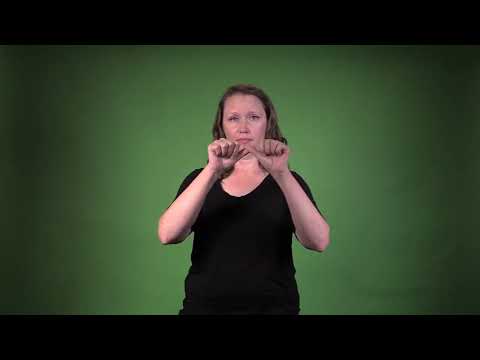
Definition: The design and construction of buildings.
Sign for BUILDING ARCHITECTURE in ASL

Practice Activities:
To build confidence using the sign for BUILDING ARCHITECTURE in ASL, start by practicing the sign in front of a mirror. Repetition with accurate handshape and movement will reinforce muscle memory. Record yourself signing and analyze your form to refine any small errors. Try alternating between fingerspelling the word “architect” and then using the sign to develop fluency.
Create flashcards with related vocabulary, such as HOUSE, CITY, STRUCTURE, DESIGN, and CONSTRUCTION, and incorporate the sign for BUILDING ARCHITECTURE in ASL into short phrases. Combine the sign with other location-based signs like SCHOOL, HOSPITAL, or MUSEUM to expand your expressive range. Use these cards for timed practice or a matching game with a partner to review architectural categories.
Practice expressive skills by developing a short narrative about creating a dream building. Use the sign for BUILDING ARCHITECTURE in ASL within the story to explain what kind of structure it is, how it looks, and the purpose of the design. Include ideas like tall skyscrapers, curved rooflines, or eco-friendly materials to expand descriptive language in sign.
Find a partner and take turns describing various places you’ve seen, signed in ASL, and try to include the sign for BUILDING ARCHITECTURE in ASL in your sentences. For example, sign something like, “That BUILDING ARCHITECTURE downtown with all glass walls is amazing.” Use location signs to support your descriptions and anchor your ideas clearly in space.
Another fun activity is a design role-play. One student acts as the architect and explains their blueprint using ASL. Incorporate the sign for BUILDING ARCHITECTURE in ASL while discussing layout, style, and function. The other person interprets or asks questions, reinforcing both expressive and receptive skills in a real-world context.
Cultural Context:
In the Deaf community, architecture has a unique place. The sign for building architecture in ASL blends visual, spatial awareness with strong cultural appreciation. In American Sign Language, expressing concepts like structure, form, and design connects deeply with how information is processed in a visual language.
Signing about construction, design, and building spaces is more than just vocabulary—it reflects cultural identity. The sign for building architecture in ASL communicates not only what is being created but how the space will relate to people, especially in accessible ways. Architecture that considers DeafSpace principles demonstrates how language and environment intersect.
Spaces designed with Deaf individuals in mind often include visual sightlines, wider hallways, strategic lighting, and open layouts. These aspects make buildings more accessible and inclusive. Using the sign for building architecture in ASL can also acknowledge whether the built environment respects or ignores these values.
Deaf architecture is a growing concept that celebrates Deaf culture and Deaf ways of being. The use of ASL creates opportunities to discuss designs that support visual alert systems, vibration-based signals, and signing-friendly environments. When learning the sign for building architecture in ASL, it’s helpful to think about more than concrete and steel—it’s about space, flow, and cultural respect.
Design professionals who work with Deaf clients or communities may use the sign for building architecture in ASL to ensure accurate and clear communication. For students learning ASL, this term expands vocabulary related to industries like construction and urban planning. Understanding spatial language through signs cultivates deeper connections to disciplines beyond traditional classroom topics.
Language is always evolving, and the way architecture is signed might show regional variations. However, the core concept ties back to visual representation. Watching how the sign for building architecture in ASL is used in various contexts—school discussions, Deaf events, or workplace collaboration—can help deepen language comprehension.
In educational settings, discussing architecture through ASL encourages students to think visually and spatially. Deaf students might explore how historical buildings overlooked accessibility and how modern designs improve inclusion. Learning the sign for building architecture in ASL supports both language development and cultural empowerment.
Sharing ideas about building design in ASL promotes awareness about how important space is in communication. Many Deaf artists and designers use their language to interpret building plans and models in completely visual ways. The sign for building architecture in ASL anchors these expressions in a culturally rich lexicon.
When buildings are designed with the Deaf community in mind, the outcome is often a more inclusive environment
Extended Definition:
The sign for building architecture in ASL combines signs that convey the concepts of structure and design. This phrase is often used when discussing topics related to architectural design, building construction, or the profession of architecture. Understanding how to sign this phrase in American Sign Language helps improve conversations related to careers, education, and urban development.
To express the sign for building architecture in ASL, users typically begin with the sign for building. This is done by mimicking the process of constructing walls, where flat hands are stacked on top of each other in space. Then, the sign for architecture is added, which represents the idea of designing a structure. This sign is similar to drawing or outlining, reflecting the creative and technical aspects of architectural planning.
Using the sign for building architecture in ASL allows for rich dialogue in many contexts. It can be used in academic settings when discussing different architectural styles or learning about historical buildings. Students studying architecture or related fields will frequently use this sign to describe their profession or field of interest.
In professional conversation, the sign for building architecture in ASL is useful when connecting with clients, colleagues, or contractors in the design and construction industries. It enables Deaf architects and designers to express complex concepts related to spatial layout, materials, and aesthetics. Signing architectural ideas helps bridge communication between hearing and Deaf communities in collaborative projects.
The phrase building architecture in ASL can also be applied in casual conversations, such as when visiting a new city or commenting on the design of a unique structure. This makes it a valuable phrase for travelers, creatives, and anyone with an interest in buildings and urban design. It also broadens descriptive capabilities when interpreting visual environments into sign language.
When teaching or learning American Sign Language, including specific phrases like building architecture provides depth and relevance to lessons. Learning how to sign technical phrases improves vocabulary and increases the range of topics that can be discussed. It also adds professional language to a signer’s toolkit, especially for those who plan to work in architecture or related fields.
This sign phrase can vary slightly based on context or regional differences in sign language. Some signers may incorporate additional facial expressions or use classifiers to provide more detailed descriptions, such as the shape or size of a building. These modifications help personalize the sign and convey more accurate information visually.
Adding the sign for building architecture in ASL to your vocabulary provides greater fluency and cultural understanding. It reflects an important area of modern communication, especially in conversations about art, technology, and community planning. Learning this phrase helps AS
Synonyms: building design, structural design, architectural design, construction layout, edifice planning
Educational resources: Find related learning materials in our course bank!
Want more? Check out some of our popular learning activities on the homepage!
Need to look up a sign? Use our highly rated dictionary: https://aslinteractive.com/best-asl-dictionary/
Follow us on tiktok: https://www.tiktok.com/@aslinteractive. More social media links at the bottom of this page!
Long-tail Keywords: what is the ASL sign for building architecture, how do you sign building architecture in ASL, building architecture in American Sign Language
Categories:
tags: architecture, buildings, facilities and other locations/needs, cities, housing
Parameters
*Handshape*:
The handshape for the sign for BUILDING ARCHITECTURE in ASL uses flat hands, also known as “B” handshapes ️. Both hands start with palms facing each other and alternately stack on one another in upward movements, mimicking the appearance of constructing layers of a building.
This visual representation helps communicate the concept of structure or design. The flat “B” handshapes are essential in showing the process related to the sign for BUILDING ARCHITECTURE in ASL.
*Palm Orientation*:
The palm orientation for the sign for BUILDING ARCHITECTURE in ASL involves both hands facing each other with palms inward. As you mimic a layering or stacking motion to represent a structure, the palms remain parallel and move alternately upward, simulating levels of a building .
For the “architecture” portion of the sign for BUILDING ARCHITECTURE in ASL, the dominant hand often acts as if sketching or outlining on the non-dominant flat palm, which faces upward. This indicates the design aspect, with palms maintaining a clear orientation to represent technical planning.
*Location*:
The sign for BUILDING ARCHITECTURE in ASL is produced in the neutral space directly in front of the upper torso. The dominant and non-dominant hands typically move in this mid-space area, around chest to shoulder height, allowing for clear visibility and comfortable hand motion. This location makes the sign easily distinguishable and naturally fits the visual-spatial nature of the concept.
In the sign for BUILDING ARCHITECTURE in ASL, the movement mimics construction or structuring, and the location supports this visual metaphor. Keeping the hands at chest level helps represent the physical space of a building, reinforcing the architectural concept .
*Movement*:
To show the sign for BUILDING ARCHITECTURE in ASL, start with both hands in flat “B” handshapes, palms facing each other, and alternate tapping the fingertips upward, one hand above the other. This represents the layers or structure of a building .
Then transition to the sign for “architecture” by using your dominant hand in a bent “5” or modified “claw” shape, outlining the form or structure in front of your body to show architectural design. The sign for BUILDING ARCHITECTURE in ASL blends construction and design elements fluently.
*Non-Manual Signals*:
When signing the Sign for BUILDING ARCHITECTURE in ASL, the signer typically maintains an attentive and focused facial expression . This shows engagement and helps convey the technical and structural nature of the concept. Slightly raised eyebrows or a nod can emphasize specificity when describing types of structures or styles.
The non-manual signals used in the Sign for BUILDING ARCHITECTURE in ASL may include a neutral mouth posture or slight pursing of the lips, indicating thoughtfulness. Pauses in eye gaze or small head tilts can signal transitions between aspects of the building and its design. These cues support clarity and enhance understanding during the explanation.
*Prosody, Dominant/Non-Dominant Hand*:
The sign for BUILDING ARCHITECTURE in ASL involves both hands. The dominant and non-dominant flat hands alternate stacking upward in layers, resembling the building process. This repeated upward stacking motion mimics the structure and form involved in buildings and architecture.
In the sign for BUILDING ARCHITECTURE in ASL, the movement reflects how structures are physically constructed. The use of both hands shows how components come together in architectural design ️. The prosody carries a sense of structure, symmetry, and construction.
Tips for Beginners:
When learning the sign for BUILDING ARCHITECTURE in ASL, it’s important to break down the concept into its two parts: BUILDING and ARCHITECTURE. BUILDING is typically signed by forming both hands into flat palms (like the “B” handshape), then stacking them back and forth as if “building” upward. For ARCHITECTURE, a common approach is to first sign BUILDING, then use your dominant hand in the “A” handshape and trace the silhouette of a building or draw a line that visually represents a blueprint or architectural feature. This sequence helps to clearly represent the full concept.
A helpful tip is to make your movements clean and deliberate. New learners often rush or blend signs together, which reduces the clarity of complex ideas like the sign for BUILDING ARCHITECTURE in ASL. Slowing down allows for clearer form and ensures your signing conceptually makes sense. Practicing in the mirror can help identify awkward angles or unclear hand placement.
Consistency in your handshapes is key. When forming the stacking motion for BUILDING, remember to keep your fingers together and palms slightly angled toward each other. Avoid turning the hands or letting your fingers splay apart, as this can make the sign look sloppy or confusing. For ARCHITECTURE, precision in the tracing motion communicates the idea better, especially if you’re mimicking designing or structural lines.
Don’t forget about facial expressions and eye gaze. Incorporating these non-manual signals can emphasize size, complexity, or emotion tied to the concept of BUILDING ARCHITECTURE. Students often overlook this, but it greatly enhances fluency. Watching videos of native ASL users sign this phrase in context will give you better insight.
Lastly, try using the sign for BUILDING ARCHITECTURE in ASL during everyday conversations about places, design, or careers. This helps reinforce memory through consistent use and real-world application. ♂️
building architecture in ASL, sign for building architecture, ASL sign for architecture, how to sign building architecture in ASL, learn ASL building architecture sign, American Sign Language building architecture
Connections to Other topics:
The sign for BUILDING ARCHITECTURE in ASL connects closely to other topic areas like construction, structure, and design. It often overlaps with signs like BUILDING, STRUCTURE, and DESIGN, which all play roles in expressing built environments. These related signs form a base for understanding more complex ideas surrounding the built world.
This sign also aligns with job-related vocabulary, much like signs for ENGINEER, DESIGNER, and CONSTRUCTION-WORKER. In conversations around professions or career fields, the sign for BUILDING ARCHITECTURE in ASL can be part of larger thought clusters like CAREER PATH or EDUCATION FOCUS. These connections allow users to express not only what something is but also who participates in creating it.
Compound signs may include combinations like BUILDING blended with PLAN or DRAW to describe drafting structures or planning layouts. In contexts like urban planning or civic engineering, these combinations help describe the workflow behind creating living or working spaces. When used with signs like CITY or COMMUNITY, the sign for BUILDING ARCHITECTURE in ASL can help visually convey how individual structures relate to a larger societal design.
There are also strong connections between this sign and artistic or creative disciplines. When paired with signs like ART, STYLE, or INSPIRE, it can reflect the aesthetic aspects of architecture—beyond its functional component. This is useful when discussing innovative or modern design styles in academic or design discussions.
In educational and academic contexts, it links naturally with signs for MAJOR, UNIVERSITY, or DEGREE. Learners can use the sign for BUILDING ARCHITECTURE in ASL to discuss studying architecture as a subject or even describe a student in the field. It helps bridge both practical and intellectual realms of architectural knowledge.
Lastly, when signing about accessibility or inclusive design, the sign connects with ideas like DEAF-FRIENDLY or ACCESS. These connections allow a signer to describe architecture’s role in inclusivity, making the topic both technical and socially relevant. ️✨
Summary:
The sign for BUILDING ARCHITECTURE in ASL brings together concepts from both physical construction and design. It merges signs related to “build” and “architecture” to reflect structure, intention, and functionality.
To start, the sign for “building” often involves stacking flat hands, palm-down, moving one over the other in an alternating pattern. This motion reenacts the act of placing bricks or layers on top of each other, evoking the tactile process of physical creation.
Then, “architecture” adds a layer of specificity. It starts similarly to the sign for “design,” which uses non-dominant hand flat and vertical like a wall, while the dominant hand moves with a bent “V” handshape across it like drafting lines.
The full sign for BUILDING ARCHITECTURE in ASL logically connects both concepts. You start with the literal building component, then apply the cultural and technical layer of architectural design by transitioning into the sign for architecture.
This sign combination gives a visual narrative of thinking, planning, and constructing. As with many compound signs in ASL, users often compress or stylize depending on pace and context.
There might be regional or contextual variations in how BUILDING ARCHITECTURE is signed. Some communities or professionals may fingerspell “architecture” or use initialized signs based on the English word’s influence.
The use of initialized signs in this context is debated. Some resist alphabet-based signs and prefer more conceptual or classifier-rich expressions that reflect Deaf cultural norms.
BUILDING ARCHITECTURE in academic contexts might leverage classifiers, especially when describing the visual-spatial qualities of structures. For example, a signer can use CL:3 or CL:1 handshapes to represent columns, walls, or floor plans.
The visual grammar of ASL allows for dynamic rendering of structures. That means one isn’t limited to the main sign but can expand with classifiers to give detail, such as height, layout, or design intent.
In applied linguistics, signs like BUILDING ARCHITECTURE illustrate how ASL conveys layered meaning through compact structural handshapes. It demonstrates semantic compression and syntactic economy typical of signed languages.
Grammatically, ASL permits topicalization with a sign like BUILDING ARCHITECTURE. A signer might set it up first in space and follow with descriptive details, adding depth to the conversation.
Spatial referencing is key to expanding on this sign. Once BUILIDNG ARCHITECTURE is established, a signer can localize buildings in signing space to indicate design differences or comparisons.
Deaf architects or students of architecture frequently use descriptive signing to bridge technical discussions. The ability to walk someone through a 3D concept in real time through ASL is a powerful tool.
The sign for BUILDING ARCHITECTURE in ASL can be part of broader discussions about accessibility in design. Deaf architects emphasize visual space, acoustic considerations, and the physical experience of a space, and these elements are present in their signed descriptions.
In a cultural lens, architectural design reflects Deaf culture through DeafSpace—where BUILDING ARCHITECTURE extends into identity. Concepts like open sightlines, visual alerts, and communal layouts are often reflected in how signs describing architecture are constructed and emphasized.
The use of BUILDING ARCHITECTURE among Deaf community members doesn’t just refer to a profession but to a living engagement with space. Especially in Deaf schools or institutions, architecture is seen as a language that supports access.
The compound sign allows flexibility to either focus on the physical structure, the blueprint, the process, or the artistic design—making the sign for BUILDING ARCHITECTURE in ASL polyvalent across registers, from casual chats to formal discourse.
The motion of the architecture component mirrors how blueprints look. This visual similarity strengthens comprehension among signers, as the fingers and hands mimic tools used in design, like drawing lines or measuring.
This sign is an example of iconicity in ASL—where visual aspects of the object or concept are mirrored in the handshape or movement. It visually encodes both “what” architecture is and “how” it happens.
In educational contexts, signing BUILDING ARCHITECTURE often opens lessons in STEM or art fields. It’s an important cornerstone sign when introducing Deaf students to technical vocabulary in their own language.
Teachers may use it repeatedly, pausing at each component sign to explain building materials, concepts like load-bearing walls, domes, or symmetry, using signs like “steel,” “support,” and relevant classifiers.
In interpreter settings, especially post-secondary education, interpreting BUILDING ARCHITECTURE can require prior glossing of complex terms. When used with classifiers and adapted vocabulary, it ensures clarity for Deaf clients.
Often, interpreters collaborate with students or professionals in architecture to create glossaries. These may extend the meaning of BUILDING ARCHITECTURE into specialized signs for styles like “gothic,” “sustainable,” or “residential.”
In visual storytelling, such as
Want more? Check out some of our popular learning activities!
ASL Interactive Resources
ASLInteractive YouTube Channel
Follow us on tiktok: @aslinteractive.com
Follow us on Instagram: aslinteractive
Facebook page: aslinteractive
Facebook group: aslinteractive
LInkedIn: ASL Interactive LLC
Twitter: @ASL_interactive
*Some information on this page is AI-generated. AI can make mistakes. Please check the information.

Responses