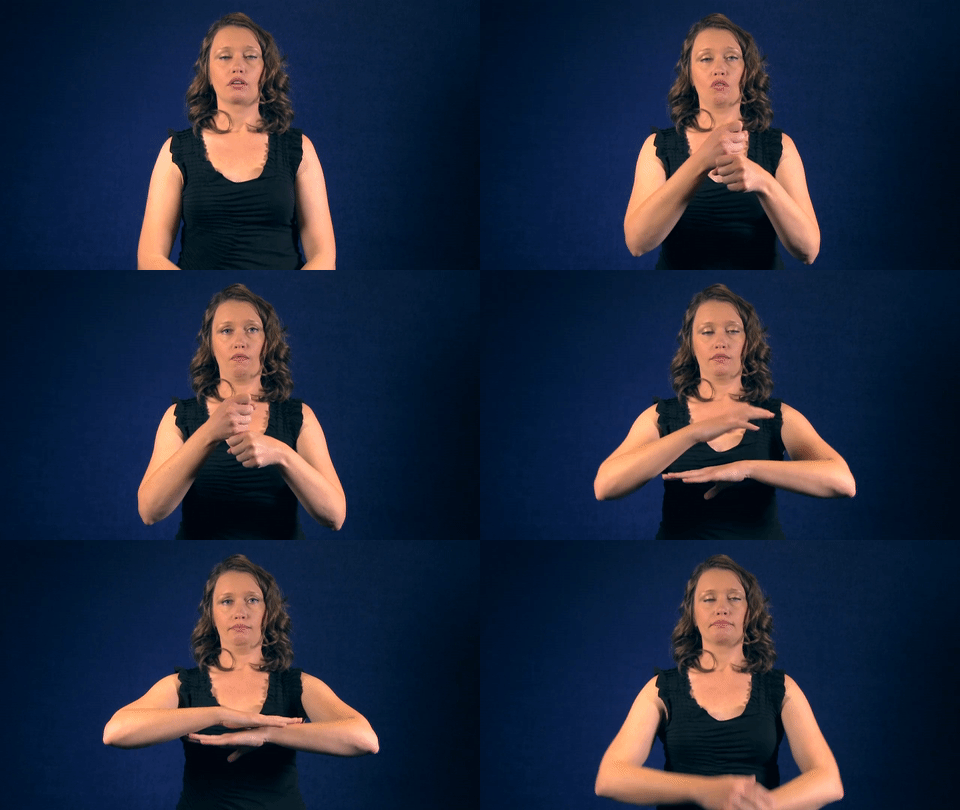
Definition: A table for coffee.
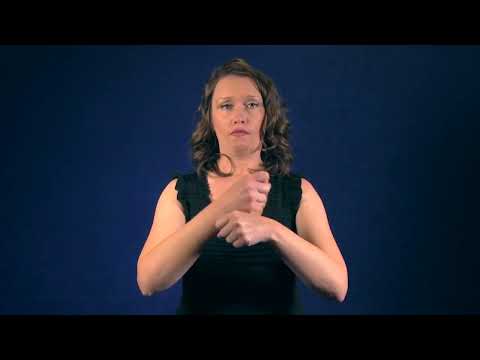
Sign for COFFEE TABLE in ASL

Practice Activities:
Begin your practice by signing COFFEE and TABLE separately. Practice these two signs in isolation a few times to build muscle memory and handshape clarity. Once you are comfortable, combine them fluidly to form the sign for COFFEE TABLE in ASL.
Stand in front of a mirror and sign COFFEE TABLE while paying attention to your facial expressions and hand positioning. Try doing this slowly at first, then gradually increase your speed without losing clarity. Use a phone or webcam to record yourself and then review to evaluate your accuracy.
Use the sign for COFFEE TABLE in ASL in short phrases, such as “The book is on the coffee table” or “I cleaned the coffee table today.” Create five sentences that describe things on, under, or near a coffee table, then sign them one by one. This helps integrate the sign into real-life scenarios.
Work with a partner and take turns describing a living room using signs. Include as many objects as possible but be sure to always use the sign for COFFEE TABLE in ASL at least once in each description. Encourage your partner to identify the objects you describe using signs only.
Create a storytelling prompt like: “You come home, sit on the couch, and see a surprise box on the coffee table.” Sign the story in 3-5 sentences. Practice once slowly to plan your signs, and then perform it smoothly without hesitation.
Flashcard apps can also help reinforce memory. Make a card for COFFEE, one for TABLE, and one showing both to reinforce the full concept of the sign for COFFEE TABLE in ASL. Review them throughout your day to stay familiar with the movement and meaning.
Cultural Context:
In the Deaf community, everyday objects often carry deeper cultural meaning when signed in American Sign Language. The sign for coffee table in ASL is more than a literal translation—it reflects the way Deaf individuals interact with their environment. These signs capture the shape, purpose, and function of furniture in visually descriptive ways that are both practical and artistic.
The living room plays a central role in many Deaf households, serving as a key space for gathering, storytelling, and conversation. The coffee table serves as a focal point during these interactions. Because of this, the sign for coffee table in ASL becomes a culturally relevant concept that is used frequently in daily communication.
In ASL, compound signs often represent multi-word objects like coffee table. This involves combining the sign for coffee with the sign for table, following the natural structure of ASL grammar. When using the sign for coffee table in ASL, signers rely on spatial awareness and visual structuring to communicate clearly. This is especially important in a culture where visual attention is highly valued.
In Deaf culture, it’s also common to use classifiers and descriptive signs to indicate the shape or size of a coffee table. This may include a flat surface or a particular position in a room. So while the sign for coffee table in ASL has a standard form, it can also be adapted or supplemented based on context, adding a rich layer of visual detail.
Interpreters and ASL students often learn the sign for coffee table in ASL early on because it is both frequently used and easy to incorporate into discussions about the home. For Deaf children learning ASL as a first language, associating signs like coffee table with real-world objects enhances their cognitive development and spatial thinking.
Since ASL is a living language, the way people sign coffee table can differ regionally. Some signers might use slightly different motions or orientations. This fluidity makes it important to observe how native ASL users produce the sign for coffee table in ASL within their specific community or family context.
In Deaf-friendly homes, furniture placement and design often take visual communication into account. A clear view of all participants in a conversation is essential, so coffee tables are often low, unintrusive, and designed to facilitate open signing space. The visual nature of the sign for coffee table in ASL reflects that practical consideration.
Teachers who include household vocabulary in their lessons help students become more fluent in describing their daily lives. The sign for coffee table in ASL fits into broader categories like furniture, home
Extended Definition:
The sign for coffee table in ASL combines two concepts: coffee and table. To express this compound sign, begin by signing coffee, which typically involves mimicking the movement of grinding coffee beans with a fist over another. Then follow it up with the table sign, which consists of tapping one arm on top of the other in a flat position.
In American Sign Language, compound words like coffee table are often conveyed by signing each word in sequence. This helps keep the meaning clear for both fluent signers and learners. The sign for coffee table in ASL should be performed smoothly, with a slight pause in between the two base signs to maintain clarity.
This compound sign can vary slightly depending on the signer’s region or personal signing style. Some people may fingerspell the word if clarity is essential, especially in educational or instructional settings. Nevertheless, using the standard signs for coffee and table is the common and most accepted way to convey the concept of a coffee table in ASL.
When using the sign for coffee table in ASL during a conversation, make sure there is appropriate context. This helps avoid confusion with similar signs like kitchen table or dining table. Contextual clues such as pointing or referencing furniture in the room can support your use of the term.
Facial expressions and body language play a vital role in American Sign Language. When signing a term like coffee table, maintain a neutral or descriptive expression to indicate you’re referring to an object. If you’re describing where the coffee table is placed in the room, incorporate directional pointing or spatial referencing.
For learners, practicing the sign for coffee table in ASL repeatedly will help build muscle memory. Using videos and repetition can also enhance understanding. Watching native signers perform the sign in natural conversation is another great way to improve fluency.
Using the sign for coffee table in ASL is common during home-related discussions. Topics like furniture, living room décor, cleaning routines, or interior design might all require this sign. This makes it a practical vocabulary word for everyday use.
The concept of a coffee table isn’t unique to one culture, but how it’s signed in ASL reflects both the item’s importance in daily life and the structure of ASL grammar. Handshape, movement, and orientation are crucial components in accurately forming this sign. Practicing with a fluent signer or using video resources can ensure your execution of the sign remains accurate.
Students of ASL should be mindful of hand positioning and consistency when combining coffee and table into a single concept. Frequent
Synonyms: center table, cocktail table, low table, sofa table, living room table
Educational resources: Find related learning materials in our course bank!
Want more? Check out some of our popular learning activities on the homepage!
Need to look up a sign? Use our highly rated dictionary: https://aslinteractive.com/best-asl-dictionary/
Follow us on tiktok: https://www.tiktok.com/@aslinteractive. More social media links at the bottom of this page!
Long-tail Keywords: what is the ASL sign for coffee table, how to sign coffee table in ASL, coffee table in American Sign Language
Categories:
tags: Objects, Furniture, Home, Household Items, Living Room
Parameters
*Handshape*:
The handshape for the sign for COFFEE TABLE in ASL involves using both hands. For the “coffee” portion, both hands form the letter “S” handshapes, with one fist resting on top of the other and making a small circular motion, mimicking grinding coffee.
Then, for the “table” part of the sign for COFFEE TABLE in ASL, both hands switch to flat “B” handshapes. Palms face downward as the hands move from the center outward, showing the flat surface of a table. ☕
*Palm Orientation*:
In the sign for COFFEE TABLE in ASL, the palm orientation starts with both hands in fists for the COFFEE part, where one fist grinds on top of the other with downward-facing palms. This simulates the grinding motion used in traditional coffee-making. ☕
For the TABLE portion of the sign for COFFEE TABLE in ASL, both flat hands extend outward with palms facing down, parallel to the ground. They start at shoulder height and move down slightly to suggest the surface of a table.
*Location*:
The location for the sign for COFFEE TABLE in ASL typically begins in the upper chest area for the sign COFFEE, which involves a circular grinding motion with both fists. For the TABLE part, the hands move downward to the mid-torso level and tap the forearms together horizontally. The two parts of the sign blend smoothly from chest to torso level, mimicking the physical structure of a coffee table. The sign for COFFEE TABLE in ASL stays within the neutral signing space close to the body .
*Movement*:
To produce the sign for COFFEE TABLE in ASL, start with the sign for COFFEE by stacking both hands in the “S” handshape, dominant over non-dominant, and mimic a small circular grinding motion like turning a coffee grinder ☕. Then transition smoothly into the sign for TABLE by extending both hands flat, palms down, and tapping one hand over the other twice to indicate a surface.
The sign for COFFEE TABLE in ASL is a compound that visually combines the concepts of COFFEE and TABLE. Be sure to maintain a fluid transition between the two components for clarity and natural flow. This movement clearly conveys the meaning of a coffee table as a specific kind of table associated with coffee or a sitting area.
*Non-Manual Signals*:
When using the sign for COFFEE TABLE in ASL, maintain a neutral facial expression with slight concentration to represent the concept clearly. Eyebrows should remain relaxed, and your eyes should follow the hand movements to indicate spatial awareness, especially when signing TABLE.
For clarity, the sign for COFFEE TABLE in ASL may be accompanied by a subtle head nod to emphasize object placement in context. Keep your shoulders steady and posture upright to anchor the concept visually. ☕
*Prosody, Dominant/Non-Dominant Hand*:
The sign for COFFEE TABLE in ASL uses both hands. The dominant hand makes the sign for COFFEE by mimicking a grinding motion over the top of the non-dominant hand, which is lightly fisted. After completing COFFEE, transition into the sign for TABLE by placing both flat hands, palms down, in front of the body and tapping the dominant hand on top of the non-dominant hand.
To clearly show the sign for COFFEE TABLE in ASL, maintain a smooth flow between the two parts. The dominant hand leads both signs, while the non-dominant hand supports positioning. This compound sign combines two basic concepts, and accurate hand dominance ensures clarity and proper prosody .
Tips for Beginners:
When learning the sign for COFFEE TABLE in ASL, it’s important to break it down into its two parts: COFFEE and TABLE. COFFEE is signed by mimicking the motion of grinding coffee—one S-hand over the other, rotating like a manual grinder. TABLE is signed by placing your hands palm-down in front of you, then moving them outward together as if showing the flat surface of a table. Practice both separately and then transition smoothly between them.
To master the sign for COFFEE TABLE in ASL, focus on spacing and movement. Keep your COFFEE sign tight and grounded near shoulder level, then move fluidly into the TABLE sign at chest height. The sign becomes clearer when there is a slight pause or transition to indicate the compound nature of the term. Don’t rush through the signs—clarity comes from controlled and deliberate motions.
A common pitfall is signing TABLE incorrectly by holding your hands too far apart or letting one dip lower than the other. Aligning your arms evenly helps ensure the sign is instantly recognizable. For COFFEE, make sure your top hand rotates—not just rests on the bottom hand. Without the circular movement, it may be mistaken for a different sign.
Use a mirror or video yourself to check your accuracy when practicing the sign for COFFEE TABLE in ASL. Side-by-side practice with a friend can be useful, especially to get timing and size of gestures just right. Repetition is key—regular practice sessions improve muscle memory and boost confidence ✨.
Think of real-world scenarios where you’d use the sign for COFFEE TABLE in ASL, like during a discussion about furniture or describing your living room. Context helps lock the signs into memory and gives them relevance. Don’t be afraid to ask Deaf community members for feedback—they’re often very helpful and encouraging.
Connections to Other topics:
The sign for COFFEE TABLE in ASL is a great example of how compound signs are constructed. This sign typically combines the sign for COFFEE and the sign for TABLE, showing how two separate concepts can be merged to create a new term. These combination signs are common in ASL, helping to build vocabulary by reusing familiar base signs.
Understanding how the sign for COFFEE TABLE in ASL is created can help learners make connections with other furniture signs like DINING TABLE, DESK, or NIGHTSTAND, many of which also involve the TABLE sign. For example, the sign for DINING TABLE pairs EAT with TABLE, reinforcing the structural logic of these compound signs. This shared structure allows learners to guess the signs for objects they haven’t yet learned, encouraging intuitive communication.
The COFFEE sign in this compound adds even more context. It can connect to signs such as TEACUP, MUG, or BEVERAGE, showing how classifiers and context can nuance meaning. Practice with this structure can lead to a better grasp of directional signs or spatial referencing when talking about furniture arrangements in a room.
Furthermore, the use of TABLE in the sign for COFFEE TABLE in ASL opens the door to classifier use, especially CL:3 or CL:B flat shapes used to describe objects placed on surfaces. This leads to broader conversational capabilities about interior design, furniture layout, and object placement.
Learning the sign for COFFEE TABLE in ASL also reinforces the concept of topicalization, where the object (the table) might come first in a sentence for emphasis. This structural awareness is key for forming more complex and expressive statements in ASL, tying the physical sign to deeper aspects of grammar and syntax .
Summary:
The sign for COFFEE TABLE in ASL is a compound sign, made by combining the sign for COFFEE and the sign for TABLE. This mirrors the way the concept is constructed in English, but with the ordering and movement unique to ASL syntax. Understanding the structure helps you grasp both the vocabulary and grammar.
To sign COFFEE, you use both fists in front of your chest and mimic a grinding motion with your dominant hand rotating on top of your non-dominant fist. It represents the old-fashioned coffee grinders. This iconic sign draws from the visual aspect of ASL, demonstrating how deeply rooted signs can be in cultural tools.
Next comes the sign for TABLE. You hold both flat hands horizontally, palms down. Then, you bring your hands down slightly as if outlining the surface of a table. The sign effectively communicates shape and form through space and direction.
When combined, the sign for COFFEE TABLE is done by signing COFFEE first, immediately followed by TABLE. The order reflects the English lexical structure but accommodates ASL conventions through clear boundary and sequencing. This compound formation shows how complex ideas are communicated through layering of signs.
The sign for COFFEE TABLE in ASL is recognized and accepted in Deaf culture as a natural compound and is particularly common when describing furniture or home settings. It’s often used when signing about interior design, furnishing preferences, or moving house. These situational contexts provide purpose and repetition to the sign, helping reinforce fluency.
The usage of the sign relies on visual representation and function, which aligns with the values of the Deaf community. In ASL, the blending of physical form and conceptual utility is not just practical but aesthetic. Signs like this embody a visual logic.
Grammatically, COFFEE TABLE acts as a noun, and in ASL syntax, it typically follows the topic-comment structure. So, a conversation might begin with identifying the table or its properties before elaborating on action or description. Such syntactic features show how ASL is not a word-for-word mapping of English.
In applied linguistics, the sign for COFFEE TABLE in ASL supports research into how compound nouns are formed in visual languages. It’s a useful example of how signers break down complex meanings into smaller, visual concepts. Linguists use such signs to explore morphology in ASL.
English speakers might expect compound words to be said smoothly in one unit, but ASL often disallows fusion of meanings without some visual and spatial clarity. The space between COFFEE and TABLE isn’t literal but cognitive, helping the signer and viewer process it efficiently. This separation also allows inflection and modification.
The sign demonstrates ASL’s reliance on iconicity—a symbolic representation of real-world objects. Both COFFEE and TABLE rely on an emblematic illustration of the item being named. This method retains meaning even across diverse sign language users and skill levels.
COFFEE TABLE signs can vary slightly depending on regional dialects or stylistic differences. Some Deaf communities may fingerspell the term if clarity is required, particularly in academic, technical, or design-focused discussions. This adaptability reflects the elasticity of ASL vocabularies.
Fingerspelling is sometimes used in combination with iconic signs when introducing unfamiliar items or emphasizing a brand or unique type of table. In storytelling or room description, the signer may slow down the sign or elaborate the space and shape of the table. These nuanced methods show how spatial awareness and context elevate meaning.
In educational settings, teaching the sign for COFFEE TABLE in ASL helps learners understand compound noun formation, classifiers, and the use of descriptive signing. Educators often use scenarios like staging a living room or describing items in a house to reinforce vocabulary. This practical immersion method accelerates retention.
Children in Deaf households acquire such compound signs early, especially as they navigate daily routines in their environment. Names for objects like COFFEE TABLE fall under the category of essential house-object vocabulary. Visual familiarity with such items enhances recall and identification.
Technology and virtual learning platforms increasingly promote exposure to signs like COFFEE TABLE. These platforms often incorporate video models demonstrating spatial awareness and palm orientation. Because sign clarity depends on perspective and movement, video practice is a reliable tool.
The sign also communicates nonverbal aesthetic awareness. ASL doesn’t only assign function—it paints a picture. The flat-handed TABLE sign, for example, gives a sense of dimension, and COFFEE adds function, bringing together utility and space.
In storytelling or visual descriptions, the sign for COFFEE TABLE in ASL might be modified by classifiers. A signer could represent the shape, size, or material of the table by indicating whether it’s round, glass, or wood using descriptive tools. These classifiers extend the language’s capabilities.
Cultural access to shared items like a COFFEE TABLE reflects cross-cultural communication. The object exists in most American homes, so its sign is widely understood. Such commonality aids Deaf and hearing individuals during
Want more? Check out some of our popular learning activities!
ASL Interactive Resources
ASLInteractive YouTube Channel
Follow us on tiktok: @aslinteractive.com
Follow us on Instagram: aslinteractive
Facebook page: aslinteractive
Facebook group: aslinteractive
LInkedIn: ASL Interactive LLC
Twitter: @ASL_interactive
*Some information on this page is AI-generated. AI can make mistakes. Please check the information.


Responses