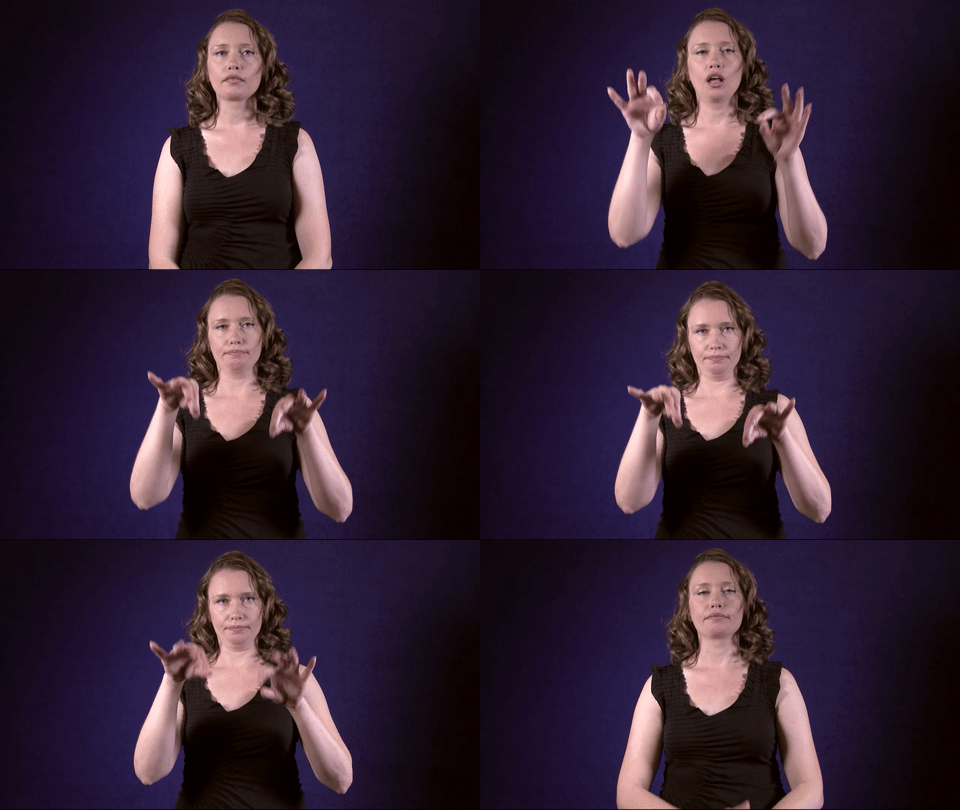
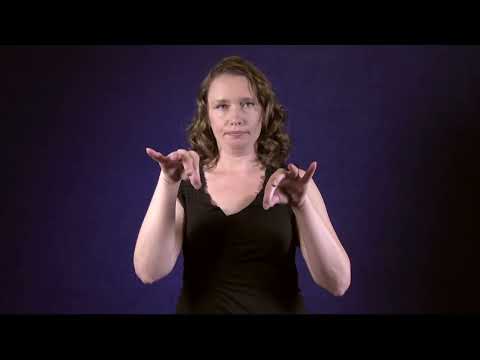
Definition: Color of hair.
Sign for COLOR HAIR in ASL

Practice Activities:
To practice the sign for COLOR HAIR in ASL, start by isolating each word. Use a mirror to focus on your facial expressions while signing COLOR. Combine that with the sign for HAIR, making sure your handshape and placement are accurate. Repeat the full phrase slowly, then try to sign it more naturally without pausing.
Set a timer and practice fingerspelling different hair colors, then pair them with the sign for HAIR. For example, fingerspell “RED” and then sign HAIR. Do the same with “BLACK”, “BLONDE”, or “BROWN” to reinforce vocabulary related to appearance. This adds more depth to practicing the sign for COLOR HAIR in ASL.
Try building simple sentences. For example: MY COLOR HAIR BROWN or SISTER COLOR HAIR BLONDE. Post a video of yourself signing a sentence about a friend or family member’s hair. This helps you practice fluency and get feedback if desired.
Storytelling is a fun and effective way to incorporate the sign for COLOR HAIR in ASL. Create a short story about people at a party or students in a classroom and describe each person’s hair color. Use signs for other descriptors like LONG, CURLY, or SHORT to add detail.
If you’re working with a partner, take turns describing a character while your partner draws what they imagine based on your sign usage. Then switch roles. This encourages detailed descriptions and reinforces both expressive and receptive skills.
Watch a video or look at photos of various people, then sign the COLOR HAIR descriptions out loud. Challenge yourself to include at least three different signs in your description. This helps reinforce vocabulary and build confidence with real-life application.
Cultural Context:
In American Sign Language, the sign for COLOR HAIR in ASL reflects more than just a visual description—it ties deeply into cultural expression. Hair color is often a personal and identity-based choice, and signing it accurately is important in Deaf culture for clear and respectful communication.
The sign for COLOR HAIR in ASL is commonly used in conversations about appearance, style preferences, and personal grooming. Since changing hair color can symbolize self-expression, rebellion, creativity, or even cultural trends, the sign is frequently seen in social discussions and storytelling within the Deaf community.
In day-to-day communication, people use the sign for COLOR HAIR in ASL while describing themselves or others. It can be part of introductions, descriptions in classroom settings, or even when talking about changes in one’s look. This sign is often paired with other appearance-related signs like MAKEUP, STYLE, or CLOTHING to create a full picture of how someone presents themselves.
Deaf individuals use the sign for COLOR HAIR in ASL when discussing fashion, trends, and personal transformations. For example, mentioning someone dyed their hair blue or went back to natural color becomes a seamless and expressive part of ASL storytelling. This helps ensure clear visual imagery when talking about someone’s look.
In Deaf art and performance, the sign for COLOR HAIR in ASL may show up during theatrical performances, Deaf poetry, or visual vernacular storytelling. Since ASL is a visual language, emphasizing elements like hair color enhances the audience’s understanding and emotional connection to the narrative.
The use of the sign for COLOR HAIR in ASL also plays a role in beauty salons or barbershops that serve Deaf clients. Interpreters or ASL-fluent stylists use this sign to discuss hair dye, highlights, or new hair trends. It supports full access to services and helps Deaf individuals communicate exact needs when changing their hairstyle.
During social media content creation, Deaf influencers use the sign for COLOR HAIR in ASL to explain beauty routines or showcase hair transformation videos. These videos often include fingerspelling specific colors or brands and reinforce how this sign adapts to digital storytelling.
Parents with Deaf children use the sign for COLOR HAIR in ASL to support early language development and describe everyday experiences like washing hair or noticing someone’s rainbow-colored hair. It becomes a tool for language acquisition tied to real-world observation and interaction.
For those learning ASL, mastering the sign for COLOR HAIR in ASL helps in building vocabulary and grasping cultural
Extended Definition:
The sign for color hair in ASL combines two distinct concepts: color and hair. In American Sign Language, ideas are often expressed by linking meaningful signs together to form a clear visual phrase. The sign for color is usually made near the mouth or lips, while the sign for hair involves a small grabbing motion near the head, typically where the hairline starts.
To express color hair, you first sign color, followed directly by hair. This sequencing reflects the visual and grammatical structure of ASL. It’s important to note that facial expressions, eye gaze, and body movement can also add meaning, enhancing clarity and emotion in the sign for color hair in ASL.
The sign for color involves wiggling the fingers in front of the lips, which represents the blending or variation of colors. The fingers are usually relaxed and move in small motion, allowing the viewer to understand that a description related to color is beginning. Once that concept is established, it’s followed by the hair sign — done by pinching a small section of air near the forehead to indicate a strand or the idea of hair.
When combining both signs, you convey not only a description of someone’s hair but also the visual emphasis on the color trait. For instance, if describing someone with red hair, you would add the sign for red before or after color hair, depending on the sentence structure. ASL often uses a flexible word order to highlight the most important information first, so signers might adjust to match the context.
The sign for color hair in ASL can be customized based on the specific color being described. Signs for individual colors like blue, blond, black, or green can be inserted to create more detailed and vivid descriptions. This makes it easy for signers to discuss fashion, style, or changes in appearance, such as dyeing hair.
In discussions related to identity, culture, or beauty, being able to sign color hair in ASL allows Deaf individuals to participate fully and share opinions. Whether in casual conversation or storytelling, this sign phrase is helpful for describing characters, telling anecdotes, or giving compliments about a new hairstyle.
Because ASL is a visual language, the way you sign color hair can vary slightly depending on regional dialects or generational differences. However, the basic structure remains widely understood across the Deaf community. Signing with clarity and expression ensures that the message is accurately received.
Parents, educators, or interpreters might teach this phrase early on as it is commonly part of everyday description. The sign for
Synonyms: blonde, fair-haired, golden-haired, flaxen-haired, light-haired
Educational resources: Find related learning materials in our course bank!
Want more? Check out some of our popular learning activities on the homepage!
Need to look up a sign? Use our highly rated dictionary: https://aslinteractive.com/best-asl-dictionary/
Follow us on tiktok: https://www.tiktok.com/@aslinteractive. More social media links at the bottom of this page!
Long-tail Keywords: what is the sign for color hair in asl, how do you sign color hair in asl, learn how to sign color hair in american sign language
Categories:
tags: Colors, Appearance, Hair, Language Learning, Describing Features
Parameters
*Handshape*:
The handshape for the sign for COLOR HAIR in ASL involves using a loose “5” handshape for both concepts. For “color,” the dominant hand starts with fingers spread, then wiggling the fingertips near the chin. For “hair,” a modified “F” or pinch handshape is used to pull gently at a small section of imaginary hair near the temple.
When combining the elements in the sign for COLOR HAIR in ASL, you maintain the distinct handshapes for clarity. The loose “5” handshape emphasizes the visual aspect of color, while the pinching gesture highlights the concept of hair. This combination helps convey the full meaning fluidly.
*Palm Orientation*:
For the sign for COLOR HAIR in ASL, the palm orientation changes slightly depending on the part of the sign being executed. When signing COLOR, the dominant hand’s palm is generally facing in toward the chin, with fingers wiggling slightly in front of the lips. For HAIR, the palm is usually inward, as the thumb and index finger grasp a small section of imaginary hair near the temple. Consistency in palm orientation helps convey the combined meaning clearly in the sign for COLOR HAIR in ASL.
*Location*:
The sign for COLOR HAIR in ASL takes place primarily around the head and face area. The sign for “color” typically occurs at the chin or lower face region, using a wiggling fingers motion with the dominant hand in front of the mouth.
The sign for “hair” is signed near the temple or side of the head, often using a thumb and index finger to mimic pulling or referencing a strand of hair. Both elements of the sign for COLOR HAIR in ASL are clearly situated near the face, helping tie the concept to appearance.
*Movement*:
To produce the sign for COLOR HAIR in ASL, begin with the dominant hand in the “open 5” shape near the chin. Wiggle the fingers slightly while moving the hand downward in front of the mouth — this represents COLOR. Then, for HAIR, use the dominant hand in an “F” handshape and gently tug at a small section of hair near the temple area. The full motion smoothly connects the two signs while clearly expressing the concept. Repeating the sign helps reinforce the meaning of COLOR HAIR in ASL. ♀️
*Non-Manual Signals*:
When signing the sign for COLOR HAIR in ASL, keep a natural and neutral facial expression unless conveying emphasis or asking a question. A slight head tilt or raised eyebrows may be used if asking about someone’s hair color. Maintain direct eye contact and relaxed posture to keep the context clear.
Facial expressions help reinforce meaning, especially in the sign for COLOR HAIR in ASL when discussing preferences or specifics. Raised eyebrows can indicate curiosity, while a slight smile may suggest admiration or a positive opinion.
*Prosody, Dominant/Non-Dominant Hand*:
The dominant hand is used for both signs in the Sign for COLOR HAIR in ASL. For “color,” the dominant hand forms a flat “wiggly” fingers shape (like fluttering fingers) at the lips, fluttering the fingertips slightly outward. Then, transition into “hair” by using the dominant hand in an “F” handshape, grabbing a small section of imaginary hair near the temple and gently pulling outward. The non-dominant hand remains neutral throughout this sequence. The Sign for COLOR HAIR in ASL clearly combines visual descriptors for each concept using smooth, fluid motion. ✨
Tips for Beginners:
When learning the sign for COLOR HAIR in ASL, it’s important to separate the two concepts before combining them in sentence structure. First, practice the sign for “color,” which involves wiggling the fingers of your dominant hand in front of the chin. Then practice “hair” by miming pulling a strand of hair from near your temple or mimicking the location of the hair with a thumb and forefinger pulling upward.
A useful tip is to maintain the correct hand shape for both signs to avoid confusion with similar concepts. For “color,” your hand should be in a relaxed 5-hand shape, and your fingers should flutter gently—don’t overdo the movement. For “hair,” make sure not to grab too far out from the head, as that can be misread or misunderstood by native signers.
Clear facial expressions will also support your accuracy when signing COLOR HAIR. If you’re specifying a hair color in a full sentence, use facial cues to show whether you’re sharing, asking, or describing. A neutral expression works for simple statements, while raised eyebrows accompany yes/no questions.
One common pitfall beginners face while practicing the sign for COLOR HAIR in ASL is blending signs too quickly or slurring the transition. Keep the signs fluid but distinct. Make sure each one is clearly visible and transitions naturally to the next.
Don’t forget to practice in front of a mirror to monitor clarity and palm orientation. Signing too close or too far from the face can distort the meaning. Watching fluent signers or ASL videos that demonstrate the sign for COLOR HAIR in ASL can improve your accuracy and confidence. Daily repetition will help you retain the movements and improve muscle memory over time.
Sign for COLOR HAIR in ASL, ASL vocabulary COLOR HAIR, how to sign COLOR HAIR in American Sign Language, learn COLOR HAIR sign language, COLOR HAIR ASL meaning
Connections to Other topics:
The sign for COLOR HAIR in ASL connects strongly to personal identity, physical appearance, and descriptive aspects of communication. This sign is often used in contexts where someone is describing what someone looks like, making it essential for everyday interpersonal conversation. The combination of signs for COLOR and HAIR emphasizes the descriptive depth that ASL offers through compound or sequential sign use.
In discussing appearance, the sign for HAIR is frequently paired with other descriptors like SHORT, LONG, CURLY, or STRAIGHT, expanding the ways a signer can describe someone’s hairstyle. When combined with COLOR, this allows users to say things like “blonde hair,” “red hair,” or “dyed hair” using established color signs in the ASL lexicon. This compound function shows how ASL constructs more complex ideas by stacking simpler concepts.
The sign for COLOR is often connected to discussions of visual art, clothing, and preferences, providing rich opportunities for practicing various topics like design or fashion. In this way, learning the sign for COLOR HAIR in ASL can lead directly to new vocabulary in categories like ART, CLOTHING, and STYLE, offering learners a broader communicative range. The concept of color can also link to emotional expression, as colors are often metaphorical in ASL storytelling and poetry.
Additionally, the sign for HAIR can be contextually dependent—used alone, it might refer to hair in general, but when combined with signs like WASH, CUT, or BRUSH, it creates action-oriented phrases that are useful in daily routine discussions. When learners practice the sign for COLOR HAIR in ASL, they begin to see how physical characteristics are expressed holistically in ASL culture and grammar.
Understanding the sign for COLOR HAIR in ASL also opens opportunities to explore inclusive language. For example, it can be used in discussions about hair color diversity, natural vs. dyed hair, and expressing identity through hairstyles.
Summary:
The sign for COLOR HAIR in ASL combines two individual signs: one for “color” and one for “hair.” To express the concept clearly, each word is signed separately, but contextually, they are understood together. This phrase is often used in everyday conversation to describe or ask about hair appearance.
For the sign “color,” bring your dominant hand in front of your mouth with the fingers loosely open. Wiggle the fingers, especially the tips of the fingers, quickly back and forth. This wiggle mimics the idea of light and variation, symbolizing color.
To sign “hair,” use the dominant hand in a G-handshape and gently tug a small amount of imaginary hair at the side of your head. The G-handshape encloses a small amount of hair and emphasizes texture and placement. It reflects human hair characteristics in a highly visual way.
When signed together, the phrase sign for COLOR HAIR in ASL visually conveys a composite meaning. The separation between the two words allows flexibility in the language. You can change facial expressions or modulate the space between the signs to communicate tone or emphasis.
This phrase is frequently used when discussing hair dye, natural hair tones, or even describing someone’s appearance. Deaf community members will often use this phrase when swapping hair care tips, planning hair appointments, or talking about fashion. Appearance is a key concept in visual language.
The sign for COLOR HAIR in ASL often pairs with other signs to make fuller sentences. Examples include signs for “change,” “like,” “style,” or “beautiful.” These combinations provide nuanced expression and richer communication.
The concept of hair color carries cultural, personal, and even identity-based meaning in both Deaf and hearing communities. In ASL storytelling or folk narratives, descriptions of hair color can denote character traits, emotions, or heritage. Like all descriptive language in ASL, it celebrates human difference and visibility.
Because ASL is a visual language, signing the word accurately impacts clarity. For people just beginning to learn ASL, distinguishing subtle changes in handshape and expression matters. Facial expressions play a large role in conveying additional meanings tied to adjectives or opinions about someone’s hair color.
Variations in signing may occur depending on regional dialects or personal signing styles. Some communities may slightly adjust the angle or movement speed of the “color” sign while still maintaining intelligibility. ASL is rich with local variance, just like spoken languages.
Linguistically, the sign for COLOR HAIR in ASL showcases iconic representation. Both signs closely resemble the physical concepts they describe. This iconicity supports learning and memorization among visual learners.
In a grammatical context, ASL doesn’t follow English word order. So, while in English you say “color hair,” in ASL you adapt structure to prioritize clarity, often incorporating topic-comment format. For example, in conversation you might sign HAIR FIRST, then COLOR.
The phrase also exemplifies how ASL utilizes nonmanual markers—that is, body language, facial expression, and head movement. These markers help distinguish whether you’re asking a question, describing with excitement, or casually chatting. Adding expression affects the message deeply.
In discussions about identity, the sign for COLOR HAIR in ASL can take on profound meaning. For example, members of the LGBTQ+ Deaf community may use the phrase to express individuality and uniqueness in appearance. It becomes part of self-definition and belonging.
Among young Deaf individuals, talking about trends or influences often includes hair styling and color. Recognizing celebrities or TikTok influencers may also include comments on hair color. Therefore, signs like this enable rapport and shared interests.
Learning the sign for COLOR HAIR in ASL builds more than vocabulary. It develops awareness of how ASL organizes meaning visually through separate but related signs. It also reveals syntax differences compared to English.
Children acquiring ASL natively may mimic the “hair” sign quite early due to its tangible connection to their own bodies. Color recognition comes slightly later, making the combination a developmental milestone in language use.
Teachers and parents in Deaf education frequently use the sign for COLOR HAIR in ASL when describing characters in books or during art lessons. It helps attach linguistic value to visual and creative observation.
In applied linguistics, this phrase illustrates how signed languages map physical properties (like visual appearance) directly onto communication. The brain processes visual-spatial grammar differently than sound-based syntax, even when discussing the same concepts.
Facilitating awareness of racial and ethnic differences through language often starts with talking about appearance. The sign for COLOR HAIR in ASL becomes an entry point for broader conversations around representation, identity, and pride.
In sign poetry or Deaf performance art, hair color can symbolize transformation or memory. Using the phrase here emphasizes the visual aesthetic of ASL and deepens literary meaning within performance.
Across various contexts, the phrase activates more than just descriptive power—it allows connection. It’s something audiences of all backgrounds can relate to or imagine. Everyone has a unique relationship
Want more? Check out some of our popular learning activities!
ASL Interactive Resources
ASLInteractive YouTube Channel
Follow us on tiktok: @aslinteractive.com
Follow us on Instagram: aslinteractive
Facebook page: aslinteractive
Facebook group: aslinteractive
LInkedIn: ASL Interactive LLC
Twitter: @ASL_interactive
*Some information on this page is AI-generated. AI can make mistakes. Please check the information.


Responses