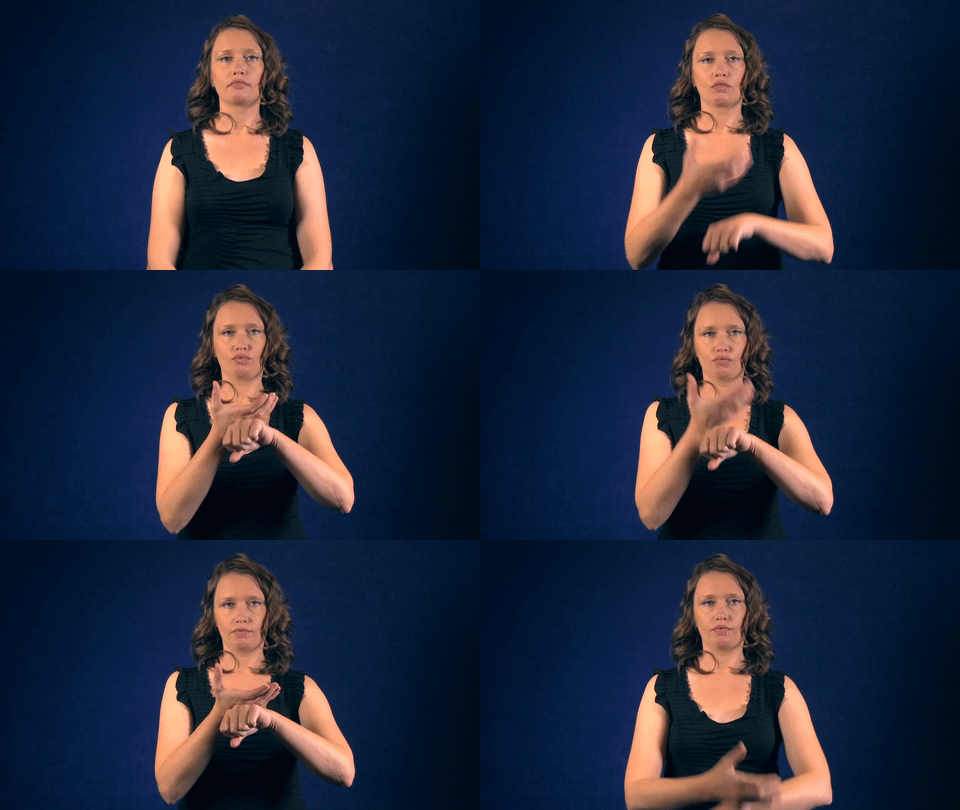
Definition: A hard building material.
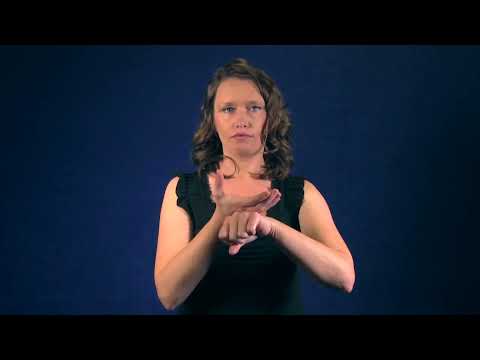
Sign for CONCRETE in ASL

Practice Activities:
To begin practicing the sign for CONCRETE in ASL, start by isolating the sign itself. Stand in front of a mirror and repeat the sign 10–15 times, focusing on the handshape, movement, and facial expressions. Pay attention to keeping the form consistent and smooth as you build muscle memory for fluency.
Next, try incorporating the sign for CONCRETE in ASL into short phrases. Examples include “concrete sidewalk,” “concrete building,” or “wet concrete.” Sign these combinations slowly at first, then increase speed as your confidence improves. Practice transitioning between neighboring signs to keep your flow natural and accurate.
Create your own example sentences using the sign for CONCRETE in ASL. Try: “The car drove over the concrete,” or “The workers poured the concrete.” Record yourself signing the sentences, then review to evaluate clarity and accuracy. Make adjustments as necessary and aim to maintain good facial grammar throughout the sentences.
Engage in a storytelling activity where you describe a construction site. Use vocabulary that includes the sign for CONCRETE in ASL alongside signs for tools, workers, trucks, and materials. Focus on using descriptive visual language and sequencing the events clearly in ASL structure.
With a partner, play a guessing game in which one person signs a phrase or sentence involving the sign for CONCRETE in ASL and the other guesses what it is. Use prompts like “Where do you usually see concrete?” or “What happens when concrete is wet?” This fosters contextual understanding and spontaneous sign production.
Finally, apply the sign in real-world conversations. When walking outside, point out concrete objects and describe them using ASL. This on-the-spot practice helps reinforce vocabulary and deepens connection between language and environment.
Cultural Context:
Understanding the sign for CONCRETE in ASL requires knowing how Deaf culture and American Sign Language represent physical materials and abstract ideas visually. Concrete is not only a common construction material but also symbolizes something solid or real. In ASL, expressing something as solid as concrete involves more than just a hand configuration—it includes facial expressions, context, and spatial mapping.
The sign for CONCRETE in ASL is often taught in the context of building materials, construction, and foundational ideas. Within the Deaf community, the use of such signs is grounded in practical communication, especially in vocational training or in educational settings that touch on architecture or engineering. The visual nature of ASL helps signers convey the texture and strength associated with concrete.
When describing physical properties like concrete, ASL leans on classifiers, space, and other grammatical tools to give a clear mental image. That’s why the sign for CONCRETE in ASL might vary slightly depending on whether you’re talking about a sidewalk, a large slab of foundation, or even using the word concretely in an abstract way. The culture supports adapting signs to real-life context, ensuring effective and specific communication.
Deaf culture values visual accuracy and concise expression. So when signing something like concrete, a signer might clarify with role shifting or showing rather than telling. It’s not just about the word—it’s about showing its properties, usage, and relationship to other elements around it. These layers of expression are a deeply entrenched part of ASL and the way meaning is built within the language.
Accessibility and inclusivity are also cultural factors in representing technical concepts. In classrooms where Deaf students learn about math, physics, or construction, the sign for CONCRETE in ASL becomes part of an academic vocabulary. Educators often pair signs with visuals or real-life models so that learners connect the sign not just with a word but with an experience or physical item.
In everyday conversations, concrete might come up when talking about sidewalks, roads, flooring, or strong opinions. Signers use the sign for CONCRETE in ASL repeatedly across different topics. This flexibility supports the idea that ASL is always evolving with use, keeping signs relevant and practical.
Cultural influences also shape which version of the sign is more accepted in regional variations. While many signs are standardized, the sign for CONCRETE in ASL might shift slightly from one Deaf community to another. These regional differences reflect the cultural richness of ASL and how signs are molded by local use and shared
Extended Definition:
The sign for CONCRETE in ASL refers to the specific hand movement used to represent the concept of concrete as a material. In American Sign Language, concrete is typically signed in a way that conveys its dense, solid, and heavy nature. This sign may be associated with construction, sidewalks, buildings, or anything made from cement-based materials.
When using the sign for CONCRETE in ASL, context matters. Depending on the sentence, it might relate to something literal, like a block of concrete or a concrete wall, or be used in symbolic ways, such as describing a concrete idea or plan ♂️. ASL often uses spatial references and facial expressions to complement the meaning, especially when describing something physical and solid like concrete.
To make the sign for CONCRETE in ASL, signers often use a movement that suggests weight and mass. It may resemble the motion used for similar construction materials or mimic the texture of mixing or pouring cement. Since there are regional variations in ASL, some signers might use slightly different forms depending on their location or background.
Describing concrete in ASL may also involve classifiers. A signer might first use the standard sign for CONCRETE, then follow it with visual descriptions using handshapes to show how concrete is laid, poured, or shaped. This combination of set signs and visual classifiers allows ASL users to share detailed and vivid imagery ️.
The sign for CONCRETE in ASL is mostly used in discussions that involve construction, architecture, engineering, or landscaping. Teachers, construction workers, architects, or ASL students might commonly use this sign while describing projects or learning about various building materials. Knowing this sign is helpful for expanding your vocabulary in both casual and professional conversations.
In some cases, the sign for CONCRETE in ASL might be combined with signs for sidewalk, floor, or foundation to explain what part of a space is made out of concrete. This helps clarify what is being described, especially when communicating with someone who may not see the object directly. ASL’s rich visual language makes it possible to give clear and detailed explanations about materials like concrete.
When learning ASL, it’s important to practice the sign for CONCRETE in ASL in actual sentences. Try signing phrases like concrete floor, concrete wall, or concrete sidewalk to get used to modifying the word with other contextual signs. This will improve fluency and ensure the sign is used naturally in everyday conversations.
Just like other
Synonyms: tangible, solid, material, physical, real
Educational resources: Find related learning materials in our course bank!
Want more? Check out some of our popular learning activities on the homepage!
Need to look up a sign? Use our highly rated dictionary: https://aslinteractive.com/best-asl-dictionary/
Follow us on tiktok: https://www.tiktok.com/@aslinteractive. More social media links at the bottom of this page!
Long-tail Keywords: what is the ASL sign for concrete, how do you sign concrete in ASL, ASL sign for concrete
Categories:
tags: Construction, Materials, Objects, Buildings, Infrastructure
Parameters
*Handshape*:
The handshape for the sign for CONCRETE in ASL typically begins with both hands forming the “S” handshape, where the fingers are curled into a fist with the thumb across the front. This handshape mimics strength and density, reinforcing the meaning of the sign.
When performing the sign for CONCRETE in ASL, the “S” hands are brought together and slightly moved against each other, as if illustrating the solid, unmoving quality of concrete. The firm, closed fists convey the unyielding and compact nature of the material.
*Palm Orientation*:
The palm orientation for the sign for CONCRETE in ASL typically involves both hands in “S” handshapes. The dominant hand moves downward and slightly out, brushing against or pressing the top of the non-dominant hand in a similar position. Both palms generally face inward or slightly downward.
This palm orientation helps convey the solidity and texture associated with concrete. The sign for CONCRETE in ASL uses this movement and positioning to symbolize the firm, unmoving quality of the material.
*Location*:
The sign for CONCRETE in ASL is typically produced in the neutral space in front of the torso, slightly below the chest. This area allows for clear visibility and comfortable movement when using both hands in contact or motion to depict solidity or texture.
For variations of the sign for CONCRETE in ASL, the location may remain consistent, maintaining the spatial context near the centerline of the body. This helps communicate the firmness and density associated with concrete materials effectively.
*Movement*:
To perform the sign for CONCRETE in ASL, start with both hands in “S” handshapes. Position them near each other at chest level, then move them slightly apart and downward while applying a subtle jiggling or vibrating motion, as if mimicking the spreading or settling of material.
This movement reflects the solidifying nature of concrete. The sign for CONCRETE in ASL captures the dense and compact structure of the material, reinforcing its tough, unmoving quality.
*Non-Manual Signals*:
When using the sign for concrete in ASL, the facial expression should appear neutral or slightly firm to reflect the solid, unmoving nature of concrete. The eyes may narrow slightly to convey the idea of density or strength.
Your head should stay still, showing the stability or rigidity often associated with concrete. These non-manual markers help reinforce the idea behind the sign for concrete in ASL .
*Prosody, Dominant/Non-Dominant Hand*:
The sign for CONCRETE in ASL typically uses both hands in an action that mimics settling or solidifying. The dominant hand (usually the right) is in a bent 5-handshape and presses down onto the non-dominant bent 5-handshape, emphasizing the hardness or stability of concrete.
This motion gives a clear visual representation of something becoming firm. The sign for CONCRETE in ASL can also reflect density or strength depending on context, enhanced with facial expressions like pursed lips or nods for emphasis.
Tips for Beginners:
When learning the sign for CONCRETE in ASL, it’s helpful to remember that this concept doesn’t have a universal iconic sign and is often conveyed based on context. One approach is to describe the characteristics of concrete—using signs for ‘hard’, ‘solid’, or depicting the process of pouring or setting concrete. In some conversations, advanced signers may use classifiers or contextual clues to refer to concrete, especially when discussing building materials or construction.
If needed, fingerspelling C-O-N-C-R-E-T-E is a clear and accepted alternative, especially when the concept is too specific or there’s doubt about the correct sign. It’s vital to fingerspell at a moderate speed, with deliberate hand shapes and smooth transitions between each letter. Beginners often rush and blur letters together, which makes it hard to understand. Practicing with a mirror or recording yourself can really help improve clarity and spacing.
One common mistake with the sign for CONCRETE in ASL is overcomplicating it. Focus on establishing the subject visually if you’re describing a concrete object or surface, and back it up with descriptive signs. Many learners forget to use the rich visual nature of ASL, such as directional indications or physical textures, which can powerfully communicate meaning.
Be mindful of facial expressions and body posture while signing. Neutral or inappropriate expressions can confuse your audience or make the sign feel disconnected from the context. When talking about something as solid and unchanging as concrete, a firm facial expression or tone helps reinforce meaning.
Practice fingerspelling the word as part of your daily routine and try describing real-world concrete things around you to reinforce the concept. The more you engage with the idea, the more naturally the sign for CONCRETE in ASL will become part of your visual language vocabulary.
Connections to Other topics:
The sign for CONCRETE in ASL relates closely to concepts in material science, construction, and texture. It can also connect thematically to signs like BUILD, CEMENT (FS), WALL, and SOLID. These connections help learners explore compound ideas, like CONCRETE WALL or CEMENT TRUCK (FS), by combining or sequencing related signs. Understanding the sign for CONCRETE in ASL supports broader vocabulary in areas involving infrastructure or descriptions of physical environments.
In narratives or dialogues about architecture, the sign for CONCRETE in ASL may follow descriptors showing permanence or hardness. This allows it to be contextually linked to signs like STRONG, HARD, or FOUNDATION. For learners discussing urban development, disaster response, or home building, the vocabulary connection becomes even more essential, offering depth to conversations in ASL.
The sign for CONCRETE in ASL can also be helpful when distinguishing between abstract and literal meanings. In English, the word “concrete” appears in figurative uses like “concrete ideas.” In ASL, such uses require conceptual adjustments. You might instead sign CLEAR or SPECIFIC depending on the context, showing how the concrete/abstract contrast is managed differently in ASL structure.
Learners also benefit from comparisons with tactile or texture-oriented signs. Because concrete is known for its rough surface, the sign could appear in ASL lessons about TEXTURE, SENSORY details, or CONSTRUCTION materials. This deepens the real-world relevance of the sign and improves descriptive storytelling in ASL.
Finally, topics like civil engineering, roads, or landscaping naturally bring the sign for CONCRETE in ASL into more technical discussions. Pairing it with context-specific terms like SIDEWALK, DRIVEWAY, or MIXER (FS) can form more precise communication for students or professionals in those fields. Understanding how concrete supports or transforms physical spaces invites a broader exploration of ASL’s flexibility across domains.
Summary:
The sign for CONCRETE in ASL typically mimics the dense, fixed nature of the material it represents. It often involves a variation of a gesture similar to the sign for “solid,” where both open hands are placed in front of the body and pushed downward slightly, indicating a solidified, immovable surface.
This visualization of groundedness and heaviness fits well with how concrete behaves in the physical world. The sign suggests stability and toughness, bringing to life both the literal and metaphorical meanings associated with concrete.
The sign for CONCRETE in ASL can change depending on context. In some technical or specialized settings, signers may fingerspell the word CONCRETE, especially when referencing specific materials, construction terminology, or scientific discussions.
In everyday conversation, the iconic sign is usually sufficient. It effectively communicates the concept of permanence and the elemental nature of concrete in construction, urban planning, and architecture.
The sign draws from broader themes in ASL of using spatial and physical metaphors to express abstract or descriptive ideas. Because ASL is a visual language, signs like CONCRETE embody their meaning through form and movement.
Linguistically, the structure of the sign for CONCRETE in ASL follows the iconic modality of the language. Rather than relying solely on arbitrary handshapes, this sign reflects the actual qualities of what it describes—solid, unmoving, and structural.
From a cultural standpoint, the sign for CONCRETE in ASL may also symbolize permanence, dependability, and foundation. These abstract extensions show how the sign is not just about material but also about emotional or conceptual states.
Applied linguistically, this sign demonstrates how tactile or kinesthetic features are used in ASL to anchor communication. The weight or pressure of the movement helps convey the density of concrete, even if only visually.
In metaphorical usage, the sign for CONCRETE in ASL might be used to represent unchanging facts or firm decisions. Just as concrete is poured and hardened, so too can ideas or situations be seen as “set in stone” or rigid.
This kind of metaphorical usage parallels how English speakers use the word “concrete” to denote certainty or specificity. The ASL sign follows along this conceptual path, lending itself to non-physical discussions as well.
The sign is also related to signs like “solid,” “fixed,” and “strong,” with similar handshapes or movements. These connections show how families of signs in ASL are semantically and visually linked, which aids language acquisition and understanding.
There are sociolinguistic factors to consider when thinking about the sign for CONCRETE in ASL. In Deaf communities, access to construction training, architecture, and other concrete-related professions has created a need for clear, consistent signs related to materials.
The use of the keyword phrase sign for CONCRETE in ASL can also reflect adaptation. As technology and industries evolve, so too do the signs associated with them. Fingerspelling may be used temporarily until standard signs become widely accepted.
Some users in technical fields may develop localized or job-specific variations of the sign for CONCRETE in ASL. These variations highlight the flexibility and community-driven evolution of the language based on usage needs.
In Deaf education, particularly in STEM-focused programs, standardizing technical vocabulary like CONCRETE becomes essential. Students benefit from consistent signs that bridge the gap between ASL usage and English academic content.
The visual modality of ASL allows for layering meaning visually—facial expressions, body movement, and hand position contribute to these layers. When signing CONCRETE, a flat facial expression or slight head tilt can deepen the sense of immovability.
The sign for CONCRETE in ASL often fits into broader grammatical structures using classifiers. For example, a signer may explain a construction project by using a CL:3 handshape and describe the layout, before incorporating the CONCRETE sign to show foundations or walls.
This illustrates ASL’s spatial grammar, which differs from English syntactic structures. In ASL, visual space replaces word order, and signs like CONCRETE are placed precisely within this modeled space.
Moreover, body shift and directional movement can indicate changes in scale or position. A signer might show how concrete is poured, hardened, or shaped, offering a dynamic storytelling component.
Historically, as Deaf tradespeople entered unions and workshops, the need for standardized signs around building materials increased. CONCRETE became a part of these emerging occupational lexicons.
Community memory in the Deaf world incorporates shared experiences around vocational training, with the sign for CONCRETE in ASL serving as a token of those narratives. These signs also reflect societal shifts where Deaf individuals claimed space in traditionally hearing-dominated jobs.
Children acquiring ASL may learn the sign in relation to their environment—schools, sidewalks, streets—all made of concrete. This natural setting provides an early context for understanding and using the sign.
The tactile experiences connected with feeling concrete may also reinforce memory
Want more? Check out some of our popular learning activities!
ASL Interactive Resources
ASLInteractive YouTube Channel
Follow us on tiktok: @aslinteractive.com
Follow us on Instagram: aslinteractive
Facebook page: aslinteractive
Facebook group: aslinteractive
LInkedIn: ASL Interactive LLC
Twitter: @ASL_interactive
*Some information on this page is AI-generated. AI can make mistakes. Please check the information.


Responses