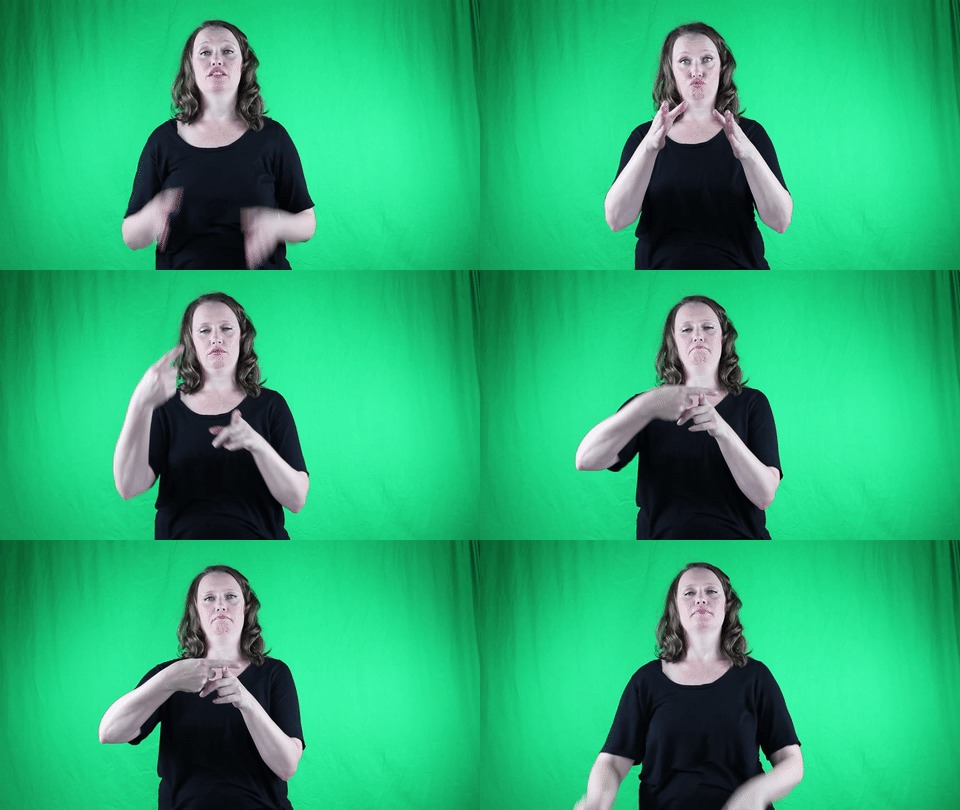
Definition: An intersection of streets.
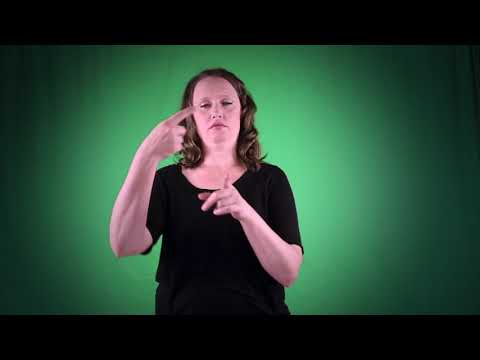
Sign for CROSS-STREET in ASL

Practice Activities:
To build fluency with the sign for CROSS-STREET in ASL, begin by practicing the sign in isolation. Use a mirror or record yourself signing to monitor handshape accuracy and movement. Repeat the sign slowly, then at a conversational pace to gain muscle memory. Try signing while walking in place to mimic natural movement during communication.
Next, add the sign for CROSS-STREET in ASL into simple sentences. For example, sign “I LIVE NEAR CROSS-STREET,” or “THERE ACCIDENT CROSS-STREET.” Practice these with focus on facial expressions, which in ASL provide grammar and emotional context. Vary the sentences by changing the location or action to expand your vocabulary and keep practice engaging.
Partner activities are a great way to improve. With a partner, take turns giving basic directions involving a cross-street, like “GO STRAIGHT, TURN LEFT, STOP CROSS-STREET.” This helps reinforce spatial referencing and classifiers that give depth to directional signs. Also, have your partner describe a location, and you draw it to verify understanding. This integrates expressive and receptive skills.
Create a mini-story using the sign for CROSS-STREET in ASL. For example, start with going for a walk, crossing a street, and running into a friend. Focus on using clear transitions and maintaining the proper location in signing space for “crossing.” This encourages fluid storytelling and a deeper grasp of how the sign is used in context.
Flashcard drills can support automatic recognition. Mix the sign for CROSS-STREET in ASL with other common location-related signs like STREET, LIGHT, and INTERSECTION. Then quiz yourself randomly to reinforce recognition and recall.
End your practice session by watching real-life ASL videos that use CROSS-STREET in conversation. Try to copy the signer’s rhythm and see how often this sign is used naturally in everyday dialogue.
Cultural Context:
In American Sign Language, the sign for cross-street is used to describe places where two roads intersect or where one street crosses another. This is a common concept in daily conversation, especially when giving directions, describing locations, or retelling events that happened at specific places. Understanding the sign for cross-street in ASL helps increase spatial awareness and storytelling clarity.
The sign for cross-street in ASL reflects how Deaf culture values visual and spatial information. Locating things precisely in space is crucial in ASL, and intersections are part of that detail. Using directional signs like cross-street helps signers paint a clearer picture during conversations.
In Deaf communities, especially in urban areas, discussing how to navigate city environments involves regularly using the sign for cross-street in ASL. Whether meeting a friend, describing where an accident happened, or explaining where a building is located, this sign comes into play. Sharing such specific information promotes smoother and more effective communication.
The concept of a cross-street might carry different meanings depending on regional ASL use or specific local contexts. Still, the consistent theme is the idea of two streets meeting or crossing. When teaching or learning the sign for cross-street in ASL, adding this cultural and situational context makes retention easier and application more accurate. ️
Deaf people often describe events around familiar intersections where community gatherings or protests take place. During visual storytelling, a signer may refer to a cross-street to set the scene. This adds structure and depth, helping the viewer or listener visualize the setting immediately. The natural use of the sign for cross-street in ASL shows how the language connects space and narrative.
ASL storytelling celebrates detailed visuals. Using the sign for cross-street in ASL provides an anchor in space. Whether you’re describing where something happened or giving step-by-step directions, this sign supports the flow and understanding of a story.
In family or community life, kids learn early how to talk about cross-streets. Parents might explain where the school bus drop-off is or where to meet after school, using this vital sign. The sign for cross-street in ASL helps reinforce safety, orientation, and responsibility.
Community events like parades or vigils often happen at significant intersections. Deaf community members may use the sign for cross-street in ASL when organizing or recalling these events. It becomes more than just a directional term—it’s a cultural touchpoint and a memory marker.
Extended Definition:
The sign for cross-street in ASL describes two roads intersecting each other and is typically shown by using two index fingers that cross to mimic the layout of a traditional street intersection. This visual representation captures the essence of a cross-street, helping both native users and ASL learners understand the concept instantly through spatial movement.
Understanding the sign for cross-street in ASL is important when giving directions, discussing locations, or navigating city layouts. In American Sign Language, many location-related terms rely heavily on visual-spatial cues, and this sign uses clear hand movements that illustrate how two streets meet or overlap.
When using the sign for cross-street in ASL, context is essential. It’s usually accompanied by indicators of direction, surrounding landmarks, or names of streets to clarify which crossing is being discussed. For example, a person might combine this sign with fingerspelling street names or pointing in a specific direction to give more complete directions.
The sign for cross-street in ASL can also convey timing or events that occur at the intersection. For instance, it may be used when describing a car accident, a traffic light change, or a meeting location. Because ASL is a three-dimensional language, the placement and motion of your hands play a big role in delivering accurate and meaningful messages.
In major cities or during everyday navigation, the term cross-street helps people identify turning points or reference spots. The sign for cross-street in ASL is especially useful for Deaf individuals using GPS systems or giving instructions to rideshare drivers. Since it mirrors the visual layout of actual roads, the sign is intuitive and meaningful.
Teachers and interpreters often include the sign for cross-street in ASL when explaining urban vocabulary or when practicing conversations about travel and navigation. It’s also a helpful sign for Deaf children learning how to read maps or understand how communities are organized spatially. The more exposure students have to these signs in different contexts, the more naturally they will incorporate them into their everyday conversations.
The sign can be slightly modified depending on whether you’re talking about a busy crossroads in downtown or a quiet residential area. Some people may add expressions or additional classifiers to show traffic intensity or street width. These added elements give greater detail and help paint a fuller picture for the person watching.
Like many signs in ASL, the sign for cross-street can be adapted over time or change slightly by region. Regional variation is a natural part of language, and some ASL users may include additional gestures or use alternate signs
Synonyms: intersection, junction, crossroad, corner, meeting point
Educational resources: Find related learning materials in our course bank!
Want more? Check out some of our popular learning activities on the homepage!
Need to look up a sign? Use our highly rated dictionary: https://aslinteractive.com/best-asl-dictionary/
Follow us on tiktok: https://www.tiktok.com/@aslinteractive. More social media links at the bottom of this page!
Long-tail Keywords: What is the ASL sign for Cross-Street, How do you sign Cross-Street in ASL, Cross-Street in American Sign Language
Categories:
tags: transportation, locations, city life, directions, street crossing
Parameters
*Handshape*:
The handshape used in the sign for CROSS-STREET in ASL involves both hands forming flat-B handshapes . The dominant hand moves perpendicularly over the non-dominant hand, simulating the intersection of two streets. The fingers on both hands stay together and extended, with thumbs tucked in.
The sign for CROSS-STREET in ASL relies on a clean and steady flat-B handshape to show a clear visual of crossing paths. This helps depict the concept of two streets intersecting visually and effectively.
*Palm Orientation*:
For the sign for CROSS-STREET in ASL, the palm orientation typically involves both hands in flat “B” handshapes. Each palm faces downward or slightly inward, depending on the signer’s style and angle of motion. The dominant hand moves perpendicularly across the non-dominant hand to indicate the concept of “crossing.”
Maintaining consistent palm orientation is essential for clarity in the sign for CROSS-STREET in ASL. This sign relies heavily on spatial representation, and downward-facing palms help visually map the idea of intersecting roads ️.
*Location*:
The location for the sign for CROSS-STREET in ASL is in the neutral space directly in front of the signer’s body at chest level. Both hands move and intersect in this space to show the concept of streets crossing each other.
This location allows clear visibility and mimics the layout of a junction. Accurate placement in neutral space ensures the sign for CROSS-STREET in ASL is easily distinguishable from other related signs.
*Movement*:
To show the sign for CROSS-STREET in ASL, begin with both hands in flat “B” handshapes, palms facing down. Position one hand in front of your torso, then move the other hand perpendicularly toward and under the first, simulating the idea of one street intersecting another.
The movement clearly expresses the crossing of paths. The sign for CROSS-STREET in ASL uses directional movement to visually represent the concept of a road intersecting with another.
*Non-Manual Signals*:
When performing the sign for CROSS-STREET in ASL, maintain a focused and neutral facial expression as you indicate direction or spatial relationship. Slight eyebrow lowering may be used to emphasize the concept of intersection or crossing points, giving clarity to the physical location being discussed.
Use direct eye contact to indicate engagement, especially if describing something nearby or in a specific context. Spatial referencing with appropriate head tilts or nods enhances the visual accuracy of the sign for CROSS-STREET in ASL .
*Prosody, Dominant/Non-Dominant Hand*:
For the sign for cross-street in ASL, the dominant hand and non-dominant hand are both used in a symmetrical, prosodic manner. Each hand forms a flat “B” handshape, palms facing down and fingers pointing forward. The hands start apart and then move toward each other, intersecting as if illustrating streets crossing one another.
This movement visually represents two roads or paths crossing. The sign for cross-street in ASL clearly conveys the concept using both hands moving in tandem to simulate the structure of a street intersection.
Tips for Beginners:
When learning the sign for CROSS-STREET in ASL, it’s important to focus on spatial awareness and accurate hand placement. This sign typically involves mimicking two roads crossing each other, usually done by moving the index fingers perpendicularly to show an intersection. Practice doing the motion smoothly without rushing the transition between hand shapes, as clarity in movement is key.
One common mistake is misaligning the fingers, which can change the meaning or confuse the viewer. Use a mirror or video recording to check your accuracy. Think of the intersection in 3D space—this visual framework helps reinforce both the concept and the sign itself.
If you’re brand new, start slowly and increase your speed only after the motion feels consistent. The sign for CROSS-STREET in ASL depends heavily on keeping your fingers straight and your lines clean. Sloppy angles or tilted fingers can make the sign hard to understand.
Also, don’t forget about facial expressions. While less critical with directional signs like this, keeping your face engaged supports overall communication. A neutral or slightly focused expression reinforces clarity without adding unintended emotional tone.
Incorporate the sign for CROSS-STREET in ASL into sentences to help you learn in realistic contexts. Try pairing it with location signs or directional verbs, like “turn” or “go.” This builds fluency and helps you remember how to use the sign naturally in conversation.
Use both hands in the correct dominant/non-dominant combination. Right-handed signers usually use their right index finger first forming one street, then bring in the left index finger to form the intersection; left-handed signers do the reverse. Practicing that coordination is just as essential as remembering the sign’s structure.
cross-street in asl, asl intersection sign, asl location vocabulary, american sign language for street crossing, sign for cross-street in asl, asl directional signs
Connections to Other topics:
The sign for CROSS-STREET in ASL connects closely with spatial referencing and visualization, two foundational concepts in the language. ASL relies heavily on the use of classifiers and spatial organization, so showing where roads meet or cross requires clear hand positioning and movement. This connection encourages learners to develop a stronger understanding of directional and relational signs such as STREET, AVENUE, and INTERSECTION.
Understanding the sign for CROSS-STREET in ASL also helps build fluency with directional signs used when giving or receiving directions. It relates to other spatial concepts like BLOCK, CORNER, and TURN, which often appear in narrative or conversational contexts. Practicing these signs in sequences can deepen comprehension of how location and movement are expressed in ASL.
Compound signs play a big role in mastering the sign for CROSS-STREET in ASL. For example, combining the signs for STREET and CROSS can form a clear representation of an intersection or point where roads meet. This type of compound structure is common in ASL and helps make abstract concepts more tangible through visual language.
The concept behind this sign relates to other time and place locative signs as well. For instance, signs like NEIGHBORHOOD, CITY, or ADDRESS often appear in similar conversations. These signs frequently use a shared spatial framework on the signing plane, reinforcing how ASL organizes and maps signs to represent geography or positional relationships.
In storytelling, the sign for CROSS-STREET in ASL can work alongside vehicle classifiers or movement verbs like DRIVE or WALK to describe a journey or event. This makes it an essential tool in visual narratives. It also supports the use of role shifting when relaying dialogue or actions that take place at specific intersections or urban settings.
Summary:
The sign for CROSS-STREET in ASL conveys the concept of two streets intersecting, forming a crossing point. It is typically signed by using both index fingers extended and perpendicular to each other, mimicking the visual layout of an urban intersection.
To produce the sign for CROSS-STREET in ASL, begin with both hands in the “1” handshape. One hand is held steady horizontally while the other moves perpendicularly to intersect it, creating an L-formation. This spatial representation reflects a literal crossing of two roads.
This sign is iconic in nature, meaning that its form visually resembles the concept it represents. By crossing the index fingers in a perpendicular position, signers symbolically portray the layout of intersecting streets, aiding visual comprehension. This type of iconic representation is common in ASL for location-based or spatial terms.
The sign for CROSS-STREET in ASL often appears in conversations about directions, urban navigation, or traffic conditions. It pairs naturally with signs like STREET, INTERSECTION, or CORNER to provide more detail or geographic location. In narratives or storytelling, it helps situate scenes or characters within a defined spatial environment.
Grammatically, the sign can function as a noun—indicating the location or object of a discussion. For example, in ASL sentence structure, a signer might use CROSS-STREET before indicating an action occurring there. Sentences usually follow topic-comment order in ASL, positioning CROSS-STREET as an anchor point.
Spatial referencing plays a crucial role in articulating the sign for CROSS-STREET in ASL. Users often employ the signing space to indicate the directionality of crossed streets. For example, a signer could place one “street” to the left and another crossing from back to front, representing the real-world orientation.
Vocabulary around urban geography in ASL is strongly visual and spatial. The sign for CROSS-STREET in ASL encapsulates this, as it reflects a concept as seen from an aerial perspective. This reinforces the inherently visual modality of ASL compared to spoken languages.
The sign is suitable for both formal and informal contexts. Whether giving driving directions or describing a city scene, using CROSS-STREET adds clarity. It’s especially helpful for Deaf individuals navigating urban environments, professionally or socially.
The linguistic mechanisms underlying the sign for CROSS-STREET in ASL are firmly rooted in classifier usage and iconic spatial mapping. While it’s a designated lexical sign, classifiers may be added for more nuanced representations. For example, a “3” classifier could accompany it to show a car turning at that point.
ASL classifiers provide more elaborate accounts of events occurring at the spot where two roads meet. For example, the classifier for vehicles (CL:3) could be moved through the intersection to show direction, interaction, or even a traffic accident. This brings narrative precision beyond the base sign.
The development of the sign for CROSS-STREET in ASL likely evolved alongside urban expansion and the increasing need for navigation systems. As cities grew more complex, ASL adapted by developing terms that reflected new geographic elements such as boulevards, highways, and intersections. CROSS-STREET became a necessary concept.
Within Deaf culture, spatial signs like CROSS-STREET are not only practical but symbolic of how Deaf individuals conceptualize the world. Because ASL relies heavily on the use of space, CROSS-STREET isn’t just a place—it’s part of a broader orientation strategy rooted in visual thinking. This reflects a deeply spatialized worldview.
Variations of the sign depend on regional dialects and style. While many use intersecting index fingers, others may show whole hands crossing or use subtle gestural differences based on region or generation. Such signs remain mutually intelligible within the larger Deaf community.
Understanding the sign for CROSS-STREET in ASL also requires awareness of Deaf ways of mapping and spatial meaning-making. Where speakers of English use prepositions like on, near, or at, ASL users show physical relationships by manipulating space. CROSS-STREET anchors these spatial depictions.
When used in complex sentences, the sign can be the focus for temporal or conditional clauses. For example, “WHEN I TURN RIGHT AT THE CROSS-STREET, THEN I SEE THE CHURCH” is signed with CROSS-STREET serving as the pivotal location. This visual contextualization enables clear sequencing of spatial and temporal events.
Young learners of ASL often grasp CROSS-STREET as part of earlier vocabulary related to locations or directions. The sign offers a gateway to learning about community geography, including parks, stores, and schools. It encourages spatial reasoning and storytelling.
The sign’s clarity and iconic design make it relatively easy to remember. Unlike abstract vocabulary, signs representing physical locations like CROSS-STREET aid in long-term retention. They leverage the brain’s capacity for visual-spatial mapping more than rote memorization.
Culturally, the sign for CROSS-STREET in ASL reflects greater themes of access and navigation. Urban environments can be challenging for the Deaf community due to lack of visual signage or
Want more? Check out some of our popular learning activities!
ASL Interactive Resources
ASLInteractive YouTube Channel
Follow us on tiktok: @aslinteractive.com
Follow us on Instagram: aslinteractive
Facebook page: aslinteractive
Facebook group: aslinteractive
LInkedIn: ASL Interactive LLC
Twitter: @ASL_interactive
*Some information on this page is AI-generated. AI can make mistakes. Please check the information.


Responses