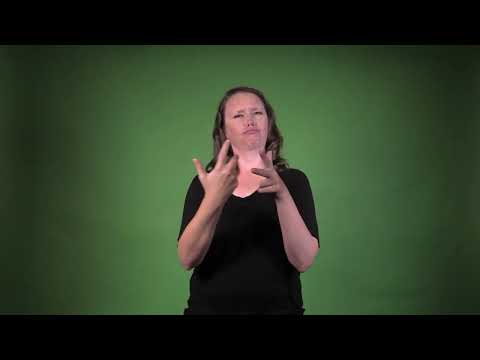
Definition: Driving leisurely.
Sign for CRUISING IN CARS in ASL

Practice Activities:
To practice the sign for cruising in cars in ASL, start by isolating each part of the concept. First, use the vehicle classifier handshapes to indicate a car moving leisurely, often done with two hands representing the shape and movement of the car. Practice this motion slowly and fluidly to capture the relaxed vibe of cruising. Repeat the sign multiple times while looking in a mirror to check for smooth transitions and consistent handshapes.
Next, build short phrases using the sign for cruising in cars in ASL. A sentence like: ME FRIENDS CRUISING IN CARS NIGHT is a good start. Sign it at different speeds and with facial expressions to reflect excitement or calm. Try variations such as WE CRUISING IN CARS BEACH or THEY TEENS LOVE CRUISING IN CARS WEEKEND. This helps you get more comfortable using the sign naturally in conversation.
Storytelling exercises are especially effective. Create a short story about a weekend road trip or a group of friends driving through a city. Include relevant vocabulary such as NIGHT, MUSIC, PARK, STREET, or FUN. Incorporate the sign for cruising in cars in ASL multiple times to reinforce its usage in context.
Try a partner activity where one person describes a scene using the sign and the other acts it out or draws it. Switch roles after a few turns to encourage expressive signing and receptive skills. This promotes active engagement and memory retention.
Use real-life experiences as prompts. Think of a time you were in a car for fun and explain the story using ASL. Focus on adding visual details and keeping your use of the cruising in cars sign fluid and expressive. Emoji use like during practice sessions can help make learning fun and visually engaging.
Cultural Context:
In the Deaf community, the sign for cruising in cars in ASL reflects more than just a mode of transportation. It captures an experienceâan activity often filled with socializing, exploration, and the joy of being on the move. Cruising in cars can be about freedom, independence, and connecting with friends in both urban and rural areas.
Understanding the sign for cruising in cars in ASL means understanding a shared cultural pastime. Among Deaf youth, especially in suburban communities, cruising in cars provides time to hang out, converse in ASL, and enjoy the world outside school or work. It often represents a space where people can bond visually and socially without the distractions of large crowds.
The visual nature of the sign for cruising in cars in ASL makes it especially expressive. It usually mimics the relaxed motion of a vehicle on the road and may involve directional movement depending on how it’s used in a sentence. This sign blends the concepts of travel and leisure, and it can change slightly to reflect different cruising experiences, such as nighttime drives or city cruising.
In Deaf culture, car rides often become mobile signing spaces . Communication is still very much alive, with front-seat passengers turning to sign or using the rearview mirror creatively to maintain visibility. The social aspect of cruising cannot be understatedâitâs a cherished time to reconnect and unwind, making the sign for cruising in cars in ASL especially meaningful within group conversations.
Over time, the use of vehicles in Deaf culture has evolved into avenues of interaction and community-building. The regional signs for cruising in cars may vary, but the core concept is universally understood in ASL. It reflects not only the act of getting from one place to another, but the intention of enjoying the journey with others, often for no specific destination.
The popularity of showing this sign on platforms like TikTok and YouTube has amplified its visibility within and beyond the Deaf community. ASL learners frequently search for authentic uses of the sign for cruising in cars in ASL to better understand its context and presentation. This growing interest has led to more people recognizing how language and culture intertwine in everyday Deaf experiences.
The sign for cruising in cars in ASL also surfaces in storytelling and vlogging content. Deaf creators often describe their hangout spots, road trips, or shared rides using this familiar term. These visual stories often emphasize how such experiences are shaped by accessible communication and visual connection.
Deaf events and social gatherings sometimes include group cruising activities as part of the experience.
Extended Definition:
The sign for cruising in cars in ASL reflects a unique blend of concept and culture. This term commonly refers to the act of driving around casually, often with no specific destination, simply enjoying the ride or the company. In American Sign Language, expressing this idea involves more than just a literal translation; it incorporates context and intent through movement and facial expression.
The sign for cruising in cars in ASL often uses handshapes that mimic holding a steering wheel, combined with relaxed movement to emphasize ease and leisure. The motion may include slight bouncing or a side-to-side flow to suggest a laid-back drive. The use of facial expression is crucial for conveying the casual and social nature of cruising.
In Deaf culture, just like in hearing communities, cruising in cars can be a social activity, symbolizing freedom and relaxation. Teens and young adults often use this sign during storytelling or casual conversations to highlight fun times with friends. The sign for cruising in cars in ASL captures that sense of social bonding and shared experiences.
Depending on the context, regional variations may appear, especially in larger cities or in communities where cruising is a common part of youth culture. While some ASL users may combine signs for “drive,” “car,” and “chill” or “hang out,” others might use established idiomatic signs understood in Deaf culture. Regardless of variation, the meaning remains consistent and culturally rich.
When learning this expression, it’s helpful to observe real-life conversations or videos within the Deaf community. Watching native signers use the sign for cruising in cars in ASL provides insight into the nuance of fluid movements and the emotional tone needed to convey the concept accurately. This immersive approach builds a clearer understanding of how ASL represents both literal and figurative ideas.
The concept of cruising in cars often appears in discussions about teenage life, weekend plans, or nostalgia for simpler times. For learners of ASL, practicing this sign in storytelling or casual dialogue helps with fluency and cultural understanding. Pairing it with other signs like âfriends,â âmusic,â or ânightâ further enriches its meaning.
When using the sign for cruising in cars in ASL on social platforms or in classrooms, it can open up conversations about Deaf life and American youth culture. Itâs a good example of how ASL expresses lifestyle and feeling, not just vocabulary. This layered meaning enhances the languageâs expressiveness and visual impact.
Using the sign for cruising in cars in ASL can also help improve oneâs storytelling skills in ASL
Synonyms: cruising in a vehicle, driving leisurely, casual driving, car cruising, joyriding
Educational resources: Find related learning materials in our course bank!
Want more? Check out some of our popular learning activities on the homepage!
Need to look up a sign? Use our highly rated dictionary: https://aslinteractive.com/best-asl-dictionary/
Follow us on tiktok: https://www.tiktok.com/@aslinteractive. More social media links at the bottom of this page!
Long-tail Keywords: what is the ASL sign for cruising in cars, how do you sign cruising in cars in ASL, ASL sign for cruising in cars
Categories:
tags: transportation, activities, driving rules, car descriptions, vacation
Parameters
*Handshape*:
The handshape for the sign for CRUISING IN CARS in ASL typically involves both hands in the “S” handshape, resembling the act of gripping a steering wheel. The hands are held in front of the body at about chest level, moving slightly side to side or forward to mimic the slow, relaxed motion of driving leisurely.
This hand motion helps visually convey the laid-back and continuous nature of cruising, especially when combined with facial expression. The sign for CRUISING IN CARS in ASL emphasizes the idea of smoothly moving through streets or neighborhoods by car.
*Palm Orientation*:
For the sign for CRUISING IN CARS in ASL, the palms typically face each other, simulating the act of holding a steering wheel. Both hands are positioned in front of the body, mimicking a relaxed driving posture.
This palm orientation supports the natural motion of cruising along in a car, with slight circular or forward-backward movements. The sign for CRUISING IN CARS in ASL uses hand positioning to emphasize the casual and continuous aspect of driving.
*Location*:
The location for the sign for cruising in cars in ASL typically takes place in the neutral space in front of the body, slightly in front of the torso. Hands often remain around chest level to indicate the concept of vehicles moving smoothly.
Some variations may include movements that sway side to side to emphasize a relaxed or casual driving experience. This location helps convey both the “car” aspect and the easygoing motion of cruising in cars in ASL.
*Movement*:
The movement for the sign for cruising in cars in ASL involves mimicking the casual, smooth motion of a vehicle gliding along. Both hands form loose A-handshapes (fists with thumbs extended) positioned in front of the body, as if gripping a steering wheel.
While keeping the hands in this position, move them slightly side to side or in slow arcs to mimic relaxed driving, conveying the idea of leisurely moving through an area. The sign for cruising in cars in ASL often includes a laid-back facial expression to enhance the vibe of casually exploring in a car.
*Non-Manual Signals*:
The non-manual signals for the sign for cruising in cars in ASL often include a relaxed facial expression with slightly raised eyebrows to show the casual and social nature of the activity. A slight head tilt or rhythmic head movement might be added to mimic the smooth motion of riding or cruising.
Mouth movements may include a light puffing of the cheeks or a subtle “woo” expression to reflect enjoyment or a sense of fun. These non-manual markers help capture the leisurely and often social vibe communicated by the sign for cruising in cars in ASL .
*Prosody, Dominant/Non-Dominant Hand*:
For the sign for cruising in cars in ASL, use both hands to depict the smooth, ongoing motion of a relaxed drive. The dominant and non-dominant hands are in loose “C” shapes, palms facing each other, as if gripping a steering wheel. Move both hands forward together in a slight wavy or zigzag motion, mimicking a casual, unhurried path as if you’re cruising comfortably.
The prosody of this sign suggests a continuous, relaxed flow, emphasizing the casual nature of cruising rather than driving with purpose. When explaining the sign for cruising in cars in ASL, maintain a calm facial expression and move your hands at a steady, leisurely rhythm to match the meaning.
Tips for Beginners:
When learning the sign for CRUISING IN CARS in ASL, itâs helpful to first break down the concept into smaller, familiar signs. This phrase isnât a single standardized sign, but rather a descriptive combination. Sign âCARâ using both hands in the claw shape (like youâre holding a steering wheel) and move them slightly up and down, as if driving. Then show the concept of âCRUISINGâ by mimicking the action of moving smoothly and casuallyâusually by using a forward, slight meandering motion with both hands, showing the relaxed, social nature of cruising.
For beginners, clarity is crucial. Remember to keep your facial expressions relaxed yet engaged to match the tone of cruisingâthink laid-back and fun. Over-exaggerating the motion can help communicate that it’s not just driving, but driving around for enjoyment. Make use of your signing space to show the smooth motion of a car moving forward and possibly turning gradually.
One common pitfall is making the car movement too stiff or fast, which can mistakenly convey racing or serious driving rather than leisurely cruising. To avoid this, visualize yourself in the scenarioâmaybe teenagers driving slowly through town, music playing, windows down. Adding context like this helps your facial expressions stay appropriate and makes the sign feel more natural.
Practice the sign for CRUISING IN CARS in ASL slowly at first, focusing on hand positioning and motion paths. Once you’re comfortable, try it in front of a mirror or get feedback from a more experienced signer. Keep your signs smooth and confidentâawkward movements can make the concept unclear. Think about how you can adjust the speed and expressive quality depending on whether you’re cruising alone or socially. With consistency and attention to detail, your ability to express the sign for CRUISING IN CARS in ASL will grow steadily.
Connections to Other topics:
The sign for CRUISING IN CARS in ASL connects closely with the signs for DRIVE, CAR, and RIDE AROUND. Understanding the basic sign for CAR is essential, as cruising implies casual driving within or among populated areas. Learners often pair the movement used in DRIVE with more relaxed, repetitive circular motions to express the ongoing, leisurely nature of cruising.
This sign also relates to directional verbs in ASL, particularly when discussing the route or places someone might “cruise” through. It connects to spatial referencingâa key feature in ASLâwhen indicating roads, cities, or locations involved in the activity. This can be especially useful for storytelling or social interactions where cruising is part of the narrative.
Learners might encounter compound signs derived from combining concepts like FUN and DRIVE to convey the lighthearted, recreational aspect of cruising. In practice, someone might sign CRUISING IN CARS, followed by FRIEND or NIGHT, to describe going for a drive with friends in the evening for enjoyment. These compound ideas help clarify intent and mood without relying solely on facial expressions.
The sign also aligns with topics such as TRANSPORTATION and LEISURE in ASL. It’s commonly seen in casual conversation, especially among young adults who use it to describe weekend routines, meet-ups, or even participating in car meet cultures. When discussing travel preferences or nostalgic experiences, the sign for CRUISING IN CARS in ASL effectively conveys that context.
Students can also relate this to storytelling techniques in ASL, especially those that focus on shared cultural experiences. For example, narratives that include scenes of summer nights, music, and movement often incorporate CRUISING IN CARS to evoke a specific feeling or memory. Understanding this sign helps learners create richer, more relatable descriptions in sign language.
Summary:
The sign for CRUISING IN CARS in ASL involves blending concepts of movement, social behavior, and the idea of casual travel. It typically includes miming the use of a steering wheel with relaxed, fluid hand motions, combined with facial expressions that show a carefree or leisurely attitude. This sign captures the feel-good spirit of just driving around for fun.
When signing it, the hands often move forward while rotating slightlyâsuggesting a car in motion. The non-dominant hand may simulate a dashboard or road surface, enhancing the visual imagery. Eye gaze and facial expression can greatly shift the meaning of this sign from casual enjoyment to aimless or even flirtatious cruising.
In Deaf culture, the sign for CRUISING IN CARS in ASL carries layered social meanings. Often tied to youth and community gatherings, especially in the ’70s and ’80s, cruising was not just about transportation but also a ritual of social bonding. This meaning is preserved in how the sign is typically used by older signers to evoke nostalgia.
This sign is sometimes expanded with qualifiers like NIGHT, CITY, or FRIENDS to give a fuller context. For example, adding the sign for FRIENDS can specify group travel, while NIGHT adds ambiance. This flexibility makes it ideal for storytelling or casual conversations where mood and setting matter.
Linguistically, the sign for CRUISING IN CARS in ASL operates as a verb phrase, often used in a dynamic and descriptive sentence structure. ASL favors visual-spatial grammar, so directionality and hand motion tempo add intensity or casualness. Verb inflection plays a roleâslower motion might denote laziness, while quick movements indicate excitement or speed.
While there is no one official universal sign for cruising in cars, regional variations exist. In some areas, the sign might include additional descriptive classifiers for different vehicles, like vans or convertibles. These regional differences highlight the richness and variability within ASL.
The concept behind this sign can be linked to other leisure signs like RELAX, DRIVE, or HANG-OUT. When used together, they help construct narratives that mimic real-life social dynamics. This grouping allows Deaf users to vividly describe events like weekend meetups or spontaneous road trips.
The sign for CRUISING IN CARS in ASL often acts as a frame for more complex storytelling in signed discourse. Deaf people frequently use it when recalling high school experiences, dating, or exploring new cities with friends. Its narrative utility makes it a culturally important sign despite its seemingly mundane reference.
Signers also use CL-Vehicle classifiers, commonly represented by a horizontal â3â-handshape, to signal a car in motion as part of this sign. By modifying this classifierâs speed and direction, signers can illustrate elaborate scenarios of cruising up and down streets or circling neighborhoods. This spatial storytelling is a strength unique to ASL.
In urban environments, the act of cruising in cars took on roles beyond entertainment; it was a form of being seenâa visual presence. In Deaf communities, this mirrored the need for visibility and connection. Signing it retains that sense of purpose, even if the activity today might be less frequent.
Youth culture within the Deaf community embraced cruising as a means of extending identity beyond the classroom. For many, it became a rite of passage. Therefore, the sign for CRUISING IN CARS in ASL becomes a vessel for memories and collective identity.
Grammatically, using this sign often includes topicalization. A signer may begin with TIME or PLACE markers like WEEKEND NIGHT or DOWNTOWN. Following that, the sign for CRUISING IN CARS in ASL serves as the main verb phrase, uniting the topic with the action.
Facial grammar is as important as manual signs here. Raised eyebrows suggest anticipation or curiosity, while a head tilt and relaxed smile imply enjoyment. These linguistic tools enrich the storytellingâtransforming a basic activity into something nuanced and human.
In broader communication, this sign ties to themes of mobility and social access. For Deaf drivers and passengers, being able to cruise offered autonomy in a world that often limited their independence. The sign thus touches on empowerment through access.
Sociolinguistic aspects influence who uses this sign and how. Older generations might use it more nostalgically, while younger signers may not relate unless familiar with its social concepts. This generational variation speaks to how signs evolve alongside culture.
There is a subtle distinction between driving with a purpose versus cruising for leisure in ASL. While both use similar handshapes, the auxiliary signs and facial expressions shift. CRUISING IN CARS implies aimlessness or intentional leisureâsomething done for the experience itself.
In peer-group settings, this sign is often accompanied by shared laughter or playful expressions, reinforcing its recreational tone. Group interaction can also lead to co-signingâwhere multiple signers add elements like MUSIC or WINDOW-DOWN to enrich the description.
In applied linguistics, this sign offers insight
Want more? Check out some of our popular learning activities!
ASL Interactive Resources
ASLInteractive YouTube Channel
Follow us on tiktok: @aslinteractive.com
Follow us on Instagram: aslinteractive
Facebook page: aslinteractive
Facebook group: aslinteractive
LInkedIn: ASL Interactive LLC
Twitter: @ASL_interactive
*Some information on this page is AI-generated. AI can make mistakes. Please check the information.


Responses