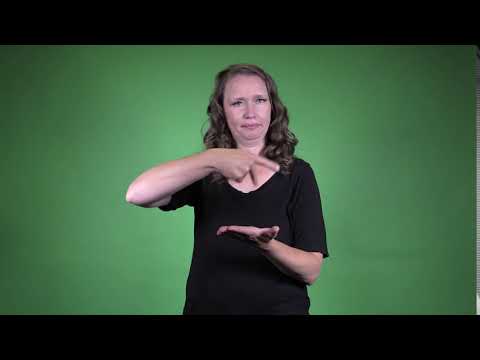
Definition: To engage in dance.
Sign for DANCING in ASL

Practice Activities:
To practice the sign for DANCING in ASL, start by isolating the motion. Use your non-dominant hand held flat, palm facing up to represent the floor. With your dominant hand in a “V” handshape, swing it back and forth above the “floor” hand to mimic dancing. Repeat this motion slowly, then gradually increase the speed to get comfortable with fluid movement.
Next, use the sign in full sentences. Sign phrases like “I like dancing”, “She is dancing”, or “They are dancing in the party.” Focus on facial expressions to convey enjoyment or energy depending on the context. Record yourself signing and watch to check for clarity and smoothness in the movement.
Create simple storytelling prompts to reinforce the sign in context. For example, tell a short story about a character who goes to a dance class, performs on stage, or teaches others. Incorporate other signs such as MUSIC, FRIEND, TIRED, or STAGE to enrich your narrative. Retell your story to a partner or teacher and ask for feedback on your use of signs and transitions.
Practice with a partner by playing charades using different activities. Insert the sign for DANCING in ASL among other signs like RUNNING, COOKING, or READING. This helps reinforce visual recognition and recall. Take turns giving and guessing the signs.
Combine the sign for DANCING in ASL with rhythm-based activities. Play music in the background and sign along, showing when someone is dancing or encouraging others to dance. This helps associate the concept of movement with real-life contexts and encourages expressive use of the sign. Consistent practice and interactive use will build strong comprehension and fluency.
Cultural Context:
In American Sign Language, the sign for dancing in ASL represents more than just physical movement—it reflects expression, rhythm, and emotion. The concept of dance exists across many Deaf cultures as both a visual and physical art, with the sign for dancing in ASL often used in storytelling, performances, and social gatherings.
The sign for dancing in ASL mimics the action of feet moving or swaying, offering a very visual connection to the meaning. In many events within the Deaf community such as Deaf expos, cultural nights, and interpreted concerts, the sign for dancing in ASL is commonly seen in performances celebrating both Deaf identity and artistic expression.
Dance is deeply valued in the Deaf community, not just as entertainment but as a form of self-expression that doesn’t rely on sound. Whether it’s hip-hop, interpretive, or traditional dance forms, Deaf dancers often incorporate the sign for dancing in ASL in their routines to connect the movement with language. They create a visual rhythm that resonates with audiences both Deaf and hearing.
Events such as Deaf dance competitions and ASL music videos use the sign for dancing in ASL to create bridges between artistic worlds. Emphasizing visual storytelling, these performances highlight how ASL can be infused into physical art forms like dance. The sign for dancing in ASL becomes an essential part of this communication, making the experience immersive and inclusive.
Children learning ASL are often taught the sign for dancing in ASL during school plays, physical education, and music-movement classes. It’s one of the many verbs in ASL that help young learners connect action words with visual signs. Using the sign for dancing in ASL in these fun settings boosts vocabulary development and encourages non-verbal expressive skills.
In ASL poetry and visual vernacular, the sign for dancing in ASL can symbolize joy, celebration, or even abstract concepts like freedom or transformation. The vibrancy of Deaf poetry or dramatic performances often includes this sign to convey energy through movement. For performers, it’s a powerful way to bring language and motion together into a unified form of storytelling.
Deaf influencers and social media creators also popularize the sign for dancing in ASL by incorporating it into TikToks, Reels, and YouTube dance challenges. These videos raise awareness about ASL and bring cultural visibility while keeping content accessible. Using the sign for dancing in ASL in these trends amplifies Deaf representation in mainstream digital spaces.
Whether you’re watching a school performance, a signed music video, or
Extended Definition:
The sign for dancing in ASL is a visually expressive gesture that mimics the motion of a person dancing. It typically involves holding one flat hand palm up, symbolizing a dance floor, while the other hand uses two fingers like dancing legs moving back and forth above the palm.
In American Sign Language, movement and facial expression help convey the style or emotion behind each sign. The sign for dancing in ASL can change slightly depending on the context or the type of dancing being described. For example, signing about a ballet performance versus a party dance might involve different energy or added gestures.
A key element in understanding and using the sign for dancing in ASL is fluid motion. Because dance involves rhythm and movement, this sign reflects those qualities. Signing it with stiff or robotic movement could affect the clarity or impact of the message.
This sign is part of a larger category of ASL vocabulary related to music, performance, and the arts. It’s often taught in beginner ASL classes and used in conversations about hobbies, interests, and events. The meaning is usually clear thanks to its iconic representation of actual dancing legs.
When children or students learn the sign for dancing in ASL, it’s often paired with playful activity or music. It’s a favorite during classroom songs or storytelling sessions that involve movement. This helps reinforce language learning with engaging, fun activities.
In Deaf culture, dance and music hold special importance and are often celebrated with unique visual and tactile elements. Cultural events and performances might include signed music where the sign for dancing in ASL appears frequently as artists use it to interpret rhythm and beat. It builds a bridge between the hearing and Deaf communities.
The sign can also appear in conversations about weekend plans, parties, or celebrations. For example, someone might sign dance, fun, and friends together to express their excitement about an event. These real-life use cases make it a practical term to know.
ASL is a rich and dynamic language, and the sign for dancing in ASL is just one example of its vivid visual storytelling. Even small changes in hand speed or placement can shift how a message is felt. This flexibility adds depth to ASL communication.
For those using ASL around children, incorporating the sign for dancing in ASL into songs or games helps build vocabulary. Many early childhood ASL programs use it when introducing signs through nursery rhymes, promoting language development and motor skills. It becomes a fun part of interactive learning.
On social media platforms and video content, demonstrating the sign for dancing
Synonyms: dancing, moving rhythmically, swaying, grooving, boogieing
Educational resources: Find related learning materials in our course bank!
Want more? Check out some of our popular learning activities on the homepage!
Need to look up a sign? Use our highly rated dictionary: https://aslinteractive.com/best-asl-dictionary/
Follow us on tiktok: https://www.tiktok.com/@aslinteractive. More social media links at the bottom of this page!
Long-tail Keywords: What is the sign for dancing in ASL?, How do you sign dancing in ASL?, Dancing in American Sign Language
Categories:
tags: Dancing in American Sign Language, how to sign dancing in ASL, ASL sign for dancing, learn dancing in ASL, signing dancing in American Sign Language
Parameters
*Handshape*:
The handshape for the sign for DANCING in ASL uses a flat non-dominant hand, palm facing up to represent a dance floor. The dominant hand is formed into a “V” handshape (index and middle fingers extended and spread), representing the legs of a dancer.
In the sign for DANCING in ASL, the dominant “V” handshape moves from side to side above the open palm. This movement mimics the action of dancing feet gliding across a floor.
*Palm Orientation*:
In the sign for dancing in ASL, the dominant hand is in a “V” handshape with the palm facing downward. The non-dominant hand is flat, palm facing upward, acting like a stage or floor.
The “V” hand moves side to side in a light, bouncing motion above the palm-up hand. The palm orientation for both hands stays consistent throughout, emphasizing clarity in the sign for dancing in ASL.
*Location*:
The sign for dancing in ASL is produced in the neutral space in front of the body. The base hand is held palm-up and flat around chest level, usually representing a stage. The dominant hand mimics a person dancing by using two fingers (usually the index and middle) to swing back and forth over the flat palm.
This location in neutral space makes the sign for dancing in ASL clear and visually descriptive. Maintaining this specific position helps convey the meaning accurately.
*Movement*:
The movement of the sign for DANCING in ASL involves the dominant hand in a “V” shape, mimicking legs, while the non-dominant hand stays flat, palm facing up to represent a dance floor. The “V” hand gently sways or bounces side to side above the non-dominant hand, as if dancing on it.
This motion is repeated with fluid, rhythmic movements to convey the sense of continual motion. The sign for DANCING in ASL captures the graceful essence of dance through this lively, illustrative action. ✨
*Non-Manual Signals*:
The non-manual signals for the sign for DANCING in ASL typically include a light and expressive facial expression, often conveying joy or enjoyment. Eyebrows are relaxed, and you may see a slight smile or playful expression that reflects the rhythm or energy of music.
Head movement can accompany the motion of the hands, gently nodding or swaying to match a beat. These facial cues enhance the meaning of the sign for DANCING in ASL, showing emotional connection and engagement.
*Prosody, Dominant/Non-Dominant Hand*:
The sign for DANCING in ASL uses the dominant hand in a “V” shape, representing legs, while the non-dominant hand is held horizontally, palm up, mimicking a stage or floor. The dominant “V” hand swings back and forth above the non-dominant palm, as if dancing.
Both hands work together smoothly, with the dominant hand moving in a light, rhythmic motion. The sign for DANCING in ASL captures the graceful, fluid nature of movement .
Tips for Beginners:
When learning the sign for DANCING in ASL, it’s important to focus on hand placement and movement. The dominant hand typically mimics a pair of legs dancing over the palm of the non-dominant hand, which represents the dancefloor. The palm of the non-dominant hand should face upward and remain steady while the dominant hand swings back and forth lightly with extended index and middle fingers pointing downward.
Beginners often struggle with making the movement too stiff or robotic. Keep the motion loose, fluid, and rhythmic—just like actual dancing. You don’t need to overdo the gesture; a gentle, consistent sway of the dominant hand communicates the concept effectively. Practicing this in front of a mirror helps establish the correct motion and improves confidence.
Maintaining the correct orientation of both hands is crucial. Ensure the dominant hand stays above the non-dominant hand, not off to the side. Also, avoid touching the base hand too often during the motion. This can obscure the meaning or make the sign look unclear to fluent signers.
Facial expressions add valuable context to the sign for DANCING in ASL. Pairing the motion with a joyful or excited expression will make your signing more engaging and natural. Sign language is highly expressive, so your face should match the context of the conversation.
Taking the time to watch native or fluent signers perform the sign can help reinforce correct technique. Try using free online video dictionaries or YouTube channels dedicated to ASL content. Repetition—with accuracy—is key when integrating the sign for DANCING in ASL into your everyday vocabulary.
Lastly, use the sign in context whenever possible. Commenting about a recent dance, asking someone if they like dancing, or describing a dancing event allows for real-life application and builds retention .
Connections to Other topics:
The sign for DANCING in ASL is closely tied to concepts like music, movement, and expression, making it part of a larger family of signs that describe artistic or physical activities. Understanding this sign helps learners recognize how ASL uses spatial grammar and classifier usage to show movement, direction, and style. It connects naturally to signs like MUSIC or SONG, where rhythm is implied through the motion and context of the sign.
This sign also shares elements with sports and activity-related signs like GYMNASTICS or YOGA, where the body is the focus of expression or performance. Because DANCING often involves repeated rhythmic movement, many users modify the sign to match specific dance styles such as ballet or hip-hop, depending on context, facial expressions, and repeated or emphasized motions. These nuanced changes are a great way to deepen expressive range in storytelling or performance discourse in ASL.
The sign for DANCING in ASL may also merge into compound signs like BALLROOM-DANCE or DANCE-COMPETITION, which combine the dance sign with context-specific classifiers or additional lexical signs. This highlights an essential grammar concept in ASL—how ideas combine fluidly to express specificity without needing extra words. Learners often encounter this when describing hobbies or pastimes, especially during introductions or storytelling.
In Deaf culture, the sign plays an important role when discussing events, festivals, or community gatherings, where dance may be a central part of the experience. Understanding the sign for DANCING in ASL enables meaningful discussions about cultural involvement, performance, and leisure activities. It also lays a foundation for learning how to sign verbs that involve motion across space, preparing learners for more complex directionality principles.
In classifier use, dancer movements can involve using the “legs” classifier (non-dominant hand as a platform, dominant hand as the legs) to show leaping, twirling, or specific dance steps. This makes the sign for DANCING in ASL a gateway to exploring animated visual storytelling in signed languages.
Summary:
The sign for DANCING in ASL is a visually expressive and iconic gesture that beautifully captures the concept of rhythm and movement. This sign is made by holding the non-dominant hand flat, palm facing up, while the dominant hand is in a “V” shape representing legs, gently swaying back and forth above the palm like a person dancing.
This sign is often used to talk about dance in general and not a specific style unless modified. Context can shift the meaning toward ballet, hip-hop, or line dancing depending on the conversation around it. To specify a style, descriptors are typically added before or after the basic sign for DANCING in ASL.
The handshape of the dominant hand being in a “V” configuration allows for iconic representation of a dancer’s legs. The motion mimics the visual aspect of someone swaying side to side or jumping lightly. The non-dominant hand serves as a figurative “stage” on which the dancing movement takes place.
Grammatically, the sign for DANCING in ASL can function as either a verb or noun depending on sentence structure. It can be used in sentences like “I like dancing” or “Dancing is fun.” ASL tends to rely on facial expressions and body posture to accompany this sign, often showing enthusiasm or passion.
The sign is commonly paired with expressions or signs showing joy, rhythm, or celebration. For example, it might be followed by signs like MUSIC, PARTY, or HAPPY to convey deeper emotional or contextual meaning.
From a cultural standpoint, DANCING holds a significant position in both Deaf and hearing communities. In Deaf culture, dance forms like Deaf Hip-Hop or ASL incorporated performance art have brought together language and rhythm in innovative ways. This has helped shape modern creative arts within the community.
ASL poetry and storytelling often incorporate body movements similar to the sign for DANCING in ASL. The flowing, rhythmic use of space and body is central to Deaf performance art, blurring the lines between movement and language. In this way, DANCING is not only an action but a powerful communicative tool.
Many Deaf performers use ASL to interpret music through visual rhythm rather than auditory signals. The sign for DANCING in ASL becomes a key starting point in describing or interpreting choreography in a signed format. It bridges music and language in rich, multisensory ways.
In terms of linguistic features, the sign offers an example of iconicity—when a sign directly resembles the concept it represents. This iconic nature makes it accessible and intuitive for new learners. It also demonstrates spatial grammar, as the hands occupy and move within a 3D plane to show temporal or rhythmic concepts.
The verbs in ASL can be modified through movement and repetition, and the sign for DANCING is no exception. Repetition of the nurturing sway can indicate “dancing for a while” or an ongoing activity. Speed and intensity changes can also reflect the pace or emotional tone of the dance.
With children or early learners, the sign for DANCING in ASL is often among the first taught, as it’s both visually fun and easy to remember. It provides a tactile and visual way to connect physical movement with language. Teachers often pair signs like MUSIC, SING, and DANCING to build thematic lessons in Deaf education.
Applied linguistics within Deaf studies highlights how signs like DANCING influence the framework of signed rhythm. Rhythm in sign language isn’t audibly produced but visually perceived, and signs like DANCING in ASL reinforce these patterns. Rhythm in ASL signs often matches the beats of visual and kinesthetic grammar rather than spoken tempo.
Exploring the history of the sign, early documentation of DANCING in ASL shows similar forms, with slight variation in movement or handshape across different regions. ASL dialects might introduce alternative motions, especially within diverse signing communities. Nonetheless, the shared core motion ties them together.
Related signs that often appear with the sign for DANCING in ASL include SING, MUSIC, CELEBRATE, PARTY, and PERFORMANCE. These combine to enrich the context and create narrative layering in signed conversation. They also demonstrate how ASL builds complex ideas by connecting multiple smaller units of meaning.
Like other signs that depict action, classifiers may be used with the concept of DANCING in ASL. For instance, a person dancing in a room might be shown using spatial referencing, placing the dancer in a signed 3D environment. Location, direction, and movement can illustrate solo dances or whole groups performing.
Culturally, events like Deaf dance festivals showcase the power of movement and language. Performers use the DANCING sign embedded within elaborate routines, often syncing with vibrotactile cues. This opens up new doors in accessibility as well as expression, allowing deeper musical appreciation among Deaf audiences.
With the rise of digital platforms like TikTok and YouTube, the sign for DANC
Want more? Check out some of our popular learning activities!
ASL Interactive Resources
ASLInteractive YouTube Channel
Follow us on tiktok: @aslinteractive.com
Follow us on Instagram: aslinteractive
Facebook page: aslinteractive
Facebook group: aslinteractive
LInkedIn: ASL Interactive LLC
Twitter: @ASL_interactive
*Some information on this page is AI-generated. AI can make mistakes. Please check the information.


Responses