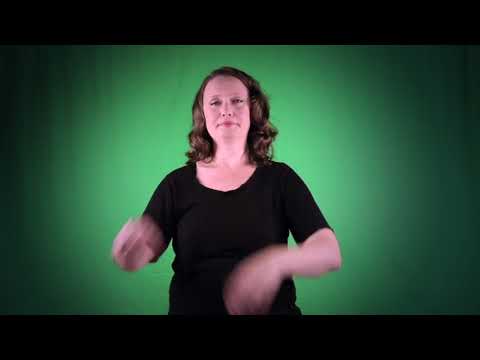
Definition: A precious stone.
Sign for DIAMOND in ASL

Practice Activities:
To begin practicing the sign for DIAMOND in ASL, start by isolating the sign. Practice forming the correct handshape and movement in front of a mirror to ensure clarity. Repeat the sign multiple times until it feels natural. Use slow and fast repetitions to build fluency and confidence.
Next, incorporate the sign into short phrases. Sign common sentences such as “I have a diamond,” “That ring is a diamond,” or “She lost her diamond.” Practice them in both affirmative and negative forms to build flexibility. Focus on facial expressions and sentence flow for a more natural delivery.
Try developing a short story using the sign for DIAMOND in ASL. For example, narrate a simple tale about someone finding a diamond in their backyard. Add other signs that relate to the story, like dig, find, treasure, or jewelry. Use sequence markers like “first,” “then,” and “finally” to help organize your narrative in ASL structure.
Work with a partner to play a guessing game. One person signs different objects, including the sign for DIAMOND in ASL, while the other guesses what was signed. Switch roles and introduce context clues through facial expressions and classifiers to deepen understanding.
Watch ASL videos or short stories featuring discussions about jewelry or gems. Try to identify when the sign for DIAMOND in ASL appears. Afterward, mimic what you saw and try to retell the signs in your own words.
Use flashcards that include the sign for DIAMOND in ASL alongside related signs like gold, ring, necklace, and bracelet. Mix the cards and sign each one as you reveal it. This builds association and strengthens vocabulary within the same category.
End your practice by recording yourself signing a few sentences that include the sign for DIAMOND in ASL. Review the video, observing clarity and fluency, and adjust as needed for improvement.
Cultural Context:
In American Sign Language (ASL), the sign for DIAMOND in ASL carries both a literal and cultural meaning. A diamond isn’t just a valuable gemstone—it’s also a symbol that appears in various aspects of life, such as jewelry, card games, shape recognition, and even sports. This makes the sign for DIAMOND in ASL useful in different conversations, especially those involving fashion, wealth, or symbolism.
When discussing engagement rings, for example, the sign for DIAMOND in ASL becomes essential. It allows the Deaf community to express moments related to love, proposals, and marriage with clarity and cultural relevance. The sparkling idea of a diamond often carries emotion, and having a clear, recognized sign helps convey those feelings in conversations.
In ASL, many signs are influenced by how things look or their cultural context. The sign for DIAMOND in ASL is no different—it reflects the visual nature of a diamond and sometimes connects to the common handshapes used in other types of gem or shape-related signs. This makes it easier for learners to remember and apply across contexts.
The sign for DIAMOND in ASL is sometimes used metaphorically as well. For example, someone might describe something as a “diamond in the rough,” and the ASL version of this idea often involves both literal and abstract signing techniques. This flexibility shows how deep and expressive the sign can be within the language.
Fashion and celebrity culture often bring attention to diamonds, so knowing the sign for DIAMOND in ASL allows Deaf individuals to engage those conversations fully. Whether talking about red carpet events or popular music lyrics that reference diamonds, the sign keeps people connected to modern culture. It’s commonly seen in vlogs, interviews, and casual conversation within the Deaf community.
In addition to jewelry, diamonds are a recognized suit in playing cards. The sign for DIAMOND in ASL is also used in games, magic tricks, and teaching tools. This helps make games and learning activities accessible to ASL users of all ages. It shows the language’s inclusion across many lifestyle areas.
ASL learners often come across the sign for DIAMOND in ASL during lessons about shapes or luxury items. Teachers might introduce it alongside signs like gold, silver, or ruby to compare and contrast. This can lead into discussions about value, color, or material differences, promoting vocabulary growth and cultural understanding.
The diamond has long been a symbol of strength, endurance, and brilliance. The sign for
Extended Definition:
The sign for diamond in ASL is a unique and expressive representation of the word, commonly used to describe the precious gemstone as well as any object or concept related to high value, clarity, or sparkle. In American Sign Language, concepts like jewel names are usually conveyed through classifiers, fingerspelling, or descriptive signs based on size, shape, and sparkle.
To sign diamond in ASL, one common method is to begin with the sign for “ring,” followed by a descriptive sign that mimics the shape and sparkle of a diamond. This often involves a flicking motion at the ring finger to represent the glint or shine associated with a diamond. When fingerspelling, the word D-I-A-M-O-N-D may be spelled out to provide clarity, especially in educational or formal contexts.
Context matters when using the sign for diamond in ASL. For example, if you’re talking about baseball, diamond refers to the shape of the field, not a gemstone. In these cases, the meaning is usually clear from the situation, but the sign used might be different to reflect the specific meaning. This highlights the importance of facial expression and contextual clues in American Sign Language communication.
Cultural references to diamond, such as in the phrase diamond ring or diamond anniversary, may also influence the way the term is signed. The sign for diamond in ASL might vary slightly depending on whether the speaker is referring to jewelry, symbolic meanings like love or wealth, or items with diamond-shaped patterns. In conversations about symbols of commitment or status, the gesture often emphasizes sparkle or size using visual cues that are easily understood within the Deaf community.
In visual storytelling through ASL, it’s helpful to use classifiers to describe the diamond’s cut or brilliance. Classifier handshapes can simulate the facets of a diamond or how it glimmers in the light. Alongside this, using facial grammar enhances the meaning when signing descriptive details like size, shape, or quality.
Teaching the sign for diamond in ASL is popular in classroom settings, especially when discussing basic vocabulary related to shapes, accessories, or luxury items. It’s also a word that comes up in creative signing contexts like poetry and music, where the sign may be stylized or exaggerated to match the mood or rhythm.
When creating content for SEO or an ASL dictionary, it’s beneficial to include visuals alongside the written explanation of the sign for diamond in ASL. Videos and gifs make the gesture easy to learn and replicate. Since ASL is a visual language,
Synonyms: gemstone, jewel, precious stone, rock, crystal
Educational resources: Find related learning materials in our course bank!
Want more? Check out some of our popular learning activities on the homepage!
Need to look up a sign? Use our highly rated dictionary: https://aslinteractive.com/best-asl-dictionary/
Follow us on tiktok: https://www.tiktok.com/@aslinteractive. More social media links at the bottom of this page!
Long-tail Keywords: what is the sign for diamond in ASL, how do you sign diamond in American Sign Language, how to sign diamond in ASL
Categories:
tags: Diamond, jewelry, shapes, colors, objects
Parameters
*Handshape*:
The handshape for the sign for DIAMOND in ASL uses both hands in modified “F” handshapes, where the thumb and index finger touch to form a circle, representing sparkle or shine. The fingers flick slightly just above chest level, imitating the shimmer of a diamond . This specific handshape helps visually convey the brilliance and precision associated with diamonds.
When using the sign for DIAMOND in ASL, the fingertips create sharp, clean movements, further emphasizing the cut and reflective nature of a diamond. The use of symmetrical handshapes enhances clarity and reinforces the visual imagery connected to the gemstone.
*Palm Orientation*:
For the sign for DIAMOND in ASL, the palm orientation is generally inward and diagonal, facing the opposite hand. Both hands form the shape of the letter “D” and come together to trace the outline of a diamond or gemstone, with palms facing slightly toward each other for clarity.
When using the sign for DIAMOND in ASL, maintain steady hand positioning with fingers pointing upward and palms angled inward. This helps visually emphasize the diamond shape and adds precision to the sign.
*Location*:
The sign for diamond in ASL is produced in neutral space in front of the torso, typically at chest level. This gives enough room to clearly show the shape associated with a diamond using the index fingers and thumbs.
Using neutral space helps maintain visibility and clarity, allowing for distinct finger placements that depict a diamond outline. The placement also keeps the sign for diamond in ASL central and easily viewable from different angles.
*Movement*:
To show the sign for diamond in ASL, form an index finger and thumb into an L-shape on both hands and then touch the tips of each hand together, creating a diamond shape in the air. Move the hands slightly apart and then bring them back together, as if outlining the points of a diamond .
This movement reinforces the visual shape, helping make the sign for diamond in ASL clear and iconic. The motion is smooth and symmetrical, mimicking how a diamond reflects light.
*Non-Manual Signals*:
The non-manual signals used with the sign for diamond in ASL typically include a neutral or slightly focused facial expression, showing attentiveness to describing the shape or value associated with a diamond. Eyebrows may be slightly raised for emphasis, especially if highlighting the clarity or brilliance of a diamond .
When making the sign for diamond in ASL, keeping steady eye contact and a composed demeanor helps reinforce the sophistication or precious nature of what’s being described. If describing a real diamond, a slight head nod or squint can suggest sparkle or shine.
*Prosody, Dominant/Non-Dominant Hand*:
The sign for diamond in ASL uses both hands. The dominant hand forms the letter “D” while the non-dominant hand stays open or neutral. The dominant “D” hand moves in a diamond shape in front of the body to mimic the cut shape of a diamond.
To clearly convey the sign for diamond in ASL, keep your movements tight and symmetrical for precision. Facial expression can also emphasize the value or size of the diamond being described. Use the same hand consistently as dominant throughout.
Tips for Beginners:
When learning the sign for DIAMOND in ASL, take your time mastering the handshape and facial expression that accompanies descriptive signs. Since “diamond” can refer to the gemstone or the shape, be sure you understand the context in which it’s being signed. Typically, the sign involves forming a “D” handshape (fingerspelling) and then lightly tracing a diamond shape in the air, mimicking the geometric form. Use smooth, intentional movements and avoid rushing through the shape to maintain clarity.
A common beginner mistake is making the motions too small or too large. Consistency matters—an exaggerated sign can confuse the viewer, while one that’s too subtle can be missed entirely. When signing geometrical signs like the sign for DIAMOND in ASL, keep your hand within your signing space and your palm orientation consistent. Practicing in a mirror or filming yourself can help you correct proportions and flow.
If you’re referring to the gemstone specifically, it’s helpful to pair the sign with additional context or descriptive elements, especially in ASL storytelling or conversation. Don’t rely solely on mouthing the word “diamond” as a replacement—focus on delivering the sign with precision. Your facial expressions should match the idea of elegance or value when describing a diamond, especially in poetic or expressive signing.
For learners with no experience in fingerspelling, practicing the letter “D” fluently is a key step. Since the sign for DIAMOND in ASL begins with a fingerspelled component or a D-handshape, clarity in that letter is fundamental. Build muscle memory through repetition and get feedback from fluent signers or instructors when possible ✨.
Connections to Other topics:
The sign for DIAMOND in ASL often connects conceptually to other jewelry-related signs, such as RING, NECKLACE, and BRACELET. These signs frequently incorporate classifiers or depict the shape, location, or type of ornament. Understanding the sign for DIAMOND in ASL helps learners become familiar with how physical attributes like shape, shininess, and location on the body are communicated visually in ASL.
This sign is also relevant when discussing gemstones, precious materials, or fashion, and connects with signs like GOLD, SILVER, and JEWEL. Learners may encounter compound signs or descriptive classifiers that combine signs like STONE or SHINE with other elements to talk about different types of jewels, where DIAMOND is used to specify value or clarity. In a retail or fashion scenario, phrases like FANCY DIAMOND RING or BIG DIAMOND EARRING are constructed by combining relevant signs in sequence, and sometimes exaggerating size or sparkle using facial expressions or movement.
In storytelling, particularly fairy tales, the sign for DIAMOND in ASL can be integrated into narrative devices by pairing it with signs like CROWN, TREASURE, or PRINCESS. When using role-shift techniques, a signer may mime putting on a diamond ring or noticing a diamond sparkle to support visual storytelling and character development. The sign pairs well with descriptive classifiers to describe diamonds being set into jewelry or light reflecting off gemstones.
The sign for DIAMOND in ASL also connects to broader cultural references such as engagement, weddings, and status. In themes of love or proposals, DIAMOND is often paired with signs such as PROPOSE, LOVE, or MARRY. This contextual understanding helps learners apply the sign for DIAMOND in ASL across both real-life dialogue and abstract concepts like value or brilliance .
For children’s stories or educational settings, learners might see DIAMOND used along with colors or shapes, since many early books and lessons focus on gems, treasures, or the concept of “special things.” Reinforcing this sign through such contexts helps build vocabulary and fluency in theme-based sign use.
Summary:
The sign for DIAMOND in ASL typically involves outlining the shape of a diamond using index fingers or depicting the concept of something shiny or valuable with contextual modifications. A common method includes touching the ring finger on the left hand with the index finger of the right hand and rotating slightly, mimicking the appearance or focus of a diamond on a ring. This iconic representation is often clear in contexts relating to jewelry or value.
Culturally, the sign for DIAMOND in ASL resonates strongly with themes of engagement, wealth, fashion, and beauty. As in spoken English, diamonds are symbolic of permanence and luxury, which carries over into the Deaf community through sign use. When discussing relationships, especially engagements or weddings, this sign often appears in tandem with signs like MARRY, RING, or LOVE.
The handshape and placement in the sign for DIAMOND in ASL are not random; they reflect metaphorical and descriptive qualities of a diamond. The precise point of contact between fingers may also draw attention to a specific finger where a diamond ring would be worn, associating the concept with visual accuracy. Facial expression further contextualizes whether the diamond refers to literal jewelry or is used metaphorically.
Grammatically, the sign for DIAMOND in ASL functions primarily as a noun but can be modified visually for poetic or expressive uses. When combined with classifiers or size/shape specifiers, the type or size of the diamond can be expressed more richly. Signers may also fingerspell D-I-A-M-O-N-D when referencing the term scientifically or in educational contexts to differentiate from jewelry.
Applied linguistics in ASL reveals how native signers conceptualize tangible items like diamonds using spatial and visual features. The minimal pairs concept applies here—similar signs such as RING or JEWEL can be distinguished by their motion, facial expression, and location. This underscores ASL’s deep reliance on spatial modulation and handshape clarity.
The sign for DIAMOND in ASL is often linked with visual storytelling. During personal narratives, a signer might visually indicate a ring box, the act of proposing, or describe the glint of light bouncing off a diamond. These visual layers enrich communication beyond what can be said through manual signs alone.
Interpreters often stress the need to observe surrounding context when interpreting the sign for DIAMOND in ASL. For instance, without context, the sign might be confused with signs for other shiny or small round objects. Nuances hinge on cultural knowledge about when and why diamonds become relevant in conversation.
Signs akin to the sign for DIAMOND in ASL include GEM, RING, ENGAGEMENT, EXPENSIVE, and VALUE. Each sign shares characteristics related to wealth or significance but differs in specificity. For learners of ASL, understanding the distinctions among these signs allows for clearer, more precise expression in social and storytelling settings.
Among the Deaf community, jewelry—including diamonds—has historical importance for milestone celebrations. The sign for DIAMOND in ASL appears often in stories about engagements, family traditions, or generational heirlooms. As such, it’s more than a vocabulary item; it’s part of cultural identity and memory.
From a linguistic study perspective, analyzing the sign for DIAMOND in ASL can yield insights into iconicity in signed languages. The idea that the shape and movement of a sign relate to its meaning is especially strong with visually descriptive signs like this. These types of signs are early acquisitions in language development due to their semantic transparency.
Phonetically in ASL, the basic sign for DIAMOND utilizes handshape, movement, and location elements that interact with prosodic features like facial expression. A facial expression showing awe or admiration can elevate the sign’s impact—implying beauty or high value. This reflects how prosody functions in ASL as a counterpart to tone in spoken language.
Socially, the sign for DIAMOND in ASL may also appear in discussions of status, fashion, or materialism. When analyzing media content in ASL, such as movies, YouTube vlogs, or Deaf theater, references to diamonds tend to evoke luxury or romantic moments. The physical beauty of the sign contributes to this theatricality and emphasis.
Sign language poetry makes rich use of signs like DIAMOND in ASL. Poets often exploit the visual appeal of the diamond’s facets or the symbolic imagery of clarity and strength. This reinforces how ASL offers unique affordances for visual metaphor in artistic settings.
Teaching the sign for DIAMOND in ASL usually involves associations with scenarios such as marriage proposals, jewelry shopping, or birthday gifts. Instructors also use tactile aids or images to enhance the learner’s connection between the concept and its representation. Sign fluency increases when students link the physical sign to sensory experiences.
In discussions of science or geology, the fingerspelled form D-I-A-M-O-N-D may replace the standard sign, especially when discussing crystalline structure or chemical composition. This
Want more? Check out some of our popular learning activities!
ASL Interactive Resources
ASLInteractive YouTube Channel
Follow us on tiktok: @aslinteractive.com
Follow us on Instagram: aslinteractive
Facebook page: aslinteractive
Facebook group: aslinteractive
LInkedIn: ASL Interactive LLC
Twitter: @ASL_interactive
*Some information on this page is AI-generated. AI can make mistakes. Please check the information.

Responses