Definition: Precious gemstones formed from carbon, known for their brilliance, hardness, and use in jewelry and industrial tools.
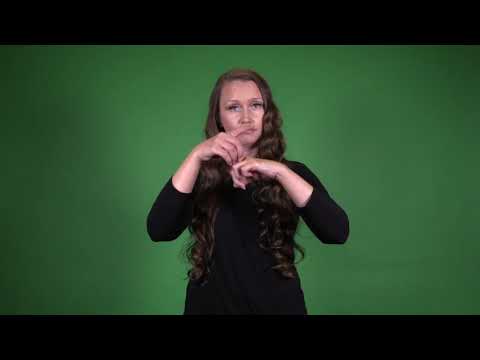
Sign for DIAMONDS 2 in ASL
Practice Activities:
To practice the sign for DIAMONDS 2 in ASL, start with repetition drills. Stand in front of a mirror and sign it slowly multiple times, checking your handshape, movement, and facial expression. Increase the speed gradually as your confidence builds.
Create simple flashcards with various jewelry-related items and include the sign for DIAMONDS 2 in ASL among them. Shuffle the deck and sign each item as you reveal the card. This improves vocabulary retention and reinforces recognition of the sign in isolation.
Use sentences to practice the sign in context. For example: I love wearing diamonds, That ring has big diamonds, or My grandmother gave me her diamond earrings. Practice signing each sentence slowly and naturally. Record yourself and watch to evaluate your clarity.
Storytelling practice helps expand context usage. Tell a short story about buying a diamond ring, visiting a jewelry store, or finding diamonds in an unexpected place. Use rich descriptions and insert the sign for DIAMONDS 2 in ASL naturally within your story multiple times.
Work with a partner or in a study group. Take turns acting out buying or selling diamonds, and ask each other questions like Where did you get those diamonds? or How much are the diamonds? Give each other feedback on sign accuracy and fluency.
Add a creative element by drawing a picture of a jewelry box, then labeling and signing each item as if explaining it to someone who is Deaf. Include the sign for DIAMONDS 2 in ASL whenever referring to any diamond-shaped or jewelry-related items.
End your session with a fingerspelling warm-down where you spell out words like diamond, jewelry, gemstone, and sparkle, then sign the corresponding ASL signs including the sign for DIAMONDS 2 in ASL. This helps reinforce both receptive and expressive skills.
Cultural Context:
The sign for DIAMONDS 2 in ASL reflects not only the concept of gemstones but also carries cultural and contextual meaning within Deaf and signing communities. In American Sign Language, signs related to wealth, beauty, and luxury often draw from visual characteristics, which is true of signs like the sign for DIAMONDS 2 in ASL. Context plays a major role in interpreting this sign accurately.
The sign for DIAMONDS 2 in ASL may appear in casual or descriptive conversations when people talk about jewelry, fashion, or even birthdays and celebrations. When describing something dazzling or precious, the sparkle and value of diamonds often become a metaphor, and that is reflected in the visual nature of the sign. Deaf signers might use this sign with excitement or admiration when referring to rings, necklaces, and other precious items.
Culturally, the sign for DIAMONDS 2 in ASL may also hint at status or symbolic meaning. For instance, engagement and wedding rings are commonly associated with diamonds, so this version of the sign may surface in stories, life updates, or visual storytelling common in the Deaf community. Since many conversations are visual, gestures that indicate shine or shape enhance the sign’s meaning.
The sign isn’t only used when referring to actual diamonds. In conversations about card games, visual art, or symbolism, the sign for DIAMONDS 2 in ASL might be adapted or referenced. ASL is rich with visual metaphors, making it easier to show abstract concepts through physical gestures. The version of the sign might differ slightly depending on whether the topic is related to cards, fashion, or symbolic ideals.
Younger signers or those active in visual media might use the sign for DIAMONDS 2 in ASL when talking about high-end fashion culture, music videos, or celebrities. Watches, diamond-studded accessories, and glamor mimic popular usage in mainstream media. ASL users adapt quickly to how language needs to evolve visually with current trends.
The Deaf community’s use of the sign for DIAMONDS 2 in ASL respects both its literal and expressive qualities. Since touch, appearance, and motion are key to understanding, a sign like this communicates more than just a word—it conveys emotion and meaning directly through the hands. Fluent signers might emphasize sparkle with facial expressions and fluid hand motions to highlight glamour or value.
In group settings or storytelling environments, signing the word diamonds with expressive features and a detailed version such as the sign for DI
Extended Definition:
The sign for diamonds 2 in ASL is a variation of the standard sign for diamonds and may appear in different contexts depending on regional dialects or personal signing style. It’s often used when describing shapes, designs, or elements in card games, jewelry, or visual arts where the concept of diamonds appears more than once or in a distinct grouping.
To form the sign for diamonds 2 in ASL, most signers use the shape classification method. This involves outlining the diamond shape with the index fingers or using a double movement to represent the idea of more than one diamond. The number 2 is incorporated either through a numeral handshape or by repeating the diamond sign to signify a pair.
In American Sign Language, shape-based vocabulary is often expressive. The sign for diamonds 2 in ASL uses spatial elements and hand configurations to represent the idea of multiple diamonds clearly. The context in which it’s used often brings more clarity, whether you’re referencing a two-diamond pattern on fabric or a diamond suit in a card game.
When using the sign for diamonds 2 in ASL, facial expressions play a significant role in conveying scale, quantity, or even aesthetic appreciation. If you’re describing a pair of diamonds in earrings or a design featuring two prominent diamond shapes, these emotional nuances add detail and meaning to the communication.
This sign is not standardized across all fluent ASL users. Some may sign ‘diamond’ and follow it with the number 2, while others combine both concepts in a fluid motion. Either approach is understood in conversational ASL, especially when the context is clear.
There are several situations where you might use the sign for diamonds 2 in ASL. Common topics include fashion, jewelry design, playing cards ♢, or decorative styles. For example, when discussing the 2 of diamonds in a deck of cards, signers may show the diamond suit followed by the number two in one smooth motion.
Another common use is in artistic or visual descriptions. A textile designer may use this sign while explaining a pattern that repeats two diamond shapes. This helps distinguish it from single-diamond concepts and streamlines visual communication with deaf or hard-of-hearing clients or colleagues.
Learning the sign for diamonds 2 in ASL adds versatility to your signing vocabulary. It combines directional movement, numeral incorporation, and creative spatial awareness. Practicing this helps you better describe abstract shapes or specific items involving multiple similar elements.
The sign is also useful in education environments, especially when teaching geometry
Synonyms: diamonds, diamond, gemstones, precious stones, jewels
Educational resources: Find related learning materials in our course bank!
Want more? Check out some of our popular learning activities on the homepage!
Need to look up a sign? Use our highly rated dictionary: https://aslinteractive.com/best-asl-dictionary/
Follow us on tiktok: https://www.tiktok.com/@aslinteractive. More social media links at the bottom of this page!
Long-tail Keywords: what is the sign for diamonds in ASL, how do you sign diamonds in ASL, ASL sign for diamonds
Categories:
tags: Shapes, Jewelry, Luxury, Objects, Gemstones
Parameters
*Handshape*:
The handshape for the Sign for DIAMONDS 2 in ASL typically uses both hands in an open 5-handshape. The fingertips of each hand touch at a point to form a visual diamond shape in the air. This iconic representation helps convey the meaning clearly and visually.
In the Sign for DIAMONDS 2 in ASL, the hands create the outline of a diamond by moving slightly apart and then returning to the center. This structured movement, along with the unique handshape, enhances distinction and aligns with the visual nature of ASL.
*Palm Orientation*:
The palm orientation for the sign for DIAMONDS 2 in ASL typically faces inward toward the chest or slightly downward, depending on the regional variation used. The dominant hand forms a shape resembling a diamond or uses initialized handshapes, with fingers moving to outline or indicate a diamond formation .
When signing the sign for DIAMONDS 2 in ASL, it’s important to maintain consistent palm orientation and movement for clarity. Some versions may integrate the D handshape with a specific motion, adding nuance to the depiction of diamonds.
*Location*:
The sign for DIAMONDS 2 in ASL is produced in the neutral space in front of the torso, slightly above waist level. Both hands are positioned comfortably in this area so the motion and handshape are clearly visible to the viewer.
This location allows the fingers to form the shape that reflects the concept of diamonds clearly. Placing the sign here ensures the sign for DIAMONDS 2 in ASL remains fluid and easy to perceive.
*Movement*:
The sign for DIAMONDS 2 in ASL uses a modified “D” handshape on the dominant hand, held near the chest. The movement involves tracing a diamond-like shape in the air using the tip of the index finger, usually starting from the top point, moving down diagonally, across, and back up to form the outline.
This sign emphasizes the geometric shape associated with diamonds. The sign for DIAMONDS 2 in ASL may differ slightly based on context, such as jewelry or playing cards .
*Non-Manual Signals*:
Facial expressions for the sign for DIAMONDS 2 in ASL typically include slight emphasis or intensity in the eyes to highlight the precious or valuable nature of diamonds . You might also raise your eyebrows slightly to draw attention or indicate a specific type or context of diamonds.
Keep your mouth neutral or slightly pursed to show importance, especially if discussing different diamond types or values. The sign for DIAMONDS 2 in ASL may also include a confident expression to reflect elegance or rarity.
*Prosody, Dominant/Non-Dominant Hand*:
The sign for DIAMONDS 2 in ASL uses both hands symmetrically. The dominant and non-dominant hands form “F” handshapes (thumb and index finger touching in a circle), and the fingertips of both hands come together to outline a diamond shape in the air . Movement is minimal and precise, suggesting the geometric shape and clarity of a diamond.
To properly express the sign for DIAMONDS 2 in ASL, the orientation of the hands should remain flat, with fingertips facing each other and slightly forward. The symmetry emphasizes the purity and structure of diamonds, making this variation distinct from other signs.
Tips for Beginners:
When learning the sign for DIAMONDS 2 in ASL, it’s important to first understand the context where this variation is used. Typically, DIAMONDS 2 refers to the plural or collective concept of diamonds, such as jewelry pieces, rather than the individual gem. This version emphasizes quantity and uses a slight movement or repetition that distinguishes it from the singular form.
Begin by focusing on mastering the correct handshape. DIAMONDS 2 often uses the dominant hand forming a “D” shape and drawing a diamond in the air or over the opposite hand to indicate sparkle or multiple gems. Pay attention to your speed and precision—beginner learners often rush, which can diminish visual clarity. Slow and purposeful execution improves comprehension for your conversation partner.
A common pitfall when practicing the sign for DIAMONDS 2 in ASL is over-exaggeration. While you might be tempted to make the shape larger or add flair for effect, subtlety maintains the linguistic integrity of ASL. It’s also helpful to stand in front of a mirror to watch your sign from the viewer’s perspective. This can show you whether your angles and visibility are effective.
Facial expressions matter a lot in this context. For DIAMONDS 2, a slight expression of admiration or a sparkly look can frame the meaning more clearly. Always pair signs with natural facial cues—without it, even a well-formed sign can look flat or confusing.
Practice signing this while describing jewelry or shopping contexts to build relevance and fluency. Whether you’re discussing a necklace, a ring, or earrings, incorporating DIAMONDS 2 into real-life scenarios builds confidence. This helps solidify both vocabulary retention and expressive communication.
Tracking your comfort level with the sign for DIAMONDS 2 in ASL over time will help you mark progress. Use online ASL video dictionaries or join a Deaf event to see how others use this sign naturally.
Connections to Other topics:
The sign for DIAMONDS 2 in ASL helps illustrate how categorization works within the context of playing cards, precious stones, or abstract representations of value. It is useful to see how this sign can be incorporated into other topics like games or wealth-related expressions. For example, when discussing playing cards, DIAMONDS may appear with signs for HEARTS, SPADES, and CLUBS, creating a visual language system around card games .
It connects closely to signs like GOLD, SILVER, and JEWELRY, particularly when talking about diamond jewelry or the value of diamonds. In discussions about luxury or fashion, DIAMONDS might be paired with signs like RICH, BUY, or EXPENSIVE, offering learners a more nuanced way to express value judgment or material wealth.
The sign for DIAMONDS 2 in ASL also aligns with signs for shapes and colors when describing the appearance of a diamond. For example, signs like SHINY, CLEAR, and WHITE may be used to describe a diamond’s characteristics. This layering supports more precise storytelling or description in visual communication.
In combination situations, the sign for DIAMONDS 2 in ASL can be part of compound phrases such as DIAMOND EARRINGS or DIAMOND RING, where context clarifies meaning. These compound signs often involve classifier use or pointing to body locations like the ear or hand to clarify the item being referenced.
Furthermore, storytelling or visual narratives involving treasure, weddings, or games all benefit from this specific sign. It supports richer, culturally meaningful topics and blends seamlessly into larger themes in ASL such as identity, wealth status, or personal style. The more context a learner understands, the more adaptable the sign for DIAMONDS 2 in ASL becomes in everyday signing.
Summary:
The sign for DIAMONDS 2 in ASL conveys a specific variation of the concept of a “diamond” depending on context, often distinguished by handshape, movement, or regional usage. This version might represent a stylized or specific reference to diamonds as found in card games, jewelry, or metaphorical uses such as value or brilliance depending on the signing space and associated facial expressions.
To produce the sign for DIAMONDS 2 in ASL, one common technique begins with touching the tips of both index fingers and thumbs together to form a diamond-like shape in front of the body. The orientation of this handshape, held slightly away from the torso, visually mimics a geometric diamond. Hand positioning and clarity are key to differentiate this sign from similar shapes or signs.
This version differs from the basic sign for “diamond” in how it mimics iconography more sharply. The sign may include a brief flicking or formation motion that adds layer or emphasis; regional variation may influence whether that motion is present or how large the shape is. This is a great example of how the visual-spatial modality of ASL allows for symbolic representation.
Culturally, the sign for DIAMONDS 2 in ASL might be used to refer to a suit in playing cards, or to emphasize the value or status of someone or something. In Deaf culture, using specific signs like this can convey levels of significance more intuitively than fingerspelling or spoken English. The accuracy and expressiveness of each version add nuance to signed storytelling and communication.
When discussing card games like poker, bridge, or solitaire among Deaf players, the sign for DIAMONDS 2 in ASL helps to clearly indicate that suit without needing auxiliary visuals. This practical function aligns with how ASL often develops signs to serve community-specific needs. Just like “hearts,” “clubs,” or “spades,” each suit has its own sign that incorporates meaningful visual iconography.
In linguistics, signs like DIAMONDS 2 are good examples of iconicity—the visual similarity between form and meaning. The diamond shape constructed by the hands directly corresponds with the object’s appearance, showing how ASL leverages space and symbols together. This provides a clear demonstration of how ASL uses visual metaphor for efficiency and clarity.
The sign for DIAMONDS 2 in ASL is typically treated as a noun, fitting into sentence structures that describe actions, characteristics, or values associated with a diamond object. For example, one could use it in a sentence expressing admiration, such as describing a necklace using multiple adjective markers before or after it. Sign order and non-manual signals also tell the viewer what kind of “diamond” is meant.
Variation exists across different communities regarding how the sign may be performed. Some signers may add a “shimmering” motion by slightly shaking the shaped hands to indicate sparkle or brilliance. Others may rely solely on the iconic diamond shape without additional movement, showing how different ASL communities customize signs.
Because DIAMONDS 2 in ASL is related visually to value and shape, it’s often linked with other conceptually similar signs like JEWEL, RICH, or EXPENSIVE. These signs may either share similar handshapes or appear close together in discourse about wealth or beauty. ASL users often cluster related signs for narrative effect and thematic continuity.
The connection between DIAMONDS 2 in ASL and the value the concept represents allows for poetic or symbolic usage. In Deaf poetry or ASL storytelling, this sign could be used metaphorically to convey a person’s worth or uniqueness. The visual beauty of the sign itself enhances its literary function in such contexts.
In applied linguistics, observing how learners acquire this visually descriptive sign offers insight into cognitive processing of iconicity in language. New learners tend to grasp signs like DIAMONDS 2 in ASL relatively quickly, in part because the shape directly correlates with the object it represents. This relationship enhances both memory retention and engagement.
Children acquiring ASL as their first language typically learn signs like DIAMONDS 2 through context-based exposure, such as seeing a diamond in real life or on cards. Educators can support this by using visual prompts during lessons, reinforcing the shape and conceptual meaning. Visual reinforcement encourages more effective acquisition than memorizing manual forms in isolation.
When examining this sign through the lens of ASL morphology, it reflects a non-compounded form composed primarily of classifiers and basic shape formation. There is no typical verb agreement or aspect embedded, as it functions purely on noun structure. However, facial expressions accompanying the sign can adjust the tone or perceived emotional meaning.
Signs like DIAMONDS 2 in ASL reveal the fluid boundaries between artistic gesture and lexical content. ASL poets and performers can stylize the sign further by modifying speed, size, or eye gaze while signing it. This enhances narrative complexity, especially when describing fantastical or stylized objects.
The sign is not typically used in formal academic
Want more? Check out some of our popular learning activities!
ASL Interactive Resources
ASLInteractive YouTube Channel
Follow us on tiktok: @aslinteractive.com
Follow us on Instagram: aslinteractive
Facebook page: aslinteractive
Facebook group: aslinteractive
LInkedIn: ASL Interactive LLC
Twitter: @ASL_interactive
*Some information on this page is AI-generated. AI can make mistakes. Please check the information.
Responses