
Definition: A Christian holiday 2.
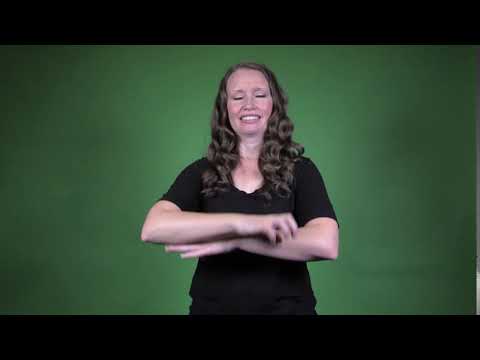
Sign for EASTER 2 in ASL
Practice Activities:
To get comfortable with the sign for EASTER 2 in ASL, start by practicing it in front of a mirror. Focus on the handshape, movement, and facial expression. Repeat it multiple times to lock in the muscle memory, then try signing it in slow and fast sequences.
Once you’re confident using the sign on its own, practice inserting it into simple sentences. For example, “I love Easter” or “Easter is in April.” Sign each sentence slowly, then gradually increase your speed and fluency. Record yourself and review for accuracy.
Create short storytelling prompts involving Easter. You might describe a family Easter egg hunt, preparing a meal for Easter dinner, or going to a church service. Begin with a short story outline and then practice signing it, making sure to include the sign for EASTER 2 in ASL at least once or twice.
Practice with a partner by quizzing each other on holiday vocabulary, including EASTER. Take turns signing holidays and guessing the word. You can also roleplay scenarios like planning an Easter event or buying gifts for Easter. This encourages natural use of the sign for EASTER 2 in ASL in conversation.
Try a drawing or flashcard activity. Create a set of holiday-themed flashcards and shuffle them. Each time you draw the “Easter” card, use the correct variation, including the sign for EASTER 2 in ASL. This reinforces recognition and gives variety to your practice.
Wrap up by teaching someone else the sign or creating a short video demonstrating it in various contexts. Teaching can reinforce your own knowledge and identifying errors in others helps refine your own use. Keep tracking when and how often you use this sign to make sure it becomes a natural part of your ASL vocabulary.
Cultural Context:
The sign for EASTER 2 in ASL holds cultural meaning that extends beyond a direct translation. While the sign for EASTER 2 in ASL may appear simple, it carries deep connections to the history, practices, and spiritual traditions of the Deaf community that celebrates this holiday.
In American culture, Easter is a time of renewal, hope, and celebration. The sign for EASTER 2 in ASL reflects the festive nature of the holiday while also allowing Deaf individuals to fully participate in seasonal events, religious services, and family gatherings where Easter themes are present.
Deaf churches across the U.S. often incorporate the sign for EASTER 2 in ASL into their Sunday services during the spring season. This sign becomes part of signed hymns, Bible stories, and dramatic presentations, enabling full spiritual access for people who use American Sign Language. It’s not only a way to communicate—it’s a bridge that connects Deaf culture with faith and tradition.
Beyond religious settings, the sign for EASTER 2 in ASL shows up in educational environments where children learn about holidays. Deaf educators use it while teaching about springtime, bunnies, eggs, and the story of Easter itself. The consistent use of the sign for EASTER 2 in ASL ensures that concepts related to the holiday are clearly understood within the community.
When participating in public Easter events, Deaf families and individuals often use the sign for EASTER 2 in ASL during activities such as egg hunts, community brunches, or craft events. It allows seamless communication so everyone can enjoy the spirit of the holiday together, without barriers.
Storytelling is another space where cultural relevance shines. The sign for EASTER 2 in ASL may appear in signed stories about rebirth, new beginnings, or traditional Easter tales. These stories are often passed down within families or presented in community gatherings, reinforcing cultural identity through language.
Symbols commonly associated with Easter, such as the cross, the resurrection, or even pastel-colored eggs, are integrated with signed presentations and the sign for EASTER 2 in ASL. These combined visuals help make abstract ideas accessible to visual learners and those who rely on ASL for communication.
In Deaf art and poetry, seasonal shifts and religious themes often inspire expression. The sign for EASTER 2 in ASL may become part of visual performances or poetic works that explore ideas of hope and renewal, especially during springtime.
The sign for EASTER 2 in ASL connects generations. Older members
Extended Definition:
The sign for Easter 2 in ASL represents a variation of the traditional Easter sign used in American Sign Language. This version may be used in different regions or communities and reflects the rich diversity found in ASL expression. The sign typically conveys the theme of the holiday while acknowledging that multiple versions can exist depending on context.
To perform the sign for Easter 2 in ASL, the signer may start with both hands in the E-handshape, common in the ASL fingerspelling alphabet. The hands often move in a slight arc, vertically or horizontally, near the chest area. Movement may vary depending on the signer, their region, or their specific cultural experience with the holiday.
Easter is celebrated by many as a religious and cultural holiday filled with traditions, such as egg hunts, church gatherings, and family feasts. The sign for Easter 2 in ASL helps deaf and hard of hearing individuals express these traditions through signed language. It also supports inclusive conversations about customs and celebrations.
Some signers use the sign for Easter 2 in ASL during storytelling or religious services held in ASL. Others might use it in everyday conversation to share plans or reflections about the holiday. This version of the sign keeps the language dynamic and culturally relevant.
Because ASL is a visual and spatial language, the sign for Easter 2 in ASL may also incorporate facial expressions to show joy, excitement, or reverence. Context is essential, and experienced signers often adapt the sign for specific audiences, whether speaking to children, peers, or elders. Signing within context keeps communication clear and engaging.
Learning the sign for Easter 2 in ASL can enrich the vocabulary of both beginning and advanced learners. It introduces them to the diversity of ASL signs and how one concept can be signed in several correct ways. This flexibility mirrors spoken languages and highlights the evolving nature of sign language.
Teachers and interpreters might introduce the sign for Easter 2 in ASL during lessons that focus on holidays or seasonal events. It provides an opportunity to discuss cultural symbols and build language fluency. Using signs tied to events like Easter helps learners connect language with real-world contexts.
Many online ASL dictionaries and sign language resources feature the sign for Easter 2 in ASL, allowing users to see the variation in motion. Visual references, such as videos or animated gifs, are especially helpful for mastering the handshape, placement, and movement. Repeated exposure helps with retention and correct usage.
Google searches for the sign
Synonyms: Easter, Resurrection Sunday, Pascha, Holy Sunday, Paschal Feast
Educational resources: Find related learning materials in our course bank!
Want more? Check out some of our popular learning activities on the homepage!
Need to look up a sign? Use our highly rated dictionary: https://aslinteractive.com/best-asl-dictionary/
Follow us on tiktok: https://www.tiktok.com/@aslinteractive. More social media links at the bottom of this page!
Long-tail Keywords: what is the sign for Easter in ASL, how do you sign Easter in ASL, ASL sign for Easter
Categories:
tags: Easter, Occasions, Holidays, Spring, Celebrations
Parameters
*Handshape*:
The handshape for the Sign for EASTER 2 in ASL uses two “E” handshapes, one with each hand. These handshapes look like a closed fist with the fingertips curved and touching the thumb. They reflect the shape of the printed letter E.
While performing the Sign for EASTER 2 in ASL, the “E” handshapes are often moved in small outward arcs near the chest. The handshape remains consistent throughout the movement, highlighting the emphasis on the letter representation of the word Easter.
*Palm Orientation*:
For the sign for EASTER 2 in ASL, the palm orientation is generally inward, facing the signer’s torso. Both hands form the letter “E” handshape, and the movement is a gentle twisting motion at the wrist, similar to the motion in other holiday signs.
Throughout the motion of the sign for EASTER 2 in ASL, palms remain facing inward, maintaining a stable directional focus. This helps clearly convey the word while keeping the motion fluid and recognizable.
*Location*:
The location for the sign for EASTER 2 in ASL is near the side of the head, slightly above and behind the ear. The dominant hand forms the letter “E” and moves in a small arc, typically repeated twice, in this area. This placement helps distinguish the sign for EASTER 2 in ASL from other similar signs and emphasizes its association with the head, which can reflect the celebratory or cultural nature of the holiday.
*Movement*:
For the sign for EASTER 2 in ASL, begin with both hands in the letter “E” handshape near each shoulder. Move the hands in small, outward and upward circular motions simultaneously, as if decorating or presenting something special. The motion is fluid and graceful, reflecting the celebratory and joyful nature of the holiday .
The sign for EASTER 2 in ASL often carries expressive facial features like a gentle smile, adding emotional tone. This version is more decorative than the static version and may be used in storytelling or expressive contexts.
*Non-Manual Signals*:
The facial expression for the sign for EASTER 2 in ASL usually includes a soft, pleasant smile to convey the joyful and celebratory nature of the holiday. The eyes may slightly widen, and the brows stay neutral or lift gently to emphasize the positive feeling often associated with Easter .
When performing the sign for EASTER 2 in ASL, your head may tilt slightly or move gently with the motion of the hands, enhancing the overall fluidity of the sign. These subtle non-manual signals support the sign’s uplifting and warm message.
*Prosody, Dominant/Non-Dominant Hand*:
The sign for EASTER 2 in ASL uses both hands. The dominant and non-dominant hands form the letter “E” handshape and are held near the shoulders. With a gentle bounce or small circular motion, the hands move slightly outward and back in toward the body. This version often reflects the joyful and celebratory nature of the holiday .
When using the sign for EASTER 2 in ASL, facial expression plays a key role in conveying enthusiasm or reverence, depending on context. The symmetrical motion with both hands helps emphasize festivity and is commonly used in church or community gatherings.
Tips for Beginners:
When learning the sign for EASTER 2 in ASL, it’s important to pay close attention to the exact handshape and motion. This version of the sign typically involves forming the letter “E” with both hands and gently shaking them from side to side near the shoulders. Ensure your “E” handshape is tight and your fingers do not loosen or spread apart, as that can change the meaning or clarity of the sign.
One common mistake is using too much motion or signing too high near the face, which can confuse the sign with others. Beginners also have a tendency to rotate the wrists instead of shaking the hands from the elbow — this makes the motion look awkward and unnatural. Practice in front of a mirror to check that your placement and movement match native signers.
To master the sign for EASTER 2 in ASL, watch multiple native signers use it in video conversations so you can see the natural variations and tempo. Don’t rely solely on one video; context matters. Some signers may slightly modify the motion depending on the flow of a sentence or personal style, but the core elements stay consistent.
Facial expressions are an important part of conveying the celebratory nature of this holiday sign. Show joy or warmth, since EASTER is often associated with renewal, gathering, and celebration. A neutral face can cause the message to feel flat or ambiguous.
Repetition with feedback is key. Sign in front of friends or join an online ASL practice group and ask for corrections. Being open to suggestions will help you improve faster. Learn to incorporate the sign for EASTER 2 in ASL into short phrases or stories about holiday traditions to boost retention and fluency.
Easter, sign for Easter 2 in ASL, how to sign Easter in American Sign Language, sign language for Easter, Easter in sign language, sign for Christian holiday in ASL, ASL sign for holiday Easter, Easter 2 sign meaning ASL
Connections to Other topics:
The sign for EASTER 2 in ASL often connects to themes of religion, celebration, and renewal, which are commonly represented in ASL through a variety of related vocabulary. This version of the sign typically involves forming the letter “E” with both hands and then rotating the wrists, which mirrors other signs that involve depiction of holidays or specialized religious gestures like CHRIST or CHURCH. It shares similarities with signs for other celebrations such as CHRISTMAS, THANKSGIVING, or BIRTHDAY, often categorized as culture- or event-based signs.
When teaching or learning the sign for EASTER 2 in ASL, it’s useful to consider its connection to the sign for SPRING. Both are often used in the same conversation since Easter frequently occurs during the spring season. SPRING involves a growing motion from the hand as if a plant is sprouting, symbolizing new life—an idea visually parallel to the renewal concept in Easter.
Additionally, the sign for EASTER 2 in ASL may appear in compound signs or broader discussions that include phrases like EASTER SUNDAY, EASTER EGG, or EASTER CELEBRATION. Each of these can combine facial expressions and classifier use to show context, such as hiding eggs or celebrating in church. Discussion about church services might also lead into signs like RESURRECTION or JESUS, which tie closely to the sentence context surrounding Easter.
This sign can also function in storytelling and narratives, a key ASL skill that links language use to cultural context. For example, when telling a story about the Easter Bunny using classifiers, the sign for EASTER 2 in ASL could act as a timeline marker, helping anchor the narrative. Understanding this sign’s use enhances a signer’s ability to express traditions and events and makes their signing more culturally rich ⛪.
Summary:
The sign for EASTER 2 in ASL is one of multiple regional or stylistic variants used in American Sign Language to represent the Christian holiday celebrating the resurrection of Jesus Christ. This particular version is commonly identified by its more expressive or alternative movement compared to the more standard sign, and it is important to distinguish among versions to ensure clear and culturally appropriate communication in conversation.
To produce the sign for EASTER 2 in ASL, both hands are typically formed into the letter E handshape. The hands are then placed near the sides of the chest and are rotated in and out in small movements. The motion may resemble the sign for E except it involves both hands in synchronous motion, often conveying a sense of joy or dancing, depending on the signer’s intent.
EASTER 2 is sometimes used in more expressive or performative sign contexts, such as church services, liturgical signing, or storytelling. The sign often reflects the celebratory nature of the Easter holiday, emphasizing its importance in Christian culture. Because the holiday is so rich in symbolism, the sign can be adapted to suit various interpretations, mixing religious or seasonal components.
The sign for EASTER 2 in ASL can also be linked to signs such as RESURRECTION, CHRIST, JESUS, and CHURCH. Often, these related signs are used within the same narrative framework to describe the events or meaning of Easter. This helps build a cohesive semantic field around the holiday and encourages learners to place signs in contextual groupings.
From a linguistic perspective, the classifiers and handshapes used in the sign for EASTER 2 in ASL demonstrate the flexibility of spatial grammar in ASL. The repeated twisting or flicking motion reinforces a common ASL technique where repetition and movement quality suggest emphasis or emotion. This motion can be softened or intensified, depending on the mood or degree of celebration the signer wants to impart.
Grammatically, the sign functions as a noun and can be used similarly to English by placing it within an SVO (subject-verb-object) ASL structure. For example, one might sign CHURCH CELEBRATE EASTER 2 to indicate an Easter service. The variant contributes emotionally to the utterance, making it a meaningful component in storytelling or holiday greetings.
Some native users and ASL interpreters prefer this variation because of its aesthetically expressive quality. When signing before congregations or in performance settings, this sign offers a certain visual elegance and rhythmic flow. It provides visual richness that aligns well with the symbolic and spiritual joy that Easter signifies.
The sign for EASTER 2 in ASL can also integrate mouth morphemes or nonmanual markers such as smiling or subtle nodding. This adds emotional nuance and supports the idea that ASL is as much about facial expression as it is about hand movement. Using these markers effectively magnifies the celebratory or sacred context of the holiday.
The use of different versions for the same word, like EASTER versus EASTER 2, highlights the regional diversity and sociolinguistic variation within the Deaf community. Some areas or communities might favor one version over another, often influenced by religious groups, signing style, or Deaf education traditions. These variations show how ASL, as a living language, evolves and adapts to its social and cultural contexts.
In religious settings, such as Christian Deaf ministries or interpreted Easter services, the sign for EASTER 2 in ASL is often paired with signs conveying salvation, grace, and crucifixion. These combinations allow for theological themes to be richly expressed through sign language. Using this variation, rather than fingerspelling or a more neutral sign, invites a deeper emotional layer.
In terms of applied linguistics, learning alternative versions such as EASTER 2 can be an excellent way for language learners to increase fluency. Watching native Deaf signers use these culturally grounded variations enhances the learner’s experience beyond just vocabulary. The exposure to multiple sign variants increases proficiency in comprehension and expressive ability.
In Deaf culture, holidays like Easter are not just religious events—they are also opportunities for community gatherings and cultural expression. The sign for EASTER 2 in ASL frequently appears in cultural performances, holiday skits at Deaf schools, or signed storytelling. Its use in these contexts adds to its status as an emblematic expression of the holiday in a Deaf cultural setting.
When analyzing the sign from a phonological point of view, EASTER 2 incorporates movement, orientation, and handshape parameters that interact simultaneously. The E handshape links directly to the English letter, offering a strong visual anchor. At the same time, the movement can convey a symbolism of life, renewal, or emergence, resonating with Easter’s religious and seasonal meanings.
The sign for EASTER 2 in ASL is also closely linked to signs used during spring, such as BLOOM, SPRING, or NEW-LIFE. These associations allow signers to fluidly create narratives that link the religious and natural elements of the season.
Want more? Check out some of our popular learning activities!
ASL Interactive Resources
ASLInteractive YouTube Channel
Follow us on tiktok: @aslinteractive.com
Follow us on Instagram: aslinteractive
Facebook page: aslinteractive
Facebook group: aslinteractive
LInkedIn: ASL Interactive LLC
Twitter: @ASL_interactive
*Some information on this page is AI-generated. AI can make mistakes. Please check the information.
Responses