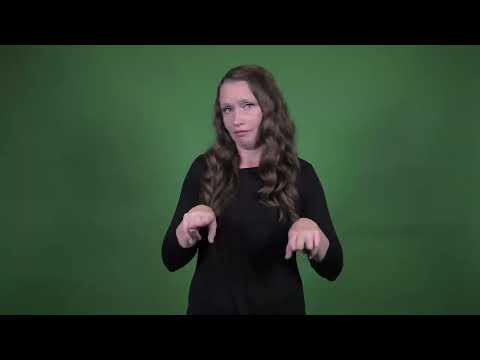
Sign for EASTER EGG HUNT in ASL | ASL Dictionary

Definition: A game of finding hidden eggs.

Sign for EASTER EGG HUNT in ASL

YouTube player

Practice Activities:

Start by practicing each individual sign that makes up the full sign for EASTER EGG HUNT in ASL. Begin with the sign for EASTER, then practice the sign for EGG, followed by HUNT. Use a mirror or a video recording to check your handshape, movement, and facial expressions for accuracy. Repeat each sign multiple times until you feel confident with the form.

Once you feel comfortable with the components, begin combining them into the full phrase. Sign the full expression smoothly and with appropriate pacing. Try creating simple sentences like “I will EASTER EGG HUNT,” or “The kids love EASTER EGG HUNT.” This helps reinforce the phrase in a more natural context. Sign the sentences out loud to yourself using simultaneous voice or silently while thinking through what you’re signing to build fluency.

Set up storytelling activities using the sign for EASTER EGG HUNT in ASL. Create a short narrative about a day in the park where children are searching for eggs. Include when and where it happens, who was there, and what they found. Rehearse the story until you can sign it clearly and with natural transitions.

Practice with a partner by taking turns describing fun EASTER EGG HUNT experiences. Try asking and answering questions like, “Where did you hide the eggs?” and “How many eggs did you find?” For added challenge, hide small items around the room and role-play a real-time EASTER EGG HUNT using the sign repeatedly during the game.

Use flashcards with individual signs and have a friend mix them up. Identify each sign and then create new sentences using the full sign for EASTER EGG HUNT in ASL. This will stretch your receptive skills as well as your expressive fluency. Finish each session by watching videos of native signers using the sign authentically, then try to copy their flow and facial grammar.

Cultural Context:

The sign for easter egg hunt in ASL reflects a fun, family-oriented tradition that holds deep cultural significance in many communities. In American culture, easter egg hunts are a highlight of the spring season, especially for children. Incorporating the sign for easter egg hunt in ASL into conversations recognizes cultural inclusion and accessible communication for Deaf and hard-of-hearing individuals.

Easter egg hunts are more than just games. They are cherished events that bring families together to celebrate renewal and new beginnings. When using the sign for easter egg hunt in ASL, Deaf children can fully engage in the fun, enhancing their experience on equal footing with their hearing peers.

The tradition ties back to Christian beliefs about rebirth and resurrection, with the egg symbolizing new life. Still, many families celebrate easter egg hunts regardless of religious affiliation. Including the correct sign for easter egg hunt in ASL allows these events to be inclusive and affirming for everyone who participates.

The playful nature of an easter egg hunt is well-suited to visual expression. ASL brings this to life through a combination of signs for egg, search, and celebration. Using the sign for easter egg hunt in ASL not only communicates the activity but also captures its joyful spirit .

Children, parents, and educators in Deaf communities often prepare for this springtime event by learning the relevant vocabulary in ASL. Teaching the sign for easter egg hunt in ASL in classrooms or in community centers helps promote early language development and cultural connection. It also shows respect for the full participation of Deaf children in holiday traditions.

Digital resources and educational platforms that offer the sign for easter egg hunt in ASL help bridge gaps in accessibility. Teachers and parents can use these signs when planning inclusive activities, ensuring no child feels left out during seasonal celebrations. It reinforces that visual language is a vital and expressive part of every cultural moment.

In visual storytelling, the sign for easter egg hunt in ASL is often accompanied by facial expressions and spatial referencing to convey excitement and movement. These visual features help make the experience interactive and easy to understand even for young signers. Using facial cues with the sign makes the activity more immersive and fun .

Making sure the sign for easter egg hunt in ASL is shared widely supports the greater mission of language equity and cultural awareness. Whether used in families, schools, churches, or community events, the sign enriches the way people communicate and celebrate together

Extended Definition:

The sign for easter egg hunt in ASL combines the signs for “Easter,” “egg,” and the concept of “hunt” or “search.” Each component of the phrase is signed individually, then smoothly connected to convey the full meaning. This phrase is often used in the springtime, especially around the Easter holiday, when children and families gather for festive activities.

In American Sign Language, the sign for “Easter” typically uses the letter E in a gentle, circular motion near the side of the head. The sign for “egg” is made by mimicking the action of breaking an egg, with both hands moving apart in a downward motion. To represent a hunt or search, the sign involves mimicking someone looking around or searching for something, using both hands and directional movement.

When putting the full sign for easter egg hunt in ASL together, it’s important to keep the flow and structure of ASL grammar in mind. For example, the order may be egg, hunt, Easter — depending on the context and emphasis. Facial expressions play a key role, as they convey excitement, curiosity, or playful energy during signing.

This phrase is commonly taught to beginning ASL learners during the spring season. It’s popular in educational settings, especially for deaf and hard-of-hearing children learning about holidays and traditions. Signing events like easter egg hunts allows children to participate fully in seasonal activities using their native language.

In Deaf culture, community events like easter egg hunts are opportunities to bring people together. Many deaf organizations and schools host accessible events where ASL is used throughout, making it natural to incorporate the sign for easter egg hunt in ASL into games, announcements, and instructions. This builds language comprehension in a fun, visual, and interactive way.

You may also see variations of the sign depending on region or personal style. Some signers may simplify or adjust the movement for “hunt” to better suit the age and ability of children. Always consider the context in which the phrase is being used, as it affects the clarity and understanding of the communication.

It’s a good idea to practice each part of the phrase separately before combining them. By mastering the signs for Easter, egg, and hunt, you’ll naturally become more comfortable with using the entire phrase. This is especially helpful for educators, parents, and interpreters who use ASL for storytelling or classroom activities.

Video demonstrations are often used to show the full sign for easter egg hunt in ASL, which

Synonyms: Easter scavenger hunt, egg search, holiday treasure hunt, springtime egg hunt, festive egg gathering

Educational resources: Find related learning materials in our course bank!

Want more? Check out some of our popular learning activities on the homepage!

Need to look up a sign? Use our highly rated dictionary: https://aslinteractive.com/best-asl-dictionary/

Follow us on tiktok: https://www.tiktok.com/@aslinteractive. More social media links at the bottom of this page!

Long-tail Keywords: what is the sign for Easter egg hunt in ASL, how do you sign Easter egg hunt in ASL, ASL sign for Easter egg hunt

Categories:

tags: Easter, Occasions, Activities, Holidays, Objects

Parameters

*Handshape*:

The handshapes used in the sign for EASTER EGG HUNT in ASL typically involve the “E” handshape for the sign EASTER, mimicking the manual alphabet. For EGG, the sign uses two “H” handshapes that start touching at the fingertips and move downward and apart, suggesting the cracking of an egg .

To sign HUNT, a modified “C” or open hand may be used to mimic a searching motion in space, often moving side to side in front of the body. The combination of these handshapes clearly conveys the concept behind the sign for EASTER EGG HUNT in ASL , blending holiday symbolism with action.

*Palm Orientation*:

For the sign for EASTER EGG HUNT in ASL, the palm orientation varies slightly between components. When signing EASTER, both hands typically form an “E” shape with palms facing outward or slightly inward, depending on the regional variation. For EGG, the palms face each other as the fingertips of the dominant hand move downward and away from the non-dominant hand.

During the HUNT portion, the dominant hand forms a bent “V” shape (to represent searching eyes), with the palm facing down or slightly forward as it moves in a searching motion. These dynamic orientations help convey the full meaning of the sign for EASTER EGG HUNT in ASL .

*Location*:

The sign for EASTER EGG HUNT in ASL is produced primarily in front of the torso, near the upper chest to mid-abdominal area. Both hands work within this neutral space, allowing for clear visibility of the individual signs and blended motion.

When signing EASTER, the location is usually around the upper chest, while EGG moves downward slightly as hands separate. HUNT is performed with movement extending forward from the body, symbolizing searching. The sign for EASTER EGG HUNT in ASL stays within comfortable range close to the body without extending past shoulder width.

*Movement*:

The sign for EASTER EGG HUNT in ASL typically combines the signs for “Easter,” “egg,” and “hunt.” To sign “Easter,” form the letter “E” with your dominant hand and move it in small circles near the side of your head. For “egg,” use both index and middle fingers of each hand and simulate cracking an egg by separating the fingers downward.

To complete the sign for EASTER EGG HUNT in ASL, follow the “egg” sign with the “hunt” sign. Extend both hands in clawed 5-handshape and move them outward while scanning back and forth in a searching motion . This mimics the act of searching for hidden eggs and brings the concept to life through expressive motion.

*Non-Manual Signals*:

The non-manual signals for the sign for EASTER EGG HUNT in ASL often include raised eyebrows and a light, curious expression to show excitement and the playful nature of the activity. A slight head tilt or short, quick head movements can emphasize the searching action.

Using wide eyes and a slight smile helps convey the joy associated with the sign for EASTER EGG HUNT in ASL . The overall facial expression should support the fun, seasonal context of the sign, enhancing its meaning for the viewer.

*Prosody, Dominant/Non-Dominant Hand*:

The sign for EASTER EGG HUNT in ASL typically uses both hands, with the dominant hand performing more detailed actions. To sign EASTER, use a dominant “E” handshape in a small circular motion near the shoulder, symbolizing a graceful or spiritual context. For EGG, both hands use “H” handshapes and move downward and apart as if cracking an egg. HUNT involves the dominant hand leading a searching motion over an open space, often with the non-dominant hand acting as a base. The sign for EASTER EGG HUNT in ASL conveys the festivity and playful nature of the activity with expressive hand movements .

Tips for Beginners:

When learning the sign for EASTER EGG HUNT in ASL, it helps to break the phrase into three separate signs: EASTER, EGG, and HUNT. Each sign has its own distinct movement and handshape, and putting them together smoothly will take practice. Start slow and focus on accuracy before speed—clarity always beats speed in sign language.

The sign EASTER is often fingerspelled, especially in more formal or religious contexts. Keep your fingers relaxed but precise so the letters don’t blur together, especially the A-S-T-E-R part, which many beginners tend to rush through. Practice fingerspelling in front of a mirror to monitor your hand position and improve legibility.

For the sign EGG, imagine cracking an egg: use both hands in an “H” handshape stacked on top of each other, then move them apart diagonally down in a clean snapping motion. This visual metaphor helps connect the concept to the sign easily. Be careful not to make the movement too wide or slow—it should be quick and controlled.

HUNT in ASL usually uses a searching motion with both hands in flat “B” or loose claw-like shapes moving in a zigzag pattern in front of your body. This conveys the act of looking around or seeking something actively. Make sure your movements are clear and purposeful to mimic the feeling of searching or hunting.

To master the sign for EASTER EGG HUNT in ASL, practice transitioning smoothly between each sign. Work on facial expressions too—raising your eyebrows during “hunt” adds clarity and conveys the excitement of the activity. Don’t forget to use space effectively when combining the three signs; keeping balanced hand placements and consistent movements will make your signing more fluid and natural.

Sign for EASTER EGG HUNT in ASL can be used in both casual and educational contexts, so rehearse it in everyday conversations. Watching native signers on YouTube or in Deaf community videos will also help. Frequent repetition and signing in context will build confidence and fluency over time.

Connections to Other topics:

The sign for EASTER EGG HUNT in ASL connects closely to multiple foundational and seasonal vocabulary concepts, such as holidays, games, and Christian traditions. It typically combines the sign for EASTER, which may be fingerspelled or shown using the E handshape rotating near the cheek to represent the concept of Easter, the sign for EGG, and the sign for HUNT or SEARCH. Each of these individual components relates to larger categories of signs and can be used in various contexts independently.

The component sign EGG also connects to common food-related signs like BREAKFAST or COOK, reinforcing its frequent use in everyday conversations. It can also be part of cultural expressions around traditions, cuisine, or holidays, such as when discussing meals or decorations. The word HUNT in this sign generally mirrors the sign for SEARCH or LOOK-FOR, which ties it to directional verbs and concepts involving seeking or finding objects or people.

The sign for EASTER itself links to other holiday signs like CHRISTMAS, THANKSGIVING, and HALLOWEEN, which are often taught together as part of seasonal vocabulary units. Learning the sign for EASTER EGG HUNT in ASL provides a natural entry point into storytelling and discussions about holiday customs, especially those observed within family or community settings. It’s also a good opportunity to practice classifiers if describing looking behind objects or under furniture for eggs.

This sign can be incorporated into compound storytelling expressions that involve “HIDE-AND-SEEK,” “CHILDREN PLAY,” or “FAMILY CELEBRATE.” Understanding how to express these larger ideas builds fluency and encourages learners to combine smaller signs into coherent events or descriptions. When practicing the sign for EASTER EGG HUNT in ASL, it helps to explore how directionality, facial expressions, and role shift are used to show children searching for hidden eggs, thereby enriching both comprehension and expressive skills.

Summary:

The sign for EASTER EGG HUNT in ASL is typically composed of multiple signs strung together to express the full concept. Each individual element—EASTER, EGG, and HUNT—has its own sign, and when combined, they form a cohesive phrase capturing both the action and cultural context of the event. Being a compound concept, it’s essential to pay attention to the facial expressions and rhythm between each sign to accurately convey meaning.

EASTER is often signed in more than one way depending on context or regional variation. One common sign uses the letter “E” handshape in both hands, which are then brushed up on each side of the head, like putting on an Easter bonnet. Another version uses the sign for RESURRECTION or CELEBRATION, especially in more religious or formal contexts, showing how flexible and rich ASL is in adapting to cultural nuances.

The sign for EGG typically involves two “H” handshapes touching at the fingertips, followed by a downward and splitting motion, symbolizing the cracking of an egg. This sign is widely recognized and is often used in compound signs related to food, spring celebrations, or metaphorical hatching. These elements make EGG a visually iconic sign that’s easy to understand, even for beginners.

HUNT is signed using a directional movement that involves both hands in “L” handshapes tracing an outward and downward searching motion. It conveys the sense of seeking, looking around methodically. The movement often includes active head tilting or glancing side to side, which enhances clarity and emotional tone.

When combining all three into the sign for EASTER EGG HUNT in ASL, the signer usually begins with the sign for EASTER, followed by EGG, and finally transitions into the motion for HUNT. The transition between signs should be fluid, with pauses that reflect natural linguistic phrasing similar to tone or commas in spoken English. Clear facial grammar, wide eyes, and an inquisitive expression help reinforce the meaning.

This phrase is especially popular around springtime and in contexts with children, religious services, and family activities. It captures not only a literal activity of searching for eggs but also a larger cultural and seasonal ritual associated with Easter. Families use the sign as part of storytelling, event planning, and signing songs or games.

The cultural significance of the sign for EASTER EGG HUNT in ASL cannot be overstated. Easter egg hunts are common across diverse communities in the U.S., including Deaf families. The ability to express this phrase in ASL fosters inclusion during group events, allowing Deaf and hard-of-hearing children to participate fully in traditional games and seasonal engagements .

From a linguistic perspective, the sign combines both noun and verb signs, functioning as a full phrasal unit. ASL grammar allows for flexible ordering depending on context, but the most common sequence follows EASTER-EGG-HUNT. This ordering matches the natural flow of the activity and is closest to English, making it more intuitive for those learning ASL.

ASL often utilizes classifiers and spatial referencing to describe activities. For the concept of HUNT, classifiers could be added to show the seeker and objects being searched, e.g., hidden eggs behind furniture or outdoors. These classifiers allow for a more vivid and dynamic retelling or anticipation of the event.

The phrase can be adapted to fit singular, plural, or past-tense contexts with slight shifts in facial expressions and directional movement. For example, adding a more deliberate searching motion or temporal contexts to indicate “We hunted for eggs yesterday” versus “We will hunt today.” Temporal markers in ASL are usually expressed at the beginning of a sentence, helping to situate when the action takes place.

When signing for children, facial expressions become even more critical. An exaggerated smile or playful eye movement adds excitement and enthusiasm to the communication. Similarly, signs may adopt slightly more embellished movements to capture the attention and imagination of young viewers. This is both an educational and emotional enhancement to the experience.

The tactile and iconic elements of the sign for EASTER EGG HUNT in ASL enhance accessibility and retention. For DeafBlind signers, the tactile versions of these signs can be adapted carefully while maintaining the core shape and intent. This adaptability illustrates the inclusiveness and versatility of ASL across the entire signing spectrum.

In educational settings, students learning about holidays across cultures often explore signs like this to deepen their linguistic and cultural fluency. For ASL learners, practicing this phrase offers exposure to compound signs, sequencing logic, and cultural detail. It bridges language and real-world context in a meaningful and seasonally relevant way.

Explorations of the sign for EASTER EGG HUNT in ASL also offer insight into how shared cultural events are translated and maintained in Deaf culture. This cultural continuity includes storytelling, visual performance, and ASL poetry themed around holidays. It connects generations through both family traditions and learning environments .

Translation decisions in sign language

Want more? Check out some of our popular learning activities!

ASL Interactive Resources

ASLInteractive YouTube Channel

Follow us on tiktok: @aslinteractive.com

Follow us on Instagram: aslinteractive

Facebook page: aslinteractive

Facebook group: aslinteractive

LInkedIn: ASL Interactive LLC

Twitter: @ASL_interactive

*Some information on this page is AI-generated. AI can make mistakes. Please check the information.


Responses