Sign for IE FINISH TOUCH in ASL | ✅ ASL Dictionary

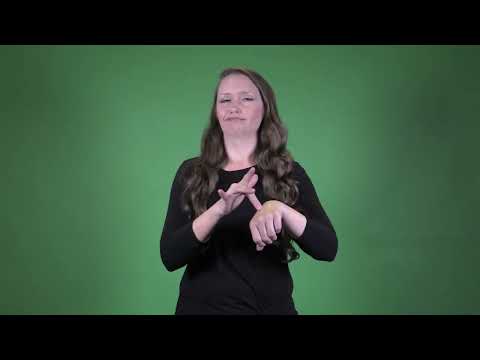
Definition: Idiomatic expression meaning to have been there, physically visited a place.

Sign for IE FINISH TOUCH in ASL

YouTube player

Practice Activities:

To practice the sign for IE FINISH TOUCH in ASL, start by isolating each component. Practice the sign for “FINISH” alone, using a quick flicking outward motion with both hands, palms facing in then flicking out, as if something is complete. Then, practice “TOUCH” with your dominant middle finger lightly tapping the back of your non-dominant hand. Repeat both signs individually until comfortable with their movement and clarity.

Once you’re confident using each component, combine them smoothly into the full sign for IE FINISH TOUCH in ASL. Focus on facial expressions that emphasize completion or subtlety, depending on your intended meaning. Practice signing phrases like “I already tried it—IE FINISH TOUCH” or “No need to change it; IE FINISH TOUCH.” Use pacing and pauses appropriately to show separation between thoughts.

Create a list of scenarios where “just touched” or “already finished with a light handling” makes sense. Try storytelling prompts such as describing a time you experimented with a new recipe but didn’t like it—“I IE FINISH TOUCH taste, no like.” Switch perspectives by explaining someone else’s actions using the same concept.

Work with a partner for back-and-forth dialogue. One person describes a situation using the sign for IE FINISH TOUCH in ASL and the other responds. Examples could include: “Did you like the new paint color?” with the answer “Nope, IE FINISH TOUCH, too bright.” This helps reinforce both receptive and expressive skills.

For video journaling, record yourself using the sign in multiple casual contexts. Talk about testing perfume, skimming a book, or sampling a dish. Vary facial grammar and pacing to match the meaning. Watch yourself for smooth transitions and adjust hand positioning as needed.

These activities will build confidence in using the sign for IE FINISH TOUCH in ASL accurately and naturally during real conversations.

Cultural Context:

In American Sign Language (ASL), signs often carry cultural meaning that goes beyond a direct translation. The sign for IE FINISH TOUCH in ASL reflects this unique aspect of the language, where context, emotion, and intent shape communication. ASL users rely on visual cues and nuanced gestures to convey ideas that may not have an exact English equivalent.

The sign for IE FINISH TOUCH in ASL is not just about the physical act of touching but also ties into the concept of completion, emphasis, or final review. In Deaf culture, using this sign in conversation can indicate that something has been finalized or polished. It often adds a layer of emotion or intensity, showing someone has perfected or finalized a task or thought.

This sign is commonly used in both casual and formal settings. Whether discussing a beautifully finished painting, a perfectly made dish, or the last detail in a project, the sign for IE FINISH TOUCH in ASL conveys a sense of accomplishment and attention to detail. It’s about celebrating the final, perfecting move that completes the moment .

Deaf culture values clarity and visual storytelling, so the expressive nature of the sign for IE FINISH TOUCH in ASL fits well within these norms. It adds richness to conversations and helps create deeper understanding between signers. It’s more than language—it’s part of shared experiences and values.

ASL’s grammar and structure allow ideas to flow visually and spatially, so the sign for IE FINISH TOUCH in ASL can take different forms depending on the signer’s intent. This makes it adaptable and expressive across different scenarios. Whether in academic discussions or playful banter, this sign stands out.

The concept of “finish” in ASL carries specific grammatical weight, often used to indicate past tense or completed action. When paired with “touch”, the sign for IE FINISH TOUCH in ASL becomes a compound idea expressing that not only was something touched, it was fully completed or executed. This layering shows how ASL thrives on combining concepts to build meaning.

Deaf communities across North America widely understand and use this sign. It reflects how ASL evolves with cultural participation and daily use. The sign for IE FINISH TOUCH in ASL brings a tactile and visual metaphor into actual dialogue, reinforcing the community’s preference for full-bodied and expressive communication .

In educational and creative spaces, ASL users turn to this sign when discussing projects, artistic expression, or tasks requiring precision. It’s a beloved element of ASL vocabulary that reveals the

Extended Definition:

The sign for IE FINISH TOUCH in ASL refers to the specific way someone would express the concept of something being finalized or perfectly completed. This phrase is often used when referring to efforts that have come to a polished conclusion. It captures the idea of putting the final piece or detail on a task to bring it to a satisfying end.

In American Sign Language, to sign IE FINISH TOUCH, a signer typically combines two conceptual signs. First is the sign for FINISH, which involves open hands moving away from the body, palms facing the self, often with a flicking motion. This gesture represents completion or the idea that something is done.

The second part of the phrase, TOUCH, can be shown by extending the middle finger of a dominant hand and tapping it lightly on the back of the non-dominant hand. This movement symbolizes the idea of making contact or adding detail, which is essential to fully convey the meaning behind the sign for IE FINISH TOUCH in ASL.

Together, these signs come together to depict a nuanced meaning. It’s not just about being done but doing so with precision and intention. The phrase often emphasizes that the subject is not only complete but also finely tuned or perfected.

The sign for IE FINISH TOUCH in ASL is used in both casual and professional settings. In creative fields like art, design, or even cooking, this expression might highlight the final detail that makes a project exceptional. In academic or business contexts, it can refer to a final revision or the last necessary component of a plan.

When signing IE FINISH TOUCH in ASL, facial expression is key to communicating the depth of the message. A slight nod or calm, satisfied facial look can help convey the emotion and confidence behind the idea of completion. ASL is a visual language, so these details are crucial for clarity and meaning.

The phrase is not a standard compound in ASL vocabulary, but it’s understood through the combination of established signs. That’s why it’s important to understand how each sign works individually and in relation to the other. The sign for IE FINISH TOUCH in ASL is more interpretive rather than a direct translation of a fixed English term.

This expression is also great for storytelling or summarizing completed actions during a conversation. If someone wants to describe the final step they took before rest or celebration, this phrase can be perfectly applied. It reflects satisfaction and closure.

ASL interpreters and learners often come across phrases like IE FINISH TOUCH

Synonyms: final touch, finishing touch, last detail, completion detail, finishing stroke

Educational resources: Find related learning materials in our course bank!

Want more? Check out some of our popular learning activities on the homepage!

Need to look up a sign? Use our highly rated dictionary: https://aslinteractive.com/best-asl-dictionary/

Follow us on tiktok: https://www.tiktok.com/@aslinteractive. More social media links at the bottom of this page!

Long-tail Keywords: what is the sign for Finish Touch in ASL, how do you sign Finish Touch in ASL, ASL sign for Finish Touch

Categories:

tags: finish touch ASL, how to sign finish touch in ASL, finish touch American Sign Language, ASL dictionary finish touch, learn finish touch in ASL

Parameters

*Handshape*:

The handshape used in the Sign for IE FINISH TOUCH in ASL typically involves the dominant hand in an open flat hand, or “B” handshape, with fingers extended and together. The fingertips of the dominant hand lightly touch or brush the back of the non-dominant hand, which is also in a relaxed open position.

For the Sign for IE FINISH TOUCH in ASL, the contact is brief and expressive, emphasizing completion or a final contact. The relaxed but specific handshape reinforces the nuance of finality and tactile interaction in this sign.

*Palm Orientation*:

For the sign for IE FINISH TOUCH in ASL, the palm orientation plays a key role in conveying the meaning. When signing “FINISH,” both open hands face outward with palms toward the viewer and a flicking motion is used. For “TOUCH,” the middle finger tip of the dominant hand touches the back of the non-dominant hand, palm down, showing a specific contact.

This directional palm movement helps clearly differentiate the components of the sign for IE FINISH TOUCH in ASL. Make sure the palm directions are deliberate, especially for accuracy and clarity in everyday communication. ️

*Location*:

The location for the sign for IE FINISH TOUCH in ASL occurs primarily in the neutral space in front of the torso. One hand movement may be directed outward from the body, near chest level, depending on the specific way the sign is combined or interpreted.

This space allows for clear articulation, particularly when transitioning smoothly between the components of the sign for IE FINISH TOUCH in ASL. Facial expressions may also play a role and are typically directed toward the viewer.

*Movement*:

The sign for IE FINISH TOUCH in ASL uses both hands in specific movements. To sign “FINISH,” both open B-hands begin palm-in near the body and flick forward simultaneously with a quick outward motion while changing orientation to palm-out, expressing a completed action. For “TOUCH,” the middle finger of the dominant hand (in a bent “middle finger” shape) taps the back of the non-dominant hand held flat, palm-down.

The sign for IE FINISH TOUCH in ASL puts these two movements together sequentially. Perform the “TOUCH” motion first, followed immediately by the “FINISH” flicking action to convey the idea of briefly making contact and being done. ✨ Timing and transition are key to showing the meaning clearly.

*Non-Manual Signals*:

The non-manual signals for the sign for IE FINISH TOUCH in ASL commonly involve a slight head nod and raised eyebrows, indicating completion or finality. A sharp expression with widened eyes can enhance the sense of something being perfectly completed or the last detail being added.

Using the correct facial expression is essential when using the sign for IE FINISH TOUCH in ASL, as it emphasizes precision and finality. Showing slight satisfaction or intensity through the expression helps clearly convey the concept.

*Prosody, Dominant/Non-Dominant Hand*:

The dominant hand performs the sign, using an open “B” handshape to brush lightly or flick the fingertips off the lips or fingertips of the non-dominant hand, depending on the contextual meaning of the sign for IE FINISH TOUCH in ASL. This motion conveys completion or transition, as commonly used in ASL phrasing.

The non-dominant hand may remain passive or act as a reference point depending on how the sign for IE FINISH TOUCH in ASL is framed in the sentence. Facial expressions often accompany the sign to show finality or emphasis. ✅

Tips for Beginners:

When learning the sign for IE FINISH TOUCH in ASL, it’s important to focus on the precision of each element within the combined concept. This phrase is a blend of signs that communicate both a completion and a final detail or refinement. Start by mastering the sign for FINISH, which includes a quick, outward flick of the open hands, palms facing you, generally with a slight facial expression of finality or completion. Then, pair it with TOUCH, which typically involves the middle finger of the dominant hand touching the back of the non-dominant hand.

One common beginner mistake when learning the sign for IE FINISH TOUCH in ASL is rushing through the movement, making the signs look sloppy or rushed. Each sign should be clearly produced so the meaning doesn’t get lost. Keep each handshape distinct and the motion fluid but controlled. Make sure to pause slightly between FINISH and TOUCH to emphasize each part of the meaning.

Another helpful tip is to understand the context in which this phrase is used. The sign for IE FINISH TOUCH in ASL is often used when describing the final detail on a project or the last polish on something you’re creating. Emphasizing the transition between “it’s done” and “this last piece” communicates your intention more effectively to Deaf viewers.

Practice this phrase in front of a mirror to observe your clarity and facial grammar, which helps convey that something has been finalized with a final touch. Try recording yourself signing to check timing and space. Lastly, watch fluent signers using the sign for IE FINISH TOUCH in ASL in real-life contexts or videos, as natural exposure can help reinforce fluidity and accurate use in conversation.

Connections to Other topics:

The sign for IE FINISH TOUCH in ASL combines the concept of “finish” with a subtle or concluding contact, often used when expressing tasks or experiences that are completed with a flourish or final detail. This combination of signs can relate to phrases like “tie up loose ends,” “wrap up,” or “apply final details,” linking it closely with expressions of finality and nuance in action.

This sign is deeply connected to the broader concept of aspect in ASL, especially the completive aspect. ASL uses movement, facial expressions, and emphasis to show not just what action happened, but how it was done. Incorporating the sign for “finish” helps to signal that an action is not only done but is completely over, and adding the idea of “touch” introduces the finesse or precision of the final step. ✨

Many compound signs use “finish” to indicate completed actions, such as FINISH EAT or FINISH WORK. These are commonly used in everyday ASL to talk about the past or to mark the conclusion of an activity. The sign for IE FINISH TOUCH in ASL further refines that meaning by referencing actions that are not just done, but done with a deliberate final gesture—like finishing a painting or completing the icing on a cake.

Context is key when using the sign for IE FINISH TOUCH in ASL. It can appear in storytelling to emphasize the final emotional or physical contact in a scene, or in everyday conversation when explaining how something was wrapped up with care. This sign helps convey not just completion, but the deliberate or thoughtful nature of that final act, revealing how ASL can express subtle shades of meaning through slight modifications.

Understanding the sign for IE FINISH TOUCH in ASL supports learners in grasping how compound signs operate and how ASL often layers meaning for clarity and emotional tone. It naturally bridges to topics like verb modification and event sequencing in ASL grammar. This makes it a helpful sign to study when expanding vocabulary related to task completion, artistry, and timing. ⏱️

Summary:

The sign for IE FINISH TOUCH in ASL blends multiple linguistic layers into a cohesive expression. This phrase is often used in conversations where emphasis is placed on a completed action with delicacy, finality, or care. Each part of the phrase carries its own contribution to the overall sign’s precise meaning and connotation.

In ASL, the word “FINISH” is a commonly used directional sign that indicates the completion of a task or action. It involves both hands with open 5-hands facing downward or slightly outward, flicking forward from the wrist, often accompanied by a quick movement and facial expression that shows finality.

“TOUCH” in ASL often includes the dominant hand (in a bent middle finger handshape) gently tapping the back of the non-dominant hand, simulating a light touch or contact. This sign can imply physical contact or metaphorical meaning, such as a thoughtful or meaningful interaction depending on context.

“IE” as part of “IE FINISH TOUCH” is understood to suggest a specific or case-given interpretation—often reflecting the conclusion or final form of something, such as a project, performance, or creation. It can also carry a connotation of “this is what I mean,” making the sign more nuanced.

When combined, the sign for IE FINISH TOUCH in ASL is not merely a linear stacking of individual signs. Instead, it creates a fluid phrase that speaks to finality with refinement. The flow, pacing, and non-manual markers (like facial expressions or body posture) help carry the tone of the expression.

Grammatically, the sign falls into the category of topic-comment structures, which is common in ASL syntax. A signer might first establish the subject—what they’re talking about—and then use the sign for IE FINISH TOUCH as a concluding comment. This gives the phrase a summarizing effect in the interaction or narrative.

Facial expressions play a major role in adding meaning to the sign. A quick eyebrow raise or sharp head nod while signing “FINISH” distinguishes the completed state, while a softened, deliberate motion for “TOUCH” can radiate grace or precision.

Culturally, ASL tends to value economy in expression. So, the sign for IE FINISH TOUCH in ASL serves as an efficient tool to convey that something isn’t just done—it’s been completed with finesse or subtlety. It reflects appreciation for thoroughness and thoughtful action.

From a linguistic perspective, the phrase shows how ASL leverages multi-sign combinations to express layered meanings without relying on spoken words. Morphological blending is at work, as separate signs take on semantic overlap through spatial-temporal gestures.

Applied linguistics helps show how phrases like this are adopted into educational, artistic, and professional settings. In Deaf classrooms or social settings, this sign might be used when critiquing or praising someone’s work, such as during a presentation, project, or performance.

In visual storytelling, the sign for IE FINISH TOUCH in ASL can complement narrative closure. A storyteller might use the sign to wrap up a personal anecdote, indicating that not only has the story ended, but it had a meaningful or special conclusion.

Related signs include “COMPLETE,” “DONE,” “PERFECT,” and “FINAL,” all of which can overlap but are used in different contexts depending on the tone or specificity the signer wants to achieve. The temptation to interchange signs is strong but doesn’t always preserve meaning.

For example, using “PERFECT” instead focuses more on quality than process. Using “COMPLETE” gives a sense of reaching a goal, but “IE FINISH TOUCH” in ASL emphasizes the artistry or care behind the accomplishment.

Linguistically, this phrase benefits from the iconicity and affordance of signs. The tactile quality of “TOUCH” mirrors the precision one might associate with a final detail, just as a painter applies a final stroke or a writer pens the last word.

Cognitively, the use of space and time in ASL phrases like this helps encode and recall emotional dimensions. The finality in “FINISH” is processed mentally as a stopping point, while “TOUCH” adds a sensory image of care or emphasis.

Within Deaf culture, this sign may be part of broader aesthetic traditions. Art, design, performance—all emphasize the human touch. The sign for IE FINISH TOUCH in ASL reflects cultural values around presence, intentionality, and fluency of self-expression.

Children learning ASL often pick up “FINISH” as one of their early verbs because of its common utility. As they grow into more layered use, combinations like IE FINISH TOUCH appear in their expressive toolkit, showing deeper understanding of affective meaning.

The phase also demonstrates how ASL learners advance from literal to abstract uses of signs. “FINISH” is concrete early on, then becomes metaphorical or idiomatic with phrases like “IE FINISH TOUCH,” where the meaning

Want more? Check out some of our popular learning activities!

ASL Interactive Resources

ASLInteractive YouTube Channel

Follow us on tiktok: @aslinteractive.com

Follow us on Instagram: aslinteractive

Facebook page: aslinteractive

Facebook group: aslinteractive

LInkedIn: ASL Interactive LLC

Twitter: @ASL_interactive

*Some information on this page is AI-generated. AI can make mistakes. Please check the information.


Responses