
Definition: A smooth, even surface 2.
Sign for FLAT SURFACE 2 in ASL
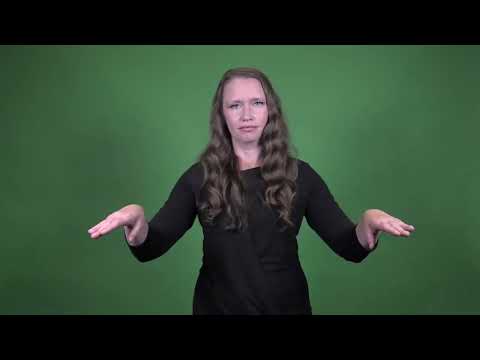
Practice Activities:
To practice the sign for FLAT SURFACE 2 in ASL, start by using a mirror. Practice signing it repeatedly while checking your handshape, palm orientation, and movement. This will help build muscle memory and ensure clarity when using the sign in conversation.
Next, try using the sign in isolation and in combination with similar spatial or descriptive signs, like TABLE, FLOOR, or SHELF. Practice by describing objects that are on a flat surface: “The book is on the table,” or “The laptop sits on a flat surface.” Repeating these phrases helps strengthen your ability to use signs contextually.
Make flashcards with visuals of flat surfaces and other shaped surfaces. Have a friend show you one card at a time, and respond with the correct sign. When the image is a flat surface like a countertop or desktop, use the sign for FLAT SURFACE 2 in ASL appropriately.
Create short stories that use a lot of spatial references. For example, narrate cleaning a room by describing the flat surfaces you wipe down, such as a desk, kitchen counter, and coffee table. Pause to emphasize the sign for FLAT SURFACE 2 in ASL every time you mention a similar object.
Practice with a partner by playing “find the object.” One person signs clues like “it’s on the flat surface under the window,” and the other has to guess the object. Switch roles often to build receptive and expressive skills equally.
Use emoji storytelling to make it more creative. Show + + and then sign a sentence like “Plant, window, books—all on a flat surface.” Bring in other signs to make the practice more dynamic, reinforcing how the sign for FLAT SURFACE 2 in ASL works with other vocabulary.
Cultural Context:
In American Sign Language (ASL), the sign for flat surface 2 is used to describe specific surfaces that are level, horizontal, and not inclined. This version of the sign for flat surface 2 in ASL tends to be used when there’s a need to identify or discuss a secondary type of flat surface that differs slightly in shape, size, or function from the standard flat surface. It helps clarify what kind of flatness or dimension is being referred to in a visual and spatial way, which is a vital element of ASL communication.
The sign for flat surface 2 in ASL is commonly used within conversations that describe topography, indoor spaces, or design features. For example, when discussing furniture, building layouts, or even geographical landscapes, the sign for flat surface 2 in ASL provides that added level of detail that helps the signer paint a clearer picture. This variation allows Deaf and hard-of-hearing individuals to communicate specific surface qualities with precision and clarity.
Within Deaf culture, classifiers and handshapes are essential tools for storytelling and explaining environments. The sign for flat surface 2 in ASL is often used in these contexts to show the existence or location of items on a flat plane. Whether describing a road, a shelf, a tabletop, or a digital screen, this sign allows the user to embed context visually, adding meaning and depth to their narrative.
Using this particular sign respects the visual-spatial grammar of ASL and reflects the cultural emphasis on visual information. The sign for flat surface 2 in ASL might accompany directional cues, facial expressions, and movement to differentiate between surfaces or to introduce contrast between objects lying on different planes. These layers of expression are vital to maintaining the clarity and richness of ASL dialogue.
Not only is the sign for flat surface 2 in ASL practical, but it’s also a reflection of how ASL users interact with their environments. The language naturally integrates physical characteristics into communication, and signs like this one help reflect experiences more accurately. This precision is part of what makes ASL such a deeply expressive language.
This sign can appear often in educational settings, such as in STEM fields where discussing dimensions and surfaces is important. Teachers and students alike use the sign for flat surface 2 in ASL when introducing or explaining scientific models, experiments, or technical designs. Its use helps convey structure and space in a tangible and comprehensible way.
Whether used at home, in school, or in community spaces, the sign for flat
Extended Definition:
The sign for flat surface 2 in ASL represents a specific shape or area that appears flat, wide, and even, such as a table, desk, or countertop. This sign is often used in ASL when describing physical features, locations, or the shapes of objects. It gives visual detail about the layout of something being discussed.
Unlike general shape classifiers, the sign for flat surface 2 in ASL typically uses both hands to illustrate a broader or more detailed surface. Hands are extended in front of the body, palms facing down, moving in parallel lines or staying steady to show width and depth. The movement and positioning of the hands help the viewer visualize the size and type of surface being described.
In conversations, the sign for flat surface 2 in ASL is used to add depth and clarity. Deaf signers often rely on visual spatial descriptions to paint a picture of their environment or to explain object placement. This classifier supports that visual storytelling by conveying the layout of a scene or setting.
You might see this sign used in contexts involving furniture or architecture. For example, someone might use the sign when describing a kitchen island, a large table, or a workbench. The sign helps distinguish between different sizes and types of flat surfaces, depending on the movement and distance between hands.
When using the sign for flat surface 2 in ASL, it’s important to maintain proper handshape and motion. The direction, size, and speed can all slightly adjust the meaning. A larger, slower motion might represent a big dining table, while a quicker, smaller movement could mean a tray or folder.
This sign is part of a group called classifiers in ASL, which are used to represent categories of objects or physical features. The flat surface classifier highlights attributes like size, shape, and location. This helps give more context and richness to a signed narrative or description.
Learners of ASL should practice the sign in the mirror to ensure clear presentation. Watching others use the sign for flat surface 2 in ASL during natural conversation also provides insight into its subtle variation and proper usage. Facial expressions and eye gaze also help emphasize what is being described.
Whether you’re in a classroom setting or having a casual conversation, this sign plays a valuable role in helping others picture what you mean. ASL users often combine it with other classifiers or directional signs to build a full mental image. The flat surface sign strengthens that imagery and enriches communication.
The sign for flat surface 2 in ASL reinforces spatial
Synonyms: smooth plane, level sheet, even surface, flat layer, planar surface
Educational resources: Find related learning materials in our course bank!
Want more? Check out some of our popular learning activities on the homepage!
Need to look up a sign? Use our highly rated dictionary: https://aslinteractive.com/best-asl-dictionary/
Follow us on tiktok: https://www.tiktok.com/@aslinteractive. More social media links at the bottom of this page!
Long-tail Keywords: what is the sign for flat surface in ASL, how do you sign flat surface in ASL, ASL sign for flat surface
Categories:
tags: flat surface 2 in asl, how to sign flat surface 2 in asl, flat surface classifier in asl, asl flat surface handshape, learn flat surface 2 in asl
Parameters
*Handshape*:
The handshape used in the sign for FLAT SURFACE 2 in ASL typically involves both hands in a “B” handshape, with fingers extended and together, thumbs aligned along the sides. The palms face downward and move outward simultaneously in a flat, horizontal plane to show the concept of a flat or even surface.
This motion visually represents the evenness of a flat area. The sign for FLAT SURFACE 2 in ASL uses precise, symmetrical movement to reinforce the idea of flatness. ️
*Palm Orientation*:
For the sign for FLAT SURFACE 2 in ASL, both palms are generally oriented downward, facing the floor to represent a smooth, level plane. The hands are held flat with fingers extended and close together, moving outward from the center or layered slightly to indicate dimension.
This palm orientation plays a key role in establishing the concept conveyed by the sign for FLAT SURFACE 2 in ASL, emphasizing the idea of an even, horizontal space.
*Location*:
The location for the sign for FLAT SURFACE 2 in ASL takes place in the neutral space directly in front of the signer’s torso, typically at waist or chest level. Both hands are used and remain within the signing space, parallel to each other, to depict the concept of a level plane.
Because the sign for FLAT SURFACE 2 in ASL emphasizes spatial depiction, it’s important that the hands stay in this area to visually represent a surface without any incline. This physical arrangement helps distinguish it from similar location-based signs.
*Movement*:
The sign for FLAT SURFACE 2 in ASL involves both hands held flat, palms facing downward, resembling the shape of a tabletop. Begin with the dominant hand slightly above the non-dominant hand.
Move the dominant hand forward in a straight, horizontal motion, maintaining parallel handshapes. This emphasizes the broad, level nature of the surface. The sign for FLAT SURFACE 2 in ASL helps convey a clear spatial understanding using directional movement ️➡️.
*Non-Manual Signals*:
When performing the sign for FLAT SURFACE 2 in ASL, the facial expression should remain neutral and observant, suggesting general description or spatial awareness. Slightly raised eyebrows may indicate clarification or emphasis on the shape or texture.
The non-manual signals support the spatial illustration of the sign for FLAT SURFACE 2 in ASL by visually anchoring the area being described. Head movement may follow the motion of the hands to trace the implied surface.
*Prosody, Dominant/Non-Dominant Hand*:
The sign for FLAT SURFACE 2 in ASL typically uses the dominant hand held flat, palm down, and parallel to the ground. The non-dominant hand mirrors this movement slightly below the dominant hand to show layered levels or surfaces. This may suggest multiple planes or a comparative flatness between two levels. The sign for FLAT SURFACE 2 in ASL often emphasizes space and precision through palm orientation and distance.
Tips for Beginners:
When practicing the sign for FLAT SURFACE 2 in ASL, pay close attention to handshape and orientation. This variation typically uses both hands in “B” handshapes, palms facing down and parallel to the ground. Begin by placing both hands at chest level, about shoulder-width apart, and move them outward or across in a smooth, flat motion, to represent the expanse of a flat surface.
Beginner signers often make the mistake of bending the fingers or turning the palm orientation upward or sideways. Keeping your hands in the correct shape and alignment is key to making the sign for FLAT SURFACE 2 in ASL clear and understandable. Practicing in front of a mirror can help you catch subtle errors in hand orientation and motion path.
One helpful tip is to think about how a table or a flat surface would appear in real life, and try to mirror that visual in your signing space. Using this type of visualization reinforces the purpose of the movement and helps you internalize it. You’re not just moving your hands—you’re describing a spatial concept .
Control your pace and don’t rush the motion. A smooth, deliberate movement is more easily understood than a fast, choppy one. When learning the sign for FLAT SURFACE 2 in ASL, muscle memory plays a big role, so repetition with feedback—either from a teacher, native signer, or video recording—is essential.
Finally, be consistent with your spatial grammar. When appropriate, the flat surface being described should align with what was referenced earlier in the conversation. This keeps your signing cohesive and context-rich. With practice, you’ll find that the visual-spatial nature of the sign for FLAT SURFACE 2 in ASL adds clarity and depth to your communication .
Connections to Other topics:
The sign for FLAT SURFACE 2 in ASL is closely linked to spatial awareness and classifiers, especially when describing the orientation and position of objects. In ASL, the ability to visually represent flatness or level ground is essential when setting the scene or describing a spatial layout. This sign connects naturally to the CL: B handshape, which often depicts level surfaces, roads, or platforms.
This sign frequently appears in contexts involving architecture, home design, or terrain descriptions. For example, when describing furniture arrangements, you might use the sign for FLAT SURFACE 2 in ASL to indicate where items are resting, such as a book on a table or decorations on a shelf. When paired with directional verbs or facial expressions, it helps build a clear image of the scene for the viewer.
There are meaningful connections between this sign and others like TABLE, FLOOR, or DESK, as each involves similar flat or horizontal characteristics. Learners benefit from comparing how subtle variations in palm orientation and movement can distinguish different objects or flat spaces. Understanding the sign for FLAT SURFACE 2 in ASL provides a foundation for discussing topics like geography, with flatland areas or plateaus, and even abstract concepts like equality or evenness.
This sign also integrates well into compound signs where location and object context matter. In narratives, it might combine with signs such as BUILDING, SAND, or PLACE to give more precise visual meaning. For example, describing a tent on a flat desert floor uses this sign to shape a clearer picture.
Those exploring ASL storytelling or description techniques will find that mastering the sign for FLAT SURFACE 2 in ASL enhances their ability to communicate vividly. It deepens overall fluency in classifiers, spatial relations, and context-based signing ✨
Summary:
The sign for FLAT SURFACE 2 in ASL represents a smooth, horizontal plane and is often used in conversations related to geography, architecture, interior design, and abstract thought. This version of the sign may involve a slight variation in the orientation or movement of the hands, compared to the original or more commonly used variant.
To produce the sign for FLAT SURFACE 2 in ASL, start with both hands open and palms facing downward. They move across the signing space side by side in a gentle wave-like motion, suggesting the smooth expanse of a plane. The elbows stay relaxed and the fingers slightly spread, giving a sense of dimension and continuity.
This sign variation may show a nuanced movement to represent different types or sizes of surfaces. The flat motion of the hands helps convey that this is a broad, level area, making the concept visually intuitive. The movement may be slightly more curved or flow in a softer arc to indicate a natural or unstructured flat surface, unlike a rigid manmade table top.
Grammatically, the sign for FLAT SURFACE 2 in ASL functions as a classifier when used in sentence structures that discuss spatial relationships and object placement. It works alongside directional verbs and locative expressions to offer a nuanced sense of orientation. This usage is especially important in ASL storytelling and visual descriptions.
In ASL, classifiers like this help build a three-dimensional understanding of space in the absence of spoken words. This sign fits within a broader group of classifiers that represent surface types—such as rough, inclined, and vertical surfaces. Each classifier has unique motion and handshape elements highlighting its semantic role.
The relevance of the sign for FLAT SURFACE 2 in ASL expands beyond basic communication and enters fields like environmental discussion, art, and abstract conceptualization. For example, discussions around landforms may call upon this sign to portray the nature of terrain. Meanwhile, in setting scenes in ASL literature, this sign grounds audiences in a physical or metaphorical place.
Culturally, the concept of “flat” or “level” is often associated in Deaf spaces with mental clarity, neutrality, or a clean state. ASL storytellers may use this classifier to ground narratives or symbolize an emotional balance. Deaf art and performance incorporate variations of this sign to reinforce the physical landscape within visual compositions.
Linguistically, the sign for FLAT SURFACE 2 in ASL is notable for its use of symmetry and directional flow. The mirrored hand movement exemplifies iconicity, where the form of the sign resembles its referent. This natural association between form and meaning makes the sign easily grasped by both fluent users and learners.
In applied linguistics, especially in the study of sign language acquisition, signs like FLAT SURFACE 2 provide critical insights into how learners grasp spatial classifiers. Research shows that mastery of classifiers strongly correlates to fluency, due to their rich semantic content. Learners of various ages often find these signs challenging, yet rewarding as they express abstract spatial logic.
From a phonological standpoint, this sign features parameters that include handshape, movement, orientation, location, and non-manual markers. Although the sign doesn’t rely heavily on facial expressions, it often gets paired subconsciously with a neutral or descriptive gaze, underlining the space being indicated. The movement is fluid, emphasizing the physical and experiential aspect of the concept.
Comparatively, the original or alternate versions of this sign may use firmer hand motions or alterations in angle to suggest manmade plots or functional surfaces like tables or counters. The sign for FLAT SURFACE 2 in ASL gives greater flexibility, especially when discussing systems in nature, conceptual levels, or vast terrains. The softness of the movement helps distinguish this version conceptually from more rigid interpretations.
Semantically, the difference in sign versions affects subtle layers of meaning. While one might be used for structural descriptions such as sidewalks or blueprints, the FLAT SURFACE 2 version leans into representing open, undefined, or conceptual planes. This nuance becomes essential in storytelling, where subtle changes in signing shape imagery and audience interpretation.
The sign’s usage extends into technological and academic realms. In STEM fields, it enables ASL discussions about physical properties like planar geometry, data maps, and environmental features. Signers discussing maps or charted information often rely on classifier signs like this to make data more visual and engaging.
Educationally, the inclusion of multiple versions of a single sign like FLAT SURFACE 2 in ASL helps learners recognize the rich variation inherent in natural language use. ASL is not static; it flexes with context, movement, and community use. This richness allows fluid transition between concrete and abstract thought through movement.
In bilingual ASL-English classrooms, this sign acts as a bridge between language and visualization. For Deaf students who think spatially, using signs like this to represent curricular content creates direct access to conceptual ideas. Instead of translating from English, the sign builds intuitive
Want more? Check out some of our popular learning activities!
ASL Interactive Resources
ASLInteractive YouTube Channel
Follow us on tiktok: @aslinteractive.com
Follow us on Instagram: aslinteractive
Facebook page: aslinteractive
Facebook group: aslinteractive
LInkedIn: ASL Interactive LLC
Twitter: @ASL_interactive
*Some information on this page is AI-generated. AI can make mistakes. Please check the information.
Responses