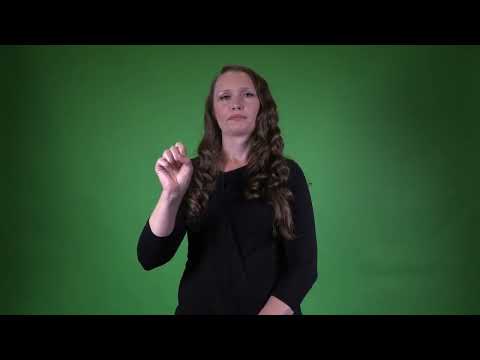
Definition: A type of footwear.
Sign for FS_BOOTS in ASL
Practice Activities:
To practice the sign for FS_BOOTS in ASL, start by fingerspelling the word slowly and clearly. Use a mirror to watch your handshapes and transitions between each letter. Focus on maintaining consistent pace and finger positioning for each repetition. Practice fingerspelling FS_BOOTS in both receptive and expressive drills by recording yourself and playing it back or using fingerspelling apps for feedback.
Once you feel comfortable with the sign for FS_BOOTS in ASL in isolation, incorporate it into short phrases. Try sentences like “I bought new FS_BOOTS” or “FS_BOOTS are warm in winter.” Sign the sentences slowly and then increase your speed while maintaining clarity. This will help build fluency and confidence using the sign in real context.
For storytelling practice, describe a winter outfit that includes FS_BOOTS. Use additional signs for clothing such as coat, scarf, hat, and gloves. Try this exercise in front of someone who can give you feedback or practice with a partner. Take turns describing different scenarios, like walking through snow or going hiking, where FS_BOOTS would be used. This reinforces the meaning and appropriate use of the fingerspelled version.
Practice creating visual stories: describe someone getting ready to go out in the snow, emphasizing the moment they put on their FS_BOOTS. This helps you use the sign for FS_BOOTS in ASL naturally in storytelling context. Pair up and play charades-style games where partners guess the word from a visual description. Include FS_BOOTS as one of the key terms.
Daily fingerspelling warm-ups should always include FS_BOOTS along with other common clothing items. Repetition is key. Integrating the sign naturally into your conversations about clothing, fashion, or weather will strengthen your understanding and recall. Use online ASL video dictionaries to compare your fingerspelling technique to fluent signers for accuracy.
Cultural Context:
The sign for FS_BOOTS in ASL represents more than just the fingerspelled word for footwear. In Deaf culture, fingerspelling is often used when a specific sign doesn’t exist or when introducing unique words like brand names, proper nouns, or fashion items such as boots. Using FS_BOOTS in ASL allows the Deaf community to stay connected with popular trends while maintaining clarity in communication.
American Sign Language incorporates fingerspelling as a part of its rich linguistic structure. The sign for FS_BOOTS in ASL typically appears when referring to boots that do not have a specific established sign. This includes stylish fashion boots, brand-name boots, or specialized footwear such as cowboy boots or hiking boots.
When using the sign for FS_BOOTS in ASL, context plays a huge role. The signer might choose to fingerspell the word “boots” when pointing out a specific pair or describing boots in detail. In ASL conversations, especially among signers with close cultural ties, such terms are commonly adapted through fingerspelling rather than borrowing signs from Signed English.
Fingerspelling plays a vital role in preserving the visual and spatial nature of the language. The use of FS_BOOTS in ASL highlights the adaptive nature of Deaf communication. Instead of creating new arbitrary signs for everything, ASL users rely on fingerspelling to keep communication fluid and flexible, especially when discussing niche items like certain types of boots.
The concept of fashion and personal style is also embraced in Deaf culture. When discussing attire or describing an outfit, the sign for FS_BOOTS in ASL becomes useful for expressing individuality. Whether referring to winter boots, rain boots, or military-style boots, signers can easily incorporate FS_BOOTS in ASL using the manual alphabet.
Youth and adults in the Deaf community may also use FS_BOOTS in ASL when referring to pop culture or media references, especially if a specific boot style gains popularity. Fingerspelling keeps the conversation inclusive and understandable to people who may not know new or brand-specific signs. FS_BOOTS in ASL ensures accessibility and up-to-date expression within the community.
Fashion-related words like FS_BOOTS in ASL contribute to how Deaf individuals express identity. In conversations about shopping, travel, or seasonal changes, the sign for FS_BOOTS in ASL appears naturally. It reflects the broader theme of using ASL as a dynamic and responsive language.
People often use FS_BOOTS in ASL in classroom settings, Deaf events, or social media
Extended Definition:
The sign for FS_BOOTS in ASL involves fingerspelling the word “boots” using American Sign Language. FS means fingerspelled, which is commonly used when there isn’t a specific sign for a word or when introducing a word that might not have a standard sign yet. In this case, you’ll fingerspell B-O-O-T-S clearly and at a comfortable pace to ensure the viewer understands the word being signed.
Fingerspelling is an essential part of ASL and is frequently used for names, brands, and unique vocabulary like FS_BOOTS that doesn’t yet have a widely accepted or recognized sign. When using the sign for FS_BOOTS in ASL, it’s important to maintain proper handshape and fluid motion from letter to letter. This helps your communication stay clear and accurate.
When fingerspelling the sign for FS_BOOTS in ASL, keep your palm facing slightly outward. Make sure each letter is formed correctly: the “B” with the fingers together and thumb across, “O” with fingers creating a circular shape, and “T” with the thumb tucked between the index and middle fingers. Repeating double letters, like the double O, should be slightly bounced or moved to indicate both letters clearly.
The sign for FS_BOOTS in ASL may be used in casual or professional settings, depending on the context. You could use it in a conversation about fashion, shopping ️, or describing what someone is wearing. In more technical environments, like workplace discussions or safety gear requirements, you might use FS_BOOTS while introducing the item before switching to a contextual sign or description.
In many cases, learners of ASL will start with the fingerspelled version of a word like boots until they become more fluent or until a standard sign becomes familiar in their signing community. When you practice the sign for FS_BOOTS in ASL, aim to maintain a steady speed and consistent hand movements. Over time, your fingerspelling proficiency will grow, making communication smoother and more natural.
If you’re unsure when to use fingerspelling instead of a specific sign, remember that FS_BOOTS in ASL is ideal for situations where clarity and specificity are essential. Sometimes, regional dialects or different signing communities may adopt informal signs for common items like boots, but fingerspelling remains universally understood across all ASL users. This makes FS_BOOTS a reliable way to communicate the word clearly.
Whether you’re a beginner in ASL or a fluent signer, understanding how and when
Synonyms: shoes, footwear, ankle boots, combat boots, hiking boots
Educational resources: Find related learning materials in our course bank!
Want more? Check out some of our popular learning activities on the homepage!
Need to look up a sign? Use our highly rated dictionary: https://aslinteractive.com/best-asl-dictionary/
Follow us on tiktok: https://www.tiktok.com/@aslinteractive. More social media links at the bottom of this page!
Long-tail Keywords: what is the sign for boots in ASL, how do you sign boots in American Sign Language, ASL sign for boots
Categories:
tags: ASL sign for boots, finger spelling boots in ASL, how to sign boots in ASL, American Sign Language boots, fs_boots meaning in ASL
Parameters
*Handshape*:
The handshape for the Sign for FS_BOOTS in ASL involves the use of the dominant hand in an open “B” handshape, followed by fingerspelling each letter of the word B-O-O-T-S. Each letter is formed using standard fingerspelling techniques.
The non-dominant hand may stay relaxed at the side or mirror the dominant hand for emphasis. The Sign for FS_BOOTS in ASL relies on clear, deliberate finger positioning to ensure the word is clearly understood.
*Palm Orientation*:
During the sign for FS_BOOTS in ASL, each hand fingerspells the letters B-O-O-T-S, so the palm orientation shifts naturally depending on the letter formation. Typically, the palm faces outward or slightly to the side for letters like B and S, while for O and T, the palm may turn inward slightly for comfortable positioning.
When performing the sign for FS_BOOTS in ASL, each hand remains relatively relaxed, maintaining a vertical orientation as the fingers shape each letter. The orientation adjusts subtly to ensure clarity and precision in the fingerspelling process.
*Location*:
The sign for FS_BOOTS in ASL is fingerspelled, so the location centers in the neutral signing space in front of the torso, typically at chest level. Both hands move slightly in front of the signer without contacting the body, allowing clear visibility for each letter.
When producing the sign for FS_BOOTS in ASL, maintain your hands at a comfortable distance from the body to ensure proper finger articulation. Keep movements fluid and steady to enhance readability of the fingerspelling sequence.
*Movement*:
To perform the sign for FS_BOOTS in ASL, use fingerspelling to spell out B-O-O-T-S using your dominant hand. Keep your hand in the neutral space in front of your chest, maintaining clear, deliberate movements between each letter.
Each letter in the sign for FS_BOOTS in ASL should transition smoothly, with palm orientation facing slightly forward. Make sure to use small, controlled finger movements so the word remains readable and clear.
*Non-Manual Signals*:
When using the sign for FS_BOOTS in ASL, maintain a neutral facial expression while fingerspelling the word clearly. Mouth movement can include mouthing “boots” subtly to support clarity without exaggeration.
Eyebrows should remain relaxed unless you are asking a question about the boots, in which case a slight brow raise may occur. The sign for FS_BOOTS in ASL is often accompanied by natural eye contact and slight head nods to emphasize understanding or confirmation.
*Prosody, Dominant/Non-Dominant Hand*:
The sign for FS_BOOTS in ASL uses both hands to fingerspell each letter: B-O-O-T-S. The dominant and non-dominant hands alternate as needed, typically following standard fingerspelling posture with the dominant hand doing most of the motion.
The sign for FS_BOOTS in ASL emphasizes clear, fluid fingerspelling at chest level. Maintain a relaxed handshape and keep your palm facing forward with smooth transitions between each letter.
Tips for Beginners:
When learning the sign for FS_BOOTS in ASL, remember that this is a fingerspelled word, so clarity and pacing are key . Focus first on learning each individual letter of the ASL alphabet so that you can form the word “BOOTS” smoothly. Try to keep your hand steady and close to your shoulder or chest area—it ensures proper eye contact and visibility for the receiver.
One common mistake beginners make when using the sign for FS_BOOTS in ASL is rushing through the fingerspelling. ASL isn’t about speed, it’s about clarity and communication. Practice slowly and clearly transitioning between the letters B-O-O-T-S. Watch your hand placement in a mirror or record yourself to check for handshape errors or unnatural transitions, especially between the O’s and T.
Your facial expressions and eye contact matter a lot even when fingerspelling. Avoid looking away from your conversation partner or staring at your own hand. Instead, maintain eye contact and trust that your fingers are forming the correct shapes through practice.
To enhance your fingerspelling fluency, try fingerspelling related clothing items like SHOES or SOCKS. The repetition and muscle memory gained through practice with such vocabulary will make using the sign for FS_BOOTS in ASL much easier over time . Also, consider using online practice tools or flashcard apps that prompt the user to fingerspell common fashion-related signs.
Lastly, context is always important. When using the sign for FS_BOOTS in ASL during conversations, accompany it with descriptive signs or gestures if needed. For example, you can add a sign for “wear” or “leather” to help clarify the topic. With patience and practice, your fingerspelling confidence will grow and your communication will become more natural.
Connections to Other topics:
The sign for FS_BOOTS in ASL connects closely to the broader clothing and accessories category in American Sign Language. Like many item-specific terms in fashion, FS_BOOTS is often fingerspelled due to a lack of a standardized sign or because regional variations are minimal. This places it alongside other fingerspelled terms such as FS_JEANS, FS_SANDALS, or FS_BLAZER, which are frequently fingerspelled depending on context and community.
This sign also links to concepts in describing clothing style, weather gear, or occupational attire. For example, in storytelling or everyday conversation, one might combine signs like RAIN or SNOW with the sign for FS_BOOTS to describe appropriate attire. In occupational contexts, such as discussing construction work or farming, FS_BOOTS can be used alongside signs like WORK or FARM, showing how ASL allows fluid combinations of fingerspelled and conceptual signs.
Additionally, the fingerspelling of boots can function within classifier use, especially when describing different boot types in terms of height or use. After using the sign for FS_BOOTS in ASL, a speaker might use classifiers to show chunky soles, high shafts, or pointed toes, especially in fashion or retail contexts. Fingerspelling also serves as a strategy when introducing a new term that lacks a widely accepted sign.
You might also see FS_BOOTS used in storytelling or visual vernacular contexts, especially in describing characters, costume changes, or action scenes where specific footwear matters. In this way, the sign interacts with other visual storytelling tools like role-shifting or indexing. Understanding how FS_BOOTS fits into broader conversations about apparel, identity, or even fantasy roles helps learners grasp its flexibility and usage.
Finally, FS_BOOTS in ASL emphasizes the importance of fingerspelling as a foundation for expanding one’s vocabulary. As learners encounter more item-specific or brand-specific signs, being comfortable with fingerspelling increases fluency and confidence in diverse settings.
Summary:
The sign for FS_BOOTS in ASL is a fingerspelled word, meaning that each letter of “boots” is spelled out using the ASL manual alphabet. This is common with clothing items that do not have a widely accepted iconic or standardized sign. Fingerspelling allows for accuracy and specificity when discussing particular objects or brands.
When using the sign for FS_BOOTS in ASL, the signer typically uses one dominant hand or both hands, depending on fluency and preference. The hand shapes must follow the correct configuration for each letter: B-O-O-T-S. It’s important that the transitions between letters are clear and smooth to be understood.
FS_BOOTS is often fingerspelled when discussing specific types of boots, such as hiking boots, combat boots, or designer boots. The context helps the audience understand which type is being referenced. When boots are a central focus, facial expressions and signing space can add emphasis.
FS_BOOTS in ASL may be used with other relevant signs like SHOES, LEATHER, or WALK, offering supplemental description. For example, a signer may fingerspell FS_BOOTS, then sign BLACK and RAIN to express black rain boots. The lexical combination enhances meaning.
Since boots can range in purpose from work-related to fashion statements, the sign for FS_BOOTS in ASL may appear in conversations about style, occupation, or weather. fingerspelling gives flexibility without needing a highly specific classifier. This helps maintain fluidity in conversation.
In ASL grammar, FS_BOOTS is used like a noun. It can be preceded by classifiers or possessive structures—like MY FS_BOOTS or THOSE FS_BOOTS—allowing it to be embedded into full sentences. Depending on the subject, the signer may choose to include descriptors or qualify the sign further.
Though there are gesture-based classifiers that mimic the shape or purpose of boots, fingerspelling FS_BOOTS retains specificity and avoids ambiguity. Classifiers might be used after the sign for clarity, such as mimicking putting on tall boots or referencing their sole. This adds a visual richness.
Occasionally, fingerspelling FS_BOOTS may be abbreviated in fast conversation. Skilled signers adapt the pacing and clarity based on context. However, spelling each letter is critical when introducing the item or ensuring comprehension among diverse signer skill levels.
The fingerspelling of FS_BOOTS in ASL shares phonological characteristics with other clothing-related terms. There’s a movement between rounded hand shapes and firm stops, particularly with the T and S. These phonological features can help beginners master the sign with rhythm.
In Deaf culture, fingerspelling is not just a mechanical act—it reflects knowledge, clarity, and fluency. Using FS_BOOTS in ASL demonstrates command over the manual alphabet and the ability to bridge gaps between spoken English and visual language. It represents linguistic inclusion.
The use of FS_BOOTS in ASL can signal a deeper narrative. Storytelling in ASL might involve details like trudging through snow, dressing up, or joining a military service—where boots feature prominently. The fingerspelled word can anchor an emotional or thematic element in the story.
ASL classifiers often follow FS_BOOTS to describe size, type, or method of use. Tall CL:1 classifiers moving up the leg indicate knee-high styles, while bent V-hand shapes may suggest the structure of work boots. Spatial orientation further enhances description.
While clothes like pants, shirts, or hats may have unique signs, boots often rely on FS_BOOTS in ASL. This reflects how ASL prioritizes iconic visuals or standard use. Since boots vary widely, the language accommodates this richness through spelled forms and support from classifiers.
Culturally, boots symbolize warmth, protection, or even rebellion. Think of cowboy boots, punk boots, or utility boots. The sign for FS_BOOTS in ASL allows signers to tap into these associations and communicate nuanced ideas depending on the setting or narrative.
In signed conversations about fashion or seasons, FS_BOOTS in ASL becomes more common. In winter prep discussions, people often spell BOOTS and incorporate descriptions like FUZZY, WATERPROOF, or SLIP-RESISTANT through accompanying signs. This creates linguistic layering.
In linguistics, the fingerspelling of FS_BOOTS follows a morphemic pattern where the English loan word is absorbed into the structure of ASL. The manual alphabet conveys the concept, but users often treat it as a borrowed linguistic unit, not translated, but integrated.
The sign connects to bilingual language use as many Deaf individuals code-switch. They may use FS_BOOTS in ASL followed by spoken references in English or descriptions. This form of code-blending shows how ASL users effectively move between visual and auditory modes of communication.
Applied linguistics observes how fingerspelled words like FS_BOOTS help language learners develop reading and spelling skills in both ASL and English. It supports lexical retention and cross-language connections. Fingerspelling
Want more? Check out some of our popular learning activities!
ASL Interactive Resources
ASLInteractive YouTube Channel
Follow us on tiktok: @aslinteractive.com
Follow us on Instagram: aslinteractive
Facebook page: aslinteractive
Facebook group: aslinteractive
LInkedIn: ASL Interactive LLC
Twitter: @ASL_interactive
*Some information on this page is AI-generated. AI can make mistakes. Please check the information.


Responses