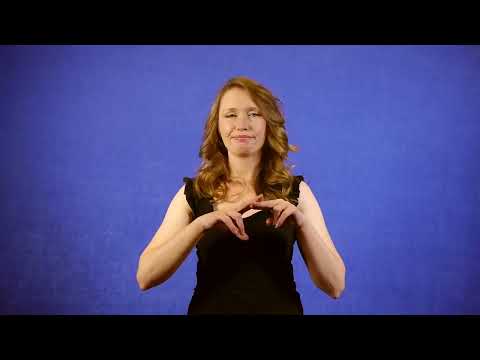
Definition: Enjoyment, amusement, or lighthearted pleasure.
Sign for FUN in ASL
Practice Activities:
Start by practicing the sign for FUN in ASL on its own. Watch a video reference or mirror a fluent signer. Repeat the motion slowly and then at natural conversational speed. Focus on the hand placement and facial expression, as the sign for FUN is often used with a light, happy facial tone to match the meaning.
Next, use the sign in simple sentences like “That movie was fun” or “We had fun at the park.” Sign the entire sentence and place extra attention on how FUN flows with the other signs. Record yourself or use a mirror to check consistency. This helps reinforce fluid sentence formation.
A storytelling prompt can be helpful in learning the sign for FUN in ASL. Think of a time when you had fun with friends or family. Practice using signs to tell the story, including where you were, who was there, and what made it enjoyable. Sign the word FUN each time it applies to clarify meaning for the viewer or partner.
Pair up with a practice buddy and take turns asking each other what activities are fun. For example, one person signs “What is fun for you?” The other responds with signs such as “video games are fun” or “swimming is fun.” This strengthens understanding and appropriate use of the sign for FUN in ASL within context.
You can also make a list of activities you enjoy and practice signing those along with the word FUN. Say the activity aloud, fingerspell it if needed, then sign it with FUN. Use emojis like ️ for visual cues that relate to the idea of fun, making practice more engaging.
Try incorporating the sign for FUN in ASL when responding to everyday questions like “How was your day?” or “What did you do this weekend?” This develops fluency and encourages you to anchor the sign into your regular ASL usage.
Cultural Context:
In Deaf culture, the sign for FUN in ASL goes beyond simple entertainment. It reflects the joy and connection often found within the community during social gatherings, storytelling, and shared experiences. The Deaf community values expressive interaction, and the sign for FUN in ASL captures that energy.
Using the sign for FUN in ASL is common in both casual and formal settings. It can appear in conversations about hobbies, games, or even classroom activities. When children are learning ASL, FUN is often one of the first emotional signs they pick up because it is so widely used in both educational and play environments.
Cultural events like Deaf expos, silent dinners, and ASL poetry nights often feature a lot of usage of the sign for FUN in ASL. It reflects not just a good time, but the deeper sense of belonging and shared enjoyment. Because facial expressions are key in ASL, this sign is often paired with smiling or light-hearted expressions to emphasize its meaning.
In many Deaf households, sign language is used freely to express emotions, and the sign for FUN in ASL plays a big part in daily communication. Whether it’s playing board games, watching performances, or engaging in crafts, FUN is an important part of everyday life. The sign helps children understand and express joy as they grow up in a signing environment.
The sign for FUN in ASL also appears in educational media produced for deaf children. Songs, stories, and interactive lessons use the sign to reinforce positive experiences. Incorporating the sign for FUN in ASL into these settings strengthens emotional communication and helps cultivate a positive learning atmosphere.
Storytelling is highly valued in Deaf culture, and the sign for FUN in ASL is frequently used in personal narratives and humorous anecdotes. Engaging stories often include humorous situations that bring laughter and encourage social bonding. The ability to share these moments with clarity and expression is part of what makes ASL storytelling so powerful.
Social media has also impacted how the sign for FUN in ASL is used and shared. Deaf content creators often use it in their videos, vlogs, and online tutorials. The visual nature of sign language translates perfectly for platforms like TikTok and Instagram, where signs expressing emotions like FUN receive high engagement.
Members of the Deaf community often teach the sign for FUN in ASL to hearing allies and ASL learners as a way to build bridges. Knowing how to share joy and express amusement in ASL can make communication more inclusive and welcoming. It is a simple yet meaningful sign that helps bring people
Extended Definition:
The sign for FUN in ASL is a cheerful and engaging expression that captures the spirit of enjoyment and playfulness. It is commonly used in everyday conversations among the Deaf and signing communities to describe something that is entertaining or enjoyable. This sign helps convey positive experiences and emotions linked with having a good time.
To perform the sign for FUN in ASL, you start with both hands in the “U” handshape. Place the dominant hand on the tip of the nose and then bring it down to tap the top of the non-dominant hand, which is held in front of the body, also in the “U” position. This action emphasizes a sense of movement and connection, similar to spreading good vibes from one person to another.
The sign for FUN in ASL is deeply rooted in the visual nature of American Sign Language, making it easy to understand and recognize across various age groups. Children often find this sign easy to learn because of its playful motion, while adults use it frequently to talk about recreational activities, social events, and hobbies. Whether you’re bonding with friends or attending a family gathering, knowing how to sign FUN helps you share your enthusiasm without needing spoken words.
You can use the sign for FUN in ASL to describe a number of enjoyable situations. For example, you might use it when talking about a trip, a party, playing games, or simply laughing with friends. This sign can also be modified with facial expressions to better match the mood—big smiles and raised eyebrows often accompany it to show heightened emotion.
When teaching or learning the sign for FUN in ASL, it’s useful to pair it with signs like FAMILY, FRIENDS, PLAY, or VACATION. This will help expand your vocabulary and express broader ideas involving leisure and enjoyment. Including FUN in your signed conversations can instantly make communication more lively and emotionally rich.
The sign for FUN in ASL is also valuable in classrooms, especially during lessons that involve games or group activities. Teachers who incorporate this sign into their interactions often find that students remain more engaged and responsive. It can create a positive environment that encourages both learning and joyful participation.
In digital contexts, you might see the sign for FUN in ASL appear in educational videos, Deaf community vlogs, and online tutorials. These resources often demonstrate how to place the hands correctly and offer tips for adding expressive features. Social media platforms like TikTok and Instagram also show this sign in action, especially during posts about hobbies, weekend plans, or humorous trends.
Using the
Synonyms: enjoyment, amusement, entertainment, pleasure, excitement
Educational resources: Find related learning materials in our course bank!
Want more? Check out some of our popular learning activities on the homepage!
Need to look up a sign? Use our highly rated dictionary: https://aslinteractive.com/best-asl-dictionary/
Follow us on tiktok: https://www.tiktok.com/@aslinteractive. More social media links at the bottom of this page!
Long-tail Keywords: what is the sign for fun in ASL, how do you sign fun in American Sign Language, ASL sign for fun meaning
Categories:
tags: fun in American Sign Language, ASL sign for fun, how to sign fun in ASL, learning fun in ASL, fun ASL dictionary term
Parameters
*Handshape*:
The handshape for the sign for FUN in ASL uses two “U” handshapes . The dominant hand makes a quick downward motion from the nose to tap the back of the non-dominant “U” hand, which is held stationary in front of the body. Both hands remain in the “U” position throughout the motion.
This movement conveys the playful and energetic meaning associated with the sign for FUN in ASL. Make sure fingers are together and extended, forming the correct shape for an accurate and clear sign.
*Palm Orientation*:
In the sign for FUN in ASL, both hands use the “U” handshape. The dominant hand starts with the palm facing downward and moves from the nose to tap on top of the non-dominant hand, which also has the palm facing downward.
Maintaining a downward-facing palm orientation is crucial for clarity and accuracy in the sign for FUN in ASL. Proper palm direction helps ensure the meaning is distinct from similar signs.
*Location*:
The location for the sign for FUN in ASL begins at the nose. The dominant hand in the “U” handshape touches the nose and then moves downward to meet the non-dominant “U” hand, which is held horizontally out in front near the lower face or upper chest area.
Proper placement is essential for clarity, as the sign for FUN in ASL uses both facial proximity and accurate contact points to convey meaning. Keep the movement smooth and consistent for natural expression.
*Movement*:
To produce the sign for FUN in ASL, start by forming both hands into the “U” handshape with the index and middle fingers extended and together. Position the dominant hand near the nose, palm facing downward, then touch the tip of the dominant fingers to the underside of the nose.
Next, move the dominant hand downward in a small arc and tap the top of the non-dominant “U” hand, which is held horizontally in front of the body. The sign for FUN in ASL uses a gentle, fluid motion to convey enjoyment or playfulness .
*Non-Manual Signals*:
The non-manual signals for the sign for FUN in ASL typically include a light, cheerful facial expression. A slight smile or playful grin matches the concept of enjoyment or amusement. Raised eyebrows can be used when asking about fun in a question format.
Head tilt or a small head nod can support the meaning, especially in casual or conversational settings. Maintaining an upbeat demeanor helps convey the positive and spirited feeling behind the sign for FUN in ASL.
*Prosody, Dominant/Non-Dominant Hand*:
The sign for FUN in ASL uses both hands. The dominant hand, shaped in an “H” handshape, starts at the nose and moves downward to tap the top of the non-dominant hand, which is also in an “H” handshape, resting horizontally.
Both hands should be firm but relaxed. This motion mimics the playful and joyful meaning behind the sign for FUN in ASL . Make sure the movement is smooth and lighthearted to convey the intended tone.
Tips for Beginners:
When learning the sign for FUN in ASL, one of the most important things to focus on is accurate handshape and motion. The sign typically uses the U-handshape with both hands. The dominant hand moves from the nose and taps the top of the non-dominant hand, which is also held out in a U-handshape, palm facing down. Ensuring your fingers are tight and not forming a V is a common challenge for beginners.
Practice the motion smoothly without rushing. Jerky movements can confuse the meaning, especially since many signs rely on fluid transitions. The downward arc of the dominant hand should land gently on the non-dominant hand—don’t slap or hit too hard. It’s okay to exaggerate the motion slightly at first to build muscle memory, then refine it with time.
Facial expression adds a lot to your communication. While performing the sign for FUN in ASL, a light, pleased facial expression can reinforce your intent. Without it, the sign may appear flat or emotionless. Beginners often overlook facial grammar, so be conscious of what your face is conveying as you practice.
Be careful not to confuse the sign for FUN in ASL with similar ones like boring or fingerplay-related signs. These often use similar handshapes or placements on the face. Watching videos from native signers and practicing in front of a mirror can help you make fine distinctions.
Recording yourself can also be a helpful tool. Compare your execution of the sign for FUN in ASL with fluent signers to catch subtle mistakes. It’s also a good idea to expose yourself to multiple signers—regional variations exist, and it’s valuable to recognize and understand them. Regular review and repetition will strengthen retention and boost your signing confidence
Connections to Other topics:
The sign for FUN in ASL connects with a broader set of concepts related to emotions, experiences, and leisure. It is closely related to signs like HAPPY, ENJOY, and LAUGH, all of which involve a positive emotional component and are often used in similar social or conversational contexts. Learners exploring expressive vocabulary will often acquire these signs together to discuss mood, enjoyment, and personal interests.
The motion and handshape of the sign for FUN in ASL share features with other signs in the category of feelings or sensory experiences. It involves moving a U-handshape from the nose area down to the other U-handshape on the non-dominant hand, indicating a sense of connection or engagement. This movement helps reinforce the idea of participation and being involved in a lighthearted or amusing activity.
In conversational use, the sign for FUN in ASL often appears in compound or sequential expressions like HAVE FUN, NO FUN, FUN TIME, or FUNNY FUN. While signs like FUNNY and FUN may seem similar, they are distinct, and understanding the difference is crucial for fluency. For example, FUNNY uses a unique motion under the nose that distinguishes humor from enjoyment.
This sign also appears in narratives or storytelling when describing pastimes, hobbies, or events like PARTIES, VACATIONS, or GAMES. It works well in constructing longer visual sentences, such as “YESTERDAY PARTY VERY FUN” or “CAMP WEEKEND REALLY FUN,” reinforcing time and descriptive structure. These combinations help learners develop more fluent expressive abilities.
Additionally, the sign for FUN in ASL expands into language used with children or in educational settings where describing activities is common. It encourages more dynamic conversations and helps bridge vocabulary between adults and children using ASL. This enhances both comprehension and engagement, making it a vital sign in everyday interactions.
Summary:
The sign for FUN in ASL is performed using both hands in the “U”-handshape. The dominant hand starts at the nose and moves down to meet the non-dominant hand, which is held in front of the body. The motion resembles a light tapping or brushing, reinforcing the joyful and carefree tone of the word.
This particular motion is not arbitrary—it conveys a sense of pleasantness and light-hearted interaction. In Deaf culture, visual and iconic signs like this one can speak volumes about how emotions are conveyed expressively. The positioning and movement involved offer an intuitive sense of enjoyment, which is central to the concept of “fun.”
The sign for FUN in ASL is both grammatically and semantically fascinating. It functions as a noun and can also be modified with non-manual markers to switch contexts. For instance, a raised eyebrow and an exaggerated expression can make the same sign appear more playful or sarcastic, depending on the situation.
ASL takes into account facial expression and movement fluidity. When signing FUN, a signer typically incorporates a smiling face or gleeful eye expression to emphasize the emotional tone. These non-manual signals add essential layers to the communication.
Linguistically, the sign for FUN in ASL captures an abstract emotion through a kinesthetic metaphor. The touch from the nose to the hand mimics a sort of whimsical interaction, transforming a common tactile gesture into a concept. This reflects how ASL often uses motion and natural human action to build meaning-rich symbols.
Deaf culture values joyful participation, and the sign for FUN in ASL supports that by being quick to perform and easily understood in context. It’s a sign that rapidly spreads positivity in group settings like schools, social events, and storytelling sessions. It can be part of many expressions that symbolize enjoyment and laughter in the community.
In terms of syntax, FUN can be placed at the end or middle of a sentence to describe emotions or events. If you were to say “that was fun,” you’d structure it as THAT EVENT FUN, with expressive facial grammar. The tone and timing with which you perform the sign give clues to intensity and duration of the experience.
Related signs bring deeper understanding to how FUN operates semantically. For example, signs like ENJOY, PARTY, and HAPPY often appear in similar sentence structures. Understanding these overlaps allows you to craft nuanced messages that bring out layers of joy or entertainment.
Another fascinating connection is between the sign for FUN in ASL and humor-based signs. While FUN focuses more on enjoyment, signs like FUNNY relate to comedy or absurdity. They may look similar in handshape but differ subtly in placement or movement, reinforcing the specificity of ASL lexicon.
Applied linguistics brings insight into why this sign has such visual appeal. The iconicity—how the sign visually mimics its meaning—makes it easier to learn and remember. Especially for second-language learners of ASL, signs like FUN offer accessible entry points into the language.
Context determines whether the sign for FUN in ASL carries a personal or social meaning. With friends, it can emphasize shared experiences. In educational contexts, it could distinguish a subject as engaging or enjoyable, thus modifying the perception of the learning environment.
The motion of the sign being downward also represents a transfer of tone—from the face or mind to shared experience. This semantic mapping reinforces how ASL draws from embodiment. Meaning is felt emotionally and is shown physically, emphasizing the holistic nature of Deaf communication.
From a cultural lens, the sign for FUN in ASL also represents community spirit. In Deaf gatherings, visual humor and shared performances are integral. FUN helps articulate the concept of inclusive enjoyment, where interaction and expression unfold together in real-time.
Use of the sign varies by region and by signer. Some might perform it more briskly for emphasis, while others linger slightly on the motion to stretch the feeling. These micro-differences enrich the linguistic texture of ASL and allow individual style to shine through.
Children learning ASL are often taught signs like FUN early on because of their emotional relevance. Mastery of engaging, easy-to-recognize signs fosters both vocabulary acquisition and social bonding. FUN becomes more than a word—it becomes a marker of experience and positive affirmation.
In terms of grammar, classifiers and descriptors can be added to the sign to modify meaning. For example, signing FUN alongside a classifier that represents a specific event gives context. This layered grammar format brings functional clarity to what could otherwise be vague emotion.
The evolution of the sign for FUN in ASL has had relatively minor variation, suggesting its intuitive design stood the test of time. Unlike some signs that have undergone revision for clarity or political change, FUN’s design has remained largely the same due to its ease and grace.
Emerging technology like emoji use and GIFs on social media platforms mirror signs like FUN in tone and brevity. ASL digital creators often incorporate this sign in their content, often paired with reactions to music, comedy, or spontaneous joy
Want more? Check out some of our popular learning activities!
ASL Interactive Resources
ASLInteractive YouTube Channel
Follow us on tiktok: @aslinteractive.com
Follow us on Instagram: aslinteractive
Facebook page: aslinteractive
Facebook group: aslinteractive
LInkedIn: ASL Interactive LLC
Twitter: @ASL_interactive
*Some information on this page is AI-generated. AI can make mistakes. Please check the information.


Responses