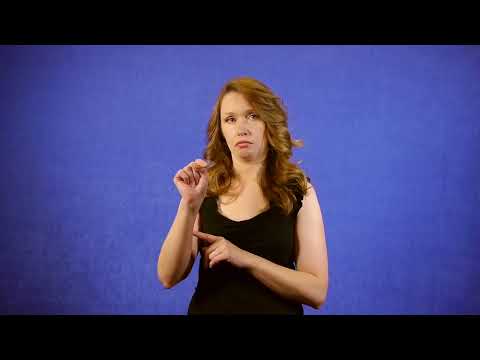
Sign for GET MONEY ATM in ASL | ASL Dictionary

Definition: To withdraw money from an ATM.

Sign for GET MONEY ATM in ASL

YouTube player

Practice Activities:

Start your practice with the sign for GET MONEY ATM in ASL by isolating each concept. Practice signing GET by reaching out and pulling back toward your chest with a grabbing motion. Sign MONEY by tapping the fingertips of one bent hand on the palm of the other. For ATM, fingerspell A-T-M clearly with quick, confident movements. Repeat each sign separately to build muscle memory and clarity.

After individual practice, combine the signs smoothly into a single phrase. Sign GET, MONEY, then fingerspell A-T-M without pausing too long between each. Use a mirror or record yourself to check for accuracy and flow. Practicing in front of a mirror helps improve facial expressions and hand positioning, which enhances comprehension and fluidity in communication.

Use the sign for GET MONEY ATM in ASL in sentence drills like “I need to get money from the ATM,” “She goes to the ATM every morning,” or “Where can I get money using my ATM card?” Work on interpreting these sentences from spoken English into ASL, focusing on word order and non-manual markers that show questions or emphasize key words.

Try short role-play games with a partner. Imagine one of you is visiting a bank, and the other is giving directions or asking for help using the ATM. Ask each other simple questions like “Can you help me GET MONEY ATM?” or “Where is the ATM?” to build confidence in conversational use.

For a creative challenge, develop a brief story around someone losing their wallet and needing to use the ATM to GET MONEY. Act the story out using expressive signing and the correct sign for GET MONEY ATM in ASL. This pushes you to use the phrase in multiple contexts and strengthens your storytelling skills in ASL.

Cultural Context:

In American Sign Language, the sign for GET MONEY ATM in ASL has cultural meaning that reflects both modern convenience and the deaf community’s adaptation to technology. Deaf individuals often navigate the world with visual and physical communication, so everyday activities like accessing an ATM involve more than just knowing vocabulary—they involve understanding real-life interaction.

The sign for GET MONEY ATM in ASL is typically used in conversations about banking, travel, shopping, or any situation where cash is needed quickly. Whether you’re heading to a store or planning to pay a friend back, signing GET MONEY ATM in ASL is part of natural daily communication in modern life.

Culturally, the deaf community values accessibility and independence. Public services like banks and ATMs are essential, and knowing how to sign GET MONEY ATM in ASL empowers deaf individuals to engage fully with services often designed for the hearing population. It also helps bridge gaps between deaf and hearing people in customer service or financial settings.

Using the sign for GET MONEY ATM in ASL might come up when planning a day, managing budgets, or even explaining directions to someone looking for the nearest cash machine. It’s more than just a literal translation—it captures a key aspect of navigating the world visually and with purpose. The term connects communication with action, encouraging clear understanding in social and practical situations.

When signing GET MONEY ATM in ASL, the context may inform how fast or specific the signs are. Someone in a rush may sign it differently than someone giving step-by-step instructions. The visual expression adds clarity, which is deeply valued in deaf culture.

Group conversations at school, in families, and in deaf clubs also include everyday terms like GET MONEY ATM in ASL. These signs are not only useful but are also shared across generations, helping younger users become fluent in talking about finances and logistics comfortably.

The evolution of ASL embraces new technology terms like ATM, and as systems change, new signs emerge or adapt. Still, the core idea behind GET MONEY ATM in ASL remains focused on enabling smooth, accessible communication. Cultural pride in sign language often includes the creativity involved in creating or agreeing on such terms.

Deaf culture strongly promotes autonomy and self-reliance. Being able to sign GET MONEY ATM in ASL reflects that value, highlighting not just language fluency but life skills. It supports one’s ability to live independently and navigate the same systems hearing individuals use every day.

In many cities, deaf professionals add this term to their vocabulary to maintain smooth interactions at work and on the

Extended Definition:

The sign for GET MONEY ATM in ASL is a combination of concepts that reflect the process of withdrawing money from an ATM. In American Sign Language, ideas are often expressed visually and sequentially rather than translated word for word. When signing this phrase, it’s important to focus on the actions that make up the experience: getting money and using an ATM.

To begin signing GET MONEY ATM in ASL, you usually start with the sign for GET. This is done by moving both hands toward each other in a grasping motion, as if you’re grabbing something imaginary. It represents obtaining or receiving something, in this case, money.

Next comes the sign for MONEY, which looks like tapping the fingertips of one flat hand onto the palm of the other flat hand. This is a widely recognized ASL sign and clearly communicates the concept of money or cash. When combined with the sign for GET, it clearly illustrates the idea of withdrawing funds.

The last part of the sign for GET MONEY ATM in ASL is expressing the concept of an ATM. Some people fingerspell A-T-M, especially if they are referring to a machine or giving directions. Others might mime the action of using an ATM, such as pressing buttons or inserting a card. Context plays a big role, and either option is accepted in daily conversations between Deaf individuals.

In more detailed conversations, combining all three signs into a fluid sequence can help maintain clarity. For example, a signer might indicate GET, followed by MONEY, then fingerspell A-T-M or use gestures. This sequencing paints a visual picture that matches the experience of withdrawing cash at a bank machine.

When using the phrase in everyday situations, such as discussing errands, banking, or budgeting, the sign for GET MONEY ATM in ASL becomes very useful. It is often used in casual conversation when someone is talking about needing cash or planning to visit an ATM. The more familiar you become with these signs, the easier it will be to recognize them in real-time conversations.

Regional variations can occur. In some parts of the U.S., signers may skip fingerspelling ATM altogether and rely on contextual clues or use a more generic gesture. This is why observing native ASL users and practicing frequently is key to mastering this phrase accurately.

If teaching or learning the sign for GET MONEY ATM in ASL, using real-life scenarios like going to the bank provides helpful context. Rehearse by using the sign in sentences, such as I need to GET MONEY ATM or Let’s stop

Synonyms: withdraw cash, access cash, get funds, retrieve money, extract cash

Educational resources: Find related learning materials in our course bank!

Want more? Check out some of our popular learning activities on the homepage!

Need to look up a sign? Use our highly rated dictionary: https://aslinteractive.com/best-asl-dictionary/

Follow us on tiktok: https://www.tiktok.com/@aslinteractive. More social media links at the bottom of this page!

Long-tail Keywords: what is the sign for get money ATM in ASL, how do you sign get money ATM in ASL, learn how to sign get money ATM in American Sign Language

Categories:

tags: get money sign in ASL, ATM in sign language, ASL sign for ATM, how to sign get money in ASL, American Sign Language ATM

Parameters

*Handshape*:

The handshape for the Sign for GET MONEY ATM in ASL typically involves a modified flat “O” hand for the concept of money. One hand, often the dominant hand, forms the flat “O” as it moves quickly into the palm of the non-dominant hand, which may be open or slightly cupped. This represents the act of receiving or grabbing money.

To incorporate the ATM aspect, you may fingerspell A-T-M after signing money, or simulate withdrawing with an upward motion from a horizontal palm using a flat handshape. The Sign for GET MONEY ATM in ASL combines these elements fluidly, blending classifiers and letter handshapes to reflect the concept clearly.

*Palm Orientation*:

For the sign for GET MONEY ATM in ASL, the palm orientation begins with both hands open and palms facing upward as you prepare to indicate receiving or collecting. When transitioning to the sign for MONEY, the dominant hand forms a flat “O” shape and taps the upturned non-dominant hand, with both palms typically facing each other or slightly angled. For ATM, the fingerspelled letters face forward or slightly outward, staying readable to the viewer .

*Location*:

The sign for GET MONEY ATM in ASL is typically produced in the neutral space in front of the torso, slightly below the chest level. Both hands are used in this sign, starting from around the upper torso area and moving outward or downward, depending on the variation.

The location is ideal because it mimics the natural position where one might access a pocket or an ATM machine. This placement keeps the sign for GET MONEY ATM in ASL visually clear and easy to understand for fluent and new signers alike.

*Movement*:

To sign the concept represented by the sign for GET MONEY ATM in ASL, begin by miming the action of pulling something toward yourself. Use both hands in a grabbing motion near the chest, simulating removing money. Transition to a flat handshaped gesture tapping the back of the non-dominant hand, or use the fingers of one hand miming bills being pulled from the other.

To represent ATM, fingerspell A-T-M in quick succession, keeping the hands in a neutral space at chest level. These movements combine smoothly to convey the full meaning behind the sign for GET MONEY ATM in ASL .

*Non-Manual Signals*:

Facial expressions for the sign for GET MONEY ATM in ASL typically include a focused or slightly raised eyebrow look, showing attention to the task or action. Mouth movements may reflect mouthing “money” or a light puff of air to indicate the exertion or immediacy of withdrawing cash.

The head may tilt slightly forward, indicating intent or urgency, especially when emphasizing the action of taking money from an ATM. Non-manual signals add clarity and emotion to the sign for GET MONEY ATM in ASL, helping differentiate it from general “money” uses.

*Prosody, Dominant/Non-Dominant Hand*:

The sign for GET MONEY ATM in ASL uses both hands with coordinated movements. The dominant hand typically performs the “get” motion, starting palm up near the non-dominant hand and pulling upward in a grabbing gesture. For “money,” the dominant hand taps repeatedly on the palm of the non-dominant hand, which remains flat and facing up.

To represent “ATM,” fingerspelling is used: A-T-M, using the dominant hand only. The letters are signed clearly and in sequence near shoulder level. Together, the full sign for GET MONEY ATM in ASL combines iconic signs and fingerspelling to convey requesting or withdrawing cash from a machine .

Tips for Beginners:

When learning the sign for GET MONEY ATM in ASL, it’s important to first break the phrase into conceptual components. ASL uses a visual-gestural modality, so instead of translating every word, think about the overall meaning. Start by learning the individual signs for “get,” “money,” and then fingerspell “ATM.” This will help maintain clarity and build muscle memory for each part.

Practice the motion for “get” by reaching out with both hands, palms facing up, and pulling back toward the chest with a grabbing motion. For “money,” tap the fingertips of a flat dominant hand on the palm of your non-dominant hand shaped like a flat surface, resembling the action of counting bills. The letters A-T-M should be fingerspelled clearly and smoothly. Avoid rushing the fingerspelling—each letter must be distinct to ensure comprehension.

Many beginners stumble when they try to string signs together too quickly. Slow down and prioritize handshape and facial expressions. Since the sign for GET MONEY ATM in ASL involves both conceptual signs and fingerspelling, fluid transitions will come with repetition. Use a mirror or record yourself to check the accuracy of your signs and fingerspelling.

Keep your signing space consistent—around the upper chest and shoulder area. Make sure your hands stay within view and don’t drift too low or too wide, as this can make the sign confusing. If you’re unsure whether to sign “get money” or just fingerspell “ATM,” consider context. In casual settings, many signers simply fingerspell “ATM,” but formal or educational contexts benefit from including the full sign for GET MONEY ATM in ASL.

Engage with the Deaf community or ASL videos to observe how fluent signers use this phrase in conversation. Immersing yourself in real-world usage helps you become confident and natural with the sign for GET MONEY ATM in ASL. Keep practicing daily and stay patient—you’ll improve over time!

Connections to Other topics:

The sign for GET MONEY ATM in ASL connects to multiple financial and transactional concepts in American Sign Language. The base sign for GET typically involves a grabbing motion toward the body, which can metaphorically extend to the idea of obtaining or receiving. MONEY is usually signed by tapping the fingertips of one flat hand against the palm of the other, representing the collection or handling of currency. When these signs are sequenced together, they form a compound phrase that conveys the specific action of obtaining cash from a machine.

ATM is fingerspelled in ASL, emphasizing an understanding of how fingerspelling interacts with conceptual signs. As a result, the sign for GET MONEY ATM in ASL is both a sequential and contextual phrase that combines a physical sign with an abbreviation. This kind of combination is common in ASL, where fingerspelled words are integrated into broader concepts, such as with phrases like PAY BILLS FS(IRS) or SEND FS(ZELLE). Learners will benefit by practicing both the fluid transition between signs and the clear articulation of fingerspelled terms.

This sign phrase can be related to a wider network of financial vocabulary in ASL, such as WITHDRAW, DEPOSIT, BANK, TIP, and CARD. GET MONEY ATM in ASL might also be used in conjunction with directional signs, for example, pointing toward the location of an ATM when giving directions. Understanding how to produce these signs in combination allows for more nuanced communication about everyday activities involving money.

Additionally, using this phrase in real-life ASL sentences helps reinforce common signs for errands or tasks. Phrases like I NEED GET MONEY ATM or I ALREADY GET MONEY ATM TODAY show how tense and context can be added to the base signs. This highlights the importance of mastering spatial grammar and sequencing for effective communication.

Summary:

The sign for GET MONEY ATM in ASL involves combining sign concepts for “get,” “money,” and “ATM” to form a cohesive and context-based expression. The individual components are each significant and can vary in form or intensity depending on the signer’s regional variation or register of speech.

To sign “get,” the dominant hand reaches out, as if grabbing something non-physically, and pulls toward the chest. It conveys a general sense of obtaining, receiving, or collecting, and it is often modified depending on the specificity or abstract nature of what is being acquired. This motion indicates control and transfer.

“Money” is signed by tapping the dominant flattened “O” handshape against the upturned palm of the non-dominant hand, typically also in the “O” or “B” shape depending on fluidity and style. This gesture mimics the image of handling paper currency or coins. The repetition or intensity of the tap can emphasize urgency or quantity.

“ATM” is fingerspelled: A-T-M. This spelling bridges the gap between common English acronyms and their understanding in ASL. In many cases, competent signers will abbreviate this or fluidly fingerpsell it depending on audience fluency.

The sign for GET MONEY ATM in ASL blends these three ideas fluently. The rhythm and spatial layout of each component provides a structured flow, beginning with “get,” transitioning to “money,” and ending with the acronym. Signers often place emphasis on “money” due to its central semantic weight.

In ASL grammar, topicalization plays a major role. When expressing the sign for GET MONEY ATM in ASL, the signer might raise eyebrows or tilt the head slightly when beginning with ATM, to signify the context. Alternatively, the signer may indicate place first—ATM—and then perform the “get money” sign.

This compound idea functions as a full phrase within ASL syntax and can sometimes be reformulated for emphasis or context. For instance, if urgency is involved, a signer might use a facial expression or speed up the motion to indicate immediacy. Conversely, in a casual mention, the pace slows and expression softens.

The cultural relevance of the sign for GET MONEY ATM in ASL is notable. In Deaf culture, financial independence and access are often key issues, particularly regarding accessible banking. The visual and spatial clarity of this sign allows for effective communication in both routine and critical financial contexts.

Signing this phrase depends on who the conversation involves. A formal conversation might include the fingerspelled word ATM, while a casual exchange could abbreviate or slightly reduce the motion, depending on mutual understanding. This reflects ASL’s adaptable register system.

The sign for GET MONEY ATM in ASL may be used in a variety of contexts: asking a friend if they need to get cash, explaining an errand, or describing a bank-related task. It incorporates practical handshapes and spatial grammar to maintain communicative efficiency.

There’s a connection to numerical classifiers and listing techniques in ASL when this phrase is expanded. For example, a signer may use a classifier to indicate passing multiple ATMs, or show a sequence of errands, starting with retrieving money from an ATM. Classifier handshapes often follow the phrase, adding depth.

The linguistics behind each separate component—get, money, and ATM—reveal contrasts between ASL and English. While English might leave the object implicit occasionally, ASL often uses concrete visual cues like palm orientation or directional movement to complete the action. This shows ASL’s spatial dependence.

ASL uses rooted symbolism for abstract ideas like monetary exchange. The sign for “money” aligns with this pattern—it visually represents handling a bill. “Get,” on the other hand, is more abstract, a gesture of acquiring, and depends on directional verbs or proximity.

Applied linguistics studies can look at how frequently financial signs like GET MONEY ATM in ASL are modified by regional dialects. There are differences in how younger vs. older signers perform financial signs, reflecting evolving financial vocabulary along with technology shifts.

The incorporation of fingerspelled “ATM” is particularly interesting. It reflects how ASL readily adopts modern terminology. There are rarely standalone signs for acronyms like ATM unless they are heavily used, and fingerspelling remains a key tool in the ASL lexicon’s adaptability.

Another consideration is the input and output of machine recognition systems for signs like GET MONEY ATM in ASL. With growing use of video and AI interpreting services, clarity of each individual sign in this phrase becomes more essential. It challenges tech to recognize motion, fingerspelling, and context simultaneously.

In Deaf education, teaching newer signers or young students the concept of GET MONEY ATM in ASL ties into independence and autonomy. Vocabulary around financial literacy is often included in adult ESL or life skills courses for Deaf individuals. It acts as a practical sign rooted in daily necessity.

The sign for MONEY alone connects to related signs like PAY

Want more? Check out some of our popular learning activities!

ASL Interactive Resources

ASLInteractive YouTube Channel

Follow us on tiktok: @aslinteractive.com

Follow us on Instagram: aslinteractive

Facebook page: aslinteractive

Facebook group: aslinteractive

LInkedIn: ASL Interactive LLC

Twitter: @ASL_interactive

*Some information on this page is AI-generated. AI can make mistakes. Please check the information.


Responses