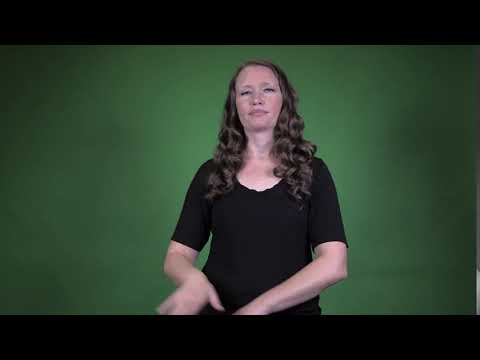
Sign for HAWAII_2 in ASL | ASL Dictionary

Definition: A state of the USA located in the central Pacific Ocean.

Sign for HAWAII_2 in ASL

YouTube player

Practice Activities:

To begin practicing the sign for HAWAII_2 in ASL, start with a mirror exercise. Stand in front of a mirror and practice the sign several times while focusing on handshape, movement, and facial expression. This builds comfort with the specific motion and ensures you’re accurately forming the sign.

Create flashcards with the names of various U.S. states including the sign for HAWAII_2 in ASL. As you flip to each card, sign the state. For more practice, say what’s unique about each location in ASL, like “HAWAII_2 beautiful island,” helping to link the sign to real-world context. Add visual reinforcement by using maps and pointing to Hawaii before signing it.

Use repetition drills where you alternate between the sign for HAWAII_2 in ASL and similar state signs to build muscle memory and reduce confusion. Include both slow-paced and fast-paced variations to help solidify recall and fluency.

Incorporate the sign in simple example sentences such as “I want to visit HAWAII_2,” or “My friend lives in HAWAII_2.” Use these in both expressive (you signing the sentence) and receptive (your partner signs and you interpret) formats. This enhances contextual understanding and prepares you for real-life conversation.

For storytelling activities, describe an imaginary trip using multiple travel-related signs. Start with “I fly to HAWAII_2” and then describe beaches, food, and sightseeing. Practice this short story with a partner or in front of a group for signing confidence.

Role-play with a partner as a travel agent and customer. The travel agent can offer destination options and the customer chooses, frequently incorporating the sign for HAWAII_2 in ASL. This scenario-based practice strengthens both vocabulary and conversational skills.

Cultural Context:

The sign for HAWAII_2 in ASL carries both cultural significance and regional importance. In American Sign Language, signs often reflect cultural elements tied to a location, and HAWAII_2 is one such example. This version of the sign incorporates unique aspects of Hawaiian identity and geography.

The sign for HAWAII_2 in ASL might differ from other signs for Hawaii depending on where and how it’s used. In Deaf communities within Hawaii or among those with strong ties to the islands, this version might be more recognizable or preferred. Regional signs like this showcase the flexibility and diversity within ASL.

Cultural context plays a big role in choosing which version of a sign to use. The sign for HAWAII_2 in ASL often reflects a sense of pride and connection to the land, the people, and the rich heritage of the Hawaiian Islands. When using this sign, it’s helpful to understand the deeper cultural layers it represents.

In conversations about geography, travel, or identity, the sign for HAWAII_2 in ASL helps make communication more authentic and specific. Rather than using a generic sign, this more nuanced version gives recognition to local experiences and cultural backgrounds. It’s especially meaningful when used within the Hawaiian Deaf community.

ASL is more than just a language—it’s a visual expression of culture and identity. The sign for HAWAII_2 in ASL demonstrates how linguistic signs are influenced by regional tendencies and social values. This variation reflects a living language that grows and shifts with its users.

For learners of American Sign Language, understanding variations like the sign for HAWAII_2 in ASL encourages deeper cultural awareness. It emphasizes the need for context when choosing which sign to use in different situations. Exposure to regional diversity in ASL enhances fluency and respect for Deaf communities.

In storytelling or casual conversation, using the sign for HAWAII_2 in ASL adds a layer of authenticity, especially when talking about Hawaiian places, traditions, or family roots. This level of detail in sign choice shows sensitivity to social and cultural distinctions. It also helps foster clearer and more respectful dialogue.

Sign variations like HAWAII_2 can also be seen as a celebration of Deaf cultural resilience. Communities adapt language to fit their identities, and the sign for HAWAII_2 in ASL is an example of that empowerment. It merges visual language with a strong sense of place and heritage.

Emoji use in ASL-related content can further enhance understanding.

Extended Definition:

The sign for HAWAII_2 in ASL offers a clear and culturally significant way to indicate the name of the U.S. state in American Sign Language. This version of the sign differs from other regional or older versions and is commonly taught in ASL classes and used in everyday conversation. It reflects a smoother, more modern adaptation of the geographic name.

To produce the sign for HAWAII_2 in ASL, use a flat handshape, similar to a “B” hand, and make a gentle motion around your face. This motion represents the beautiful, flower-scented leis Hawaii is known for, symbolizing its rich cultural heritage. The sign is fluid and elegant, capturing the tropical aesthetic associated with the islands.

ASL often evolves to reflect usage within the Deaf community, which is why multiple signs can exist for the same concept. With HAWAII_2 in ASL, you’re more likely to see this version in current teaching materials or signed media. It’s important to recognize that context and region may influence which form of a sign is used.

Using the sign for HAWAII_2 in ASL accurately is essential for clear communication. Whether you’re talking about travel, geography, or cultural topics, this polished version helps maintain fluency and mutual understanding. ASL learners should practice frequently to ensure smooth execution of the handshape and motion.

When teaching vocabulary in ASL, geography signs like HAWAII_2 can enrich discussions about different cultures and locations. Teachers might pair this sign with visuals or stories about Hawaiian landmarks, traditions, and history, making the learning process more engaging. Incorporating cultural context helps deepen language comprehension.

Visual memory plays a big role in developing ASL skills. Memorizing the sign for HAWAII_2 in ASL becomes easier when learners connect it to the imagery and feel of Hawaii—lush landscapes, island breezes, and welcoming customs. These associations support faster recall during live conversations.

Video resources and interactive dictionaries are helpful tools when learning the sign for HAWAII_2 in ASL. Watching native or fluent signers demonstrate the sign allows learners to understand the pace and flow of movement. Repetition builds muscle memory and boosts signing confidence.

Like all ASL signs, facial expressions and body posture enhance the meaning behind the sign for HAWAII_2 in ASL. Signing with an open, warm expression complements the graceful motion, reinforcing the positive associations linked to Hawaii. Including appropriate non-manual signals makes communication more

Synonyms: aloha state, hawaiian islands, island paradise, pacific islands, tropical islands

Educational resources: Find related learning materials in our course bank!

Want more? Check out some of our popular learning activities on the homepage!

Need to look up a sign? Use our highly rated dictionary: https://aslinteractive.com/best-asl-dictionary/

Follow us on tiktok: https://www.tiktok.com/@aslinteractive. More social media links at the bottom of this page!

Long-tail Keywords: what is the sign for hawaii in ASL, how do you sign hawaii in American Sign Language, ASL sign for hawaii

Categories:

tags: Hawaii signs, US states in ASL, travel vocabulary in ASL, geography in ASL, state names ASL

Parameters

*Handshape*:

The handshape for the Sign for HAWAII_2 in ASL involves using the open “H” handshape. The hand is held near the chin, and it circles around the mouth area in a graceful motion, mimicking a garland or lei. This sign reflects Hawaiian culture, capturing the spirit of the islands visually.

To correctly perform the Sign for HAWAII_2 in ASL, maintain a relaxed wrist and fluid motion. The “H” handshape stays consistent throughout the movement, clearly identifying the sign while maintaining proper ASL structure.

*Palm Orientation*:

For the sign for HAWAII_2 in ASL, the palm orientation begins with the fingers of the dominant hand forming the letter “H” in ASL. The palm is typically facing forward or slightly outward, depending on regional variations. As the motion moves in a circular path around the lower half of the face, the palm orientation maintains a consistent outward or neutral direction.

The sign for HAWAII_2 in ASL allows for fluid movement while keeping the palm steady, symbolizing a lei around the face. Proper palm orientation ensures the sign is clearly distinguished, contributing to accurate interpretation. ✋

*Location*:

The sign for HAWAII_2 in ASL is made at the side of the face, typically near the cheek or just outside the jawline. The movement involves a circular or semi-circular motion around the cheek area, suggesting a flow or outline that represents the islands.

When demonstrating the sign for HAWAII_2 in ASL, maintain the hand’s movement within the intermediate space to the side of the face. This specific location emphasizes cultural nuance and helps distinguish it from similar signs.

*Movement*:

The sign for HAWAII_2 in ASL involves the dominant hand in the “H” handshape. Start by placing the “H” hand at the corner of the mouth on the dominant side. Move the hand in a small arc away from the face, as if tracing a rainbow from the mouth outward.

The sign for HAWAII_2 in ASL resembles a gesture of something beautiful originating from the mouth, often symbolizing the islands’ elegance or a flower . The motion is smooth and fluid, representing the gentle nature of the islands.

*Non-Manual Signals*:

When performing the sign for HAWAII_2 in ASL, the facial expression should remain relaxed with a slight smile to reflect a positive or neutral tone, aligning with the cultural and vacation-related context of the sign. Eyebrows are in a neutral position, and the eyes should follow the hand’s movement slightly, showing engagement.

The sign for HAWAII_2 in ASL usually conveys a sense of place or identity, so minimal head movement and a calm expression help emphasize clarity. Avoid dramatic facial expressions, as they might confuse the message or shift the meaning unintentionally.

*Prosody, Dominant/Non-Dominant Hand*:

The sign for HAWAII_2 in ASL uses the dominant hand in an “H” handshape. Starting near the mouth, the “H” hand circles the face in a small clockwise motion, symbolizing the beauty of the islands . The non-dominant hand does not participate in this version of the sign.

This version of the sign for HAWAII_2 in ASL emphasizes elegance and is commonly used across various signing communities. Make sure your facial expression reflects peacefulness or ease, aligning with the cultural feeling of Hawaii.

Tips for Beginners:

When learning the sign for HAWAII_2 in ASL, it’s important to pay attention to the facial expression that matches the cultural and emotional feel of the place. This version of the sign typically involves using the dominant hand in an “H” handshape and making a circular motion near the face, similar to how one might suggest beauty or allure—which fits Hawaii’s appeal . Keep your motion smooth and somewhat relaxed, avoiding rigid or robotic movements.

Beginners should take care to make the “H” handshape clearly and accurately. One mistake beginners often make is forming a letter that’s closer to a “U” than an “H,” which can cause confusion. Practicing the handshape in front of a mirror can be a great way to check for accuracy. Also, be sure to keep your hand in the correct spatial location near your face without drifting too far out or down.

The sign for HAWAII_2 in ASL carries a graceful movement, which implies positive connotations. Don’t forget the importance of non-manual signals like a light smile or relaxed features when making this sign—they help to convey the spirit of the word and ensure that it’s recognized as the location. ️

Repetition is key when learning the sign for HAWAII_2 in ASL. Practice signing in front of a peer or recording yourself to spot areas for improvement. You may also notice this sign being used in different regional variations, so it’s helpful to expose yourself to signing communities online or in person to understand how it may vary slightly without losing its core meaning.

Lastly, make sure to differentiate HAWAII_2 from more literal signs for islands or geographic references. The nuance in the sign for HAWAII_2 in ASL reflects a specific cultural and linguistic choice, so stay attentive to that context as you continue learning.

Connections to Other topics:

The sign for HAWAII_2 in ASL is connected to a broader category of location-based signs in American Sign Language. These signs often incorporate either iconic elements representative of the region or follow a pattern that emphasizes geography or cultural relevance. In the case of HAWAII_2, the sign commonly uses a circling motion around the face or follows the shape of a lei, linking it visually and conceptually to the identity and cultural symbols of the islands, such as leis and tropical beauty .

This version of the sign for HAWAII_2 in ASL shares similarities with other state and country signs that make use of body space or specific hand movements to reflect notable characteristics. For example, the sign for ALASKA involves outlining the top of the head like a fur hood, which reflects the colder environment, just as HAWAII_2 reflects the warmth and floral richness. Understanding this helps learners identify patterns and semiotic principles across geography-oriented signs.

The sign also interacts well with compound signs, such as combining it with TOURIST, VACATION, or TRAVEL to expand communication about visiting Hawaii. For instance, using signs like GO, HAWAII_2, and TRAVEL in sequence creates a clear and visual sentence structure in ASL. These combinations boost fluency and help learners think in ASL rather than translating from English.

It’s also worth noting that the sign for HAWAII_2 in ASL may vary regionally or by cultural influence, encouraging users to be open to variations in signing communities. Comparing it with alternatives like HAWAII_1 can also enhance recognition of regional and stylistic choices. Being mindful of these differences fosters adaptability and respect within the Deaf community while expanding one’s expressive toolkit .

Summary:

The sign for HAWAII_2 in ASL starts with the dominant hand forming the letter “H”, palm facing the body, and then performing a small circular motion near the mouth or cheek area, typically in a graceful arch. This motion mimics a lei being placed or worn, visually representing an iconic cultural symbol of Hawaiian identity .

This version of the sign is visually expressive and offers a symbolic reference to Hawaiian culture, using the elegant movement of the “H” handshape to refer not only to the location but also to the cultural ambiance and greeting traditions. It evokes the laid-back and lush spirit associated with the islands.

The circular motion of the “H” handshape can be seen as a visual metaphor, connecting to the circular nature of hospitality in Hawaiian culture. It depicts friendliness and the sense of welcome that the islands are known for, extending beyond geographical reference to cultural expression.

Grammatically, the sign for HAWAII_2 in ASL functions most commonly as a proper noun and is generally used to refer to the U.S. state. It appears in sentences that pertain to location, travel, residence, identity, or cultural discussion, seamlessly adapting to both formal and informal signing registers.

In casual usage, the sign can be modified through non-manual markers such as facial expressions to convey a sense of nostalgia, excitement, or inquiry about the place. For example, leaning forward slightly while signing may suggest personal interest or experience regarding Hawaii.

Compared to other signs for Hawaii, the sign for HAWAII_2 in ASL stands out for its fluidity and cultural layering. It avoids fingerspelling, enhancing efficiency and incorporating iconic representation—a key aspect of ASL’s visual-spatial nature.

The alternative version, which is fingerspelled, may be preferred in academic contexts or when clarity is paramount, especially when differentiating between similar geographic labels. However, the sign for HAWAII_2 in ASL is better suited for everyday conversation and culturally rich storytelling.

The use of the initial “H” handshape in this sign follows a common ASL strategy of using initialized signs to encode proper nouns. This method ensures clarity while maintaining a degree of linguistic economy. It’s part of a broader class of signs that employ the first letter of a location for identification.

Cultural identity plays a vital role in sign formation, and in the case of the sign for HAWAII_2 in ASL, the gesture carries visible cues about the location’s traditions, notably the lei—a welcome symbol significant in both native Hawaiian practices and widespread tourism lore.

This layered meaning adds affective depth to the sign, making it more than a geographical label. It becomes a miniature performance of cultural memory and social interaction, encapsulated in a brief but rich motion.

The sign for HAWAII_2 in ASL is often accompanied by non-manual signals such as a relaxed facial expression or a slight smile, reflecting the signer’s positive or wistful associations with the location. These cues add an emotional layer to the descriptive content.

From a linguistic perspective, the sign reflects the broader ASL principle of compounding gestures and mouth morphemes to build semantic fields. The “H” hand moves in a path that enriches meaning beyond what a static gesture could achieve.

In teaching settings, the sign for HAWAII_2 in ASL offers an excellent example of how ASL incorporates both morphology and iconography. It allows language learners to see how handshape, movement, and cultural references can coalesce into a meaningful sign.

Related signs include those for other U.S. states that also use initialized handshapes with symbolic references, such as TEXAS, which uses a “T” in a cross-like motion, indicating a blend of cultural and linguistic representation prevalent in state signs.

The elegance of the sign for HAWAII_2 in ASL also offers insight into the aesthetics of sign language. The circular movement has a gentle flow, making it one of the more graceful signs in the ASL lexicon and popular among signers for its expressiveness.

Applied linguistics sees the sign for HAWAII_2 in ASL as a marker of sociolinguistic adaptation. It demonstrates how signs evolve from community norms, cultural exposure, and engagement with mainstream ideas of identity and representation.

In Deaf community spaces, this sign is often used not just to indicate destination or origin, but also as part of social narrative. For instance, a signer might use it to describe shared vacations, relatives living in Oahu, or the popularity of Hawaiian-themed events .

Lexical variation in ASL reflects regional differences, and while the sign for HAWAII_2 in ASL enjoys widespread usage, some areas may still rely on fingerspelling or on slightly different movements, illustrating the flexible, community-driven nature of ASL lexicon development.

Socioculturally, the gesture ties into the image construction of Hawaii in Deaf spaces, encompassing more than just

Want more? Check out some of our popular learning activities!

ASL Interactive Resources

ASLInteractive YouTube Channel

Follow us on tiktok: @aslinteractive.com

Follow us on Instagram: aslinteractive

Facebook page: aslinteractive

Facebook group: aslinteractive

LInkedIn: ASL Interactive LLC

Twitter: @ASL_interactive

*Some information on this page is AI-generated. AI can make mistakes. Please check the information.


Responses