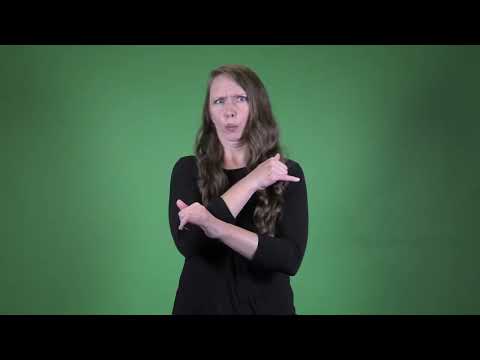
Definition: An expression of surprise or amazement.
Sign for HOLY COW in ASL
Practice Activities:
To begin practicing the sign for HOLY COW in ASL, start by signing it in isolation multiple times while looking in a mirror. Focus on facial expressions since this is an expressive idiom showing surprise or amazement. Try saying different intonations of “holy cow” in your head and match your signing with each emotional nuance.
Next, transition into short situational contexts. For example, react to a pretend scenario such as seeing a celebrity, watching an amazing sports play, or hearing unexpected news. Say the sign for HOLY COW in ASL, and follow it with a short explanation using basic ASL phrases like “WOW,” “I SEE,” or “SURPRISE ME.”
Create five simple sentences involving surprise, and insert the sign for HOLY COW in ASL at the beginning. Example sentences might be: “HOLY COW, YOU WIN!”, “HOLY COW, BIG HOUSE!”, or “HOLY COW, RAIN AGAIN?” Use these for fluency practice and combine them with a surprised facial expression.
Work with a partner to create surprise-based dialogues. One person will say a surprising event like winning the lottery or breaking a world record, and the other will respond using the sign for HOLY COW in ASL. Switch roles and repeat with different scenarios.
Invite learners to tell a short story or sequence in ASL where unexpected things happen. This could be a funny event, an accident, or a jump scare. Incorporate the sign for HOLY COW in ASL at the moment of surprise. This helps build expressive skills and engages grammar learning with idiomatic signs.
Record yourself signing and review to check clarity, speed, and facial expression. Try watching videos where deaf signers use expressive idioms and identify when and how they use the sign for HOLY COW in ASL. Mimic their style to develop natural flow and deepen comprehension.
Cultural Context:
The phrase sign for HOLY COW in ASL is a fun and expressive sign that reflects part of American pop culture. While not a religious phrase, it is used to convey surprise, excitement, or shock in a lighthearted or exaggerated way. Because of how visual and animated American Sign Language is, phrases like this bring added emotion and depth to communication.
In spoken English, people often say holy cow when reacting to something unexpected. The ASL sign for HOLY COW captures that same surprise but with gestures instead of words. Deaf and signing communities often adapt creative expressions like this to maintain cultural relevance and share humor within the language.
The sign for HOLY COW in ASL is not a direct translation but a concept built with facial expressions and signs that convey strong emotion. Users commonly combine signs like holy with cow, exaggerated body language, and raised eyebrows to show disbelief or amazement. Because ASL is not a word-for-word translation of English, the context and emotion drive how the sign is presented.
Understanding the sign for HOLY COW in ASL helps highlight the dynamic and living nature of the language. It shows how Deaf culture embraces phrases from hearing communities while adding its unique twist. Since ASL relies heavily on visual cues, expressions of shock or awe are often exaggerated for full impact.
This phrase is frequently used in casual, informal signing scenarios. Whether reacting to a shocking event, a big surprise, or exciting news, the sign for HOLY COW in ASL can fit many situations. Students learning ASL often enjoy learning this phrase because it’s memorable and expressive.
The cultural significance of the sign for HOLY COW in ASL also underscores the creativity within the Deaf community. Phrases popular in mainstream speech find a new form in ASL, where language grows through shared cultural experiences and humor. Understanding this helps learners connect more deeply with the language and those who use it daily.
When teaching or learning ASL, including playful and idiomatic expressions like the sign for HOLY COW in ASL can keep students engaged. It opens doors to talking about how Deaf culture borrows and adapts concepts from English while adding signature flair. This also supports more natural and relatable conversations.
The popularity of the sign for HOLY COW in ASL also appears in social media ASL content and viral videos. Creators enjoy using expressive phrases like this to capture attention, making it a common example for those just starting to explore sign language. It remains one of the
Extended Definition:
The sign for holy cow in ASL is a playful and expressive idiom often used to communicate surprise, amazement, or disbelief. In spoken English, this phrase is commonly used in casual conversations, and American Sign Language has a fun way to represent it visually.
To sign holy cow in ASL, the concept is usually broken down into a two-part expression. The sign HOLY is shown first, followed by a creative or mimed representation of a cow. Since idioms like these are not always signed literally, ASL users often rely on facial expressions and body language to fully convey the emotion behind the words.
The sign HOLY involves both hands, where one hand brushes the palm of the other in a motion associated with sacredness or purity. Following that, the sign for COW typically uses the ‘Y’ handshape placed at the side of the forehead, mimicking the horns of a cow. For this idiom, some ASL users may exaggerate or add a surprised expression to enhance the meaning.
ASL is a dynamic language that often adjusts signs based on context and intent. The sign for holy cow in ASL can vary depending on how shocked or enthusiastic the speaker feels. This flexibility makes ASL rich in visual storytelling, and idiomatic phrases are a great example of this.
Younger signers and those raised in Deaf culture might add extra flair to the sign by emphasizing the motion or combining HOLY with a more playful version of COW. Sometimes, a signer might mouth the words or add gestures that match their tone to show exaggerated surprise. This fully embodies the excitement or disbelief one might feel in surprising scenarios.
The phrase holy cow doesn’t have a direct literal equivalent in ASL, so it’s interpreted conceptually. Learning how to sign idioms like this deepens understanding of both language and Deaf culture. It also helps bridge gaps between English expressions and ASL’s visual grammar.
Use of the sign for holy cow in ASL might come up in conversations about sports, shocking news, or exciting events. It’s a great phrase for learners to explore since it combines vocabulary with expression practice. Incorporating idioms can also help in natural, fluent ASL communication.
When practicing the sign for holy cow in ASL, pay attention to your facial expression as well as your hand movements. Surprise or wide-eyed excitement adds clarity to your message. As with many idioms, the emotional tone plays a big role in how the sign is received.
ASL users
Synonyms: wow, unbelievable, amazing, incredible, oh my
Educational resources: Find related learning materials in our course bank!
Want more? Check out some of our popular learning activities on the homepage!
Need to look up a sign? Use our highly rated dictionary: https://aslinteractive.com/best-asl-dictionary/
Follow us on tiktok: https://www.tiktok.com/@aslinteractive. More social media links at the bottom of this page!
Long-tail Keywords: what is the sign for holy cow in ASL, how do you sign holy cow in ASL, ASL sign for holy cow
Categories:
tags: religious signs, expressions in ASL, idiomatic phrases in ASL, ASL vocabulary, visual language
Parameters
*Handshape*:
The handshape for the sign for HOLY COW in ASL typically involves two separate signs: one for “holy” and one for “cow.” For “holy,” the dominant hand forms a flat “H” handshape and brushes across the non-dominant flat palm. The “H” represents the concept of sacred or blessed in this context.
For “cow,” the dominant hand forms a “Y” handshape with the thumb and pinky extended, placed at the temple, mimicking cow horns . When combined expressively, the sign for HOLY COW in ASL becomes a playful or surprised exclamation. The use of structured yet exaggerated facial expressions enhances the overall meaning.
*Palm Orientation*:
For the sign for HOLY COW in ASL, start with the dominant hand in a flat “B” handshape, palm facing down, sliding over the top of the nondominant “S” hand which is stationary and palm down. Then transition into the sign for “cow,” using a “Y” handshape at the side of the forehead, palm facing forward and thumb touching the temple.
This expressive sign combines elements of the concept “holy” and “cow,” often used to show surprise or amazement. The palm orientation transitions throughout the sign for HOLY COW in ASL, aligning with the meaning conveyed by each part of the phrase.
*Location*:
The sign for HOLY COW in ASL typically takes place in the neutral space in front of the upper torso, slightly away from the body. The area used is generally mid to upper chest level, allowing room for expressive gestures that convey surprise or emphasis, which is common when signing idiomatic expressions like this one.
Facial expressions and body language also play an important role in the sign for HOLY COW in ASL, as the phrase is often used to express amazement or disbelief. Make sure the location allows enough visibility for both the hand movement and corresponding exaggerated facial expression.
*Movement*:
To perform the sign for HOLY COW in ASL, start with your dominant hand in the shape of the letter “H”. Brush it lightly across the flat palm of your non-dominant hand, symbolizing “holy”. Then transition into the sign for “cow” by placing the “Y” handshape up to your forehead, rotating the wrist slightly forward (like mimicking a cow horn).
The movement combines both signs in a smooth sequence, conveying a humorous or surprised expression. This idiomatic sign for HOLY COW in ASL is often accompanied by exaggerated facial expressions for emphasis.
*Non-Manual Signals*:
For the sign for HOLY COW in ASL, the non-manual signals typically involve a surprised or exaggerated facial expression. Raise your eyebrows, open your eyes wide, and drop your jaw slightly as if reacting to something shocking or unbelievable .
A slight head shake or head tilt may accompany the expression to further show astonishment or disbelief. These non-manual markers help convey the expressive nature of the sign for HOLY COW in ASL.
*Prosody, Dominant/Non-Dominant Hand*:
The sign for HOLY COW in ASL is often expressive and idiomatic. It typically combines the sign for HOLY followed by an exaggerated facial expression or gesture indicating surprise, such as wide eyes or a mouth-open reaction. The dominant hand may form the sign for HOLY with a movement representing something being sacred or pure, followed by an expressive gesture symbolizing shock or amazement.
In the sign for HOLY COW in ASL, the non-dominant hand usually acts as a base or remains neutral while the dominant hand does most of the work. This playful idiom heavily relies on facial grammar and body language to convey its emotional surprise . The sign for HOLY COW in ASL is a great example of how expressive ASL can be with both hands and face.
Tips for Beginners:
The sign for HOLY COW in ASL is considered a humorous or expressive idiom rather than a literal phrase, so it’s typically conveyed using a combination of facial expression and exaggerated body language rather than having a fixed, specific sign. Beginners should understand that deaf culture values facial expressions as a core part of communication, so when you’re signing the sign for HOLY COW in ASL, be sure to use a surprised or shocked look to match the emotion behind the phrase.
To produce the sign effectively, most signers fingerspell H-O-L-Y and then add the sign for COW, which involves forming a “Y” handshape with the thumb and pinky extended and placing it near the temple, flicking the wrist downward slightly. Don’t rush the fingerspelling—clarity is more important than speed, especially for new learners. Pause slightly between the two words to emphasize that HOLY and COW are part of one expressive idea.
A major tip is to practice fingerspelling HOLY in front of a mirror so you can see if your handshapes and movements are clean and visible. One common mistake is letting your hand move too much or muddling finger transitions, causing confusion for viewers. In a casual or animated context, experienced signers may even just use an expressive face and mouth the phrase, reinforcing that the sign for HOLY COW in ASL relies heavily on the communicator’s tone and emotion.
If you’re unsure whether to use the full fingerspelled or interpreted version, watch how deaf individuals express disbelief or surprise—they’re great models. It’s also perfectly okay in fluent ASL conversation to adapt the expression to something more culturally relevant, like WOW or REALLY?!, depending on context. Still, learning the sign for HOLY COW in ASL will help you understand idiomatic language when interacting with the Deaf community.
Connections to Other topics:
The sign for HOLY COW in ASL typically reflects a blend of facial expression and gestures to convey amazement or surprise, paralleling how the phrase is used idiomatically in English. This sign links closely to the broader category of expressive idioms in ASL that combine clarity in gesture with a heavy reliance on facial grammar. Similar idiomatic expressions, like WOW or OH MY GOSH, use exaggerated facial expressions, which help provide cultural context and emotion behind the sign.
In terms of structure, the sign for HOLY COW in ASL may be interpreted as a combination of signs like HOLY and COW or as a standalone idiom represented with expressive body language and facial expression. This is not uncommon in ASL, where phrases are sometimes transliterated instead of translated directly. This connection highlights a key concept in ASL: many expressions are not literal but rather contextual and emotive in their execution.
Another connection is the use of fingerspelling in cases where standardized signs are unclear or regional variations exist. Some regions might fingerspell C-O-W with a holy or surprised facial expression to get the message across, linking the sign for HOLY COW in ASL to broader fingerspelling practices that fill lexical gaps. This adaptability shows the richness of ASL as a living, evolving language.
The sign for HOLY COW in ASL also shares characteristics with slang or expressive exclamations such as GOOD GRIEF, OH WOW, or NO WAY. Each of these relies more on the overall delivery—especially non-manual markers—than on specific hand configurations. The connection here demonstrates how understanding idiomatic ASL involves mastering both vocabulary and the subtleties of expression. These signs offer excellent teaching tools for emphasizing the importance of facial communication in ASL fluency .
Summary:
The sign for HOLY COW in ASL is a playful and expressive idiomatic phrase. Unlike more straightforward vocabulary, this sign is geared toward conveying surprise or amazement. It is commonly used in conversational ASL to reflect an emotional reaction.
To sign HOLY COW in ASL, users typically combine two different signs. First, the sign for HOLY is made by brushing the dominant hand—the H handshape—across the palm of the non-dominant hand, followed by forming both hands into Y handshapes and mimicking the horns of a cow. This iconicized cow representation ties the concept of “cow” to the exclamatory gesture.
It’s important to understand that the sign for HOLY COW in ASL doesn’t translate directly from English. It’s part of a broader collection of idiomatic expressions that rely on cultural interpretation and situational use. ASL users may also substitute this phrase with more context-specific exclamations.
The sign relies heavily on facial expressions. Raised eyebrows, wide eyes, and a dramatic shift in body posture enhance the delivery of the sign. These non-manual markers are vital for showcasing the emotional tone that HOLY COW often conveys.
HOLY COW in ASL is often used similarly to “Wow!” or “No way!” in English. Its presence in ASL reflects the influence of English idioms within deaf culture, while still adapting to visual-manual language principles. This adaptation is an example of code-blending—where language users mix gestures and grammatical structures from differing language systems.
The phrase itself doesn’t carry religious weight in ASL, although the word “holy” in isolation may have spiritual connotations. In the case of HOLY COW, its use is secular, humorous, and widely accepted among both native signers and learners. The semantic elements focus more on surprise than sanctity.
In linguistic terms, the sign for HOLY COW in ASL is an example of a compound sign. It blends two individual signs into one coherent unit that takes on idiomatic meaning. This mirrors how English compounds like “butterfly” or “update” take on new significance when words are joined.
Variation among regional dialects is possible. Some signers may choose to fingerspell HOLY COW for emphasis or as a stylistic choice. Others may use similar idioms that reflect shock or disbelief, especially in storytelling or dramatic retellings.
The humor embedded in the sign for HOLY COW in ASL also highlights the creative nature of ASL. It demonstrates that ASL is more than just a translation tool—it’s a vibrant, dynamic language with its own slang and idiomatic nuances. The sign can shift in intensity depending on how playfully or dramatically it is performed.
Semantic shift is evident in the sign’s development. While HOLY and COW individually maintain separate meanings, their juxtaposition creates an entirely new concept. This compound shows how ASL develops idiomatic phrases through cultural contact and visual metaphor.
Handshape plays a major role in the sign for HOLY COW in ASL. The initial H handshape for HOLY and the Y handshapes for COW build a study in contrast and phonological articulation. These specific choices contribute to lexical recognition by fluent users.
Classifiers are not directly used in this sign, but the iconographic use of Y handshapes for COW mimics the shape of horns and cows’ characteristic features. This kind of iconicity is common in ASL. It makes the visual storytelling element of signing stronger and more relatable.
Context determines whether it’s appropriate to use the sign for HOLY COW in ASL. It tends to be used in informal settings, especially in emotional or lighthearted conversation. Formal ASL interpretations may choose more neutral expressions unless the intent is dramatic or humorous.
ASL grammar does not require English word order. The sign for HOLY COW in ASL is usually performed as a single expressive unit. It is not necessary to follow subject-verb-object structure when using exclamatory comments like this one.
This phrase provides a clear example for students of ASL to understand pragmatic use. It’s an ideal teaching point for showing how expressive body language augments linguistic meaning. HOLY COW also provides insight into the sociolinguistics of the Deaf community.
Cultural bridges like this sign demonstrate the fluid boundaries between ASL and idiomatic English. Deaf signers adapt idioms in ways that preserve intent while reforming expression visually. This phenomenon contributes to bilingualism and bicultural fluency.
Gesture study and multimodal communication research also benefit from examining the sign for HOLY COW in ASL. It illustrates how gestures, facial expression, and language rhythm combine to achieve nuanced meaning. It also reflects cross-linguistic patterning of idioms.
Language change is evident in signs like this one. As influence from mainstream English idioms increases, so does innovation in ASL informal registers. Sign for HOL
Want more? Check out some of our popular learning activities!
ASL Interactive Resources
ASLInteractive YouTube Channel
Follow us on tiktok: @aslinteractive.com
Follow us on Instagram: aslinteractive
Facebook page: aslinteractive
Facebook group: aslinteractive
LInkedIn: ASL Interactive LLC
Twitter: @ASL_interactive
*Some information on this page is AI-generated. AI can make mistakes. Please check the information.


Responses