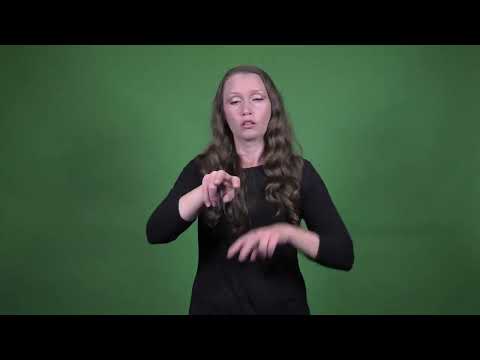
Sign for HORSE BUCKING in ASL | ASL Dictionary

Definition: A horse that is kicking its back legs up into the air.

Sign for HORSE BUCKING in ASL

YouTube player

Practice Activities:

To practice the sign for HORSE BUCKING in ASL, begin by isolating the sign. Stand in front of a mirror and repeat the movement to refine handshape, motion, and facial expression. Pay attention to how energy and movement change when conveying a horse throwing its rider.

Next, describe a scenario using the sign for HORSE BUCKING in ASL. For example, sign a sentence like: MY UNCLE TRY RIDE HORSE, HORSE BUCKING, HE FALL. This connects the idea with real-life experiences. Practice creating 3-5 sentences that describe different situations where a horse might buck, such as in a rodeo or trail ride.

Use storytelling to enrich your use of the sign. Create a fictional narrative about a cowboy trying to tame a wild horse. Describe how the horse starts calmly but suddenly begins bucking. Include signs like SCARED, FALL, TRY, and CONTROL to add depth. This helps reinforce expressive skills and improve transition between concepts.

Partner activities also help reinforce comprehension. Take turns acting out different scenes involving animals, and your partner will identify the signs used. Focus specifically on noticing when your partner signs for HORSE BUCKING in ASL. This practice sharpens perception and receptive skills while reinforcing expressive clarity.

Watch videos of people signing about horses or rodeos. Try to spot when the sign for HORSE BUCKING in ASL is used and pause to mimic it. Doing this builds familiarity and improves fluency.

Lastly, incorporate the sign into a themed vocabulary drill. Choose related signs like HORSE, RIDE, FALL, COWBOY, and DANGER. String them together into practice sentences. Reinforcing these terms with the sign for HORSE BUCKING in ASL helps connect the concept with broader storytelling topics and common ASL themes.

Cultural Context:

In Deaf culture, the ability to express dynamic physical actions visually is crucial for conveying meaning with clarity and emotion. The sign for HORSE BUCKING in ASL captures not just the motion but also the intensity and energy of a horse acting up. This form of expression is important in storytelling, especially when describing events involving animals or farm life.

American Sign Language often relies on classifiers and descriptive movement to illustrate actions that are visually complex. The sign for HORSE BUCKING in ASL uses handshape, body movement, and facial expressions to imitate the force and rhythm of a bucking horse. It brings a vivid image to the conversation, helping the viewer or listener visualize the entire scene unfolding.

In rural and farm-based Deaf communities, the sign for HORSE BUCKING in ASL may be a commonly used term. Whether discussing horseback riding, rodeos, or just everyday chores, bucking horses are part of a lived experience that must be expressible in sign. Signing this effectively is important for communication, accuracy, and cultural storytelling.

ASL users often personalize signs with their regional or community-based variations. Still, the sign for HORSE BUCKING in ASL often shares foundational features that allow fluent signers to understand what is being depicted. This uniqueness in representation strengthens identity and connection within the Deaf community.

Visual storytelling plays a major role in ASL-rich narratives, and animal actions are popular themes in these stories. The sign for HORSE BUCKING in ASL helps tell tales with humor, drama, or intensity, depending on the storyteller’s intent. This encourages creativity and engagement in diverse settings, from classrooms to social gatherings.

In Deaf education, teachers use signs like HORSE BUCKING in ASL to help students connect language to real-world experiences. By integrating body movement with concept-based learning, the sign brings physical understanding to language development. This enhances vocabulary and comprehension in learners of all ages.

Interpreters working in ASL settings, such as rodeos, animal shows, or educational videos, need accurate and expressive signs for terms like HORSE BUCKING. It’s not enough to provide a simple translation; conveying action and emotion is essential for full interpretation. Signs like this make a major impact in ensuring inclusive access.

The sign for HORSE BUCKING in ASL is also commonly used in ASL poetry and performance art. Its animated and physical nature makes it perfect for use in visually engaging pieces shared on social media or in live performances. The

Extended Definition:

The sign for horse bucking in ASL is a specific gesture used to describe the unique motion of a horse rearing or kicking its hind legs. This visual concept captures the dynamic action of a horse that suddenly jumps or jerks upward, often in response to discomfort or excitement. The sign blends elements from the signs for horse and jump or kick, depending on the context.

To make the sign for horse bucking in ASL, you typically start with the dominant hand in the sign for horse—placing the thumb on the side of the head near the temple with two fingers extended and bent to represent ears. From there, you add movement that mimics the kicking or bucking action—an upward or backward motion with the hand or body that reflects the sudden, forceful behavior horses display. Facial expressions are essential in conveying the energy and unpredictability of the bucking motion .

This sign is most commonly used in conversations that involve descriptions of horseback riding, rodeos, wild animals, or storytelling. When describing events where someone was thrown off a horse or discussing how a horse reacted in a particular moment, the sign for horse bucking in ASL allows a clear and vivid portrayal. The visual nature of ASL makes it ideal for showing such animated actions in real-time.

Depending on regional variation or personal style, some signers may use different gestures to elaborate on the horse’s behavior. For instance, repeating the bucking motion or incorporating a larger body movement can add emphasis. The same base sign can be adapted for both casual conversation and more formal interpretation by modifying speed and intensity.

Understanding the sign for horse bucking in ASL requires familiarity with classifier use. Classifiers can show the horse itself, its movement, and how a rider might be affected during the bucking. For example, a signer might use a classifier to show someone being thrown from the horse, adding realism to a story or account. This flexibility in expression makes the sign highly useful in both educational and expressive settings.

In storytelling, the sign for horse bucking in ASL is especially powerful. Deaf performers and storytellers often use it to create exciting scenes involving danger, surprise, and emotion. The rich visual elements help the audience feel the unpredictability and strength of the animal. The sign can also symbolize emotion or struggle metaphorically, showing inner turmoil or chaos.

Children learning animal signs in ASL also enjoy this sign because of its animated nature. It teaches them not just vocabulary, but how movement and facial

Synonyms: rearing, kicking, throwing off, jolting, leaping

Educational resources: Find related learning materials in our course bank!

Want more? Check out some of our popular learning activities on the homepage!

Need to look up a sign? Use our highly rated dictionary: https://aslinteractive.com/best-asl-dictionary/

Follow us on tiktok: https://www.tiktok.com/@aslinteractive. More social media links at the bottom of this page!

Long-tail Keywords: what is the sign for horse bucking in ASL, how do you sign horse bucking in ASL, ASL sign for horse bucking

Categories:

tags: horse signs, animal signs, ASL verbs, action signs, American Sign Language animals

Parameters

*Handshape*:

The handshape for the Sign for HORSE BUCKING in ASL begins with the dominant hand in an “H” handshape, resembling a horse’s ears. The thumb may lightly rest against the side of the head near the temple to indicate the horse’s head or personality.

To show the motion of bucking, alternate flexing motions can be added using bent “V” or “H” handshapes to mimic the kicking back of legs. This combination enhances the visual of the Sign for HORSE BUCKING in ASL . The shifting motion and expressive use of the handshape give the sign its dynamic, action-oriented feel.

*Palm Orientation*:

In the sign for HORSE BUCKING in ASL, the dominant hand usually forms the “U” handshape, and the palm is oriented inward toward the side of the head to start. When transitioning into the bucking motion, the palm remains inward but angles slightly downward as the hand flicks away from the body to show movement.

This movement imitates a horse’s bucking action. The non-dominant hand may remain at the side or mimic support depending on the version of the sign for HORSE BUCKING in ASL .

*Location*:

The sign for HORSE BUCKING in ASL is produced in the neutral space in front of the torso, slightly forward from the chest. It typically starts at mid-chest level and moves outward and slightly upward, using both hands to mimic the motion of a horse kicking up its back legs.

This location allows clear visibility and dynamic movement, which is important for conveying the energy of the sign for HORSE BUCKING in ASL . The position also keeps the sign within the viewer’s line of sight, ensuring clarity and expressiveness.

*Movement*:

To show the sign for HORSE BUCKING in ASL, start with your dominant hand in the “U” handshape and place it near your temple, like the standard sign for “horse.” Then quickly move the hand up and down in short, repeated motions, mimicking a horse’s head throwing back as it bucks.

Add a bouncing motion with your non-dominant hand in a bent “V” handshape to represent the bucking legs of a horse. This enhances the visual imagery, fully capturing the Sign for HORSE BUCKING in ASL . The exaggerated movement helps convey that the horse is actively resisting or throwing off a rider.

*Non-Manual Signals*:

The non-manual signals for the sign for HORSE BUCKING in ASL include raised eyebrows to emphasize surprise or intensity, along with an open mouth as if reacting to sudden movement or impact. A quick head raise or slight jerk backward can add to the visual effect of a horse bucking.

Use a more animated expression to indicate the unpredictability or wild nature suggested by the sign for HORSE BUCKING in ASL. Leaning back slightly or using widened eyes will help match the physical action being described.

*Prosody, Dominant/Non-Dominant Hand*:

The dominant hand forms the “U” handshape, placed near the side of the head, mimicking a horse’s ear for the sign HORSE. The non-dominant hand is not used during this part. For the bucking action, both hands (often in loose “S” or bent “V” shapes) move alternately up and down while pulling slightly backward, visually representing a horse bucking wildly.

The sign for HORSE BUCKING in ASL combines the initial HORSE sign, followed by dynamic, bouncy movements to illustrate the sudden and forceful jerking of a bucking motion . This prosodic movement helps convey the energy and unpredictability of a real horse bucking. The sign for HORSE BUCKING in ASL allows for expressive storytelling in visual-spatial grammar.

Tips for Beginners:

When practicing the sign for HORSE BUCKING in ASL, it’s essential to first understand the foundational sign for HORSE. Start by placing your dominant hand in the “U” handshape and positioning it at the side of your head near your temple, with the palm facing backward. From there, flick your two fingers up and down, mimicking a horse’s ear flicking. Once you’re comfortable with the base sign, you can incorporate a bouncing or jerking motion using both arms to indicate the concept of bucking. This mimics the movement of a horse throwing its front legs up and back legs off the ground.

One major tip for learning the sign for HORSE BUCKING in ASL is to put emotion and context into it. Since bucking is a sudden and somewhat chaotic movement, your body language should reflect that energy. It helps to include facial expressions that show struggle or force. Think about acting out the sign so it truly resembles a horse’s wild behavior—this adds clarity and impact.

Avoid robotic or overly stiff movements. A common mistake beginners make is either overdoing the “buck” motion or not differentiating it from galloping or jumping. Keep the motion sharp, intentional, and not too big, or it can lose its readability.

Practice in front of a mirror to get the rhythm and position right. Watch videos of fluent signers performing similar action verbs to see how motion integrates with grammar. Repetition is key, but always focus on quality over speed. The sign for HORSE BUCKING in ASL requires coordination, so take your time mastering each part before putting them together.

Finally, remember that ASL is a visual language, and descriptive signs like this one depend heavily on how well you can embody the movement. Practice with native signers whenever possible to improve fluidity and confidence.

Connections to Other topics:

The sign for HORSE BUCKING in ASL connects closely with foundational action-based signs such as HORSE, JUMP, and THROW. It often builds off the sign for HORSE, adding dynamic body motion or directional elements to convey the sudden, upward jerking movement. This layered representation supports visual storytelling, which is a significant component of ASL grammar and expression.

HORSE BUCKING can be contextually linked with signs that represent other animal behaviors or movements, such as RUN, GALLOP, or KICK. These signs help describe scenes involving animals in motion, especially in narratives, performance, or interpreting for events like rodeos or western-themed storytelling. Such connections demonstrate how motion and classifier use are vital for conceptual accuracy in ASL.

Compound signs derived from action plus animal classifiers are common when describing scenes involving multiple animals or behaviors. For example, combining the classifier for a four-legged animal with a verb like BUCK or JUMP creates dynamic expressions suitable for visual narration. When telling a story, one might describe a cowboy falling by combining the sign for HORSE BUCKING in ASL with FALL-OFF or LOSE BALANCE.

The sign for HORSE BUCKING in ASL also highlights the importance of spatial referencing and role-shifting, which are key discourse features in ASL storytelling. Changing facial expressions and shifting body position can indicate the perspective of the horse or rider, enhancing storytelling clarity. This use of space ties into broader signing topics like narrative structure, depicting verbs, and classifier agreement.

Learners can also relate HORSE BUCKING to other culturally specific signs, like those involving rodeos, ranching, or cowboy themes. These contextual associations make the sign versatile, not just for literal description but also for metaphorical or idiomatic expressions. ASL often leverages vivid movement to create meaningful, layered communication, and this sign is a prime example.

Summary:

The sign for HORSE BUCKING in ASL combines the base sign for HORSE with body movement and additional gestures to indicate sudden, sharp motion. Start by making the HORSE sign: dominant hand in an “H” handshape, palm facing backward with the thumb touching the side of the head just above the temple. Flick the two fingers forward quickly to mimic horse ears.

To transform this into the sign for HORSE BUCKING in ASL, incorporate dynamic up-and-down bouncing of the non-dominant arm or both arms. Often, the signer uses full-body involvement to simulate a horse forcefully kicking its rear legs into the air. The suddenness and vertical motion are key features of the distinguishing element.

Facial expression plays a strong role in conveying the energy and wildness of bucking. The eyebrows may be raised or eyes slightly squinted to match the intensity of what’s being described. If describing a person riding the horse, the non-dominant hand may mimic holding reins while the dominant hand simulates the horse’s motion.

This sign is especially vivid and benefits from spatial referencing. Signers might move the sign through space, leaning backward or bouncing slightly to portray the rider’s disruption. This kind of classifier-rich depiction clearly evokes the unpredictable behavior of a bucking horse.

The sign for HORSE BUCKING in ASL takes advantage of ASL’s rich visual-spatial modality. It puts the viewer in the midst of the action. This is one reason that ASL is especially effective in storytelling, where movement and mimicry bring narratives to life.

There’s a close relationship in meaning between this sign and other animal-related signs such as HORSE, RIDE, FALL, and RUN. The HORSE sign lays the foundation. Then body classifiers and directional movement extend the semantic range to cover these specific actions.

Another linguistic connection happens with Classifier Predicates. When describing a scene involving a horse bucking, a signer may use a CL: “V” classifier to indicate the rider being thrown off or CL: “3” to indicate the motion path of the horse. These classifiers give visual clarity and grammatical structure.

This sign also exemplifies ASL’s tendency to blend morphology and syntax seamlessly. Rather than stringing together static signs, the signer blends handshapes, facial expressions, and movement to create fluid motion. This style revolves around depicting verbs and visual modulations.

There’s a significant cultural context when using the sign for HORSE BUCKING in ASL. Horses have long been part of rural American and Indigenous culture. Bucking horses evoke not only rodeos and ranch life but also metaphors of rebellion, strength, and uncontrollability.

Because of this, the sign is often used metaphorically in storytelling or expressive conversation. Someone might describe a child acting out like a “bucking horse,” using the sign to symbolize wild or uncontrollable behavior. This parallel adds emotional resonance to the scene.

Within ASL poetry and performance, this sign becomes powerful. Its abrupt, kinetic energy gives tempo and rhythm. Signers may exaggerate the sign for dramatic effect, mimicking multiple bucks or showing contrast with stillness to convey narrative shifts.

Grammatically, the sign for HORSE BUCKING in ASL functions as a verb phrase. But depending on context, it can also act as part of a descriptive noun phrase using facial grammar and non-manual markers. This flexibility is typical of ASL verb signs in visual storytelling contexts.

When teaching the sign in ASL classes, instructors often pause to compare static signs like HORSE with dynamic composed signs like HORSE BUCKING. This helps students understand how modifiers are built into verbs through movement and rhythm rather than separate words.

In ASL linguistics, this sign demonstrates aspectual inflection. A signer can repeat the movement to show several bucks, elongate it to imply deliberate motion, or express a single, violent buck by using sharp timing and posture. These inflections operate similarly to verb tenses in English.

There are strong applied linguistics insights embedded in how spatial mapping is used here. A signer can manipulate location and direction of the horse’s movement to align with characters or other objects. This system of space usage creates layers of meaning beyond individual signs.

Watching native signers use the sign for HORSE BUCKING in ASL reveals subtle strategies like shoulder shifting to contrast simultaneous scenes. While one hand shows the horse, the other hand may show the person falling, and a quick shift bridges the two threads.

The sign is rich in visual metaphor, making it attractive for metaphorical uses in Deaf performance art. For example, resistance against authority or emotional upheaval may be acted out with gestures mimicking a horse bucking uncontrollably.

In children’s ASL literature, the sign for HORSE BUCKING is often seen during animal-based storytelling or playful narratives. Its animated nature captures attention and mirrors patterns found in expressive baby signs and emergent literacy strategies.

Want more? Check out some of our popular learning activities!

ASL Interactive Resources

ASLInteractive YouTube Channel

Follow us on tiktok: @aslinteractive.com

Follow us on Instagram: aslinteractive

Facebook page: aslinteractive

Facebook group: aslinteractive

LInkedIn: ASL Interactive LLC

Twitter: @ASL_interactive

*Some information on this page is AI-generated. AI can make mistakes. Please check the information.


Responses