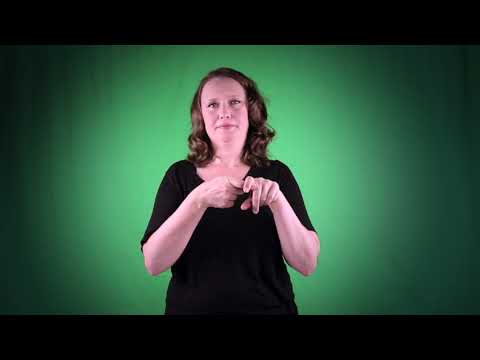
Sign for LEGTUCKED in ASL | ‍♂️ ASL Dictionary

Definition: A sitting position with legs bent and tucked under the body. Sign for LEGTUCKED in ASL
YouTube player
Practice Activities:

Cultural Context:

Practice Activities Learning the sign for LEGTUCKED in ASL requires more than just memorization—it takes repetition, practice in context, and visual feedback. One of the most effective ways to start is by practicing in front of a mirror. This allows learners to observe their own handshape, movement, and body positioning to ensure the sign is being produced accurately and fluidly. By comparing their reflection to instructional videos or diagrams, learners can self-correct and build muscle memory. Another helpful technique is recorded signing. Record yourself signing the sign for LEGTUCKED in ASL from different angles, then play back the footage to spot errors or inconsistencies. This method also helps you track your improvement over time and develop a more polished ASL presentation. Signing in context is crucial for reinforcing the meaning and usage of the sign. Try incorporating the sign for LEGTUCKED in ASL into daily conversations or storytelling scenarios. For example, when describing a gymnastic movement, a yoga pose, or a physical therapy exercise, use the sign naturally to describe the motion or posture. Advanced drills can challenge your fluency and speed. Practice stringing the sign for LEGTUCKED in ASL together with related signs such as SIT, JUMP, or BALANCE. Use timing drills to increase fluidity or try interpreting short video clips and use the sign appropriately in context. These activities reinforce both the meaning and the physical production of the sign. SEO Cultural Context In Deaf culture, physical descriptions are often conveyed through visually descriptive signing that reflects the body’s position or actions. The sign for LEGTUCKED in ASL is no exception. It visually mimics the motion or position of the body when the legs are pulled into the chest or are tightly bent, such as during gymnastics, swimming, or exercises like crunches. This sign is frequently used in settings where physical form or posture is being described, such as in sports, physical education, dance, or medical contexts. In Deaf athletic communities, the sign for LEGTUCKED in ASL helps describe body mechanics and form, especially when discussing proper technique or injury prevention. Regional variations may exist, especially in signs related to athletics or body movement. Some signers may use a more classifier-based approach, using handshapes that represent legs or the body’s movement, while others may use initialized signs. As with many ASL signs, context and community usage determine how the sign is interpreted and used. Respect for local variation and feedback from native Deaf signers ensures proper and culturally appropriate use. Understanding the cultural norms also includes recognizing the value of clarity and visual accuracy in ASL. The sign for LEGTUCKED in ASL should be expressive and mimic the physical shape or posture being described. This visual storytelling aspect is a core part of ASL and Deaf communication norms. Extended Definition The sign for LEGTUCKED in ASL typically uses a combination of classifier handshapes and body movement to show the position of the legs drawn up towards the torso. Rather than being a single static sign, it often involves using bent fingers or arms to represent the legs, along with a motion that indicates tucking or folding. A common version uses both hands in bent-V handshapes (representing legs) moving toward the body to suggest the tucked position. Facial expressions often accompany the sign to emphasize the tightness or compactness of the position. This helps convey whether the legs are loosely or tightly tucked, which is important in physical contexts. Related signs include SIT, SQUAT, and CROUCH. However, these signs differ in the level of leg involvement and overall posture. Errors often occur when learners confuse LEGTUCKED with these related signs. For example, using the sign for SIT when intending to show LEGTUCKED can lead to misunderstandings, especially in athletic or health-related discussions. Another common mistake is using stiff or robotic movements. The sign for LEGTUCKED in ASL should be fluid and natural, reflecting how the body moves. Over-exaggeration can distort the meaning, while under-expression may make the message unclear. Practice and observation of native signers are key to mastering this nuanced sign. Tips for Beginners Beginners learning the sign for LEGTUCKED in ASL should start by breaking down the motion into smaller parts. First, focus on the handshape—typically a bent-V or bent fingers to represent legs. Then, practice the movement inward toward the center of the body. Use a mirror to ensure your motion is symmetrical and visually clear. It’s helpful to watch videos of native ASL users demonstrating the sign for LEGTUCKED in ASL. Pay attention to how they incorporate facial expressions and body movements. Mimic their rhythm, not just their hand movements. Don’t be discouraged by early mistakes. Many learners confuse signs with similar body positions, but consistent practice brings improvement. Record yourself and compare with models to build confidence. Remember that ASL is a visual and spatial language. The more you can “see” the position of LEGTUCKED in your mind, the more naturally it will come out in your signing. Use visual imagery as an internal guide. Connections to Other Topics The sign for LEGTUCKED in ASL connects strongly to other body posture signs. One related concept is the sign for SQUAT. While similar in leg position, SQUAT usually involves a downward motion and a wider stance. Understanding the difference helps clarify posture descriptions. Another related sign is JUMP. In gymnastics or calisthenics, LEGTUCKED often appears in combination with JUMP to describe a tucked jump or leap. Practicing both signs together can help learners discuss movement more accurately. The sign for BALANCE also pairs well with LEGTUCKED. When describing exercises or poses that require core strength and balance, these signs help build a full picture of the body’s position. CROUCH is another relevant sign. Although it also involves bending the legs, CROUCH typically indicates a lower body posture with the feet flat and the body leaning forward. By comparing CROUCH and LEGTUCKED, learners better understand how ASL distinguishes between similar physical actions. Lastly, the concept of CLASSIFIERS is essential. The sign for LEGTUCKED in ASL often uses classifiers to show the position of legs and the body. Mastering classifiers enhances your ability to describe complex physical forms and movements, which is a core skill in ASL storytelling and description. Lengthy Summary The sign for LEGTUCKED in ASL is a visually descriptive sign that captures the action or posture of drawing the legs toward the body. It is commonly used in athletic, medical, and instructional contexts to describe a tucked-leg position. Learning this sign involves understanding its visual structure, mastering its movement, and practicing it in context. Through mirror practice, recorded signing, and contextual usage, learners can build fluency and accuracy. The cultural importance of visual clarity and body depiction in Deaf communication makes this sign both functional and expressive. Respecting regional variation and receiving feedback from the Deaf community ensures respectful and correct use of the sign for LEGTUCKED in ASL. Beginners benefit from structured practice and visual learning strategies. Avoiding common errors like incorrect handshapes or confusing similar signs helps learners improve quickly. Related signs such as JUMP, BALANCE, and CROUCH provide valuable context and deepen understanding of body-focused vocabulary in ASL. The sign for LEGTUCKED in ASL is not only a vocabulary item but a doorway into more complex descriptions of physical movement and form. As you continue your ASL journey, keep practicing this sign in varied settings, link it with related concepts, and engage with native signers to refine your skills. Your consistency and curiosity will lead to greater fluency and cultural understanding. Keep signing, keep exploring, and let your learning stay tucked into every conversation you build in ASL

Extended Definition:

Synonyms: knee-to-chest, folded leg, tucked knee, leg folded under, crouched leg Educational resources: Find related learning materials in our course bank! Want more? Check out some of our popular learning activities on the homepage! Need to look up a sign? Use our highly rated dictionary: https://aslinteractive.com/best-asl-dictionary/ Follow us on tiktok: https://www.tiktok.com/@aslinteractive. More social media links at the bottom of this page! Long-tail Keywords: what is the sign for leg tucked in ASL, how do you sign leg tucked in ASL, ASL sign for leg tucked Categories: tags: ASL body positioning, ASL descriptors, ASL verbs and actions, ASL physical movement, American Sign Language vocabulary

Tips for Beginners:

Connections to Other topics:

Summary:

Want more? Check out some of our popular learning activities!

ASL Interactive Resources

ASLInteractive YouTube Channel

Follow us on tiktok: @aslinteractive.com

Follow us on Instagram: aslinteractive

Facebook page: aslinteractive

Facebook group: aslinteractive

LInkedIn: ASL Interactive LLC

Twitter: @ASL_interactive

*Some information on this page is AI-generated. AI can make mistakes. Please check the information.  

Responses