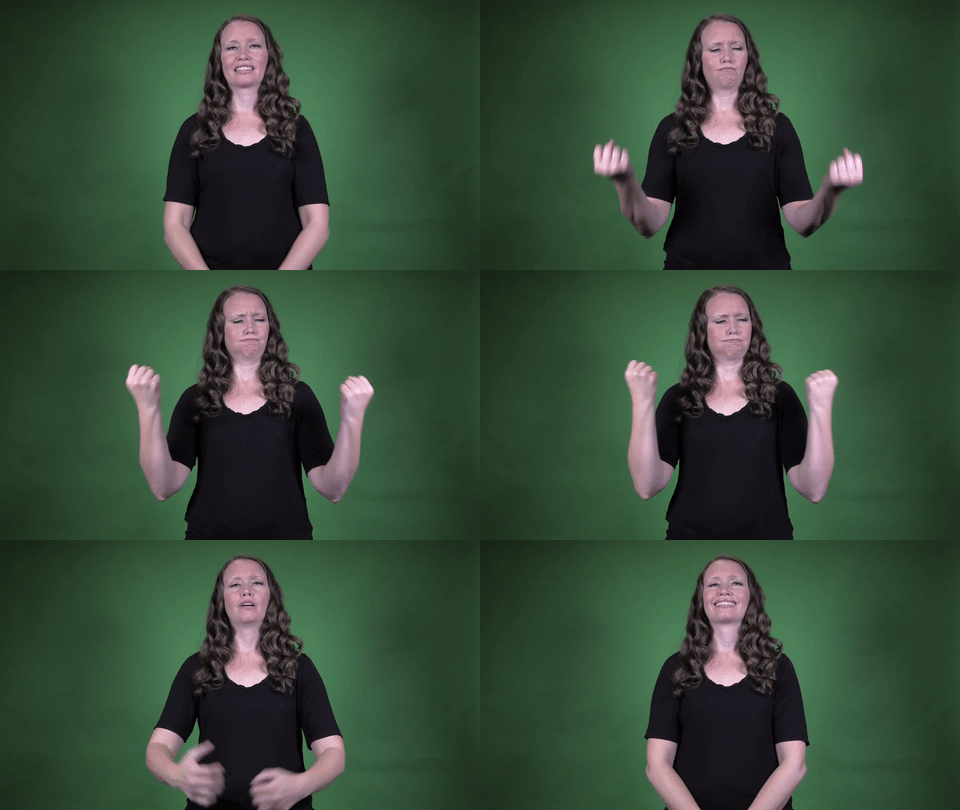
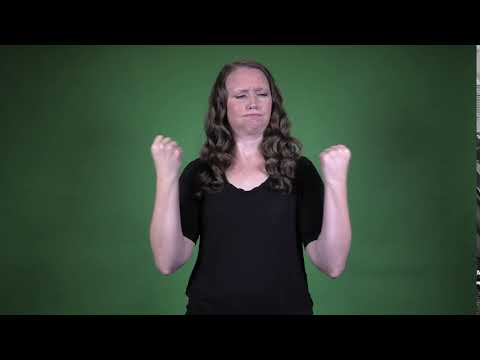
Definition: To exercise by lifting heavy objects as part of a workout.
Sign for LIFT WEIGHTS in ASL
Practice Activities:
Cultural Context:
Practice Activities
One of the most effective ways to master the sign for LIFT WEIGHTS in ASL is through mirror work. Stand in front of a mirror and practice signing while watching your handshape, palm orientation, and movement. This helps correct any unintentional errors in real time.
Recorded signing is another powerful tool. Record yourself signing the phrase in full ASL sentences like “I like to lift weights” or “They lift weights every morning.” Review the video to spot any inconsistencies and track your improvement.
Contextual signing is essential for fluency. Include the sign for LIFT WEIGHTS in ASL during conversations about exercise routines, gym activities, or health goals. Practicing in real-life scenarios will help you remember the sign more easily and use it accurately.
Advanced drills can fine-tune your skills. Try alternating between signs related to physical activity like RUN, SWIM, and LIFT WEIGHTS. This sharpens your ability to shift between different classifiers and movements, enhancing your signing fluidity and muscle memory.
Engage with ASL communities online or in person and use the sign for LIFT WEIGHTS in ASL during discussions about hobbies or fitness. Signing with fluent users gives immediate feedback and builds confidence in your expressive and receptive skills.
SEO Cultural Context
The sign for LIFT WEIGHTS in ASL often comes up in conversations about physical wellness, gym routines, or athletic training. In Deaf culture, physical activity and health are common discussion topics, just like in the hearing world. The use of this sign reflects an interest in fitness and personal care, which are valued across communities.
The sign for LIFT WEIGHTS in ASL can vary slightly by region. Some signers might use more exaggerated movements to mimic lifting a heavy barbell, while others use a more compact motion. Regardless of variation, clarity and context are key in ensuring your sign is understood.
Deaf norms emphasize visual clarity and body expression. When signing something like LIFT WEIGHTS, facial expressions and body posture add realism and meaning. For example, showing effort in your face while signing enhances the realism of the action, making it more engaging and culturally accurate.
In workout or gym settings within the Deaf community, the sign for LIFT WEIGHTS in ASL is often paired with other fitness-related signs. It serves as a practical and social term, helping people describe their routines or give workout advice. Signing about exercise also opens conversations about health, motivation, and lifestyle.
Extended Definition
The sign for LIFT WEIGHTS in ASL is a compound sign that mimics the motion of lifting a barbell. Both hands form closed fists (as if holding a bar), and the movement is an upward motion from the waist to shoulder level, simulating a lifting action. The movement often includes a slight bend in the elbows and a facial expression that suggests exertion.
It is important not to confuse this sign with the general verb LIFT, which may use different handshapes or movement depending on the object being lifted. The sign for LIFT WEIGHTS in ASL specifically imitates the physical action of weightlifting and should reflect the unique motion of that activity.
Some learners mistakenly exaggerate the motion too much or use incorrect handshapes, which can make the sign unclear. It’s essential to keep the movement natural and consistent with how one would actually lift weights during a gym session. Watching fluent signers demonstrate the sign can help reduce these errors.
If discussing a specific type of weightlifting, like using dumbbells or a barbell, signers might include classifiers or descriptive signs to clarify. However, the general sign for LIFT WEIGHTS in ASL is widely understood and accepted for most gym-related contexts.
Tips for Beginners
When learning the sign for LIFT WEIGHTS in ASL, beginners should focus on accuracy before speed. Make sure your handshapes are correct and your motions are deliberate. Practice slowly and build up to more natural signing once your form is solid.
A common mistake is forgetting to use facial expressions. In ASL, non-manual markers like facial expressions are crucial. Showing effort on your face while signing helps convey that you’re lifting something heavy, making the sign more authentic.
Another tip is to avoid overly dramatic or floppy movements. The motion should be firm and controlled, just like actual weightlifting. Practice in front of a mirror to ensure your movements look realistic and are visually clear.
Breaking the sign into parts can help. Start by practicing the handshape, then the movement. Once those are solid, add facial expression and body posture. Layering each component will lead to a more polished and natural performance of the sign for LIFT WEIGHTS in ASL.
Don’t get discouraged by mistakes. Every fluent signer started as a beginner. Keep practicing consistently, and seek feedback from more experienced signers when you can. Repetition and correction are the keys to progress.
Connections to Other Topics
The sign for EXERCISE is closely related to the sign for LIFT WEIGHTS in ASL. Both involve physical activity and often appear together in conversations about fitness or health routines. Knowing both signs creates a fuller vocabulary for discussing wellness.
The sign for STRONG can be used in tandem with the sign for LIFT WEIGHTS in ASL. You might say someone is strong because they lift weights regularly. This connection helps you describe physical attributes and achievements more effectively.
Another related sign is GYM, which often comes up in conversations where the sign for LIFT WEIGHTS in ASL is used. Being able to sign GYM allows you to explain where the activity takes place, adding context and clarity to your conversation.
WORKOUT is a broader term that includes LIFT WEIGHTS. Knowing this sign helps you describe routines that also involve running, swimming, or cardio. It gives you flexibility in discussing different types of physical activity in ASL.
You can also connect this sign with HEALTH or FITNESS. These abstract concepts often include discussions about diet, activity levels, and lifestyle. Including the sign for LIFT WEIGHTS in ASL in these conversations enriches your ability to communicate about wellness topics.
Lengthy Summary
Understanding the sign for LIFT WEIGHTS in ASL is essential for anyone interested in fitness vocabulary or discussing health-related topics in American Sign Language. This sign visually mimics the action of lifting a barbell, using closed fists and an upward motion from the waist to shoulder level. It’s a dynamic, iconic sign that benefits greatly from appropriate facial expression and body language, both of which are central elements of Deaf communication.
Practicing this sign effectively involves combining several methods: mirror work for visual accuracy, recorded signing for self-assessment, and contextual use for fluency. By incorporating the sign for LIFT WEIGHTS in ASL into real-life conversations, learners build stronger connections between vocabulary and everyday use. Advanced drills that include related signs like RUN, SWIM, and GYM further support skill development.
Culturally, the sign reflects a shared interest in physical health and wellness within the Deaf community. Whether used at the gym, in casual conversations, or in educational settings, the sign for LIFT WEIGHTS in ASL carries both functional and social value. Regional variations exist, but the core elements of the sign are widely recognized.
Beginners should approach this sign with patience and focus on form. Avoid over-embellishing the movement or neglecting facial expression. Instead, strive for natural, confident signing that reflects the actual motion of lifting weights. Consistent practice, especially when guided by feedback from fluent signers, will lead to mastery.
This sign also serves as a gateway to other related concepts like EXERCISE, STRONG, GYM, WORKOUT, and HEALTH. Learning these signs expands your ability to communicate about fitness, lifestyle, and well-being in ASL. These connections support a more holistic understanding of both language and culture.
In summary, the sign for LIFT WEIGHTS in ASL is a practical, high-utility term that fits naturally into many conversations. It reinforces the importance of visual accuracy, expressive body language, and cultural context. Keep practicing, stay curious, and don’t be afraid to make mistakes—every repetition brings you closer to fluency.
Extended Definition:
Synonyms: strength train, weight train, perform resistance training, do weightlifting, engage in bodybuilding
Educational resources: Find related learning materials in our course bank!
Want more? Check out some of our popular learning activities on the homepage!
Need to look up a sign? Use our highly rated dictionary: https://aslinteractive.com/best-asl-dictionary/
Follow us on tiktok: https://www.tiktok.com/@aslinteractive. More social media links at the bottom of this page!
Long-tail Keywords: what is the sign for lift weights in ASL, how do you sign lift weights in ASL, learn how to sign lift weights in American Sign Language
Categories:
tags: fitness, exercise, health, sports, gym
Tips for Beginners:
Connections to Other topics:
Summary:
Want more? Check out some of our popular learning activities!
ASL Interactive Resources
ASLInteractive YouTube Channel
Follow us on tiktok: @aslinteractive.com
Follow us on Instagram: aslinteractive
Facebook page: aslinteractive
Facebook group: aslinteractive
LInkedIn: ASL Interactive LLC
Twitter: @ASL_interactive
*Some information on this page is AI-generated. AI can make mistakes. Please check the information.


Responses