Cultural Context:
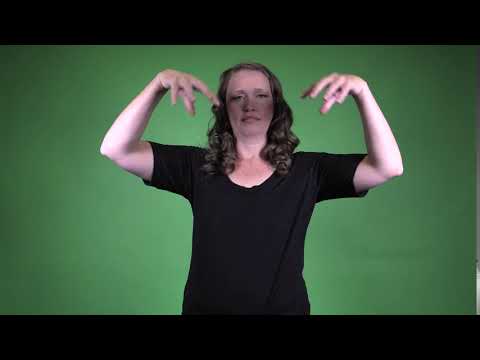
Practice Activities Practicing the sign for LIGHTS OFF in ASL can be both fun and effective when using a variety of learning strategies. Start with mirror work: stand in front of a mirror and practice the movement, facial expression, and handshape involved in the sign. This allows you to self-correct and develop spatial awareness, which is crucial when signing clearly. Record yourself signing the phrase in different sentence structures. Watching the footage helps you identify inconsistencies and improve your fluency. Try incorporating the sign for LIGHTS OFF in ASL into daily conversations—whether you’re turning off the lights in your bedroom or wrapping up a video call, use the sign in context to reinforce your memory. Advanced learners can challenge themselves by playing roleplay games or storytelling. Set up a scene where someone is leaving the house, and narrate actions using signs, including the sign for LIGHTS OFF in ASL. Partner drills are also useful—practice giving and responding to commands with a friend or tutor to simulate real-life exchanges. SEO Cultural Context The sign for LIGHTS OFF in ASL reflects not only language structure but also cultural values within the Deaf community. One core aspect of Deaf culture is visual clarity. Light plays a vital role in communication, so the act of turning lights off is often paired with a quick visual cue or signed notification, especially in group settings like classrooms or Deaf events. In diverse regions, slight variations in signing may appear, but the general concept for the sign for LIGHTS OFF in ASL remains consistent. Some signers may use a more literal method—showing the action of pulling a light switch down—while others may use a more abstract gesture. Understanding the environment and context helps clarify which version is most appropriate. Real-life usage of the sign for LIGHTS OFF in ASL is frequent in households, schools, and public spaces. It’s commonly used in routines like bedtime, movie watching, or transitioning from one activity to another. Learning this sign gives learners access to practical, everyday communication that strengthens fluency and cultural connection. Extended Definition The sign for LIGHTS OFF in ASL typically involves two parts: first, the sign for “light,” usually made by wiggling the fingers of a dominant five-handshape near the chin to represent the radiating glow of light. Then, to indicate “off,” you can either close your fingers together to show the absence of light or mimic a light switch being flipped down. Some learners confuse the sign for LIGHTS OFF in ASL with related signs like “dark” or “night.” While all these signs suggest a reduction in visibility, they have different meanings and uses. “Dark” involves both hands moving across the face to indicate lack of light, while “night” references the sun setting over the horizon. It’s also important not to overact the sign or add unnecessary movement. The sign for LIGHTS OFF in ASL should be clear, concise, and visually logical. As with many ASL concepts, facial expressions and context support the meaning, so be sure to match your expression to the situation. Tips for Beginners If you’re just starting to learn the sign for LIGHTS OFF in ASL, take it step by step. Focus first on mastering the sign for “light,” then add the concept of “off.” This helps you build understanding piece by piece rather than feeling overwhelmed. A common mistake is to use the wrong handshape or to forget the directional movement. Beginners sometimes sign “off” too abruptly or use a gesture that resembles “stop” or “down.” To avoid this, watch fluent signers and repeat their movements slowly. Stay patient and persistent. The sign for LIGHTS OFF in ASL may seem simple, but its effectiveness lies in your ability to deliver it smoothly and appropriately. Practicing in front of a mirror or with a partner can help increase your confidence and accuracy. Connections to Other Topics The sign for LIGHTS OFF in ASL connects naturally to the sign for LIGHTS ON. Knowing both allows you to express transitions and opposites clearly. These signs are often taught together to build vocabulary pairs. Another related sign is DARK. This is conceptually tied to LIGHTS OFF but is used in a broader sense—for example, to describe a dark room or outside at night, rather than the act of turning off a light. The sign for BEDTIME often follows the sign for LIGHTS OFF in ASL in natural conversation. For example, in storytelling or daily routines, you might sign “lights off” followed by “sleep” to narrate your night. The sign for SWITCH or TURN-OFF is also connected. These signs teach you how to describe actions involving technology or electricity, such as turning off a fan or a TV. This builds your ability to describe environments and actions in full context. Finally, the sign for ROOM or HOUSE can be used in combination when describing where the lights are being turned off. For example, “bedroom lights off” is a complete sentence you might use frequently in daily life. Lengthy Summary Mastering the sign for LIGHTS OFF in ASL opens the door to useful, everyday communication. From home routines to group settings, this sign helps you express a common action in a culturally appropriate way. It enhances your ability to describe transitions, set scenes, and give or follow directions. Understanding the cultural importance of lighting in Deaf spaces adds depth to your learning. Whether you’re attending a Deaf event, participating in a class, or chatting with friends, signing lights off helps maintain visual accessibility and shows your respect for shared norms. By breaking the sign into its component parts and practicing through mirror work, recordings, and contextual drills, you’re not just learning vocabulary—you’re developing fluency. Avoiding common beginner mistakes and connecting the sign for LIGHTS OFF in ASL to related concepts builds your broader language system. Stay curious and keep exploring. The more you practice the sign for LIGHTS OFF in ASL in real-life scenarios, the more natural it becomes. Use it during your daily routines, and challenge yourself to incorporate it into full sentences and conversations. Keep signing, keep learning, and keep the lights off when you’re ready for rest .Extended Definition:
Synonyms: dark, no lights, lights out, lights extinguished, blackout Educational resources: Find related learning materials in our course bank! Want more? Check out some of our popular learning activities on the homepage! Need to look up a sign? Use our highly rated dictionary: https://aslinteractive.com/best-asl-dictionary/ Follow us on tiktok: https://www.tiktok.com/@aslinteractive. More social media links at the bottom of this page! Long-tail Keywords: what is the ASL sign for lights off, how to sign lights off in American Sign Language, step-by-step guide to signing lights off in ASL Categories: tags: lights off, ASL phrases, ASL home vocabulary, ASL light-related terms, everyday ASL signsTips for Beginners:
Connections to Other topics:
Summary:
Want more? Check out some of our popular learning activities!
ASL Interactive Resources
ASLInteractive YouTube Channel
Follow us on tiktok: @aslinteractive.com
Follow us on Instagram: aslinteractive
Facebook page: aslinteractive
Facebook group: aslinteractive
LInkedIn: ASL Interactive LLC
Twitter: @ASL_interactive
*Some information on this page is AI-generated. AI can make mistakes. Please check the information.
Responses