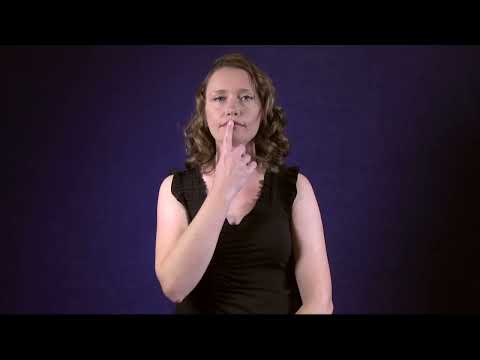
Definition: The two fleshy parts forming the edges of the mouth.
Sign for LIPS in ASL
Practice Activities:
Cultural Context:
Practice Activities
Learning the sign for LIPS in ASL can be both fun and effective when practiced through a variety of hands-on activities. One of the best ways to get started is by using a mirror. Stand in front of a mirror and slowly practice the handshape and movement used in the sign for LIPS in ASL. Watching your own facial expressions and hand placement helps improve accuracy and reinforces muscle memory.
Recording yourself is another excellent method. Use your phone or webcam to sign the word several times, then play the video back to evaluate your performance. This allows you to catch any subtle mistakes that might go unnoticed in real time.
Incorporate the sign into real-life context by using it during everyday conversations. For example, when talking about makeup, facial features, or expressing emotions like smiling or kissing, be sure to include the sign for LIPS in ASL. Practicing in context helps reinforce meaning and improves retention.
For more advanced learners, try drills involving descriptive phrases and storytelling. Describe someone’s face or tell a story that includes references to the mouth or lips. Include the sign for LIPS in ASL naturally throughout. Challenge yourself to vary your speed and facial expressions while keeping the sign accurate.
Partner practice is also helpful. Work with someone who knows ASL and take turns describing facial features or giving each other feedback. This interactive approach strengthens both receptive and expressive skills with the sign for LIPS in ASL.
SEO Cultural Context
The sign for LIPS in ASL is not just a vocabulary word—it carries cultural significance within the Deaf community. Facial expressions are a crucial part of American Sign Language grammar, and the lips play a big role in conveying tone, emotion, and grammatical nuances. Understanding the cultural importance of facial features, including lips, helps learners grasp how ASL is more than just hand signs.
In ASL, the sign for LIPS in ASL is commonly used in conversations about appearance, health, or emotions. For example, when signing about chapped lips, lipstick, or kissing, this sign appears frequently. It’s also used in educational settings when teaching body parts or during medical consultations interpreted in ASL.
Regional variation in the sign for LIPS in ASL is minimal, but some signers may incorporate slight differences in handshape or movement depending on their geographic or cultural background. These variations are generally mutually understood and reflect ASL’s rich diversity.
In Deaf culture, directness is valued, and using signs that refer to body parts like lips is perfectly acceptable and not taboo. However, learners should always be respectful and appropriate with their use of the sign, especially in professional or unfamiliar settings.
Extended Definition
The sign for LIPS in ASL typically involves using the index finger of one hand to trace around the outline of the lips. The movement is gentle and follows the contour of the mouth in a circular or oval shape, depending on personal style. The handshape is usually the “1” hand (index finger extended, other fingers closed).
This sign is iconic in nature, meaning it visually represents the concept it expresses. By mimicking the shape of lips, it becomes easy to remember and recognize. The sign for LIPS in ASL is distinct from other mouth-related signs like “mouth,” which involves pointing directly at the opening of the lips, or “kiss,” which uses a different motion and handshape altogether.
Common errors include using the wrong handshape, neglecting the facial expression, or tracing too far away from the lips. Beginners may also confuse this sign with signs for similar concepts like “face” or “cheeks.” It’s important to practice the correct placement and motion to avoid misunderstandings.
There are no major grammatical inflections directly applied to the sign for LIPS in ASL, but it can be modified slightly with facial expressions or incorporated into larger sign phrases. For example, lip-related adjectives like “chapped” or “full” can be indicated through context and accompanying signs.
Tips for Beginners
If you’re new to ASL, learning the sign for LIPS in ASL is a great starting point because it introduces you to the concept of iconic signs and body-part vocabulary. Start slow and focus on accuracy. Use a mirror to ensure your tracing motion follows the correct path around your mouth.
One common mistake is rushing through the sign or making it too far from the face. Stay close to your skin, and make sure your hand follows the actual shape of your lips. Another tip is to keep your facial expression neutral unless you’re using the sign in an emotional or descriptive context.
Don’t get discouraged if your sign doesn’t look perfect at first. ASL is a visual language, and developing precision takes time. Watch native signers either live or through videos to see how they perform the sign for LIPS in ASL. Mimicking fluent signers can help you improve your own technique.
Try to use the sign in daily practice. Every time you talk about something involving the mouth or face, incorporate the sign for LIPS in ASL. Repetition and consistency are key to retaining vocabulary and improving fluency.
Connections to Other Topics
The sign for LIPS in ASL connects to a wide range of related vocabulary and grammatical structures. One closely related sign is “mouth,” which is used frequently in discussions about eating, speaking, or oral hygiene. While the sign for LIPS in ASL traces around the lips, the sign for “mouth” points directly to the opening.
Another related sign is “kiss.” This sign uses a different handshape and motion, typically involving a closed hand touching the lips and then another surface, like the cheek or hand. It’s often used in discussions about affection or family.
“Face” is a broader term that includes lips as one of many facial features. The sign for “face” involves tracing a circle around the entire face, making it easy to compare and contrast with the more specific sign for LIPS in ASL.
The sign for “lipstick” also incorporates the concept of lips. This sign typically uses a miming motion of applying lipstick to the lips and is often paired with the sign for LIPS in ASL for clarity.
In addition, the sign for “smile” uses the facial area and often pairs naturally with signs about lips or expressions. Understanding how these signs work together helps build a more comprehensive vocabulary and deeper fluency in ASL.
Lengthy Summary
Mastering the sign for LIPS in ASL is about more than just learning a gesture—it’s about understanding how language, culture, and visual communication come together. The sign, which involves tracing around the lips with the index finger, is both iconic and intuitive. It reflects the visual nature of ASL and plays an important role in discussions about appearance, health, and emotion.
Through consistent practice activities like mirror work, video recording, and contextual usage, learners can improve their accuracy and confidence. Whether you’re describing someone’s features or talking about makeup, the sign for LIPS in ASL fits naturally into many types of conversations.
Culturally, this sign highlights the value placed on facial expressions in the Deaf community. Lips are not just a body part—they’re an important component of the visual grammar that makes ASL unique. Understanding this context helps learners use the sign appropriately and respectfully.
Beginners should take their time learning the correct handshape and movement. Avoid common pitfalls like making the sign too far from the face or confusing it with similar signs. Use resources like videos, live practice, and repetition to reinforce your skills.
The sign for LIPS in ASL is also connected to a wider network of vocabulary, including signs like “mouth,” “kiss,” “face,” “lipstick,” and “smile.” Learning these related signs helps you build a strong foundation and opens the door to more advanced communication in ASL.
Overall, the sign for LIPS in ASL is a valuable addition to any ASL learner’s vocabulary. It’s visually memorable, culturally rich, and frequently used in everyday conversation. Keep practicing, stay curious, and remember that every sign you learn brings you closer to fluent and respectful communication. Keep signing and keep smiling!
Extended Definition:
Synonyms: mouth, lips, pout, kisser, smackers
Educational resources: Find related learning materials in our course bank!
Want more? Check out some of our popular learning activities on the homepage!
Need to look up a sign? Use our highly rated dictionary: https://aslinteractive.com/best-asl-dictionary/
Follow us on tiktok: https://www.tiktok.com/@aslinteractive. More social media links at the bottom of this page!
Long-tail Keywords: what is the sign for lips in ASL, how do you sign lips in ASL, ASL sign for lips explained
Categories:
tags: facial features, body parts, ASL anatomy, expressions in ASL, mouth movements in ASL
Tips for Beginners:
Connections to Other topics:
Summary:
Want more? Check out some of our popular learning activities!
ASL Interactive Resources
ASLInteractive YouTube Channel
Follow us on tiktok: @aslinteractive.com
Follow us on Instagram: aslinteractive
Facebook page: aslinteractive
Facebook group: aslinteractive
LInkedIn: ASL Interactive LLC
Twitter: @ASL_interactive
*Some information on this page is AI-generated. AI can make mistakes. Please check the information.


Responses