Cultural Context:
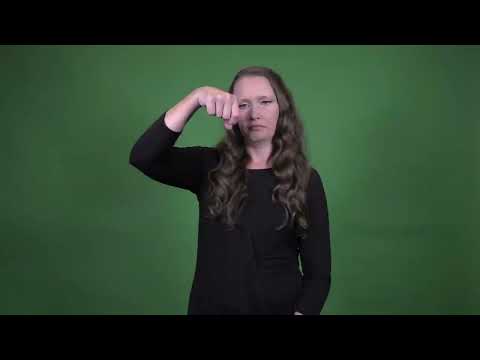
Practice Activities Practicing the sign for LIQUID DRIP in ASL can be both fun and effective when approached from different learning angles. Start by standing in front of a mirror to observe your handshape, movement, and facial expressions. This helps ensure your sign is visually accurate and easy to understand. Record yourself signing the sign for LIQUID DRIP in ASL in various sentence contexts. Watching your recordings allows you to self-correct and track your progress over time. You might say things like “The faucet has a liquid drip” or “Medicine was dripping from the bottle.” Use the sign in real-life situations. Whenever you’re in the kitchen, bathroom, or even observing weather like rain, take that moment to sign what you observe. This builds muscle memory and helps deepen your understanding of when the sign is naturally used. For advanced learners, try speed drills and receptive practice. Watch ASL videos that use the sign for LIQUID DRIP in ASL and try to identify it in fast-paced signing. Then, replicate the speed and fluidity to improve your fluency. Group practice is also effective. Play games or engage in storytelling with peers where you must include the sign for LIQUID DRIP in ASL. This promotes spontaneous usage and helps reinforce the sign through meaningful interaction. SEO Cultural Context In Deaf culture, visual clarity and contextual precision are essential. The sign for LIQUID DRIP in ASL is used to describe specific scenarios where fluids are leaking, dripping, or falling in small amounts. This could relate to medical settings, household situations, or natural elements like rain or tree sap. This sign carries practical importance in everyday life. Describing a leaky pipe, a dripping IV in a hospital, or syrup slowly falling from a spoon all involve the nuanced use of the sign for LIQUID DRIP in ASL. It reflects the Deaf community’s attention to visual detail and spatial orientation. Regional variations may influence the way the sign is performed. In some areas, the sign may include more exaggerated movement to indicate a heavier or faster drip, while in others, it might be more subtle. Always be open to slight regional differences and clarify when in doubt. In medical or scientific discussions, the sign for LIQUID DRIP in ASL is commonly used. In these contexts, specificity is important—such as distinguishing between a fast drip or a slow one. Deaf professionals and interpreters use this sign in hospitals, labs, and classrooms, making it a valuable part of medical ASL vocabulary. Extended Definition The sign for LIQUID DRIP in ASL combines elements that show the nature of fluid motion. Typically, it involves a dominant hand mimicking a downward dripping motion, often using a modified 1-handshape or F-handshape, depending on the exact context. The movement should be fluid and repeated to simulate multiple drips. The facial expression is key. A furrowed brow or slightly open mouth can indicate concern or attention to the dripping. This adds meaning and emotional context to the sign and aligns with ASL’s reliance on non-manual signals. It’s important not to confuse the sign for LIQUID DRIP in ASL with signs like RAIN or POUR. LIQUID DRIP is more specific and refers to individual drops falling at intervals. POUR involves a continuous flow, and RAIN often uses both hands moving downward with wiggling fingers to show heavy precipitation. A common error is signing too fast or too stiffly, which can make it look like a different sign altogether. Focus on the smooth, repetitive action that conveys the actual motion of dripping. Keep the movement small but distinct, and ensure your palm orientation and handshape remain consistent. Tips for Beginners For beginners, learning the sign for LIQUID DRIP in ASL can feel a bit challenging at first, especially when trying to capture the subtle motion. Start by mastering the handshape and direction. Practice slowly and focus on smooth, controlled movements. Use repetition to build muscle memory. Sign the word five times in a row, then use it in a sentence. Make sure each repetition is clear and intentional. Avoid rushing through the sign, as speed can undermine accuracy. Don’t forget your facial expressions. A neutral or confused face can change the meaning of what you’re signing. Use your whole face to show the seriousness, annoyance, or curiosity that might accompany observing a liquid drip. One frequent mistake is forgetting the non-manual markers or making the drip motion too large. Remember, the sign should look natural, like how liquid would actually fall in small, timed drops. Keep your elbow relaxed and your wrist loose for the most authentic motion. Use flashcards and apps that include the sign for LIQUID DRIP in ASL in short phrases. This helps reinforce the word in context and improves your recall speed. Consistent daily practice, even just five minutes a day, can make a big difference in your fluency. Connections to Other Topics The sign for LIQUID DRIP in ASL connects closely with the sign for WATER. Since most drips involve water or water-based liquids, knowing how to sign WATER provides helpful context. The WATER sign uses a “W” handshape touched to the chin, often used before describing the type or action of the liquid. Another related sign is BLOOD. In medical contexts, you might need to describe blood dripping, which would involve combining signs like BLOOD, LIQUID, and DRIP. These compound signs help create more specific meanings in ASL. The sign for RAIN shares a similar downward motion but with both hands and a more flowing gesture. Understanding the differences helps learners avoid confusing the sign for LIQUID DRIP in ASL with weather-related signs like RAIN or SNOW. The concept of TIME SEQUENCING in ASL grammar is also relevant. When describing a liquid drip over time, you may use time-related signs like SLOW, FAST, or CONTINUOUSLY. This allows you to build more descriptive and grammatically correct sentences. The sign for MEDICINE often appears in conversations involving liquid drips, especially IV drips or cough syrup. Knowing the sign for MEDICINE and combining it with the sign for LIQUID DRIP in ASL allows you to communicate more complex ideas in healthcare discussions. Lengthy Summary Mastering the sign for LIQUID DRIP in ASL is a valuable step in expanding your expressive and receptive skills. Whether you’re discussing household issues, describing weather, or communicating in a medical setting, this sign provides crucial visual detail that enriches your ASL vocabulary. Through consistent practice—such as mirror work, video recording, and contextual usage—you can internalize the smooth motion and appropriate facial expressions that make the sign effective. Engaging in group activities and speed drills helps reinforce accuracy and fluency in dynamic situations. Understanding the cultural context of the sign for LIQUID DRIP in ASL deepens your appreciation for Deaf norms and visual storytelling. The sign’s specificity and clarity reflect the community’s emphasis on visual accuracy and the importance of detail in everyday communication. By avoiding common mistakes like stiff movements or poor facial expressions, and by connecting this sign to related concepts like WATER, BLOOD, and RAIN, you broaden your ability to describe nuanced situations. These connections also enhance your grammatical understanding and conversational fluidity. For beginners, patience and repetition are key. Focus on getting the motion and context right before increasing speed. Don’t be afraid to ask for feedback from fluent signers or mentors, and make use of digital tools to reinforce what you’ve learned. Incorporating the sign for LIQUID DRIP in ASL into your daily practice will strengthen your vocabulary and build your confidence. Keep signing, keep learning, and let each sign bring you closer to fluency in American Sign Language .Extended Definition:
Synonyms: dribble, trickle, leak, seep, ooze Educational resources: Find related learning materials in our course bank! Want more? Check out some of our popular learning activities on the homepage! Need to look up a sign? Use our highly rated dictionary: https://aslinteractive.com/best-asl-dictionary/ Follow us on tiktok: https://www.tiktok.com/@aslinteractive. More social media links at the bottom of this page! Long-tail Keywords: what is the sign for liquid drip in ASL, how do you sign liquid drip in ASL, ASL sign for liquid drip Categories: tags: liquid signs in ASL, ASL vocabulary liquids, signing liquid-related terms, fluid motion in ASL, water-related signs in ASLTips for Beginners:
Connections to Other topics:
Summary:
Want more? Check out some of our popular learning activities!
ASL Interactive Resources
ASLInteractive YouTube Channel
Follow us on tiktok: @aslinteractive.com
Follow us on Instagram: aslinteractive
Facebook page: aslinteractive
Facebook group: aslinteractive
LInkedIn: ASL Interactive LLC
Twitter: @ASL_interactive
*Some information on this page is AI-generated. AI can make mistakes. Please check the information.
Responses