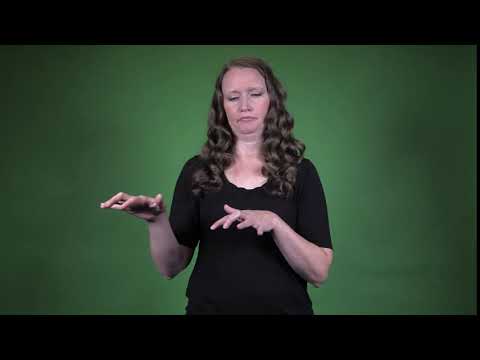
Definition: To perform music on a piano.
Sign for PLAY PIANO in ASL
Practice Activities
To build confidence and fluency with the sign for PLAY PIANO in ASL, start with mirror work. Stand in front of a mirror and practice the handshape and motion as if you’re playing a piano. This helps you self-correct and develop muscle memory. Pay attention to the angle and movement of your hands to ensure it looks natural and accurate.
Recording yourself signing the phrase is another excellent method. Watching the playback can help you identify areas for improvement. Try signing the phrase slowly, then at a conversational pace. Compare your signing to reputable ASL video dictionaries or fluent signers to refine your technique.
Using the sign for PLAY PIANO in ASL in context is essential. Incorporate it into full sentences like “I like to play piano” or “My brother plays piano well.” This helps you understand the grammatical structure and natural flow of ASL conversation.
Advanced learners can add drills such as alternating between musical instrument signs—like guitar, drums, and piano—to improve handshape clarity and transitions between signs. Another helpful drill involves describing a scene, such as someone practicing piano at a concert hall, and using the sign for PLAY PIANO in ASL within that narrative to improve fluidity and storytelling.
SEO Cultural Context
Understanding the cultural context of the sign for PLAY PIANO in ASL is vital for respectful and effective communication. In Deaf culture, music has a unique place. While traditional music is auditory, members of the Deaf community often experience music visually and physically—through vibrations, rhythm, and movement. Signing about musical activities, such as playing the piano, is a meaningful way to connect over shared interests.
The sign for PLAY PIANO in ASL visually represents the act of playing piano keys. It is iconic and easy to remember because it mimics the actual motion of playing. This connection to real-world physicality is common in ASL signs, adding to their intuitive nature.
There may be slight variations in the sign for PLAY PIANO in ASL depending on regional dialects or individual signers. Some might show a narrow or wide keyboard, depending on the context or the size of the imaginary piano. However, the basic handshape and movement remain consistent across most signing communities.
This sign is commonly used in conversations about musical hobbies, education, or professional performances. Whether discussing a piano recital or talking about music classes, the sign for PLAY PIANO in ASL provides a clear and expressive way to convey your message.
Extended Definition
The sign for PLAY PIANO in ASL is a compound expression that combines the general sign for “play” with a mimetic gesture representing the act of playing piano keys. The hands are usually held in front of the body with fingers curved downward, moving alternately up and down as if pressing keys. The motion and rhythm of the fingers are key to conveying that this is piano, not another instrument.
This sign is different from the general sign for “music,” which often involves a sweeping motion across the forearm. It’s also distinct from signs for other instruments like “guitar,” which uses a strumming motion. This makes the sign for PLAY PIANO in ASL specific and clearly understandable within the context of musical conversation.
Common errors include flat hands instead of curved fingers, which can make the sign look unnatural or confusing. Another frequent mistake is incorrect spacing—placing the hands too close together or far apart. Beginners may also confuse the sign with typing or other keyboard-related gestures, so context and motion are important for clarity.
The sign does not require a classifier, but it can be expanded upon in narrative signing. For example, a signer might use role-shifting to act out a person playing the piano in a performance, adding facial expressions and body posture for richer storytelling.
Tips for Beginners
For learners just starting to explore the sign for PLAY PIANO in ASL, take your time mastering the handshapes. Use curved fingers, not flat palms, and make sure your hands move in a rhythmic, alternating pattern. Imagine playing real piano keys to guide your motion.
Start slow and focus on precision. It’s better to do the sign slowly and correctly than quickly and sloppily. Use online video resources or ask fluent signers for feedback on your technique. Watching yourself in a mirror or on video can also help you spot errors.
Avoid overcomplicating the sign. Some beginners mistakenly add unnecessary facial expressions or body movement. Stick to the essential elements first, then gradually incorporate expressive features as you become more confident.
If you’re unsure about your movements, compare your sign for PLAY PIANO in ASL to others online or in ASL dictionaries. Practicing along with videos can help reinforce correct movement and timing. Be patient with yourself—fluency comes with time and repetition.
Connections to Other Topics
The sign for PLAY PIANO in ASL connects naturally with the sign for MUSIC. While MUSIC has a broader meaning, it’s often used in combination with specific instruments like piano to provide context. Learning both signs allows for more flexible conversations about musical interests.
Another related sign is INSTRUMENT, which can be useful when discussing different types of musical tools. Though more general, knowing INSTRUMENT complements your understanding of specific signs like PLAY PIANO.
The sign for PRACTICE is also important in this context. Whether you’re talking about practicing the piano or any skill, this verb is frequently used in educational and hobby-related conversations. Pairing it with the sign for PLAY PIANO in ASL allows for sentences like “I practice piano every day.”
The sign for CLASS or LESSON complements the topic as well. Learners often want to say they’re taking piano lessons or attending a music class. Combining CLASS with the sign for PLAY PIANO in ASL creates meaningful, real-world phrases.
Lastly, the sign for LOVE or ENJOY is commonly used when discussing hobbies. If you love playing the piano, expressing that emotion with the correct sign adds depth and connection to your communication.
Lengthy Summary
Mastering the sign for PLAY PIANO in ASL enriches your vocabulary and allows you to express a wide range of ideas related to music, hobbies, and personal interests. This sign is iconic, meaning it visually resembles the action it represents, making it easier for beginners to learn and remember. The curved fingers and alternating hand motion accurately depict the act of pressing piano keys, making the sign intuitive and clear in context.
In Deaf culture, discussing music is a nuanced and meaningful topic. While perceptions of music differ from hearing culture, many Deaf individuals engage with music through rhythm, movement, and visual storytelling. Using the sign for PLAY PIANO in ASL shows respect for these experiences and opens the door to conversations about shared artistic passions.
There are few regional variations in this sign, but understanding the core structure and motion helps ensure you’re understood across different signing communities. Avoid common mistakes like flat hands or inconsistent motion. Practice regularly using mirror work, video recording, and contextual drills to build fluency and confidence.
For beginners, the key is consistent and mindful repetition. Don’t rush the learning process. Focus on the quality of your handshapes and the natural rhythm of your movements. Watch others sign, get feedback, and gradually incorporate the sign into your everyday conversations.
The sign for PLAY PIANO in ASL connects with many other useful signs like MUSIC, PRACTICE, CLASS, and ENJOY. These connections allow you to build longer, more expressive sentences and engage in richer conversations. Whether you’re talking about your musical talents, lessons, or simply your love for piano, this sign is a powerful tool for communication.
Keep in mind that language learning is a journey. Every sign you learn brings you closer to fluency and cultural understanding. Keep practicing the sign for PLAY PIANO in ASL in different settings—at home, in class, or with friends. The more you use it, the more natural it will become. Keep signing, stay curious, and most importantly—enjoy the learning process
Synonyms: play the piano, perform on the piano, practice the piano, play keyboard, tickle the ivories
Educational resources: Find related learning materials in our course bank!
Want more? Check out some of our popular learning activities on the homepage!
Need to look up a sign? Use our highly rated dictionary: https://aslinteractive.com/best-asl-dictionary/
Follow us on tiktok: https://www.tiktok.com/@aslinteractive. More social media links at the bottom of this page!
Long-tail Keywords: what is the sign for play piano in ASL, how do you sign play piano in ASL, ASL sign for play piano
Categories:
tags: music signs, instrument signs, ASL piano, learning ASL, ASL activities
Want more? Check out some of our popular learning activities!
ASL Interactive Resources
ASLInteractive YouTube Channel
Follow us on tiktok: @aslinteractive.com
Follow us on Instagram: aslinteractive
Facebook page: aslinteractive
Facebook group: aslinteractive
LInkedIn: ASL Interactive LLC
Twitter: @ASL_interactive
*Some information on this page is AI-generated. AI can make mistakes. Please check the information.


Responses