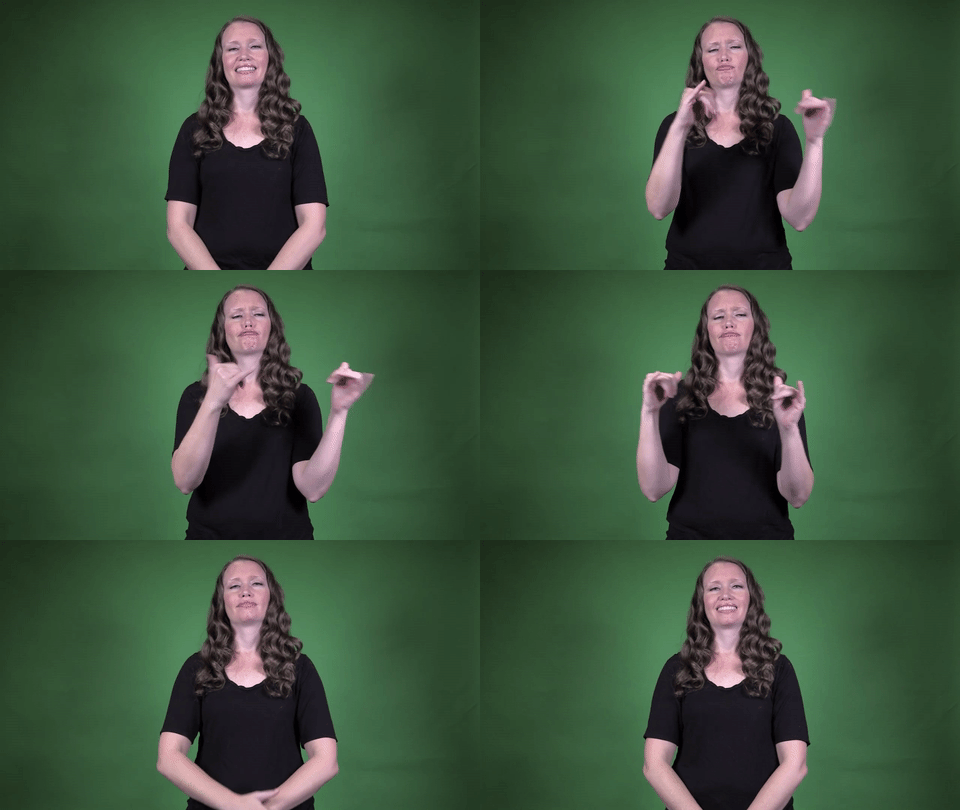
Sign for PLAY in ASL | ASL Dictionary

Definition: To engage in recreational activities.

Sign for PLAY in ASL

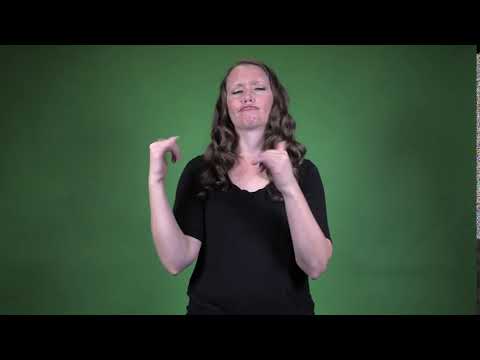
YouTube player

Practice Activities

One of the best ways to master the sign for PLAY in ASL is through consistent mirror work. Stand in front of a mirror and perform the sign slowly, watching your handshape, movement, and facial expression. This helps ensure accuracy, especially for beginners who are still developing muscle memory and visual recognition.

Recording yourself while signing is another effective technique. Record short clips of yourself using the sign for PLAY in ASL in different sentences or scenarios. Then, compare your recordings to videos of fluent signers to identify any differences in handshape, palm orientation, or motion.

Signing in context helps cement the sign into your everyday vocabulary. Use the sign for PLAY in ASL when interacting with children, during casual conversations, or when describing activities such as sports, games, or leisure time. Incorporating signs into real-life situations strengthens recall and improves fluency.

For advanced learners, drill exercises can refine your execution. Practice switching rapidly between the sign for PLAY in ASL and other action verbs such as WORK, RUN, or SWIM. This will improve your fluidity and helps mimic the natural pace of conversation.

You can also create flashcards or use ASL learning apps to test your recognition and production of the sign for PLAY in ASL. Try responding to prompts like “What do you do after school?” or “What do kids like to do?” using the target sign.

SEO Cultural Context

Understanding the cultural background of the sign for PLAY in ASL enriches your knowledge of Deaf language and community practices. In Deaf culture, play is not only a recreational activity but also a key context for socialization, especially among Deaf children who learn ASL through interaction and shared experiences.

The sign for PLAY in ASL typically uses the Y-handshape on both hands, tilted slightly outward, and shaken gently at the wrists. This motion suggests light, carefree movement, reflecting the spontaneous and joyful nature of play. It’s a common sign in both casual and educational settings, especially in Deaf schools and youth programs.

Regional variation in the sign for PLAY in ASL is minimal, but some older signers may use a slightly different wrist motion or hand positioning depending on their geographic or institutional background. Nevertheless, the standard modern form is widely recognized and understood across the United States.

The sign is frequently used in classroom instructions, parent-child interactions, and social events. For example, a teacher might sign “Time to play!” to signal a recess break. In Deaf families, caregivers often use the sign for PLAY in ASL when encouraging children to engage in fun or imaginative activities.

Extended Definition

The sign for PLAY in ASL uses both hands in the Y-handshape (thumb and pinky extended, other fingers folded). Place your hands near your shoulders with palms facing each other or slightly outward. Then, twist your wrists back and forth in a relaxed, rhythmic motion.

This sign conveys the idea of recreation, fun, or leisure. It can apply to a wide range of activities such as playing games, instruments, or sports. It’s important to note that context determines meaning in ASL, so additional signs may be needed to clarify what kind of play is being referred to.

Do not confuse the sign for PLAY in ASL with similar signs like YELLOW or PHONE, which also use the Y-handshape. The difference lies in the movement and hand location. For example, the sign for YELLOW involves shaking the Y-handshape near the side of your head, while the sign for PLAY uses both hands and a broader motion near the shoulders.

Another common error is twisting the wrists too forcefully or stiffly. The motion should be relaxed and playful, mimicking the lightness of the activity itself. Overemphasis can make the sign look unnatural or change its meaning.

Tips for Beginners

If you’re new to ASL, learning the sign for PLAY in ASL is a great starting point because it’s fun, expressive, and commonly used. Begin by getting the Y-handshape right—many beginners accidentally extend other fingers or confuse it with the ILY handshape. Practicing in front of a mirror can help correct this early on.

Stay relaxed when signing. The motion should be gentle and rhythmical, not stiff or robotic. Tension in your hands or arms can make the sign look awkward and reduce clarity.

One common beginner mistake is using only one hand. Remember, the sign for PLAY in ASL requires both hands. Using only one hand may affect comprehension, especially in fluent conversations.

Another tip is to watch videos of native signers using the sign in context. Pay attention to how they incorporate facial expressions and body language to enhance the meaning. This will help you become more expressive and confident in signing.

Don’t be afraid to ask for feedback. If you’re learning in a class or with a Deaf mentor, ask them to observe your signing and suggest improvements. Their insights can help you fine-tune your technique and boost your confidence.

Connections to Other Topics

The sign for PLAY in ASL is closely related to the sign for FUN, which uses the H-handshape and involves tapping the nose and then the other hand. Both signs convey enjoyment and positive emotion, making them common in social and recreational contexts.

Another related sign is GAME, which uses closed fists in a knuckle-to-knuckle tapping motion. While the sign for PLAY in ASL is more general, the sign for GAME refers specifically to structured or competitive activities.

The sign for CHILDREN often appears in the same context as PLAY. In stories, classroom settings, or family interactions, you might see CHILDREN and PLAY used together to describe group activities or leisure time.

SPORT is another useful sign to learn alongside PLAY. While PLAY refers to the act of engaging in an activity, SPORT often emphasizes competition, physicality, or organized games. It’s signed by brushing the A-handshapes of both hands together in a back-and-forth motion.

Lastly, the sign for RECESS is commonly used in educational settings and pairs naturally with the sign for PLAY in ASL. Teachers and students use these signs to talk about break times and outdoor activities during the school day.

Lengthy Summary

The sign for PLAY in ASL is a versatile and expressive sign that captures the essence of fun, leisure, and togetherness. Using the Y-handshape on both hands, the sign involves a gentle twisting motion near the shoulders that mirrors the free-spirited nature of play. It is widely used in everyday conversations, especially among children, educators, parents, and community members in the Deaf world.

Culturally, the sign for PLAY in ASL holds significant value. It represents more than just fun—it’s also a mode of learning, bonding, and emotional expression. In Deaf culture, play is a vital part of early language acquisition and social development, making this sign both practical and meaningful.

For learners, mastering this sign opens doors to more fluent and natural communication. From mirror work and video recording to contextual use and advanced drills, there are many effective ways to practice. Beginners should focus on accurate handshape, relaxed movement, and consistent use of both hands to avoid common mistakes.

The sign connects to a broader network of ASL vocabulary, including FUN, GAME, CHILDREN, SPORT, and RECESS. These related signs help expand your signing range and deepen your understanding of how ASL conveys concepts of activity and enjoyment.

Incorporating the sign for PLAY in ASL into your daily practice not only enhances your vocabulary but also brings joy to your signing journey. Whether you’re interacting with Deaf peers, participating in a class, or signing with family, this sign allows you to express a universal human experience—having fun.

Keep practicing, stay curious, and don’t shy away from using what you’ve learned. The more you sign, the more natural your communication will become. Let the sign for PLAY in ASL be a reminder that learning a language can—and should—be fun .

Synonyms: perform, act, participate, engage, take part

Educational resources: Find related learning materials in our course bank!

Want more? Check out some of our popular learning activities on the homepage!

Need to look up a sign? Use our highly rated dictionary: https://aslinteractive.com/best-asl-dictionary/

Follow us on tiktok: https://www.tiktok.com/@aslinteractive. More social media links at the bottom of this page!

Long-tail Keywords: What is the sign for play in ASL, How do you sign play in American Sign Language, Learn how to sign play in ASL

Categories:

tags: play in American Sign Language, ASL vocabulary activities, ASL recreational signs, learning play in ASL, ASL verbs for leisure

Want more? Check out some of our popular learning activities!

ASL Interactive Resources

ASLInteractive YouTube Channel

Follow us on tiktok: @aslinteractive.com

Follow us on Instagram: aslinteractive

Facebook page: aslinteractive

Facebook group: aslinteractive

LInkedIn: ASL Interactive LLC

Twitter: @ASL_interactive

*Some information on this page is AI-generated. AI can make mistakes. Please check the information.


Responses