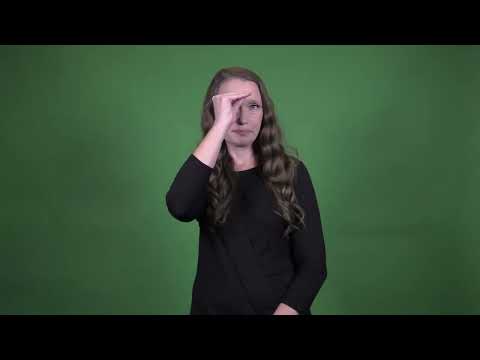
Definition: A male member of a royal family.
Sign for PRINCE in ASL
Practice Activities
One of the most effective ways to master the sign for PRINCE in ASL is through consistent and focused practice. Begin by standing in front of a mirror and practicing the sign slowly, paying attention to handshape, movement, and facial expression. Mirror work allows you to self-correct and build confidence in your form.
Recording yourself while signing is another excellent method. Play back your videos to check for clarity and compare with native signers. Try signing the word in complete sentences like “The prince is wearing a crown” to reinforce fluency and grammatical context.
To move beyond isolated practice, engage in contextual signing. Role-play scenarios where you might use the sign for PRINCE in ASL, such as storytelling, describing characters from books or movies, or discussing royalty in history lessons. This adds depth and retention to your learning.
For advanced learners, challenge yourself with speed drills and receptive practice. Watch native signers use the sign in conversation and try to identify it in real-time. You can also practice incorporating the sign for PRINCE in ASL into longer narratives or dialogues to simulate natural conversation flow.
SEO Cultural Context
Understanding the cultural context of the sign for PRINCE in ASL enhances both your linguistic and cultural fluency. In Deaf culture, royalty terms like prince, princess, and king are not just literal—they are also used metaphorically in storytelling, poetry, and visual vernacular. These signs often carry symbolic meaning depending on the narrative being told.
The sign for PRINCE in ASL is typically a compound of the sign for “P” and a motion that traces a sash across the body, similar to the signs for KING and QUEEN. This gesture mimics the regal sash worn across the chest, a common visual marker of nobility. The use of an initialized handshape (the “P” for prince) is an example of how ASL integrates English letters into signs for proper nouns and titles.
Regional variation in the sign for PRINCE in ASL is minimal, but some communities may use slight differences in movement or hand placement. It’s always a good idea to observe how native signers in your area use the sign and adapt accordingly. In formal Deaf storytelling and performances, the sign may be exaggerated for theatrical effect, emphasizing the character’s royal status.
The sign is most commonly used when discussing fairy tales, royalty, historical figures, or during cultural events and plays. It can also appear in educational discussions about government systems or literature. Knowing when and how to use the sign for PRINCE in ASL appropriately shows cultural respect and linguistic competence.
Extended Definition
The sign for PRINCE in ASL is formed by taking the letter “P” handshape—created by extending the index and middle fingers downward while the thumb rests between them—and moving it diagonally across the torso from the non-dominant shoulder to the opposite hip. This movement mimics the look of a sash worn by royalty, which is a key visual cue in ASL’s iconic structure.
This sign is closely related to the signs for KING and QUEEN, which use the “K” and “Q” handshapes respectively and follow the same downward sash motion. The use of initialized handshapes helps distinguish between different members of royalty while maintaining a consistent visual theme. This makes the sign for PRINCE in ASL both intuitive and easy to remember once the pattern is understood.
A common mistake learners make is confusing the orientation of the “P” handshape. It’s important to ensure that the palm is facing outward and that the fingers point downward during the movement. Another frequent error is starting the motion from the wrong shoulder or making the movement too short, which can obscure the meaning.
The sign can be modified to indicate plural forms or possessive context. For example, to sign “princes,” you can repeat the motion slightly or add a plural marker. To say “the prince’s crown,” you would sign PRINCE followed by the possessive structure and then the sign for CROWN.
Tips for Beginners
For those just beginning to learn the sign for PRINCE in ASL, start with mastering the “P” handshape. Practice holding the handshape steadily before attempting the full motion. If forming the “P” feels awkward, take time to strengthen your fingers with simple hand exercises.
Next, focus on the diagonal movement across the body. Use slow, deliberate motions and ensure that your sign is visible and clear—especially if you’re practicing in front of a camera or mirror. Don’t rush the motion; clarity is more important than speed at this stage.
One common beginner mistake is using the wrong starting point—some learners start at the hip instead of the shoulder. Always remember that the sash goes from shoulder to opposite hip, mirroring the visual of a prince’s regalia.
Another tip is to watch native signers or high-quality ASL videos. Seeing the sign for PRINCE in ASL in natural conversation helps reinforce correct form and usage. Ask a fluent signer or teacher for feedback if possible. It’s okay to make mistakes—what matters most is consistent, mindful practice.
Connections to Other Topics
The sign for PRINCE in ASL connects closely with several other signs, both linguistically and thematically. One obvious connection is the sign for PRINCESS, which uses the same sash motion but with the letter “P” or sometimes a modified “R” handshape, depending on regional preference. This sign is often paired with PRINCE when discussing fairy tales or storytelling.
Another related sign is KING, which uses a “K” handshape and the same diagonal motion. Together, these signs create a family of royalty terms in ASL that are easy to learn once you understand the pattern. Similarly, the sign for QUEEN uses a “Q” handshape and follows the same path, reinforcing the idea of a visual system for nobility.
The sign for CROWN is another useful vocabulary word. It is often used in conjunction with the sign for PRINCE in ASL to describe attire, identity, or ceremonial events. It typically involves a gesture that mimics placing a crown on the head, and it visually complements the sash motion of PRINCE.
In terms of grammar, these signs often appear in descriptive classifiers or narrative sequences. For example, when telling a story, you might use facial expressions, classifiers, and directional verbs alongside the sign for PRINCE in ASL to build a vivid picture.
Finally, the sign connects to broader themes in ASL storytelling and Deaf culture. Many ASL narratives feature royalty as symbolic figures representing challenges, virtues, or transformation. Learning how to sign PRINCE correctly can enrich your understanding of these deeper cultural layers.
Lengthy Summary
Mastering the sign for PRINCE in ASL involves more than just learning handshapes and motions—it’s about understanding the cultural, visual, and linguistic layers that make ASL a rich and expressive language. This sign combines the initialized “P” handshape with a graceful diagonal motion across the body, mirroring the sash worn by royalty. It is closely related to other regal signs like KING, QUEEN, and PRINCESS, which share a similar structure but differ in handshape.
Practicing this sign through mirror work, video recording, contextual scenarios, and advanced drills can help solidify your skills. Whether you’re telling a fairy tale, discussing a historical figure, or performing in an ASL narrative, knowing the correct sign for PRINCE in ASL enhances your communication and cultural awareness.
Culturally, this sign reflects Deaf community norms that value visual storytelling and symbolic representation. It’s typically used in stories, education, and theatrical performances. Regional variations are minimal, but it’s always wise to observe local usage.
Beginners should take time to master the “P” handshape and the diagonal motion from shoulder to hip. Avoid common pitfalls like incorrect orientation or starting point. Watching native signers and engaging in regular practice will greatly speed up your learning curve.
The sign for PRINCE in ASL also connects with broader ASL themes and structures. Recognizing its relationship to similar signs and incorporating it into grammatical frameworks will deepen your fluency and confidence.
As you continue your ASL journey, let the sign for PRINCE in ASL be a stepping stone into more complex storytelling and cultural exploration. Keep practicing, stay curious, and remember that each sign you learn brings you closer to full expressive power in American Sign Language. ✨
Synonyms: royal son, heir apparent, crown prince, sovereign’s son, noble
Educational resources: Find related learning materials in our course bank!
Want more? Check out some of our popular learning activities on the homepage!
Need to look up a sign? Use our highly rated dictionary: https://aslinteractive.com/best-asl-dictionary/
Follow us on tiktok: https://www.tiktok.com/@aslinteractive. More social media links at the bottom of this page!
Long-tail Keywords: what is the sign for prince in ASL, how do you sign prince in ASL, ASL sign for prince
Categories:
tags: royalty signs, ASL titles, people in ASL, ASL vocabulary for roles, prince sign ASL
Want more? Check out some of our popular learning activities!
ASL Interactive Resources
ASLInteractive YouTube Channel
Follow us on tiktok: @aslinteractive.com
Follow us on Instagram: aslinteractive
Facebook page: aslinteractive
Facebook group: aslinteractive
LInkedIn: ASL Interactive LLC
Twitter: @ASL_interactive
*Some information on this page is AI-generated. AI can make mistakes. Please check the information.


Responses