Definition: Making little or no noise.
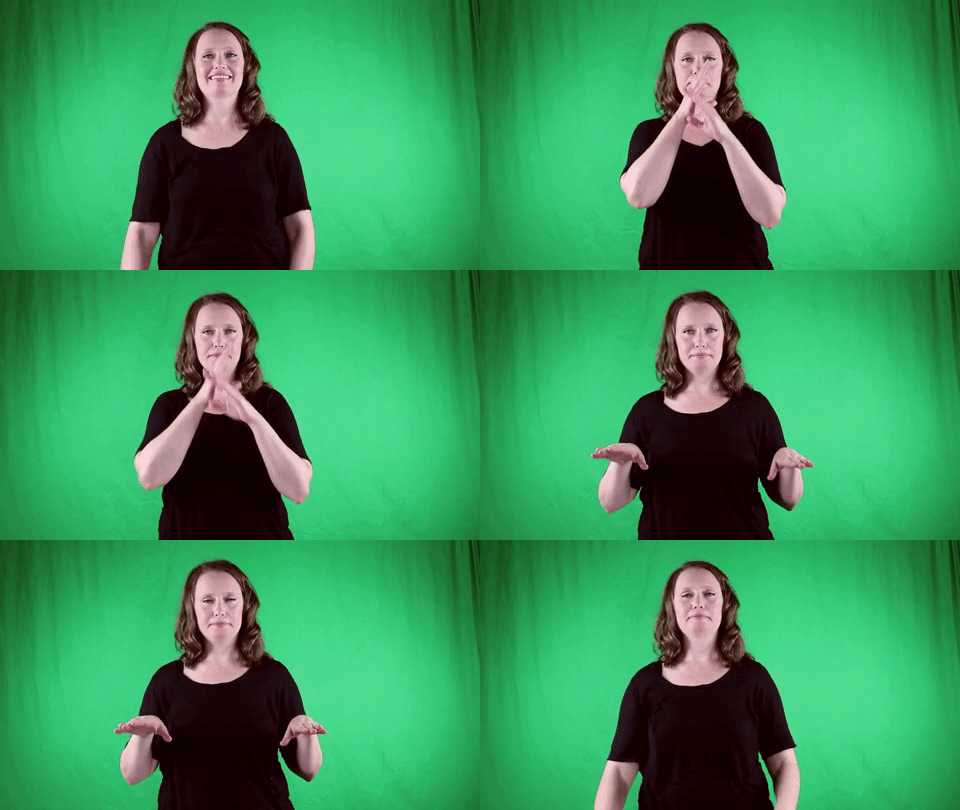
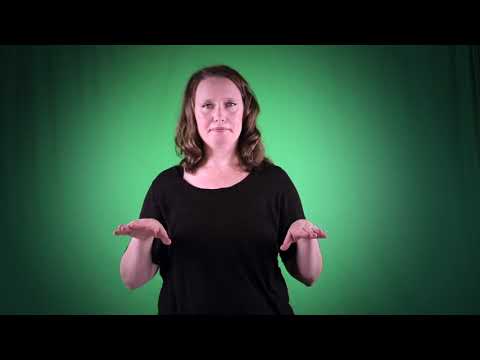
Sign for QUIET in ASL
Practice Activities
Practicing the sign for QUIET in ASL is essential for developing fluency, accuracy, and confidence. One of the most effective methods is using a mirror to observe your facial expression and hand movement. This sign includes a calm, composed facial expression, and practicing in front of a mirror can help you align your non-manual markers with the correct handshape and motion.
Recording yourself while signing the sign for QUIET in ASL is another strong strategy. Reviewing these videos allows you to self-correct and track your progress. Try signing sentences like “The baby is quiet now” or “Please be quiet” to see how your use of the sign fits into broader communication.
Signing in context is especially helpful. Use the sign during activities that require silence, such as studying or being in a library. This real-life application makes the sign more memorable and reinforces its meaning.
Advanced learners can practice the sign for QUIET in ASL by incorporating it into storytelling or interpreting exercises. Try translating a scene from a book or a short video where someone is being asked to remain quiet. This helps build fluency and deepens your understanding of how the sign functions in different contexts.
Pair practice with receptive work by watching native signers use the sign for QUIET in ASL in conversations or vlogs. Pause and repeat sections to mimic their rhythm and expression. This enhances both expressive and receptive skills.
SEO Cultural Context
Understanding the cultural context of the sign for QUIET in ASL is just as important as learning the sign itself. In Deaf culture, visual communication is prioritized, so silence or quietness often carries different connotations than in hearing culture. The sign for QUIET in ASL doesn’t only mean the absence of sound—it implies calm, peace, or a need for visual focus.
In Deaf spaces, asking someone to be quiet is more about reducing movement or visual distractions rather than sound. For example, waving your hands or using exaggerated expressions during a presentation may be considered disruptive. The sign for QUIET in ASL is used to encourage a visually calm environment.
There may be slight regional variations in how the sign is performed. Some communities may use a slightly modified motion or facial expression, especially among older or younger signers. However, the core meaning remains consistent across most ASL users.
Using the sign for QUIET in ASL is common in educational settings, religious services, storytelling sessions, and other group activities. It’s a respectful way to request focus and reduce visual or physical interruptions. Understanding when and how to use this sign shows cultural awareness and respect for ASL norms.
Extended Definition
The sign for QUIET in ASL typically involves bringing both open hands together in front of the mouth, palms down, and then moving them apart in a smooth, flat motion. The fingers are usually together, and the hands move in a calm, controlled way to indicate silence or stillness. The facial expression should match the sign’s meaning—relaxed and neutral.
This sign is closely related to the concept of PEACEFUL or CALM, depending on context. However, it is distinct from signs like SILENT or SHUT-UP, which carry different tones and usages. SHUT-UP, for example, uses a closing motion over the mouth and can appear more forceful or even rude if used inappropriately.
Common errors include using the wrong handshape or failing to match the facial expression to the sign. Some learners mistakenly use a harsh or abrupt motion, which can change the tone entirely. It’s important to maintain a gentle, fluid movement when signing the sign for QUIET in ASL.
Another frequent mistake is overusing the sign in situations where it may not be appropriate. In Deaf culture, communication is valued, and asking for quiet should be situational and respectful. Learning the nuance of when to use this sign is part of becoming a culturally aware signer.
Tips for Beginners
If you’re just starting to learn the sign for QUIET in ASL, keep your movements smooth and deliberate. Rushing through the sign can disrupt its meaning and make it harder for others to understand you. Focus on the calm energy the sign conveys.
Pay close attention to your facial expressions. In ASL, non-manual markers are just as important as the hand movements. A relaxed and composed face complements the sign for QUIET in ASL and helps convey the correct tone.
Beginners often confuse this sign with similar ones like SHUT-UP or SILENT. Take time to study each sign in isolation and in context. Watch videos of native signers and mimic their execution to build muscle memory.
Don’t be discouraged if your signing doesn’t look perfect at first. Use tools like video recording and mirror practice to reflect on your progress. The more you practice, the more natural the sign for QUIET in ASL will feel.
Try incorporating the sign into daily routines. If you’re reading or meditating, sign QUIET to yourself or others. This kind of contextual rehearsal reinforces memory and builds confidence.
Connections to Other Topics
The sign for QUIET in ASL shares visual and conceptual relationships with several other signs. One closely related sign is CALM, which uses a similar hand movement and conveys a sense of peace or tranquility. Both signs often appear in similar emotional or social contexts.
Another related sign is PEACE. While PEACE can have broader philosophical or emotional meanings, it shares the same gentle, deliberate motion found in the sign for QUIET in ASL. Understanding how these signs differ and overlap can enrich your vocabulary.
The sign SILENT is also worth examining. It tends to be more about the absence of sound rather than visual stillness. Comparing SILENT and QUIET helps deepen your understanding of ASL semantics and cultural nuance.
In terms of grammar, these signs often function as adjectives or adverbs and can modify verbs in an ASL sentence. Learning how to incorporate them into full sentences improves your grammatical structure and fluency.
Also, consider learning the signs for NOISE and DISTRACTION. These are often used in contrast with the sign for QUIET in ASL and help round out your expressive abilities. Knowing both sides of a concept enables clearer communication and comprehension.
Lengthy Summary
Mastering the sign for QUIET in ASL requires more than memorizing hand movements—it involves understanding context, culture, and communication norms. This sign is used to convey stillness, calm, or a request for reduced visual distractions rather than merely the absence of sound. In Deaf culture, the concept of quiet is deeply tied to creating a visually respectful and focused environment.
The visual structure of the sign for QUIET in ASL involves two flat, open hands moving outward from the mouth in a gentle, calming motion. Facial expression plays a key role and should reflect tranquility. Beginners should focus on smooth execution, appropriate context, and emotional tone. Practicing in mirrors, recording video, and applying the sign in real-life scenarios are all effective ways to improve your proficiency.
There is often confusion between QUIET and similar signs like SHUT-UP, SILENT, or CALM. By studying each sign’s subtle differences, learners can avoid common pitfalls and develop a deeper, more respectful usage of ASL vocabulary. These distinctions also offer insight into how ASL expresses nuanced emotional and social cues.
The sign for QUIET in ASL connects to other important signs like PEACE, CALM, and NOISE. These connections help build a broader lexicon and offer more expressive range in communication. Understanding how to use these signs in context, and with proper grammatical structure, enhances your overall fluency.
Cultural awareness is key. The sign for QUIET in ASL isn’t just about silencing sound—it’s about creating a respectful and focused visual environment. Using the sign appropriately shows that you value Deaf culture and are committed to learning ASL authentically.
Now that you’ve explored the meaning, usage, and practice strategies for the sign for QUIET in ASL, it’s time to take what you’ve learned and put it into action. Keep practicing daily, engage with native signers whenever possible, and stay curious. Every sign you learn brings you closer to becoming a confident and culturally aware ASL communicator .
Synonyms: silent, calm, peaceful, tranquil, still
Educational resources: Find related learning materials in our course bank!
Want more? Check out some of our popular learning activities on the homepage!
Need to look up a sign? Use our highly rated dictionary: https://aslinteractive.com/best-asl-dictionary/
Follow us on tiktok: https://www.tiktok.com/@aslinteractive. More social media links at the bottom of this page!
Long-tail Keywords: what is the sign for quiet in asl, how do you sign quiet in asl, asl sign for quiet
Categories:
tags: quiet in sign language, ASL quiet sign, how to sign quiet in ASL, silence in American Sign Language, communication in ASL
Want more? Check out some of our popular learning activities!
ASL Interactive Resources
ASLInteractive YouTube Channel
Follow us on tiktok: @aslinteractive.com
Follow us on Instagram: aslinteractive
Facebook page: aslinteractive
Facebook group: aslinteractive
LInkedIn: ASL Interactive LLC
Twitter: @ASL_interactive
*Some information on this page is AI-generated. AI can make mistakes. Please check the information.

Responses