Practice Activities
Learning the sign for REMOTE LOCK in ASL can be both fun and rewarding when you engage in a variety of practice techniques. Start with mirror work—stand in front of a mirror and sign while watching your handshape, movement, and facial expression to ensure accuracy and clarity. This method helps you build muscle memory and become more confident in your sign production. Next, try recording yourself signing the sign for REMOTE LOCK in ASL. Review the video to see if your movement is precise and if your facial grammar matches the meaning. This is especially helpful in catching subtle mistakes that are hard to spot in real-time. Use the sign in everyday contexts to build fluency. For example, when discussing locking your car or using a smart home system, incorporate the sign for REMOTE LOCK in ASL into your conversations. Practicing in context helps you internalize the sign and understand how it functions in natural settings. For more advanced learners, create mini-dialogues or role-play scenarios that involve using the sign for REMOTE LOCK in ASL. These might include conversations about technology, safety features, or even storytelling. Signing with a partner or tutor allows you to receive feedback and refine your performance.
SEO Cultural Context
Understanding the cultural context of the sign for REMOTE LOCK in ASL deepens your appreciation of how language and technology intersect in the Deaf community. As smart devices and remote control systems become more prevalent, ASL continues to evolve to include signs for modern concepts like remote access and digital security. In Deaf culture, communication is highly visual and precise. The sign for REMOTE LOCK in ASL reflects this, often combining signs for “remote” and “lock” in a clear, sequential pattern. It’s important to respect the grammar and syntax of ASL when using this sign, rather than translating from English word-for-word. Regional variation may exist, especially in how the concepts of “remote” and “lock” are signed. Some communities might use initialized signs, while others may prefer classifiers or more descriptive movements. Always be open to learning multiple versions and use the one most appropriate for your setting or region. The sign for REMOTE LOCK in ASL is commonly used in conversations about cars, smart homes, or electronic security systems. It’s also relevant in educational settings, particularly when teaching technology-related vocabulary to Deaf students.
Extended Definition
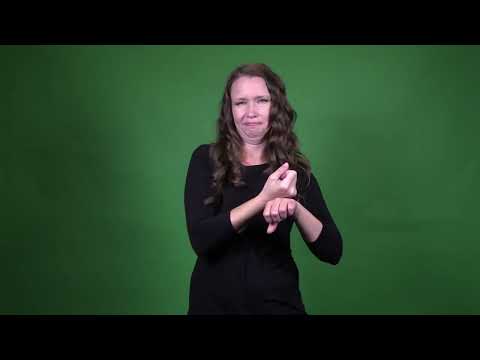
The sign for REMOTE LOCK in ASL typically involves a two-part concept. First, you sign “remote” using a gesture that resembles pressing a button or pointing with a controlling motion. Then, you follow with the sign for “lock,” which usually involves a clasping motion that mimics the action of locking something physically. This sign is not typically a single, unique sign but rather a compound of two separate signs: “remote” and “lock.” The sequencing and clarity between the two parts are essential for the meaning to come across accurately. It’s important not to rush or blur the transition, as this can lead to confusion with similar signs like “control lock” or “automatic lock.” Common errors include over-exaggeration of the “remote” sign or incorrect use of handshape in the “lock” portion. Beginners sometimes omit the directional aspect of pressing a button remotely, which is key to conveying the correct meaning. Others may use a sign for “lock” that implies manual locking rather than remote control, changing the intended message. The sign for REMOTE LOCK in ASL is a great example of how ASL adapts to modern technology. As devices continue to advance, so does the language, incorporating new concepts into its visual-spatial grammar seamlessly.
Tips for Beginners3>
If you’re just starting to learn the sign for REMOTE LOCK in ASL, don’t worry if it feels a bit complex at first. Break it down into its parts—learn the individual signs for “remote” and “lock” before combining them. This will help you build confidence and understand the logic of compound signs. One common mistake beginners make is focusing only on hand movements and neglecting facial expressions. In ASL, facial grammar plays a major role in adding context and clarity. Make sure your face reflects the seriousness or urgency that might accompany the concept of locking something remotely. Another tip is to practice slowly and intentionally. Rushing through the sign can cause sloppiness or miscommunication. Take your time to ensure you’re using the correct handshapes, palm orientation, and movement flow. Ask a fluent signer or instructor to give you feedback. They can point out subtle errors and offer corrections that improve your overall fluency. Watching Deaf signers use the sign for REMOTE LOCK in ASL in natural conversation is also a great way to see it in action. Keep practicing regularly. Repetition is key to mastering any new sign, especially one that involves a sequence. The more you practice, the more natural it will become.
Connections to Other Topics
The sign for REMOTE LOCK in ASL connects to several other important ASL vocabulary and concepts. One related sign is “CAR,” which is often used when discussing remote locks in the context of vehicles. Combining these signs helps build more complex sentences like “I locked my car remotely.” Another connected sign is “SMARTPHONE” or “APP,” especially when discussing locking mechanisms controlled by mobile devices. These signs are frequently used together in modern tech-related discussions in ASL. The sign “SECURITY” also ties in well with the sign for REMOTE LOCK in ASL. These signs are often used in the same conversations about home safety, personal protection, or electronic access systems. “DOOR” and “CLOSE/LOCK” are useful when expanding your vocabulary around physical spaces. For example, signing about locking a door remotely involves combining signs in a logical sequence that mirrors real-world actions. Finally, the sign “CONTROL” or “REMOTE CONTROL” gives deeper context to the idea of remote access. Understanding how these signs work together enhances your ability to describe technological features and actions in ASL.
Lengthy Summary
The sign for REMOTE LOCK in ASL is a practical and modern sign that reflects the growing influence of technology in daily life and language. It is typically expressed as a compound of two distinct signs—“remote” and “lock”—which, when combined, convey the concept of securing something via a remote device. This structure illustrates how ASL builds new vocabulary by layering existing signs in meaningful ways. Practicing this sign effectively involves a combination of mirror work, recorded signing, contextual usage, and advanced role-playing exercises. Each method reinforces different aspects of learning, from muscle memory to fluency in real-world conversations. Beginners are encouraged to take their time, focus on both hands and face, and seek feedback from more experienced signers. Culturally, the sign for REMOTE LOCK in ASL is an excellent example of how Deaf language and culture adapt to technological advances. The Deaf community values clarity, visual precision, and cultural relevance in communication. Understanding regional variations and respecting ASL grammar ensures respectful and accurate use of this sign. This sign also connects to a wider network of related ASL vocabulary, such as “car,” “app,” “security,” “door,” and “control.” By learning these related signs, learners can build a more complete linguistic toolkit to discuss modern technology, safety, and daily routines. Common mistakes, such as blending the signs too quickly or misusing handshapes, can be avoided with steady, mindful practice. Watching fluent signers and engaging in real conversations further solidifies understanding and usage. In summary, the sign for REMOTE LOCK in ASL is not only useful but also highlights how vibrant and adaptive American Sign Language truly is. Whether you’re a beginner or an advanced student, keep practicing, stay curious, and continue exploring how ASL captures the world around us. Your dedication will unlock not just vocabulary, but deeper cultural and linguistic understanding . Synonyms: remote access lock, wireless lock, digital lock, smart lock, keyless entry Educational resources: Find related learning materials in our course bank! Want more? Check out some of our popular learning activities on the homepage! Need to look up a sign? Use our highly rated dictionary: https://aslinteractive.com/best-asl-dictionary/ Follow us on tiktok: https://www.tiktok.com/@aslinteractive. More social media links at the bottom of this page! Long-tail Keywords: what is the sign for remote lock in ASL, how do you sign remote lock in ASL, ASL sign for remote lock Categories: tags: technology, security, home devices, remote concepts, ASL vocabulary
Want more? Check out some of our popular learning activities!
ASL Interactive Resources
ASLInteractive YouTube Channel
Follow us on tiktok: @aslinteractive.com
Follow us on Instagram: aslinteractive
Facebook page: aslinteractive
Facebook group: aslinteractive
LInkedIn: ASL Interactive LLC
Twitter: @ASL_interactive
*Some information on this page is AI-generated. AI can make mistakes. Please check the information.
Responses