Practice Activities
Practicing the sign for REPRESENTATIVE in ASL can be both engaging and effective when approached through a variety of learning techniques. Start with mirror work: stand in front of a mirror and sign slowly to check your handshape, palm orientation, and movement. This allows you to self-correct and become more aware of how the sign looks to others. Next, record yourself signing. Watching your own videos helps you track progress, notice subtle errors, and refine your performance over time. Use different sentences and contexts where the sign for REPRESENTATIVE in ASL might naturally occur, such as “She is our class representative” or “Talk to your representative about the issue.” Sign in context as much as possible. Role-play scenarios where a representative is present—like a student council meeting or a political discussion. This helps reinforce the sign in real-world linguistic environments, which strengthens memory and understanding. For more advanced learners, try receptive and expressive drills. Watch fluent ASL users sign political or organizational concepts and identify the sign for REPRESENTATIVE in ASL in their signing. Then, try to recreate those phrases on your own. Challenge yourself to sign entire paragraphs that include a variety of professional or civic vocabulary. In group settings, practice dialogues including the sign for REPRESENTATIVE in ASL to develop fluency. You can take turns playing different roles—such as a representative, a citizen, or a leader—to contextualize the vocabulary in dynamic interactions.
SEO Cultural Context
Understanding the cultural context of the sign for REPRESENTATIVE in ASL is essential to using it respectfully and accurately. In Deaf culture, representation—whether in politics, education, or community leadership—holds significant value. The sign for REPRESENTATIVE in ASL reflects this importance, as it is often used during civic events, community meetings, or advocacy discussions. Deaf community members often rely on representatives within school systems, workplaces, and government to ensure accessibility and equity. So, the sign for REPRESENTATIVE in ASL carries weight, especially in conversations about rights, inclusion, and advocacy. There may be slight regional variations in how this sign is produced. Some signers may emphasize different parts of the compound sign (such as PERSON or AGENT markers), depending on their local ASL dialect. Always be open to learning these variations and understanding what is most accepted or preferred in different Deaf communities. It’s also worth noting that Deaf culture places strong emphasis on clarity and integrity in communication. When using the sign for REPRESENTATIVE in ASL, it’s important to convey not only the correct handshape and motion but also the appropriate facial expression to reflect status, formality, or importance in the conversation.
Extended Definition
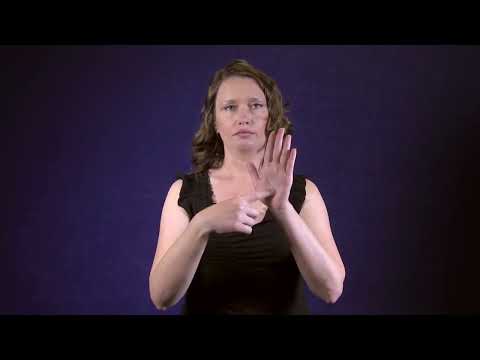
The sign for REPRESENTATIVE in ASL typically involves a compound sign structure. It often starts with the sign for REPRESENT, which may involve one hand moving from the front of the body outward, showing the idea of speaking or acting on behalf of others. This is followed by the person marker, often formed with two open hands moving downward in parallel—a sign that frequently represents roles or occupations. This compound format mirrors many other ASL signs where a function or action is followed by a person indicator to signify a profession or role. When done smoothly, the sign for REPRESENTATIVE in ASL communicates the idea of a person who stands in for or acts on behalf of others, whether in politics, school, or community organizations. Common errors include omitting the person marker, which can confuse the message and make the sign unclear. Another mistake is incorrect palm orientation during the REPRESENT portion of the sign. Beginners sometimes sign too close to the body or use an incorrect movement path, which alters the meaning. It’s helpful to compare the sign for REPRESENTATIVE in ASL with related signs such as PRESIDENT, LEADER, or ADVOCATE. Each of these has its own nuance, and understanding their differences helps clarify your message. For example, while a president holds a specific title, a representative may serve in a more general or elected capacity.
Tips for Beginners
If you’re just starting to learn the sign for REPRESENTATIVE in ASL, remember that consistency and repetition are key. Begin by breaking the sign into two clear parts: the action or function (representing) and the person marker. Practice each separately before combining them into a fluid sign. One common mistake beginners make is rushing through the sign, which can lead to sloppy handshapes or unclear meaning. Slow down and focus on precision. Use video references or a fluent signer as a model to ensure you’re capturing the correct motion and expression. Another helpful strategy is to use flashcards or digital apps that include the sign for REPRESENTATIVE in ASL. Pair the sign with images or written concepts that represent different types of representatives—like a student council member, a political delegate, or a spokesperson. Encourage yourself with small goals. Master the sign in isolation, then use it in basic sentences. Celebrate progress as you begin to understand and use the sign for REPRESENTATIVE in ASL more naturally in conversation.
Connections to Other Topics
The sign for REPRESENTATIVE in ASL connects closely with other civic and professional vocabulary in ASL. One related sign is GOVERNMENT, which often appears in the same context. Understanding this sign helps provide a broader framework for discussions involving representatives and public service. Another useful connection is the sign for VOTE. Since representatives are often selected through elections, this sign frequently appears alongside the sign for REPRESENTATIVE in ASL in political or educational contexts. You’ll also want to learn the sign for ADVOCATE. This concept overlaps with representation, especially in community and legal settings. While not identical, the idea of standing up for someone else is a shared theme. The sign for LEADER is another important connection. While a leader may or may not be a representative, both signs are used in hierarchical or organizational structures. Comparing the nuances between them deepens your semantic understanding. Finally, the sign for COMMUNITY can be a valuable addition to your vocabulary. Representatives often act on behalf of a community, so these signs are commonly used together in discussions about civic roles or leadership responsibilities.
Lengthy Summary
Mastering the sign for REPRESENTATIVE in ASL opens the door to richer, more meaningful conversations about leadership, advocacy, and civic engagement. This sign is more than just a vocabulary word—it represents a core concept within the Deaf community, especially when discussing access, inclusion, and representation in decision-making spaces. Through targeted
Practice Activities
like mirror work, video recording, and contextual signing, you can build fluency and confidence. Advanced drills and group role-plays help you internalize the sign and understand how it functions in real-life communication. The sign for REPRESENTATIVE in ASL becomes more than a gesture—it becomes a tool for self-expression and informed dialogue. Cultural knowledge enhances your ability to use the sign respectfully and appropriately. Deaf culture values clear representation and strong community voices, so learning this sign includes an understanding of its social weight. Regional variations and expressive nuances are part of what makes ASL a rich and dynamic language. Defining the sign in detail helps you avoid common pitfalls. By understanding how it connects with related signs like PRESIDENT, ADVOCATE, and LEADER, you develop a more refined and accurate vocabulary. These connections also support your ability to discuss broader themes like governance, responsibility, and advocacy. Beginners should approach the sign for REPRESENTATIVE in ASL with patience and positivity. Mistakes are part of the learning process, and every attempt brings you closer to fluency. Use digital tools, peer feedback, and consistent practice to build your skills over time. The sign for REPRESENTATIVE in ASL ties into many essential topics within both language learning and cultural understanding. It intersects with discussions about politics, community roles, and leadership, making it a high-value sign for learners at all levels. By connecting it to related vocabulary and practicing it in meaningful contexts, you’re not just learning a sign—you’re learning to communicate more deeply and effectively in ASL. Keep practicing, stay curious, and use your growing vocabulary to engage in real conversations. The more you use the sign for REPRESENTATIVE in ASL, the more confident and connected you’ll become in your ASL journey. Synonyms: delegate, envoy, spokesperson, agent, ambassador Educational resources: Find related learning materials in our course bank! Want more? Check out some of our popular learning activities on the homepage! Need to look up a sign? Use our highly rated dictionary: https://aslinteractive.com/best-asl-dictionary/ Follow us on tiktok: https://www.tiktok.com/@aslinteractive. More social media links at the bottom of this page! Long-tail Keywords: what is the sign for Representative in ASL, how do you sign Representative in ASL, Representative in American Sign Language Categories: tags: government and law, professions and titles, civic leadership, workplace vocabulary, advocacy and representation
Want more? Check out some of our popular learning activities!
ASL Interactive Resources
ASLInteractive YouTube Channel
Follow us on tiktok: @aslinteractive.com
Follow us on Instagram: aslinteractive
Facebook page: aslinteractive
Facebook group: aslinteractive
LInkedIn: ASL Interactive LLC
Twitter: @ASL_interactive
*Some information on this page is AI-generated. AI can make mistakes. Please check the information.
Responses