Practice Activities
Learning the sign for RETIRE in ASL takes patience and consistent practice. One of the most effective methods is mirror work. Stand in front of a mirror and perform the sign for RETIRE in ASL while watching your handshape, movement, and facial expression. This helps reinforce muscle memory while also building confidence in your signing accuracy. Another great practice strategy is to record your signing. Use your phone or a webcam to film yourself performing the sign for RETIRE in ASL. Review the footage and compare it to native signers or ASL dictionaries online. Watching yourself allows you to catch subtle errors and improve your fluency over time. Signing in context is essential for retention. Try incorporating the sign for RETIRE in ASL into full sentences. For example, practice saying “My father will retire next year” or “She retired after 30 years.” This helps you understand how the sign fits into the broader structure of ASL grammar. Advanced learners can challenge themselves with drills. Create flashcards with career-related vocabulary and include the sign for RETIRE in ASL among them. Practice transitioning between signs quickly while maintaining clarity. Another method is to watch ASL storytelling videos and identify when and how the sign for RETIRE in ASL appears in natural conversation.
SEO Cultural Context
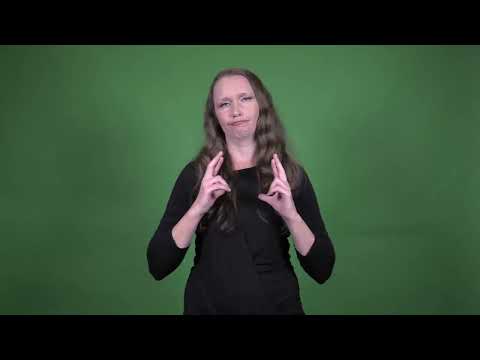
The sign for RETIRE in ASL holds cultural weight within the Deaf community, as retirement often marks a major life transition. In ASL, the sign for RETIRE in ASL typically uses the “R” handshape, touching the chest near the shoulder area. This gesture symbolizes a shift from active employment to a period of rest or new pursuits. In Deaf culture, life transitions such as retirement are celebrated in community settings. Whether someone has worked as a Deaf educator, interpreter, or advocate, the sign for RETIRE in ASL is used to honor their achievements. It’s not just a vocabulary word—it’s a marker of legacy and contribution. There can be slight regional variations in how the sign for RETIRE in ASL is performed. Some signers might use a different location or slightly altered hand movement, but the meaning remains consistent. Understanding these nuances is part of building cultural competence in ASL. In daily life, the sign for RETIRE in ASL is often used in conversations about life plans, benefits, and family events. For example, at family reunions, someone might discuss when they plan to retire, and using the correct sign ensures clarity and respect within the conversation.
Extended Definition
The sign for RETIRE in ASL typically uses both hands in the “R” handshape, touching the upper chest area near each shoulder. The movement is subtle and relaxed, reflecting the concept of stepping back from work or daily obligations. It’s a sign that conveys both the end of one phase and the beginning of another. It’s important not to confuse the sign for RETIRE in ASL with similar signs like REST or VACATION. While they may appear similar, each has its own specific handshape and movement. For example, REST uses flat hands and is more about relaxation, while RETIRE uses “R” handshapes and a specific chest location. One common mistake is using the wrong handshape. Beginners might accidentally use “R” handshapes in the wrong position or substitute them with incorrect letters. Practicing slowly and watching native signers can help internalize the correct form of the sign for RETIRE in ASL. Because ASL is a visual language, facial expressions also play a role in conveying the tone of retirement. A facial expression that reflects pride, excitement, or even relief can align with how the sign for RETIRE in ASL is interpreted in context. This adds emotional depth to the communication.
Tips for Beginners3>
If you’re new to learning the sign for RETIRE in ASL, it’s okay to feel unsure at first. The key is to focus on handshape accuracy and movement. Practice in short bursts daily rather than long, exhausting sessions to build muscle memory more effectively. One of the most common beginner mistakes is switching handshapes mid-sign. Since the sign for RETIRE in ASL uses the “R” handshape, keeping your fingers crossed properly is essential. Spend some time just shaping the “R” until it feels natural in both hands. Use online video dictionaries and ASL mobile apps to see the sign for RETIRE in ASL demonstrated by fluent signers. Pause, rewind, and mimic the movement slowly. Don’t rush the learning process—fluency comes with repetition and attention to detail. Try signing in front of a friend or tutor who knows ASL. They can provide feedback and encouragement as you refine your use of the sign for RETIRE in ASL. Remember, it’s better to sign slowly and correctly than quickly and inaccurately.
Connections to Other Topics
The sign for RETIRE in ASL connects naturally to other signs like WORK, JOB, and CAREER. These signs often appear together in conversations about professional life and long-term plans. Understanding this group of signs can help you describe a full employment history in ASL. Another connected sign is OLD or AGE. When discussing retirement, age often plays a central role. Being able to sign your age and explain at what age you or someone else plans to retire adds depth to your vocabulary. The sign for FINISH is also frequently used alongside the sign for RETIRE in ASL. For example, “I finish work next month—I retire then.” The concept of completion is closely tied to the act of retiring, making FINISH a valuable companion sign. The sign for REST or RELAX may follow a statement about retirement. “Now he can rest” is a common sentiment after someone retires. Knowing these signs helps you express the emotional relief or joy associated with retirement in ASL. Finally, the sign for CELEBRATE may be used when someone is honored for their retirement. Understanding how to sign CELEBRATE along with RETIRE allows for more heartfelt and culturally appropriate communication in community settings.
Lengthy Summary
Mastering the sign for RETIRE in ASL means more than just learning a hand movement—it involves understanding its cultural roots, visual structure, and contextual usage. This sign uses the “R” handshape, touching each side of the chest, and expresses the idea of leaving a career or job, often after many years of service. It’s a visual way of marking an important life transition. Culturally, the sign for RETIRE in ASL reflects values within the Deaf community such as recognition, legacy, and life milestones. It’s often used during retirement parties, family conversations, or public acknowledgments of service. Knowing how to use this sign respectfully and accurately is an important step in becoming fluent in ASL. For beginners, patience is key. Start by practicing the correct handshape, then add in movement and facial expression. Use mirrors, video recordings, and peer feedback to refine your use of the sign for RETIRE in ASL. Be mindful of similar signs to avoid confusion, and always practice in context to strengthen comprehension. This sign connects with many other important ASL concepts, including signs for WORK, FINISH, CELEBRATE, and REST. Learning these related signs helps you build a thematic vocabulary set that supports clearer communication about retirement and similar life events. The journey to mastering the sign for RETIRE in ASL is one of both language and culture. Keep practicing with purpose, watch native signers whenever possible, and use the sign in real conversations. Every time you correctly use the sign for RETIRE in ASL, you’re one step closer to fluency and cultural fluency. Keep signing, keep connecting, and keep growing your ASL skills Synonyms: retreat, withdraw, step down, leave, resign Educational resources: Find related learning materials in our course bank! Want more? Check out some of our popular learning activities on the homepage! Need to look up a sign? Use our highly rated dictionary: https://aslinteractive.com/best-asl-dictionary/ Follow us on tiktok: https://www.tiktok.com/@aslinteractive. More social media links at the bottom of this page! Long-tail Keywords: what is the sign for retire in ASL, how do you sign retire in ASL, ASL sign for retire Categories: tags: ASL retirement vocabulary, retirement planning in ASL, lifestyle signs in ASL, life event signs in ASL, ASL travel and leisure
Want more? Check out some of our popular learning activities!
ASL Interactive Resources
ASLInteractive YouTube Channel
Follow us on tiktok: @aslinteractive.com
Follow us on Instagram: aslinteractive
Facebook page: aslinteractive
Facebook group: aslinteractive
LInkedIn: ASL Interactive LLC
Twitter: @ASL_interactive
*Some information on this page is AI-generated. AI can make mistakes. Please check the information.
Responses