Practice Activities
To effectively master the sign for ROPE in ASL, consistent and varied practice is essential. Begin with mirror work: stand in front of a mirror and watch your handshape, movement, and facial expressions as you produce the sign. This helps with self-correction and building muscle memory. Recording yourself while signing can also be a powerful tool. Play the video back and compare your sign for ROPE in ASL with reliable video sources or native signers. Focus on clarity, fluidity, and accuracy. Context-based practice is especially useful. Describe a camping trip, a rescue scene, or a game of tug-of-war where a rope might be involved. Use the sign for ROPE in ASL naturally within these contexts to reinforce understanding. For more advanced learners, try sign-speed drills. Alternate between similar signs—like chain, string, or thread—and the sign for ROPE in ASL. This strengthens your visual discrimination and improves fluency. Group practice can also enhance retention. Partner with a friend or join a Deaf-led ASL practice group. Use prompts or role-play scenarios to sign about activities involving rope, such as sailing, climbing, or crafts.
SEO Cultural Context
The sign for ROPE in ASL reflects both literal and cultural uses of the concept in the Deaf community. Like many signs, it is highly visual and iconic, representing the physical form of a rope through movement and handshape. This is a common characteristic in ASL where signs often resemble the objects or ideas they represent. In Deaf culture, clear communication through visual-spatial representation is valued. The sign for ROPE in ASL can be used in storytelling, especially when recounting adventures, emergencies, or outdoor activities. It enables Deaf storytellers to vividly portray scenes involving tools or physical materials. Regional variations may exist in how the sign is performed. While the general structure of the sign remains consistent, some signers may add slight modifications based on local dialects or personal style. Exposure to different signing communities can help learners recognize and understand these variations without confusion. The sign is also used metaphorically in some contexts. For example, in ASL poetry or visual vernacular, a rope might symbolize connection, constraint, or survival. Understanding the cultural flexibility of the sign for ROPE in ASL enhances both linguistic proficiency and cultural awareness.
Extended Definition
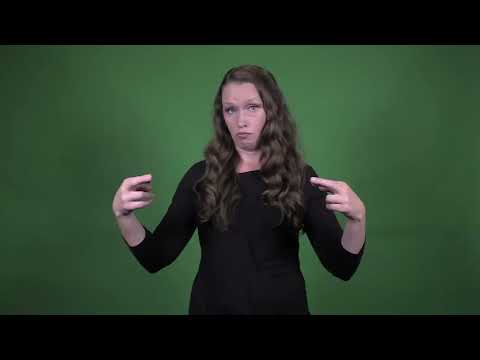
The sign for ROPE in ASL typically involves using both hands in an “F” handshape (thumb and index finger touching) to mimic twisting or twining motion. Starting near the chest, the hands alternate in a downward spiral, imitating the structure of a rope. The motion is continuous and slightly circular, visually representing how rope is formed. This sign is distinct from related signs such as string, thread, or chain. While all involve some form of elongated material, their handshapes and movements differ. For string or thread, a single hand or a less complex motion might be used. Chain often involves a linking gesture with bent fingers or modified “C” handshapes. A common error when learning the sign for ROPE in ASL is using incorrect handshapes or failing to maintain the alternating spiral motion. Some beginners also perform the sign too quickly or without clear space between the hands, making it less legible. Precision in movement and rhythm is critical for clarity. It’s also important to distinguish between the noun and verb forms. While the sign for ROPE in ASL is typically used as a noun, context and additional signs can shift its grammatical role. ASL relies on facial expressions and body shifts to convey such changes rather than altering the sign itself.
Tips for Beginners3>
For those just starting to learn the sign for ROPE in ASL, take your time mastering the handshape and motion. Begin slowly, ensuring your fingers are correctly positioned in the “F” shape and that the alternating movement is smooth. Use slow repetition to build confidence. Avoid rushing through the motion. One of the most frequent mistakes is speeding up before perfecting the form. This leads to sloppy or unclear signs. Instead, focus on accuracy first, then gradually build speed. Watching native ASL users sign is extremely helpful. See how they incorporate the sign for ROPE in ASL in sentences and storytelling. Pay attention to their facial expressions, which often add emotional context or help distinguish between literal and figurative uses. Don’t be discouraged if it takes several tries to get it right. Like learning to tie a real rope, mastering the sign requires coordination and patience. Celebrate small wins, like a clearly executed handshape or a successfully recorded video of your signing. Use repetition, but keep it fun. Practice by describing activities you enjoy that involve rope. Whether it’s jump rope, rock climbing, or sailing, personalizing your practice can make learning more meaningful and memorable.
Connections to Other Topics
The sign for ROPE in ASL connects naturally to several other vocabulary areas. One related sign is chain. It uses different handshapes but also refers to a long, flexible object. Practicing the difference between rope and chain can sharpen your visual discrimination skills. Another related concept is string or thread. These signs often require a more delicate motion or a single hand to show the thinness of the material. Comparing these to the more robust sign for ROPE in ASL helps learners understand how ASL reflects physical characteristics through movement and form. The sign for tie is also closely related. It often appears in contexts involving rope—like tying a knot or securing something. Practicing these signs together in context-rich sentences builds vocabulary and grammatical cohesion. The concept of pull or tug often accompanies rope-related scenarios. Learning the signs for pull, drag, or lift can help you describe more dynamic actions involving rope. These verbs allow you to create expressive and accurate narratives. Lastly, the sign for knot is closely tied to the sign for ROPE in ASL. Knot involves a specific motion that shows the act of twisting or tying. Understanding how to show both the rope and what you do with it deepens your command of ASL’s visual storytelling potential.
Lengthy Summary
Learning the sign for ROPE in ASL involves more than memorizing a handshape—it’s about understanding the visual, spatial, and cultural dimensions built into the sign. Through consistent practice using mirrors, recordings, and context-based drills, learners can develop both accuracy and fluency. The sign’s visual structure—alternating “F” handshapes in a downward spiral—beautifully mimics the object it represents. This kind of visual logic is what makes ASL both intuitive and expressive. By practicing in a variety of settings and with a range of related vocabulary, learners can build a strong signing foundation. Understanding Deaf culture is also key. The use of the sign for ROPE in ASL in storytelling, metaphor, and daily conversation reveals the richness of the language. Whether describing a mountain rescue, a boating trip, or a symbolic struggle, this sign can carry both literal and layered meanings. Beginners should focus on mastering the fundamentals first: accurate handshape, smooth motion, and appropriate facial expressions. Watching videos, joining practice groups, and using the sign in real-life contexts will accelerate learning and build confidence. Connecting the sign for ROPE in ASL to related concepts like knot, chain, string, and pull helps reinforce vocabulary and enhances narrative ability. These connections deepen your understanding of how ASL structures meaning through space and movement. In summary, the sign for ROPE in ASL is a powerful example of how American Sign Language transforms physical reality into visual language. With patience, practice, and cultural awareness, you can confidently add this sign to your ASL skill set. Keep practicing, stay curious, and tie your learning together with real-world application. Your ASL journey is just getting started! Synonyms: cord, string, line, cable, twine Educational resources: Find related learning materials in our course bank! Want more? Check out some of our popular learning activities on the homepage! Need to look up a sign? Use our highly rated dictionary: https://aslinteractive.com/best-asl-dictionary/ Follow us on tiktok: https://www.tiktok.com/@aslinteractive. More social media links at the bottom of this page! Long-tail Keywords: what is the sign for rope in ASL, how do you sign rope in ASL, ASL dictionary rope Categories: tags: rope, tools, construction, outdoor activities, ASL vocabulary
Want more? Check out some of our popular learning activities!
ASL Interactive Resources
ASLInteractive YouTube Channel
Follow us on tiktok: @aslinteractive.com
Follow us on Instagram: aslinteractive
Facebook page: aslinteractive
Facebook group: aslinteractive
LInkedIn: ASL Interactive LLC
Twitter: @ASL_interactive
*Some information on this page is AI-generated. AI can make mistakes. Please check the information.
Responses