Practice Activities
Practicing the sign for SASK in ASL requires intentional repetition and application in different settings. One of the first techniques to master this sign is mirror work. Stand in front of a mirror and sign slowly, observing your handshape, orientation, and facial expressions. This helps you build muscle memory and ensure your signing is both accurate and expressive. Another effective method is recorded signing. Use your phone or webcam to record yourself signing the sign for SASK in ASL. Watch the playback to assess your fluency and precision. Compare your version with trusted ASL resources or native signers to fine-tune your movement and expression. Signing in context is essential for fluency. Include the sign for SASK in ASL while describing locations, talking about Canadian provinces, or sharing travel experiences. Incorporating the sign into conversations will help you retain it and use it more naturally. Advanced learners can benefit from drills that include regional place names and geography-related vocabulary. Combine the sign for SASK in ASL with other province signs, directional verbs, and classifiers to improve fluidity in conversation. These drills not only sharpen your vocabulary recall but also deepen your understanding of how ASL expresses place-based information.
SEO Cultural Context
Understanding the cultural context of the sign for SASK in ASL provides deeper insight into how language and identity intersect in the Deaf community. SASK is a common abbreviation for Saskatchewan, a central province in Canada. The sign for SASK in ASL is typically used in discussions about geography, travel, personal identity, and education. Deaf Canadians often use ASL alongside LSQ (Langue des signes québécoise) or regional variations. The sign for SASK in ASL can vary slightly depending on whether you’re in Western Canada or communicating with someone from the U.S. While the sign is generally consistent, some signers may fingerspell S-A-S-K or use a compound sign that references the province’s name more explicitly. In Deaf culture, naming places accurately and respectfully is crucial. The sign for SASK in ASL is typically used when identifying someone’s hometown, discussing regional events, or referring to institutions like the University of Saskatchewan. Using the correct sign shows cultural awareness and helps foster respectful communication in the Deaf community.
Extended Definition
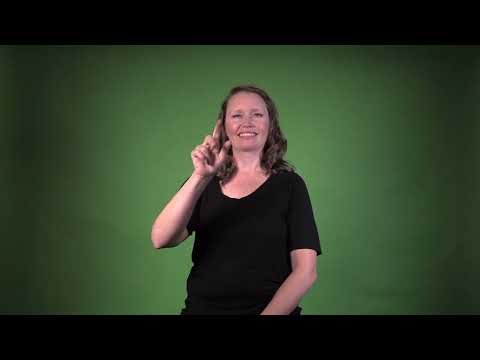
The sign for SASK in ASL is most commonly produced by fingerspelling the abbreviation S-A-S-K. Each letter is signed clearly and in sequence, using the dominant hand in the standard fingerspelling space. Be sure to keep your movements smooth and precise, avoiding bouncing or over-exaggeration. In some contexts, especially when referring to well-known places or institutions, the sign for SASK in ASL may be abbreviated or integrated into a compound sign. However, fingerspelling remains the most universally understood and accepted form. This is especially true when clarity is essential or when communicating with signers unfamiliar with regional abbreviations. Be cautious not to confuse SASK with other similar-looking abbreviations like S-A-C or S-A-N. These slight differences in handshape and movement can alter the meaning entirely. Always take the time to spell clearly and match your pace to the conversation.
Tips for Beginners3>
If you’re just starting to learn the sign for SASK in ASL, don’t worry—fingerspelling might seem tricky at first, but with practice, it becomes second nature. Start by isolating each letter and practicing them until you feel confident. Then, string them together slowly, focusing on smooth transitions and consistent hand positioning. One of the most common beginner mistakes is rushing through the fingerspelling. This can make your signing unclear and difficult to understand. Take your time and aim for clarity over speed. The sign for SASK in ASL is only effective if your conversation partner can understand it. Another tip is to practice with a partner or in a study group. Watching others sign and receiving feedback on your own signing can accelerate your learning. Remember to stay patient and celebrate small victories as your fluency improves.
Connections to Other Topics
The sign for SASK in ASL connects naturally with other geographic signs, especially those for Canadian provinces and territories. Learning the signs for Alberta, Manitoba, and British Columbia provides a broader context and helps learners talk about regional differences or travel routes in ASL. Fingerspelling is a major component of the sign for SASK in ASL, so it’s valuable to study the ASL manual alphabet thoroughly. This foundational skill supports not only place names but also proper nouns, brands, and unfamiliar vocabulary. Another related topic is the use of classifiers in ASL. While the sign for SASK in ASL is typically fingerspelled, classifiers can be used to describe the province’s shape, location, or features in a visual-spatial way. Combining these tools allows for richer, more descriptive dialogue. Geographic indexing is also relevant. ASL often uses space to map out locations and directions. Placing the sign for SASK in ASL in a specific area of your signing space can help anchor it in a broader conversation about Canadian provinces. Finally, this sign ties into cultural identity and self-expression. Talking about where you’re from or where someone else is from involves more than just vocabulary—it requires cultural sensitivity and context. The sign for SASK in ASL helps convey that meaning clearly and respectfully.
Lengthy Summary
Mastering the sign for SASK in ASL is a valuable step in becoming a more fluent and culturally aware signer. While the sign is most commonly expressed through fingerspelling, it holds meaning that goes beyond just the letters. It represents a location, an identity, and a connection to a broader Canadian and Deaf cultural context. Practice strategies such as mirror work, video recording, and contextual signing help reinforce correct handshapes and movement. These techniques also promote confidence and fluency. By integrating the sign for SASK in ASL into everyday conversations, learners can move beyond isolated vocabulary into real-world application. Culturally, this sign is used in Deaf communities throughout North America to refer to Saskatchewan. Knowing when and how to use it shows respect for regional distinctions and helps maintain clear communication. Whether you’re talking about where someone is from, discussing Canadian geography, or describing a trip, the sign for SASK in ASL allows you to do so clearly and respectfully. Beginners should approach this sign with patience and a focus on clarity. Mistakes are part of the learning process, and steady improvement comes from consistent practice. Related topics such as fingerspelling, classifiers, and regional vocabulary provide a support system for deeper understanding. Incorporating the sign for SASK in ASL into your signing vocabulary opens up new conversations and strengthens your connection to the Deaf community. Keep practicing, stay curious, and continue expanding your ASL skills. Every sign you learn brings you one step closer to fluency and cultural competency. ✨ Synonyms: saskachewan Educational resources: Find related learning materials in our course bank! Want more? Check out some of our popular learning activities on the homepage! Need to look up a sign? Use our highly rated dictionary: https://aslinteractive.com/best-asl-dictionary/ Follow us on tiktok: https://www.tiktok.com/@aslinteractive. More social media links at the bottom of this page! Long-tail Keywords: what is the sign for SASK in ASL, how do you sign SASK in ASL, SASK in American Sign Language Categories: tags: SASK in American Sign Language, ASL provinces and territories, ASL geography terms, Canadian place names in ASL, travel signs in ASL
Want more? Check out some of our popular learning activities!
ASL Interactive Resources
ASLInteractive YouTube Channel
Follow us on tiktok: @aslinteractive.com
Follow us on Instagram: aslinteractive
Facebook page: aslinteractive
Facebook group: aslinteractive
LInkedIn: ASL Interactive LLC
Twitter: @ASL_interactive
*Some information on this page is AI-generated. AI can make mistakes. Please check the information.
Responses