Practice Activities
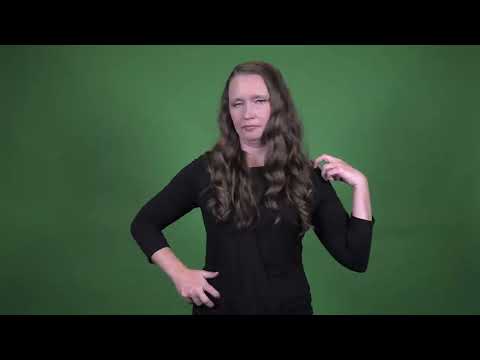
To build fluency with the sign for SEATBELT in ASL, begin with basic mirror work. Stand in front of a mirror and practice the movement while watching your facial expressions and body positioning. This helps increase self-awareness and ensures your sign matches the standardized form. Record yourself signing the word in full sentences such as, “Please fasten your seatbelt,” or “I forgot to put on my seatbelt.” Watching the playback allows you to spot inconsistencies and adjust accordingly. It also reinforces muscle memory for smoother, more natural usage. Incorporate the sign for SEATBELT in ASL into real-life context. For instance, before getting into a car, sign the word while buckling up. Sign to family members or friends, especially Deaf friends, to practice conversation and reinforce safety-related vocabulary. For advanced learners, try receptive drills. Watch videos of native signers using the sign for SEATBELT in ASL at natural speed. Then, replicate what you’ve seen. Pair this with expressive drills where you sign several transportation-related phrases, integrating the sign smoothly. Group practice offers another layer of learning. Role-play as a driving instructor or passenger and use the sign in context. This encourages quick thinking and comfort using the sign in various scenarios.
SEO Cultural Context
The sign for SEATBELT in ASL is more than just vocabulary—it reflects values in the Deaf community around safety, responsibility, and visual communication. In Deaf culture, communication is direct and efficient, and safety signs like SEATBELT are used immediately and clearly, especially during travel. This sign is commonly used in educational settings, particularly when teaching Deaf children or adults about road safety. It’s also frequently used in storytelling, safety demonstrations, and real-life driving situations. The sign for SEATBELT in ASL is a visual representation of buckling up, which aligns with the community’s emphasis on visually iconic signs that reflect the concept. Regional variations may exist, especially among older or younger signers, but the majority of the community uses the same general motion to depict buckling a seatbelt across the chest. Understanding that regional differences can occur is vital in respecting the diversity within the Deaf community. In Deaf culture, visual cues are paramount. For example, when a Deaf person is a passenger in a car, a quick sign for SEATBELT in ASL can serve as a reminder to buckle up, replacing the auditory alerts used in hearing environments. This illustrates how ASL adapts to meet cultural and practical needs.
Extended Definition
The sign for SEATBELT in ASL typically involves mimicking the motion of pulling a seatbelt across your chest and fastening it. Start with your dominant hand near your shoulder, then move diagonally down across your torso, as if pulling the seatbelt into place. Some signers also use both hands to mimic clicking the latch together. This sign is considered an iconic sign in ASL, meaning it visually represents the action it describes. Because of this, it’s intuitive and easy to remember, especially for visual learners. The realism of the motion helps reinforce its meaning and usage. Common errors include making the motion too small or unclear, which can confuse it with similar signs like SASH or CROSS. Another mistake is failing to use appropriate facial expressions, which are essential in ASL grammar and tone. Neutral or serious expressions are usually paired with the sign for SEATBELT in ASL, depending on the context. There are related signs such as “CAR,” “DRIVE,” and “SAFE,” which often appear in the same conversation. It’s also useful to distinguish this sign from “STRAP” or “BELT,” which may have similar handshapes but are used in different contexts. Clarity in motion and context will help learners avoid miscommunication.
Tips for Beginners3>
For beginners, the sign for SEATBELT in ASL offers a perfect example of how ASL uses visual representation to convey meaning. Don’t worry about perfecting every angle right away. Focus on the flow and intention behind the motion. Start slow and build confidence. Stand in front of a mirror and repeat the sign multiple times a day. Use it in real-life situations, like when entering a car or teaching someone about road safety. One common beginner mistake is forgetting to use the correct movement path. Make sure your hand travels diagonally across your body to mimic the real-life action of buckling a seatbelt. It’s also important not to rush. Speed will come with time and practice. Another helpful tip is to sign in front of a partner or instructor who can give feedback. Consistent repetition and feedback will reinforce the correct form and help you become more comfortable with the sign for SEATBELT in ASL. Don’t be discouraged by initial awkwardness. Every fluent signer started as a beginner. With daily practice and an open mind, you’ll soon find yourself using the sign naturally and confidently.
Connections to Other Topics
The sign for SEATBELT in ASL connects closely with the sign for CAR. Both are commonly used in transportation-related conversations and share context in everyday life. You might use them together in phrases like, “Get in the car and put on your seatbelt.” Another related sign is DRIVE. This sign is often used in the same context as SEATBELT, especially when discussing rules of the road, safety precautions, or driving lessons. Combining these signs helps learners expand their vocabulary and fluency in thematic conversations. SAFE or SAFETY is another important connection. These signs are frequently used when discussing why wearing a seatbelt is important. This provides a broader understanding of how ASL expresses caution and protection. AIRPLANE and BUS are relevant too, especially when discussing different modes of transportation. While seatbelts may not always be used in buses, they are essential in planes, and the sign for SEATBELT in ASL remains consistent in those contexts. The sign also ties into broader ASL grammar topics like classifiers and non-manual markers. Sometimes, classifiers can be used to describe how a seatbelt fits or moves, adding depth to your storytelling or explanations.
Lengthy Summary
Learning the sign for SEATBELT in ASL opens the door to understanding how safety concepts are expressed in a visual and intuitive manner. This sign is both practical and culturally relevant, used in everyday life, safety instruction, and real-time reminders in travel scenarios. The sign’s motion mirrors the physical act of buckling a seatbelt, making it an iconic and memorable part of the ASL lexicon. Its usage spans personal conversations, educational settings, and even emergency situations where quick, clear communication is essential. Understanding this sign also provides a window into how Deaf culture emphasizes visual communication for safety and efficiency. Beginners benefit from the straightforward nature of the sign, but must pay attention to accuracy in motion and facial expression. Practicing in the mirror, recording yourself, and using the sign in context are all effective strategies. Advanced learners can push further with receptive drills and role-playing activities. The sign for SEATBELT in ASL is deeply connected to related terms like CAR, DRIVE, and SAFE, helping learners build thematic vocabulary. It also introduces key elements of ASL grammar, including classifiers and spatial referencing. With consistent practice, a growing vocabulary, and attention to cultural context, you’ll soon feel confident using the sign for SEATBELT in ASL in a variety of settings. Keep practicing, stay curious, and enjoy the journey of learning ASL . Synonyms: safety belt, seat harness, lap belt, car restraint, vehicle belt Educational resources: Find related learning materials in our course bank! Want more? Check out some of our popular learning activities on the homepage! Need to look up a sign? Use our highly rated dictionary: https://aslinteractive.com/best-asl-dictionary/ Follow us on tiktok: https://www.tiktok.com/@aslinteractive. More social media links at the bottom of this page! Long-tail Keywords: what is the sign for seatbelt in ASL, how do you sign seatbelt in ASL, seatbelt sign language translation Categories: tags: travel signs, ASL safety signs, transportation ASL vocabulary, seatbelt sign in American Sign Language, beginner ASL travel signs
Want more? Check out some of our popular learning activities!
ASL Interactive Resources
ASLInteractive YouTube Channel
Follow us on tiktok: @aslinteractive.com
Follow us on Instagram: aslinteractive
Facebook page: aslinteractive
Facebook group: aslinteractive
LInkedIn: ASL Interactive LLC
Twitter: @ASL_interactive
*Some information on this page is AI-generated. AI can make mistakes. Please check the information.
Responses