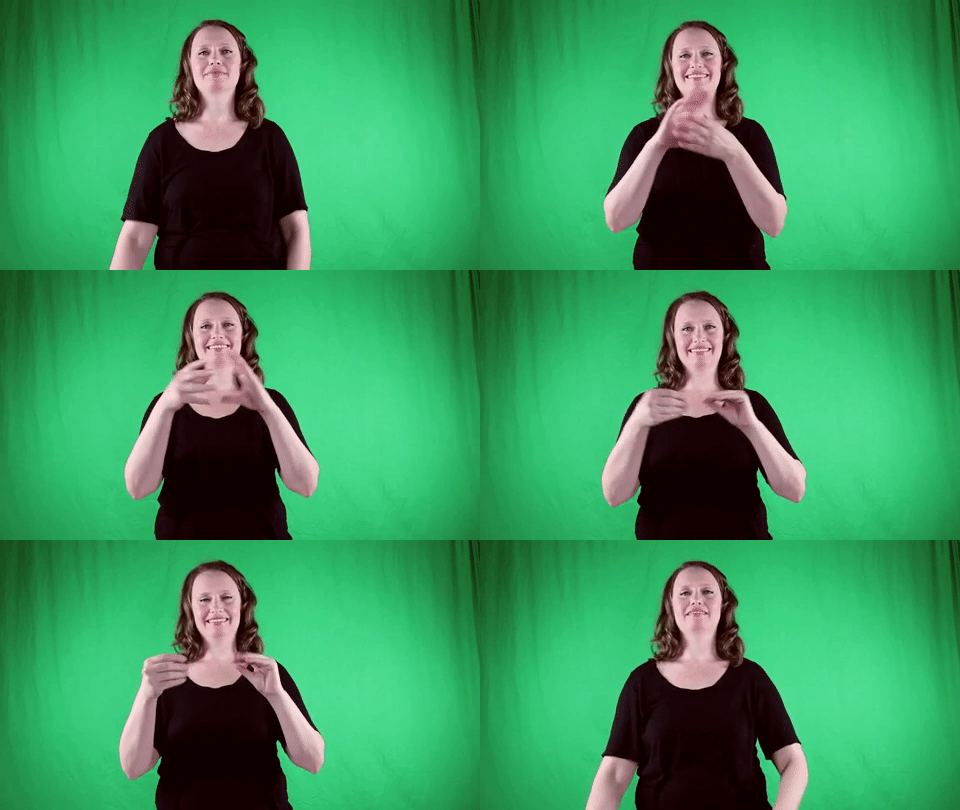
Sign for STORY in ASL | ASL Dictionary

Definition: An account of imaginary or real people and events told for entertainment. Sign for STORY in ASL
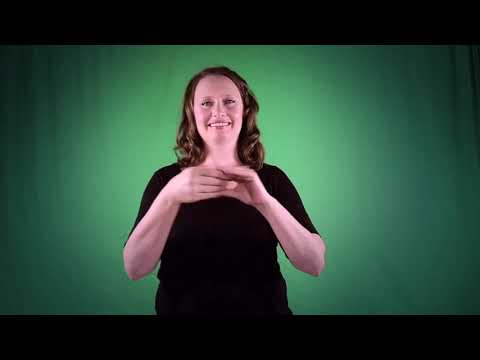
YouTube player

Practice Activities

To master the sign for STORY in ASL, begin with mirror work. Stand in front of a mirror and slowly perform the sign, watching your handshape, movement, and facial expressions. This method helps you become visually aware of your accuracy and consistency. Next, try recording yourself signing the sign for STORY in ASL. Playback allows you to self-correct and observe subtle mistakes that are easy to miss in real-time. Compare your video with fluent signers or instructional materials to fine-tune your technique. Practice using the sign in context by incorporating it into full sentences. Try phrases like “Tell me a story” or “That was a good story” to reinforce usage. This contextual practice helps bridge the gap between isolated signs and fluent conversation. For more advanced learners, create drills where you alternate between similar signs like HISTORY, NEWS, and STORY. This improves clarity and prevents confusion between signs that may appear visually similar. Pair up with a partner or tutor to engage in storytelling sessions where you are required to use the sign for STORY in ASL multiple times in natural conversation. Another effective method is to engage in role-playing exercises. Pretend you’re retelling a folktale or sharing a personal experience. These activities simulate real-life situations and encourage expressive storytelling, deepening your understanding of how and when to use the sign.

SEO Cultural Context

The sign for STORY in ASL carries deep cultural meaning within the Deaf community. Storytelling is a vital tradition in Deaf culture, used not only for entertainment but also for education, community bonding, and historical preservation. Visual storytelling through ASL is a rich cultural art form that reflects the unique linguistic and cultural identity of Deaf people. The sign for STORY in ASL often appears in community events such as Deaf poetry nights, storytelling festivals, and ASL literature performances. These are not just casual uses but respected cultural practices that elevate the importance of narrative in Deaf life. It’s important to note that regional variation may slightly influence how the sign for STORY in ASL is performed. While the basic sign remains consistent—a motion of the fingertips mimicking the unfolding of a tale—some signers from different regions may use slightly different handshapes or movements. This variation is accepted and understood within the community. Additionally, Deaf cultural norms emphasize engagement and expression in storytelling. When using the sign for STORY in ASL, facial expressions and body language are crucial. A flat or expressionless delivery may not be seen as respectful or effective, especially in a storytelling context where visual drama is essential.

Extended Definition

The sign for STORY in ASL is made by bringing the fingertips of both hands together in a ‘closed O’ handshape, then pulling them apart and bringing them together again in a repeated motion. This gesture mimics the unfolding of a narrative, symbolizing how stories are shared and come to life. This sign is semantically rich, encapsulating the concepts of narrative, tale, and recounting events. It can be used to describe fictional stories, personal experiences, or even abstract concepts like “life story” or “history” when used in the appropriate context. It’s important not to confuse the sign for STORY in ASL with the sign for HISTORY. While related, HISTORY uses a different handshape and movement pattern, often involving the dominant hand in an ‘H’ handshape tapping near the shoulder. Confusing these two can lead to misunderstandings, so attention to detail is key. Another common error is using flat hands instead of the correct ‘closed O’ handshape. This not only changes the meaning but can make your signing unclear. Always strive to maintain the handshape and fluid motion that characterizes the correct way to sign STORY.

Tips for Beginners

If you’re just getting started learning the sign for STORY in ASL, take it one step at a time. Don’t rush through the motion—practice slowly and with intention. Focus on forming the correct handshape and understanding the meaning behind the movement. One common mistake is forgetting to use facial expressions. In ASL, facial grammar is just as important as hand signs. When signing the word STORY, your face should reflect curiosity, excitement, or emotion—whatever fits the context of the story being referred to. Another tip is to watch fluent signers in action. Observe how they use the sign for STORY in ASL during conversations or storytelling. Try to mimic not only their hand movements but also their body language and rhythm. Don’t get discouraged by minor mistakes. Everyone struggles at first, especially with signs that involve coordinated hand movements. Practice consistently, and over time, the sign will become second nature.

Connections to Other Topics

The sign for STORY in ASL is closely related to several other key vocabulary terms in the language. One such connection is with the sign for TELL, which is often used in conjunction with STORY when forming sentences like “Tell me a story.” These signs work together to build more complex expressions. Another related sign is BOOK. Many ASL learners practice storytelling through reading and retelling books in sign language, making BOOK a natural companion to STORY. This connection is especially helpful in educational settings and early language development. The sign for HISTORY is also conceptually linked. Although it has a different execution, it deals with factual narratives from the past, whereas STORY can refer to both fictional and real accounts. Understanding the difference helps build semantic awareness in learners. The sign for NEWS can also be connected. Both NEWS and STORY involve the sharing of events or information, but STORY implies a more structured narrative, often with emotional or entertainment value. Practicing both signs helps learners distinguish between types of content in ASL. Lastly, the concept of ASL LITERATURE ties in strongly with the sign for STORY in ASL. ASL literature includes visual storytelling, poetry, and performance art—all of which use the sign STORY frequently. Learning this sign provides a gateway into appreciating and participating in the rich literary traditions of the Deaf community.

Lengthy Summary

The sign for STORY in ASL is more than just a vocabulary term—it’s a key that opens the door to an entire cultural and linguistic tradition. From the physical formation of the ‘closed O’ handshape to the expressive movement that symbolizes the unfolding of a tale, this sign is both functional and artistic. Practicing the sign for STORY in ASL through mirror work, video feedback, contextual usage, and advanced drills allows learners to build confidence and fluency. Each method reinforces muscle memory and visual-spatial awareness, which are crucial for signing effectively. Understanding the cultural importance of storytelling in the Deaf community enriches your learning experience. Storytelling is a respected art form and a vital tool for passing down history, values, and shared experiences. By learning the sign for STORY in ASL, you’re not just acquiring a new word—you’re connecting with a deeper cultural narrative. The

Extended Definition

clarifies the mechanics and semantics of the sign, helping you avoid common errors like incorrect handshapes or confusing similar signs. This level of detail supports precise and respectful communication. Beginners are encouraged to take their time, stay motivated, and embrace the learning curve. Mistakes are part of the process, and with consistent effort, the sign for STORY in ASL will become a natural part of your signing vocabulary. Through connections to signs like TELL, BOOK, HISTORY, NEWS, and ASL LITERATURE, learners can expand their understanding and use the sign in a variety of meaningful contexts. This broader framework enhances both comprehension and expression. In conclusion, the sign for STORY in ASL is a powerful and versatile sign that plays a central role in both everyday communication and cultural expression. Keep practicing, stay curious, and immerse yourself in the rich world of ASL storytelling. Your journey with the sign for STORY in ASL is just beginning—keep signing, keep sharing, and enjoy the stories along the way! Synonyms: narrative, tale, account, chronicle, anecdote Educational resources: Find related learning materials in our course bank! Want more? Check out some of our popular learning activities on the homepage! Need to look up a sign? Use our highly rated dictionary: https://aslinteractive.com/best-asl-dictionary/ Follow us on tiktok: https://www.tiktok.com/@aslinteractive. More social media links at the bottom of this page! Long-tail Keywords: what is the sign for story in ASL, how do you sign story in ASL, ASL sign for story explained Categories: tags: ASL storytelling, ASL stories by category, ASL story vocabulary, American Sign Language narratives, signing categories in ASL

Want more? Check out some of our popular learning activities!

ASL Interactive Resources

ASLInteractive YouTube Channel

Follow us on tiktok: @aslinteractive.com

Follow us on Instagram: aslinteractive

Facebook page: aslinteractive

Facebook group: aslinteractive

LInkedIn: ASL Interactive LLC

Twitter: @ASL_interactive

*Some information on this page is AI-generated. AI can make mistakes. Please check the information.  

Responses