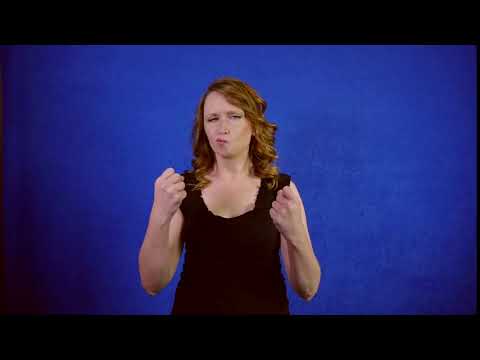
Practice Activities
One of the most effective ways to master the sign for STRONG in ASL is through consistent practice and integration into daily communication. Begin by standing in front of a mirror and observing your body posture and facial expressions while performing the sign. The sign for STRONG in ASL requires a confident, deliberate motion that visually represents strength or power, so your facial expression should match the concept. Record yourself signing and review the videos to check for accuracy in handshape, location, and movement. Watching your recordings side-by-side with fluent signers can help you identify areas for improvement. Signing in context is another essential method. For example, use the sign for STRONG in ASL when describing a physically strong person, a powerful emotion, or even robust coffee in casual conversation. This helps reinforce the sign’s multiple uses. For advanced learners, create short stories or dialogues that incorporate the sign for STRONG in ASL multiple times. This not only solidifies muscle memory but also enhances your fluency. You can also practice with peers or tutors by role-playing scenarios where the concept of strength is central, such as sports, personal achievements, or resilience. Repetition in varied contexts deepens your understanding and confidence.
SEO Cultural Context
The sign for STRONG in ASL carries not just a literal meaning but also rich cultural significance within the Deaf community. It often represents more than physical strength—it can symbolize emotional resilience, inner strength, or community empowerment. When used in Deaf storytelling or poetry, the sign may be paired with facial expressions and body language to convey deeper emotional or metaphorical meanings. Understanding the cultural context of the sign for STRONG in ASL helps learners use it appropriately and respectfully. For instance, in a Deaf event or rally, you might see the sign used to express solidarity or collective power. Such uses reflect the values of unity and perseverance that are central to Deaf culture. There may be slight regional variations in how the sign for STRONG in ASL is performed, especially in different parts of the United States. Some signers may emphasize different parts of the movement or use a slightly different facial expression. Always be open to these variations and learn from native signers in your area or community. The sign is also commonly used in educational and motivational contexts. Teachers might use the sign for STRONG in ASL to praise a student for a strong effort. Similarly, parents may use it to encourage children to be brave or resilient. Understanding the full range of its use makes your signing more natural and culturally aligned.
Extended Definition
The sign for STRONG in ASL is typically made by forming both hands into the bent “L” or modified “C” handshape, then bringing them together in front of the chest as if flexing your muscles. The movement is firm and deliberate, often accompanied by a facial expression that indicates strength or determination. This visual metaphor makes the sign easy to remember and intuitive. It’s important to distinguish the sign for STRONG in ASL from similar signs like “muscle,” “power,” or “brave.” While these may involve similar handshapes or locations near the body, they are not interchangeable. Each has a distinct meaning and usage. For example, the sign for “BRAVE” involves pulling the hands away from the shoulders and projecting confidence, which differs from the flexing motion used in the sign for STRONG in ASL. Common errors include using the wrong handshape or performing the motion too weakly or too quickly. If the movement lacks intensity or the facial expression is neutral, the message may be unclear or lose its intended impact. Also, beginners sometimes confuse STRONG with HEALTHY, which uses a different hand motion starting from the shoulders and moving outward. Another frequent mistake is overusing the sign in contexts where it may not be culturally appropriate or grammatically correct. ASL relies heavily on context and visual grammar, so it’s crucial to ensure the sign fits within the sentence structure and narrative flow. Practice with native signers can help clarify these distinctions.
Tips for Beginners3>
If you’re just starting to learn the sign for STRONG in ASL, don’t worry—this is a rewarding and visually expressive sign to master. Begin by focusing on the handshape and movement. Make sure your fingers are curved correctly and your motion mimics the idea of flexing or showing strength. One of the most common mistakes beginners make is forgetting to use facial expressions. In ASL, your face is just as important as your hands. When you sign STRONG, your face should reflect confidence or emphasis to match the strength you’re conveying. Without this, the sign may appear flat or ambiguous. Another helpful tip is to practice the sign in front of a mirror. This allows you to see exactly what your sign looks like and make adjustments in real time. Also, try to use the sign in conversation rather than just in isolation. Repetition in meaningful contexts helps solidify your understanding. Don’t be afraid to ask for feedback from more experienced signers. They can point out small adjustments that make a big difference. Lastly, be patient with yourself. Learning ASL is a journey, and mastering the sign for STRONG in ASL is a great step forward.
Connections to Other Topics
The sign for STRONG in ASL connects naturally to a variety of related concepts and vocabulary. One closely related sign is HEALTHY, which shares a similar visual theme of well-being but differs in execution and meaning. HEALTHY emphasizes general wellness, while STRONG focuses more on power or resilience. Another related sign is BRAVE. While both can describe strong character or emotional fortitude, BRAVE uses a different motion and is more abstract in meaning. Understanding the distinction helps clarify your intent when communicating. The sign for POWER is also related and often used in discussions about energy, influence, or authority. While STRONG may describe a person’s physical or emotional state, POWER is more often used in political or mechanical contexts. You’ll also find connections with signs like ENDURE or SURVIVE. These signs share thematic links with the sign for STRONG in ASL, especially when talking about overcoming hardship or showing resilience. They can often appear together in narratives or personal stories. Lastly, the sign for SUPPORT can complement STRONG when emphasizing community strength or mutual aid. In Deaf culture, these signs often appear in tandem to express solidarity and collective resilience, especially at community events or in storytelling.
Lengthy Summary
Mastering the sign for STRONG in ASL involves more than just learning handshapes and movement; it requires cultural awareness, context, and expressive skill. This sign is used to represent both literal and metaphorical strength, making it versatile and meaningful in a wide range of conversations. Whether you’re describing a strong athlete, a powerful emotion, or the strength of a community, this sign plays an essential role in ASL communication. Practicing the sign regularly through mirror work, video recording, and contextual drills helps reinforce proper form and usage. Understanding the cultural and regional nuances of the sign for STRONG in ASL ensures that you use it appropriately and respectfully. It is not just a vocabulary item—it’s an expression of identity, resilience, and pride in many Deaf communities. Beginners should focus on mastering the handshape and movement, while also remembering to use appropriate facial expressions. Avoiding common mistakes like weak movements or confusing similar signs will make your signing clearer and more effective. Engaging with related signs such as BRAVE, HEALTHY, and SUPPORT can deepen your understanding and make your ASL more fluent. The sign for STRONG in ASL is both functional and expressive, offering a powerful way to communicate ideas of strength, endurance, and confidence. By practicing regularly and committing to learning not just the mechanics but also the cultural meaning, you’ll build a solid foundation in ASL. Keep signing, stay curious, and continue exploring the richness of American Sign Language—your efforts will make you linguistically and culturally stronger . Synonyms: powerful, sturdy, robust, resilient, forceful Educational resources: Find related learning materials in our course bank! Want more? Check out some of our popular learning activities on the homepage! Need to look up a sign? Use our highly rated dictionary: https://aslinteractive.com/best-asl-dictionary/ Follow us on tiktok: https://www.tiktok.com/@aslinteractive. More social media links at the bottom of this page! Long-tail Keywords: what is the sign for strong in ASL, how do you sign strong in American Sign Language, ASL sign for strong Categories: tags: strength-related signs, adjectives in ASL, personality traits in ASL, physical attributes in ASL, emotional traits in ASL
Want more? Check out some of our popular learning activities!
ASL Interactive Resources
ASLInteractive YouTube Channel
Follow us on tiktok: @aslinteractive.com
Follow us on Instagram: aslinteractive
Facebook page: aslinteractive
Facebook group: aslinteractive
LInkedIn: ASL Interactive LLC
Twitter: @ASL_interactive
*Some information on this page is AI-generated. AI can make mistakes. Please check the information.
Responses