Practice Activities
To become confident with the sign for STUCK-UP in ASL, learners should begin with mirror work. Stand in front of a mirror and practice the sign slowly, watching your facial expressions and handshape. This helps reinforce accuracy and builds muscle memory. Recording yourself signing is another effective method. Play it back to observe your hand placement and non-manual signals. Compare your video with fluent signers to check for consistency. Using the sign for STUCK-UP in ASL in context is essential. Try using it in full sentences like “That person is stuck-up,” to help reinforce both meaning and grammar. You can also role-play conversations with a partner or teacher to simulate natural usage. Advanced learners can incorporate the sign into drills that focus on emotional expression. Since this sign relies heavily on facial expressions to convey attitude, practicing with exaggerated expressions and then scaling them appropriately will sharpen your skills. Try switching between related attitude-based signs to improve fluidity and accuracy.
SEO Cultural Context
The sign for STUCK-UP in ASL carries cultural weight within the Deaf community and reflects attitudes or behaviors that are socially recognizable. It typically describes someone who acts arrogant, conceited, or thinks they are superior to others. This sign is expressive and often used in social commentary or storytelling. In Deaf culture, facial expressions and non-manual signals are just as important as hand movements. The sign for STUCK-UP in ASL is a great example of how body language conveys meaning beyond the hands. Puffing up your cheeks or raising your chin can dramatically change the tone of the sign, adding layers of mockery or disapproval. There may be slight regional variations in how this sign is performed. Some signers may use a different handshape or placement, especially in different parts of the U.S. However, the general concept remains consistent. Being aware of these variations allows for better communication across different signing communities. This sign is often used in informal settings. You might see it during casual conversations, storytelling, or community discussions. Its vivid nature makes it a popular sign in expressive narratives, especially when describing characters or social dynamics.
Extended Definition
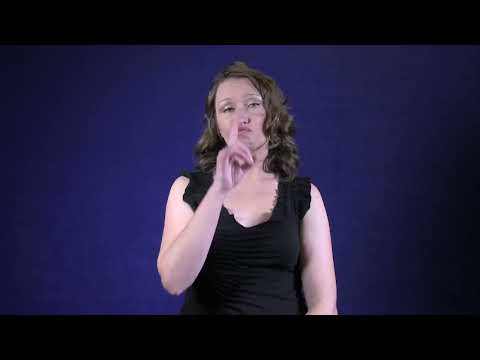
The sign for STUCK-UP in ASL typically involves a dominant hand in the 1-handshape, placed near the nose or upper lip, and then lifted slightly upward while the chin tilts upward. This movement mimics the idea of someone “raising their nose,” a gesture associated with arrogance or snobbishness. Facial expression is crucial. The signer often uses a smug or exaggerated snooty look to convey the full meaning. This combination of hand movement and facial attitude gives the sign its power and clarity. It’s important to distinguish the sign for STUCK-UP in ASL from similar signs like PROUD or SELFISH. While these may involve similar emotional tones, their handshapes and movements are different. Misusing them can change the meaning of your sentence significantly. A common mistake is performing the sign too subtly. Because this is an expressive and somewhat dramatic sign, under-signing it can make it unclear or dampen its impact. Another error is failing to maintain the appropriate facial expression, which can lead to misinterpretation.
Tips for Beginners3>
If you’re just starting to learn the sign for STUCK-UP in ASL, take your time focusing on the details. Watch multiple videos of native signers performing the sign to understand the rhythm, intensity, and facial expressions involved. Don’t be afraid to over-express when practicing. Many beginners feel self-conscious about exaggerating their expressions, but in ASL, these expressions are part of the grammar. Start big and refine your expression as you gain confidence. Be mindful of the handshape and where you place it. Misplacing the sign too far from the face or using the wrong finger configuration can cause confusion. Practice slowly and deliberately at first, then speed up as you gain control. Record your progress weekly to track improvement. Seeing how your sign develops over time can boost motivation and highlight areas for improvement. Remember, consistency and repetition are key when learning expressive signs like the sign for STUCK-UP in ASL.
Connections to Other Topics
The sign for STUCK-UP in ASL connects naturally to other attitude-based vocabulary such as ARROGANT, PROUD, and RUDE. These signs often rely on similar facial expressions and body language, making them useful to learn together. Another related topic is non-manual markers. Since the sign for STUCK-UP in ASL is incomplete without the proper facial expression, studying non-manual signals will deepen your understanding of ASL grammar. Storytelling in ASL is another relevant area. This sign is frequently used in narratives to describe characters or set a social scene. Practicing storytelling will help embed the sign into your natural signing vocabulary. Thematic conversations about personality traits are also linked. When discussing people’s behaviors, knowing how to express different attitudes, including the sign for STUCK-UP in ASL, enriches your expressive range. Finally, this sign connects to classifiers and spatial referencing when talking about someone who is not physically present. You can place the “stuck-up” person in space and refer to them throughout a conversation or story with consistency.
Lengthy Summary
The sign for STUCK-UP in ASL is a vivid, expressive sign that communicates more than just arrogance—it conveys a whole attitude. It combines a specific handshape near the nose with a subtle upward motion, enhanced by a strong facial expression that mimics snobbishness. This sign is an excellent example of how ASL uses both manual and non-manual features to create rich, meaningful communication. Within Deaf culture, this sign is commonly used to describe people who act superior or conceited. It often appears in casual conversations, storytelling, and community interactions. Understanding the cultural context behind this sign helps learners use it appropriately and respectfully. Regional variations exist, but the core meaning is widely understood across the U.S. For beginners, mastering this sign requires attention to detail, especially in facial expression and hand placement. Practicing in front of a mirror, recording yourself, and using the sign in sentences all help build fluency. Advanced learners benefit from challenging drills that mix this sign with related signs like RUDE or ARROGANT to refine their expressive skills. The sign for STUCK-UP in ASL also connects to broader ASL concepts like non-manual markers, character development in storytelling, and personality trait vocabulary. Understanding these connections makes you a more competent and confident signer. Whether you’re learning ASL for personal, academic, or professional reasons, adding expressive signs like the sign for STUCK-UP in ASL deepens your communication abilities. Keep practicing, stay curious, and don’t shy away from expressive signs—they’re where ASL truly comes to life! Synonyms: conceited, arrogant, haughty, snobbish, egotistical Educational resources: Find related learning materials in our course bank! Want more? Check out some of our popular learning activities on the homepage! Need to look up a sign? Use our highly rated dictionary: https://aslinteractive.com/best-asl-dictionary/ Follow us on tiktok: https://www.tiktok.com/@aslinteractive. More social media links at the bottom of this page! Long-tail Keywords: what is the sign for stuck-up in ASL, how do you sign stuck-up in ASL, stuck-up in American Sign Language Categories: tags: attitude in ASL, personality traits in ASL, emotions in ASL, social behavior in ASL, feelings in ASL
Want more? Check out some of our popular learning activities!
ASL Interactive Resources
ASLInteractive YouTube Channel
Follow us on tiktok: @aslinteractive.com
Follow us on Instagram: aslinteractive
Facebook page: aslinteractive
Facebook group: aslinteractive
LInkedIn: ASL Interactive LLC
Twitter: @ASL_interactive
*Some information on this page is AI-generated. AI can make mistakes. Please check the information.
Responses