Practice Activities
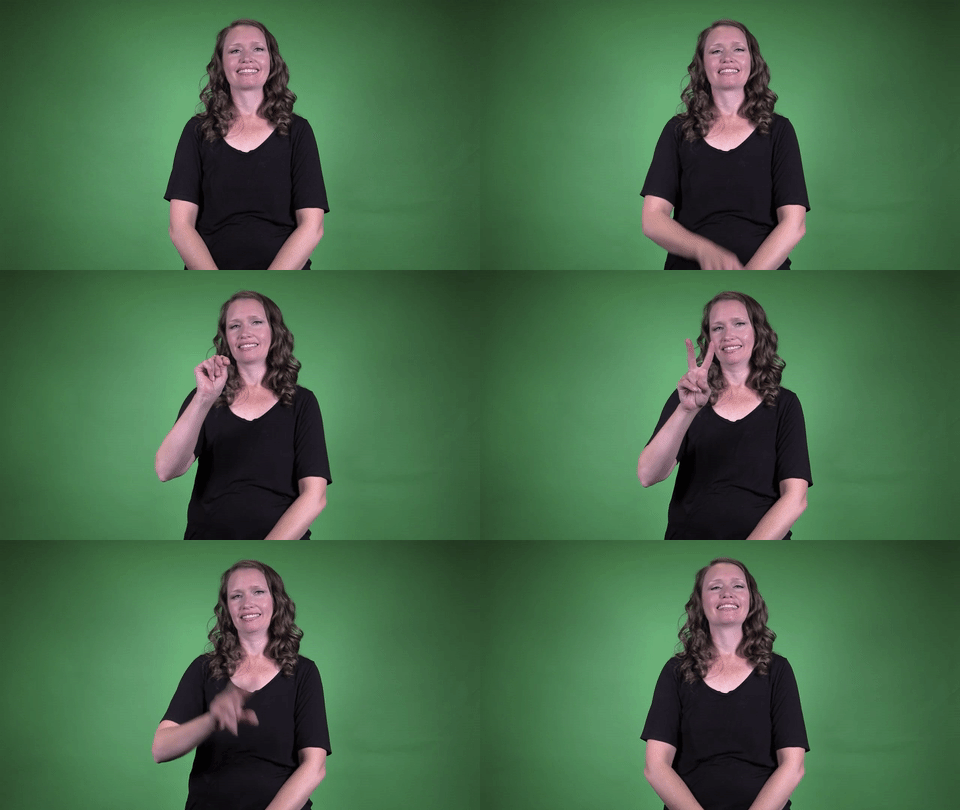
To effectively learn the sign for TELEVISION in ASL, it’s essential to incorporate various practice techniques that build both muscle memory and fluency. Start with mirror work by standing in front of a mirror and signing the word slowly. Focus on your handshape, movement, and facial expression to ensure they match the correct form of the sign for TELEVISION in ASL. Another powerful tool is recorded signing. Use your phone or webcam to record yourself signing TELEVISION. Watch the playback to compare your version with native signers or trusted ASL dictionaries. This feedback loop helps you catch mistakes and refine your non-manual signals. Try signing in context by creating sentences or short stories that include the sign for TELEVISION in ASL. For example: “I watched the news on TELEVISION last night” or “My favorite TELEVISION show is on Tuesday.” Contextual practice makes the sign more automatic and meaningful. Join a virtual or in-person ASL practice group where you can sign with others. Use TELEVISION in conversations by discussing favorite shows, media consumption, or Deaf representation in TV. This real-world use strengthens fluency. For advanced learners, try speed drills or receptive practice. Watch ASL videos that include the sign for TELEVISION in ASL at native speed, then mimic them without slowing down. This trains your brain to recognize and produce the sign quickly and naturally.
SEO Cultural Context
The sign for TELEVISION in ASL carries more than just a lexical meaning—it reflects the cultural context of how Deaf individuals engage with media. In Deaf culture, TELEVISION is not just entertainment; it can be a crucial source of visual information. Accessibility to captioned content and Deaf representation on TV has long been a topic of advocacy. Traditionally, the sign for TELEVISION in ASL is a compound of the fingerspelled letters T and V or sometimes represented by a mimetic sign that resembles an old-fashioned TV set. Some regions may still prefer the T-V fingerspelling, while others have adopted a more streamlined sign. These regional variations highlight the richness and adaptability of ASL as a living language. Deaf people often discuss TELEVISION in the context of subtitled content, Deaf characters, or ASL interpreters on screen. Using the sign for TELEVISION in ASL in such discussions reflects values of inclusion, advocacy, and community. Understanding when and how to use this sign enhances your cultural fluency. For example, when talking to a Deaf friend about a new show, using the sign correctly signals both linguistic competence and cultural respect.
Extended Definition
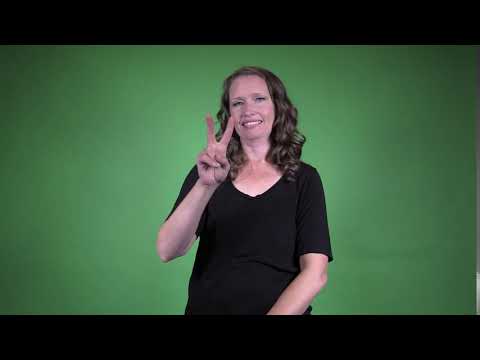
The sign for TELEVISION in ASL can be expressed in more than one way, depending on context and region. The most common form involves fingerspelling the letters T and V, usually in quick succession. This is a lexicalized fingerspelled word, meaning it’s often signed fluidly and abbreviated in movement. Another variation of the sign mimics the shape of a TV screen, using both hands to form a square in front of the face. This version may be more descriptive and less common in contemporary use but still recognized, especially among older signers. Some learners confuse the sign for TELEVISION in ASL with signs for monitor, computer, or screen. While these may look similar, they have distinct movements and handshapes. Being precise with your handshape and placement will help you avoid these common errors. It’s important to remember that ASL often evolves. Just as spoken languages develop new words and slang, signs like the one for TELEVISION can shift over time. Staying current by engaging with native signers and updated resources will ensure you use the most accurate form.
Tips for Beginners3>
If you’re just starting to learn the sign for TELEVISION in ASL, begin by mastering the ASL alphabet. Since one of the primary versions uses the T and V handshapes, being comfortable with fingerspelling is key. Practice fingerspelling slowly and clearly before speeding up. A common beginner mistake is making the T and V too far apart or pausing too long between them. Try to keep the motion smooth and natural. Watching native signers perform the sign multiple times can help you internalize the rhythm and flow. Don’t get discouraged if your sign doesn’t look perfect right away. The sign for TELEVISION in ASL may seem simple, but mastering it requires awareness of handshape, speed, and fluency. Small daily practice sessions are far more effective than occasional long ones. Use visual aids like flashcards or ASL learning apps that feature the sign. Repetition and exposure are crucial for retention. And remember, it’s okay to ask for feedback from fluent signers or instructors. Most are happy to help you improve.
Connections to Other Topics
Learning the sign for TELEVISION in ASL opens the door to related vocabulary and concepts that deepen your understanding. One closely related sign is MOVIE, often used in discussions about media. MOVIE is signed using a dominant hand that moves in a wave-like motion over a stationary non-dominant palm. Another connected term is NEWS, which might come up when you’re talking about what you saw on TELEVISION. This sign involves tapping fingers on the open palm, resembling the idea of receiving information. You’ll also want to know the sign for WATCH, as in “to watch TV.” This sign uses a modified “L” handshape pointing toward the eyes and then outward, indicating visual attention. The sign for CLOSED CAPTION is especially relevant in Deaf culture and ties directly to discussions about accessible content on TELEVISION. Finally, explore the sign for REMOTE CONTROL or simply REMOTE, which is often used when talking about changing channels or controlling what’s on TELEVISION. These related signs help create fuller, more fluent conversations.
Lengthy Summary
Mastering the sign for TELEVISION in ASL is about more than just memorizing handshapes—it’s about integrating this vocabulary into your overall language use and cultural understanding. Through daily practice using mirror work, recordings, and contextual conversations, you can develop fluency and confidence in using this sign naturally. Culturally, TELEVISION plays a significant role in the Deaf community as a source of information, entertainment, and visibility. Knowing the sign for TELEVISION in ASL allows you to engage in conversations about media, representation, and accessibility with greater depth and respect. The sign itself may vary, from fingerspelling T-V to mimetic representations of a screen. Whichever version you choose, clarity, fluidity, and context are essential. Beginners should focus on smooth transitions and accurate handshapes, while more advanced users can refine their skills through receptive drills and creative storytelling. The sign for TELEVISION in ASL also connects to a broader network of vocabulary like MOVIE, NEWS, WATCH, and REMOTE. These connections allow you to express more complex ideas and participate in diverse conversations. Incorporating the sign for TELEVISION in ASL into your daily signing not only boosts your vocabulary but also strengthens your understanding of Deaf culture and communication norms. Keep practicing, stay curious, and don’t be afraid to make mistakes. Each time you use the sign for TELEVISION in ASL, you’re one step closer to fluency . Synonyms: TV, television set, flat-screen, smart TV, boob tube Educational resources: Find related learning materials in our course bank! Want more? Check out some of our popular learning activities on the homepage! Need to look up a sign? Use our highly rated dictionary: https://aslinteractive.com/best-asl-dictionary/ Follow us on tiktok: https://www.tiktok.com/@aslinteractive. More social media links at the bottom of this page! Long-tail Keywords: Categories: tags: television vocabulary in ASL, technology signs in ASL, household items in ASL, entertainment signs in ASL, beginner ASL dictionary
Want more? Check out some of our popular learning activities!
ASL Interactive Resources
ASLInteractive YouTube Channel
Follow us on tiktok: @aslinteractive.com
Follow us on Instagram: aslinteractive
Facebook page: aslinteractive
Facebook group: aslinteractive
LInkedIn: ASL Interactive LLC
Twitter: @ASL_interactive
*Some information on this page is AI-generated. AI can make mistakes. Please check the information.
Responses