Practice Activities
One of the most effective ways to master the sign for TURN DOWN REJECT in ASL is by practicing in front of a mirror. This allows learners to observe their handshape, movement, and facial expression, ensuring they are producing the sign accurately. Mirror work builds muscle memory and visual self-feedback. Recording yourself signing the sign for TURN DOWN REJECT in ASL and reviewing the footage is another valuable method. This helps you assess your fluency, consistency, and use of non-manual markers. Pay close attention to your palm orientation and movement during playback. Signing the sign for TURN DOWN REJECT in ASL in real-life contexts will reinforce understanding. For example, incorporate it into mock job interviews, role-playing social scenarios, or storytelling. Using it in actual conversations with fluent signers will solidify its meaning and application. Advanced drills can deepen your fluency. Try receptive practice by watching others sign and identifying whether they are expressing rejection or another concept. Mix the sign for TURN DOWN REJECT in ASL with other related signs in sentence drills to improve transition and flow. Group practice sessions are also extremely beneficial. Practicing with peers in a study group or ASL class helps reinforce the sign through repetition and feedback. Engaging in back-and-forth signing exercises keeps learning dynamic and interactive.
SEO Cultural Context
The sign for TURN DOWN REJECT in ASL is deeply rooted in Deaf cultural norms, where direct communication is valued. This sign reflects the importance of clear and honest interactions. In Deaf culture, expressing refusal or rejection directly is both appropriate and expected, especially in personal, academic, or professional settings. This sign is commonly used in situations where someone declines an offer, rejects an idea, or refuses a request. For example, turning down a job, rejecting someone’s opinion, or denying a proposal. Deaf individuals often use the sign for TURN DOWN REJECT in ASL to set boundaries or express disagreement respectfully. Regional variation in sign usage is common throughout the United States, but the sign for TURN DOWN REJECT in ASL remains relatively consistent. However, some signers may use a more subtle motion or pair it with specific facial expressions that vary slightly by region. Facial expressions are crucial when signing TURN DOWN REJECT. An assertive headshake or furrowed brows can intensify the sign’s meaning. This non-manual marker ensures the viewer understands that a rejection is being communicated clearly and effectively.
Extended Definition
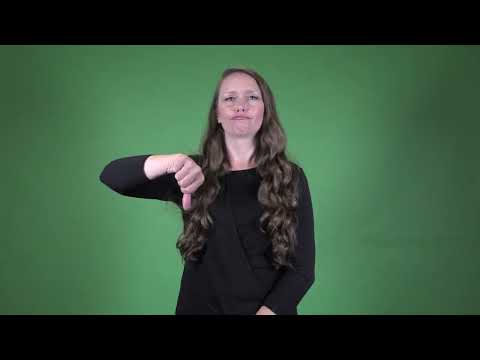
The sign for TURN DOWN REJECT in ASL typically involves a dominant hand in a flat “B” handshape, beginning at the chin or in front of the body, and pushing outward with a slight flick of the wrist and a negative facial expression. The movement conveys the action of dismissing or refusing something. It’s important to distinguish this sign from similar signs like REFUSE or DECLINE. While they may look somewhat alike, TURN DOWN REJECT often includes a sharper outward push and a more definite facial expression. The sign REFUSE, on the other hand, usually involves a thumbs-up handshape pulled back over the shoulder. Common errors include incorrect palm orientation or lack of facial expression. Without the proper non-manual signals, the sign may be misinterpreted or seem emotionally flat. Another frequent mistake is confusing the sign with THROW AWAY or DON’T WANT, which involve different handshapes and movements. In nuanced conversations, the sign for TURN DOWN REJECT in ASL can be modified slightly to match the context. For example, a softer movement might imply regret in rejection, while a firmer push could convey stronger disapproval. These subtle variations can make your signing more expressive and precise.
Tips for Beginners
For beginners learning the sign for TURN DOWN REJECT in ASL, it’s essential to start slowly and focus on handshape and movement accuracy. Practice in front of a mirror and check your palm orientation to ensure it’s facing away from your body during the final motion. Don’t forget the facial expression. A neutral face can confuse the meaning, so include a slight frown or headshake to reinforce the intent behind the sign. If you’re unsure, watch native signers or teachers for examples of expressive signing. One common beginner mistake is using the wrong handshape—such as forming a bent hand or using a “5” hand instead of a flat “B.” Stick to the correct handshape and practice it in short sessions, gradually increasing complexity as you gain confidence. Another helpful tip is to learn the sign in short phrases like “I TURN DOWN OFFER” or “SHE REJECT PLAN.” Using the sign for TURN DOWN REJECT in ASL in full sentences builds fluency and improves your understanding of ASL grammar. Be patient with yourself. Mastery takes time and repetition. Celebrate small improvements and revisit any aspects of the sign you find challenging. Consistency is key to becoming comfortable using the sign for TURN DOWN REJECT in ASL naturally and accurately.
Connections to Other Topics
The sign for REFUSE is closely related and often confused with the sign for TURN DOWN REJECT in ASL. While both involve rejecting something, REFUSE typically uses a thumbs-up handshape and a backward motion. Understanding the difference helps clarify your intent in conversations. The sign for DON’T WANT shares a similar theme of rejection. It involves pushing both hands away from the body with an open handshape. Using this in contrast to TURN DOWN REJECT can help learners grasp subtle differences in meaning and usage. DECLINE is another related sign, often used in formal or polite refusals. It’s sometimes signed similarly to TURN DOWN REJECT but with softer movement and a more neutral expression. Learning when to use each helps expand your vocabulary and expressiveness. The concept of NO in ASL is foundational and ties into rejection themes. While NO is its own sign, it often appears alongside the sign for TURN DOWN REJECT in ASL for emphasis. For example, “NO, I TURN DOWN OFFER” strengthens the message. BOUNDARIES is a broader concept in ASL and Deaf culture that often involves signs like TURN DOWN REJECT. Setting personal limits, saying no, and expressing disapproval are important skills, especially in social and professional settings. This sign plays a central role in communicating those boundaries clearly.
Lengthy Summary
The sign for TURN DOWN REJECT in ASL is an essential part of any ASL learner’s vocabulary. It allows signers to express refusal, rejection, or declining an offer in a culturally appropriate and visually clear way. Mastery of this sign involves understanding its handshape, movement, palm orientation, and most importantly, facial expression. In Deaf culture, honesty and clarity in communication are valued highly. The sign for TURN DOWN REJECT in ASL serves an important function in maintaining respectful and direct interactions. Whether it’s turning down a social invitation, rejecting a proposal, or expressing disagreement, this sign is used frequently in daily life. Learners can deepen their understanding by engaging in diverse
Practice Activities
like mirror work, video recording, contextual usage, and advanced drills. These exercises develop both expressive and receptive skills, helping signers use the sign fluently and confidently. For beginners, the key is to take it step by step. Focus on accuracy, avoid common errors, and don’t shy away from using facial expressions. Relating this sign to others like REFUSE, DON’T WANT, DECLINE, and NO enriches your understanding and builds a strong conceptual network in ASL. By learning the sign for TURN DOWN REJECT in ASL, you’re not just adding a word to your vocabulary—you’re gaining insight into how Deaf individuals communicate complex emotions and boundaries. Keep practicing, stay engaged, and continue exploring the richness of ASL. Your journey into expressive and meaningful signing is just beginning . Synonyms: decline, refuse, dismiss, rebuff, spurn Educational resources: Find related learning materials in our course bank! Want more? Check out some of our popular learning activities on the homepage! Need to look up a sign? Use our highly rated dictionary: https://aslinteractive.com/best-asl-dictionary/ Follow us on tiktok: https://www.tiktok.com/@aslinteractive. More social media links at the bottom of this page! Long-tail Keywords: Categories: tags: ASL negative responses, ASL rejections, turn down in American Sign Language, rejecting offers in ASL, social interactions in ASL
Want more? Check out some of our popular learning activities!
ASL Interactive Resources
ASLInteractive YouTube Channel
Follow us on tiktok: @aslinteractive.com
Follow us on Instagram: aslinteractive
Facebook page: aslinteractive
Facebook group: aslinteractive
LInkedIn: ASL Interactive LLC
Twitter: @ASL_interactive
*Some information on this page is AI-generated. AI can make mistakes. Please check the information.
Responses